

We may earn a commission when you buy through links on this page, at no extra cost to you. Learn more.
For most shoppers, wine cube red wine means a California red sold in a 3-liter box that holds about four 750 mL bottles, and most reds in the line taste best slightly chilled, between about 54 and 64°F. The range centers on Cabernet Sauvignon, Pinot Noir, and blends built from Cabernet, Syrah, Merlot, and Zinfandel. Once opened, the box is listed as staying fresh for up to four weeks, though it tastes best within the first two or three. Serving temperature and pairing choices make the biggest difference in the glass.
Boxed wine still carries a reputation problem in the United States, and many shoppers picture a cheap jug when they hear the word box. Wine Cube has been one of the brands pushing that image aside, and its red lineup runs from a light Pinot Noir to fuller Cabernet and Syrah blends. The sections below cover what is inside, how much wine you get, how to serve it, and how long it keeps.
What Sets the Wine Cube Box Apart
The cube format changed how many shoppers think about boxed wine, largely because of its shape and the way it fits into everyday routines.
Richard Barkaway, a package designer who worked with the in-house design team at Target on the project, has described the cube as a response to the weak points of the category. Before the design was finalized, the team looked at the formats already on shelves and found that chilling a box usually meant squeezing it into the refrigerator door. According to Barkaway, the finished shape fits in the back of a refrigerator and can dispense wine without the box being moved out of the cold.
The format also worked for retailers. Barkaway has said the cube makes efficient use of space on pallets and merchandises well on store shelves. He also claimed that the line was among the top five selling items across all categories in Super Target stores, and that in blind tasting these wines outperformed 90 different bottles in conventional glass. Treat those numbers as the designer’s account rather than a published study, but they show why the format drew so much attention.
The cube idea was not the only format experiment in the brand’s history. Packaging Digest reported that Target began selling Wine Cube four-packs of single-serve wines in July 2006, packed in 250 mL aseptic cartons with an octagonal shape and a peelable top seal. The idea behind single-serve packs, as that publication described it, is that many consumers drink a glass or two and the rest of a bottle goes to waste. If you want the lighter side of the range, the guide to wine cube white wine covers the whites in the same format.
The Red Wines Inside the Box
The red range leans toward fruit-forward California styles, and the grape or blend named on the package tells you more about the glass than the packaging does.
Target’s listing for the 3-liter Pinot Noir describes violet aromas that lead to raspberry and juicy cherry flavors, with a touch of vanilla. The Cabernet Sauvignon listing describes deep black cherry, toasty vanilla notes, and a long finish. Both are presented as wines sourced from California’s premier wine-growing regions, which is the brand’s standard sourcing claim across the line.
The blends follow a different logic. The Dark Red Blend is built from Cabernet Sauvignon and Syrah, and its listing describes soft blackberry flavors, hints of bittersweet chocolate, and a velvety texture. The 3-liter Red Blend combines Zinfandel, Merlot, and Cabernet Sauvignon. Because Merlot usually brings softer tannin than Cabernet, that blend tends to read as more approachable than a straight Cabernet. A 500 mL Cabernet carton is also available for buyers who want less wine on hand.
How Tannin Shapes the Experience
Tannin is the drying sensation you feel on your gums and tongue, and it is the main reason one red feels softer than another. Cabernet Sauvignon carries high tannin, which gives it structure and makes it a good match for rich meat. Merlot sits at medium tannin, Syrah at medium-plus to high, and Pinot Noir at low to medium tannin with high acidity. That combination explains why the Pinot in the line feels lighter on the palate and the Cabernet-based blends feel grippier.
Customer reviews on Target’s pages are mixed. One reviewer called the Pinot Noir bland and watered down, while another described it as an easy pour for everyday drinking. Those split opinions suggest that buyers should expect a light, easy-drinking style from the Pinot, while the Cabernet-based blends give more backbone for a dinner table.
How Much Wine Is in Each Box
A 3-liter box holds the equivalent of four 750 mL bottles, which works out to roughly 20 standard five-ounce pours.
Target’s listings describe the 3-liter box as the equivalent of four 750 mL bottles and put alcohol at roughly 12 to 13.5 percent by volume, depending on the blend. The 500 mL carton is the smaller option, and its listing equates it to about three generous glasses. A standard pour is five ounces, and a 750 mL bottle yields about five glasses, so a full 3-liter box gives you around 20 pours.
That yield changes how you should plan a gathering. A table of six with two glasses each uses about 12 pours, which leaves enough for a second evening if you pour carefully. Because the box is a single package rather than several bottles that all need opening, it is easy to keep one in the refrigerator for weeknight glasses. Plan around the storage window covered later in this guide, though, and avoid buying more than you can finish within a few weeks.
Strength matters when you are pouring several glasses over an evening, so it helps to compare the numbers before you commit to a box. For a sense of how boxed alcohol levels compare across brands, see the breakdown of black box pinot grigio alcohol content.
Serving Temperature for the Reds
Serve the lighter Pinot Noir cooler and the fuller Cabernet-based blends slightly warmer, and keep every red below what most homes call room temperature.
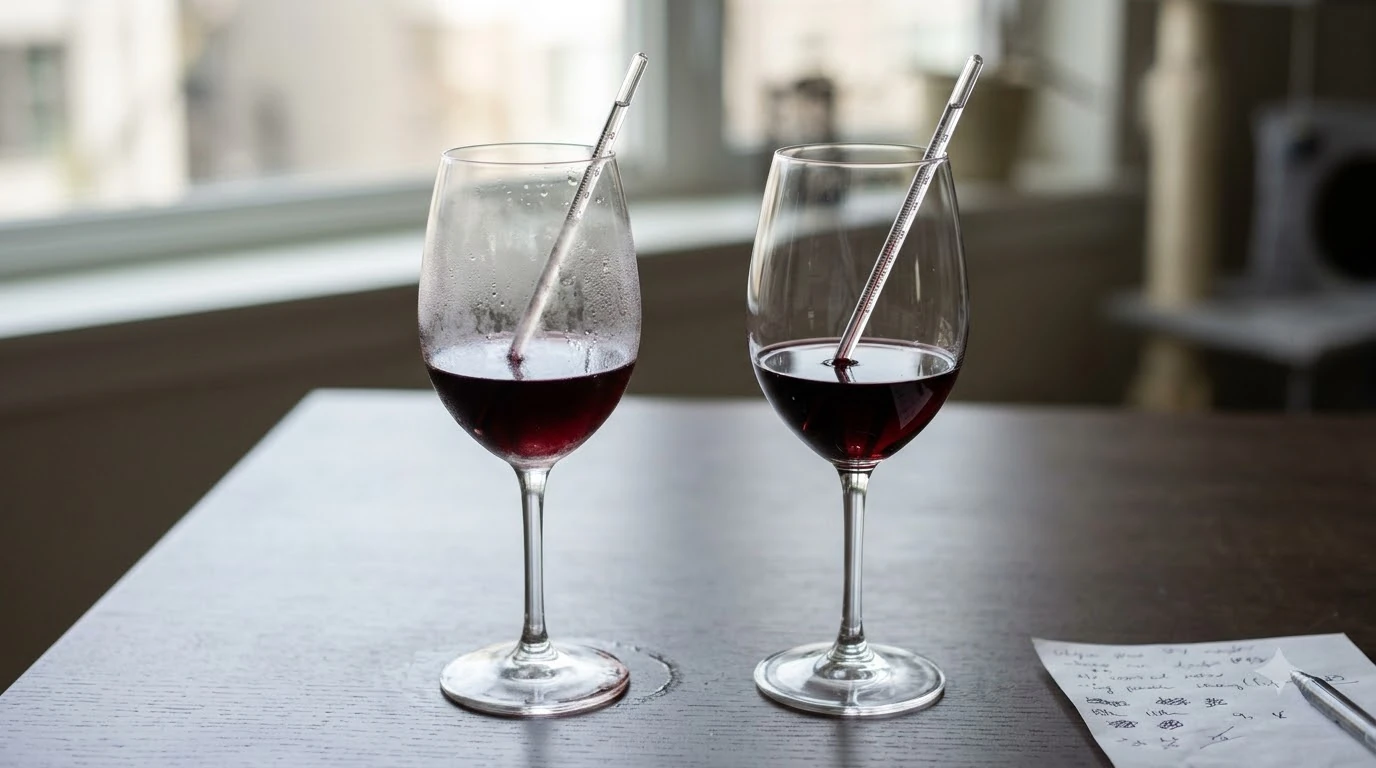
Decanter’s red wine serving guide places light-bodied, chillable reds at about 54 to 56°F, medium-bodied reds at 57 to 61°F, and full-bodied reds at 61 to 64°F, adding that cooler is probably better for the fullest styles. The same guide argues that the phrase room temperature is misleading. It notes that a typical US thermostat setting of 68°F already sits at the upper end of the acceptable range for red wine. For the full explanation, see Decanter’s red wine serving temperature guide.
| Wine Cube red style | Serving temperature | Tannin level | Pairs well with |
|---|---|---|---|
| Pinot Noir (3-liter) | 54 to 56°F | Low to medium | Ahi tuna, mushroom bruschetta, cheese plate |
| Red Blend (Zinfandel, Merlot, Cabernet) | 57 to 61°F | Medium to high | Roasted meats, tomato-based pasta |
| Dark Red Blend (Cabernet and Syrah) | 61 to 64°F | High | Bittersweet dark chocolate, roasted meats, flavorful pasta |
| Cabernet Sauvignon | 61 to 64°F | High | Short ribs, grilled hamburgers, spaghetti and meatballs |
Serving red too warm causes real problems. Heat accentuates alcohol, which can make a wine taste hot, and it dulls the freshness and acidity that balance the fruit. Decanter also notes that wine warms very quickly in the glass, and a sommelier quoted in the piece says an 18°C Bordeaux can reach 22°C or more in a short time. It is better to start cool and let the glass warm in your hands than to start warm and hope it will cool down.
How to Chill a Box Quickly
Decanter suggests leaving red wine in the refrigerator or an ice bucket for 10 to 20 minutes to bring it into balance. Barkaway’s design was built to fit in the back of a refrigerator, so the box can be chilled without taking up a whole shelf. When you are serving a mixed group, chill the box in advance and pour the Pinot first, then let the fuller blends sit a few minutes longer while the table settles.
Tip: Chill the box for about 15 minutes before service, then pour the first glass and cradle it in your hands for a minute. That small warm-up lets the aromas open without pushing the wine into the hot range.
Pairing the Reds with Everyday Food
Match tannin with fat and acidity with acidity, and the Wine Cube reds fit a surprisingly wide range of everyday meals.
Salt and fat soften tannin, which is why the Cabernet-based blends pair well with rich, fatty food. Target’s listing for the Cabernet suggests short ribs, juicy grilled hamburgers, and spaghetti and meatballs, and each of those options has enough fat and salt to tame the grip of the tannin. A lean chicken breast, by contrast, leaves the tannin standing out, so save the Cabernet for burgers, braises, and rich sauces.
Acidic food needs wine with at least as much acidity, so tomato-heavy dishes suit the Pinot Noir better than a dense blend. The Pinot’s natural acidity keeps a tomato sauce bright instead of flat, which makes it a sensible match when the sauce is on the sharp side. The Pinot listing also suggests ahi tuna, duck meatballs, mushroom bruschetta, and a cheese plate, and its lighter tannin makes it more flexible with fish than the Cabernet-based wines. Avoid pairing the bigger blends with oily fish, since tannic reds clash with rich fish oils.
Spice calls for caution. Alcohol and tannin both amplify chili heat, so a Cabernet-based blend can make a spicy curry or chili taste hotter than it is. Keep the bigger blends for milder dishes and choose the Pinot when the food has more kick. Dessert needs a similar check, because the wine should be at least as sweet as the dessert. Pair the Dark Red Blend with bittersweet dark chocolate, the same match the listing suggests, rather than sugary milk chocolate desserts.
How Long an Opened Box Lasts
An opened box keeps best for two to three weeks in the refrigerator, and the brand’s listing claims up to four weeks, which sits inside the six-week outer limit.
The brand’s listings say each opened box stays fresh for up to four weeks. VinePair’s explainer on how long boxed wine stays good agrees that refrigeration is the first step, because cold slows the wine’s exposure to oxygen. It also says most experts agree six weeks is the longest you should take to finish a box, while two to three weeks is the sweet spot for keeping the last glass as fresh as the first. For comparison, an open bottle stored in the fridge lasts about three to four days.
Start the clock on the day you open the box and keep it in the refrigerator between pours. Do not count on the fridge to rescue an old box, because oxygen still reaches the wine slowly even inside the bag. VinePair also advises that any box should be opened and finished within a year of purchase, since wine in a box keeps micro-oxygenating over time. A box bought long ago may have lost freshness before you ever pour the first glass.
Signs a Box Has Turned
Smell is the fastest check. A sharp, vinegary aroma means the wine has oxidized, and VinePair notes that a box can turn to vinegar just like an open bottle. Flat, dull fruit and a sour finish are the other warning signs. A wine that is still clean but a few weeks old is fine for cooking, which the FAQ below explains.
Getting the Most From Every Box
A few habits make a box last longer and taste better, from planning pour sizes to picking the right glass.
Plan around the pour count before you open the box. If you plan to pour one glass a night, a 3-liter box can run for weeks, so decide early whether you want it for a party or for weeknights. Buying the box for a larger event and finishing it within two or three weeks is the simplest rhythm, and it keeps the wine at its freshest for the whole run.
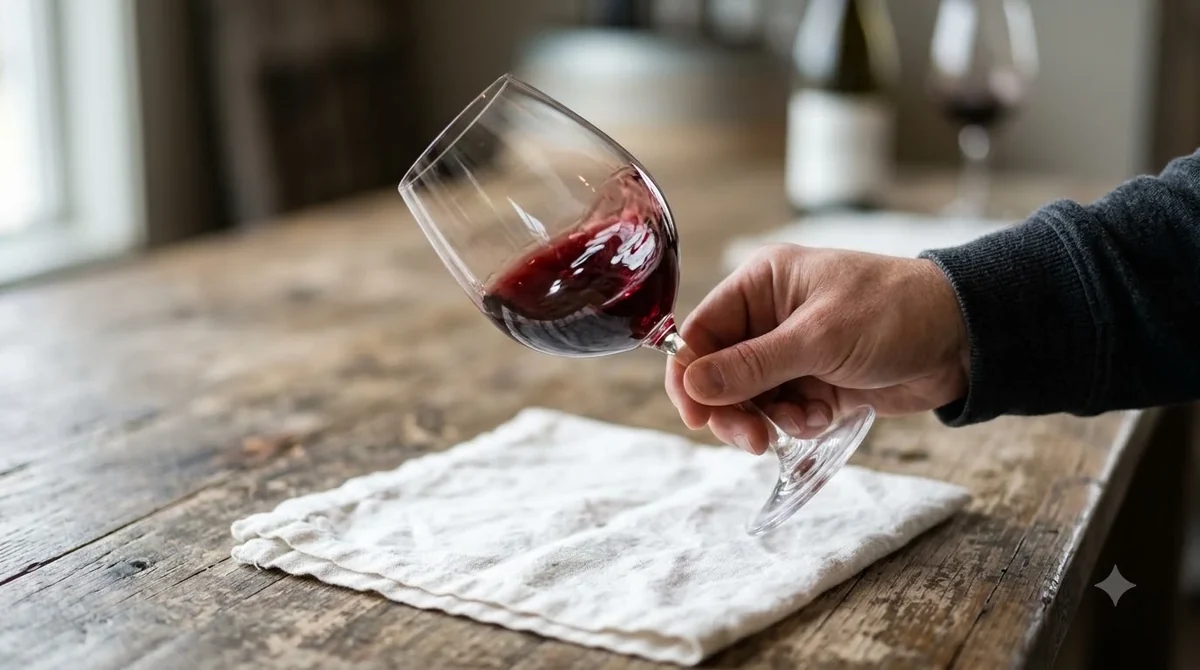
Choose glassware that suits the style. A slightly wider bowl helps a Pinot Noir show its aromas, while the fuller blends work well in standard glasses. Temperature is the bigger lever, so keep the box cold between pours and revisit the chilling advice earlier in this guide before each serving. Storage and temperature shape flavor more than most people expect.
For a broader comparison of how boxed and bottled wines stack up on flavor, packaging, and value, the Wine Brands section is a practical next step. It pairs well with this guide when you are deciding between a box and a bottle for a specific meal.
Frequently Asked Questions
Is the Wine Cube box easy to take on trips?
Target’s listing for the 3-liter Pinot Noir describes the box as shatterproof, which makes it a practical pick for picnics, camping, and tailgates. The listing also calls it the ultimate companion for any event or adventure. Pack a small cooler for the trip, since the wine tastes best when it stays cool.
Is wine cube red wine sweet?
Reviews on retailer sites disagree on this point. One Target reviewer called the Dark Red Blend too sweet for a dark red and poor in flavor, while another described the same blend as consistent from box to box and a go-to everyday table wine. Because the reviews split so sharply, pour a small glass before serving the box to a crowd.
Does the Wine Cube come in a size for on-the-go drinking?
The Cabernet Sauvignon 500 mL carton listing describes a twist cap made for on-the-go drinking, which makes it handy for a bag, a picnic, or a day out. That carton is the smallest option in the red range, so it suits one or two people rather than a table of guests. The 3-liter boxes are the better choice when you need enough wine for a full evening.
Which red should I chill for a summer party?
Decanter’s Peter Richards MW wrote that good summer reds should be served between 50 and 60°F, and he suggested putting them in the refrigerator for about 30 minutes before serving. That is cooler than many summer afternoons, so the advice fits patio gatherings well. Decanter lists Pinot Noir, Gamay, Schiava, and Zweigelt as cool-climate varieties that suit this lighter, chilled style.
Can I cook with a box that is a few weeks old?
Yes, as long as the wine still smells clean. Cooking concentrates flavor and drives off most of the alcohol, so a slightly tired red still works well in braises, stews, and tomato sauces. A box that already smells of vinegar should be poured out, because heat will not reverse oxidation.
Wine Cube red wine suits everyday dinners, casual gatherings, and nights when a bottle feels like too much. Chill the Pinot and the lighter reds a little, serve the fuller blends slightly cooler than room temperature, and finish each box within a few weeks. Match the wine to the food with tannin, acidity, and heat in mind, and the box will taste better than its packaging suggests.
More in Wine Brands
 Louis Latour Wine Price: Compare Bottles by Style and TierUpdated Nov 20, 2026
 Yellow Tail Moscato Price: What to Expect Before You BuyUpdated Nov 20, 2026
 Sutter Home Sweet Red Review: Find the Right Food PairingsUpdated Nov 20, 2026
 Franzia Chillable Red Review: Find the Right Serving StyleUpdated Nov 20, 2026
 Veuve Clicquot Rose Review: Flavor, Food Pairings and Buying AdviceUpdated Nov 20, 2026
 Rombauer Wine Price: Compare Bottles Before You BuyUpdated Nov 20, 2026