

We may earn a commission when you buy through links on this page, at no extra cost to you. Learn more.
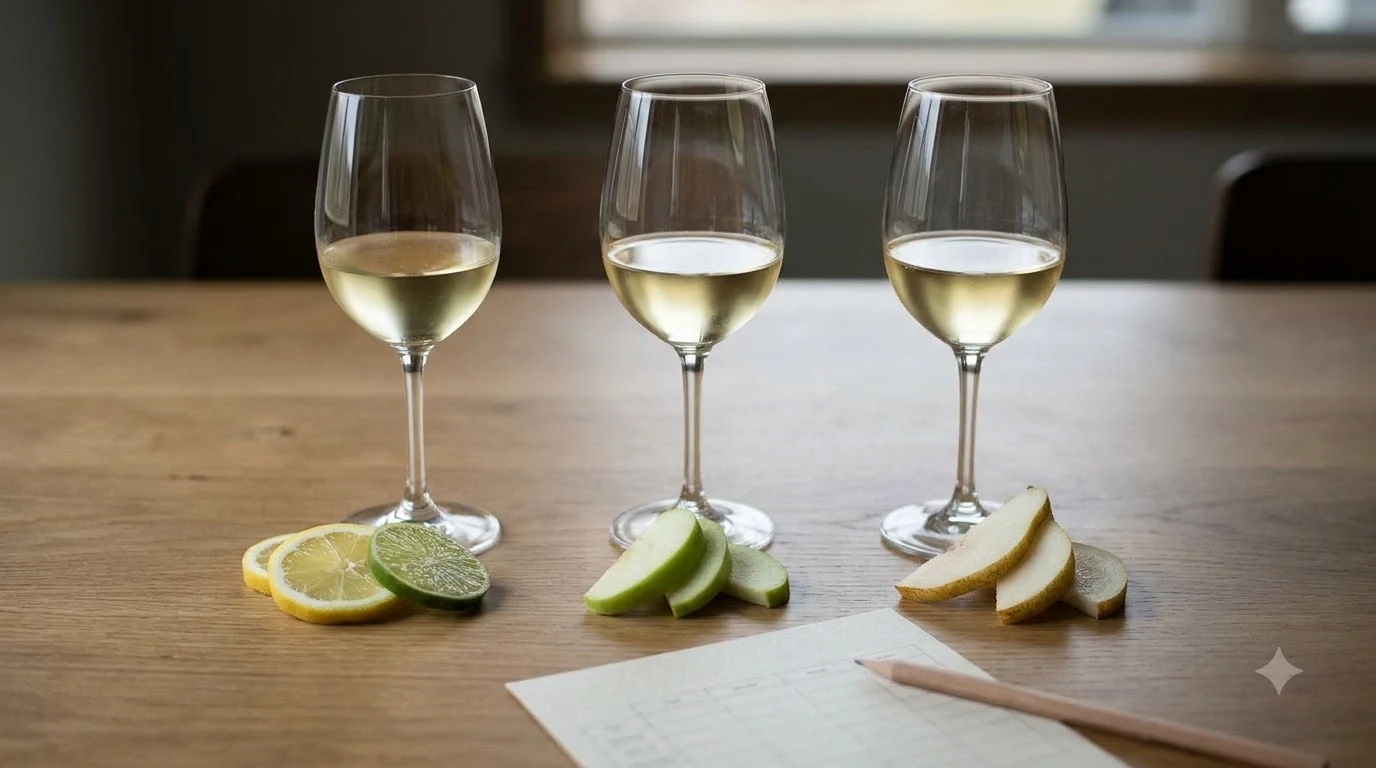
Wine cube white wine is a convenient California-sourced boxed wine available in varieties such as Chardonnay, Pinot Grigio, and Sauvignon Blanc, offering different flavor profiles for casual meals and everyday occasions. The range combines familiar white wine styles with practical packaging, including large 3-liter boxes that hold the equivalent of four standard wine bottles. Sauvignon Blanc typically offers citrus and tropical fruit character, Pinot Grigio favors crisp apple and lemon notes, and Chardonnay provides a rounder profile that can include pear, melon, and buttery flavors. Choosing between them depends on your preferred acidity, body, food pairings, and how much wine you plan to serve.
Boxed wine has become a practical option for households that want an accessible white wine without opening a new glass bottle every time they serve dinner. Wine Cube, part of the Trinchero Family Wine and Spirits portfolio, focuses on familiar grape varieties and packaging suited to casual gatherings, outdoor occasions, and regular meals. Understanding its different styles, alcohol content, serving recommendations, and storage characteristics makes it easier to select the right carton or box for your needs.
What Wine Cube White Wine Offers
Wine Cube white wine brings three familiar grape varieties into a convenient boxed format: Chardonnay, Pinot Grigio, and Sauvignon Blanc. Each variety offers a different balance of fruit, acidity, and texture, so the best choice depends more on your preferred wine style than on the packaging.
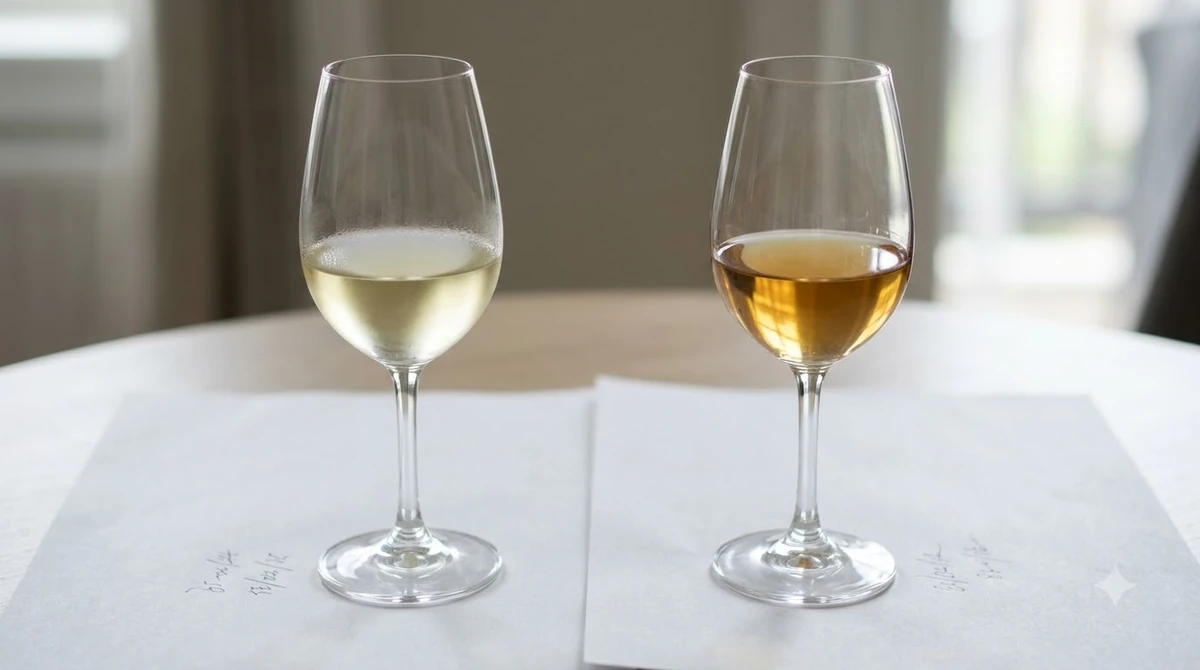
According to Trinchero Family Wine and Spirits, Wine Cube sources its wines from California’s wine-growing regions. The brand emphasizes convenience and everyday enjoyment, with packaging intended for casual occasions and outdoor gatherings. Its official portfolio includes several red and rosé options alongside its white wines, giving shoppers a choice across familiar styles.
The three main white varieties serve different preferences. Sauvignon Blanc is generally the brightest and most refreshing option, with pronounced acidity and citrus or tropical fruit characteristics. Pinot Grigio usually offers a lighter, straightforward profile centered on lemon, apple, and pear. Chardonnay is the alternative for people who prefer a fuller texture and softer fruit character.
The packaging is another important part of the brand’s appeal. Wine Cube is available in large 3-liter boxes, and individual 500-milliliter cartons are also listed for several varieties. The larger format is particularly practical for entertaining because it provides multiple servings without requiring several glass bottles. The smaller carton is more manageable for a limited occasion or a household that does not need four bottles’ worth of wine.
The producer states that one 3-liter package equals four standard 750-milliliter bottles. This gives consumers a straightforward way to compare the quantity with conventional bottled wine. It also makes portion planning easier for a dinner party, picnic, or casual gathering.
Wine Cube should be understood as a collection of individual varietal wines rather than one consistent flavor profile. A shopper who enjoys crisp Sauvignon Blanc may prefer a different bottle or carton than someone who regularly drinks creamy Chardonnay. The grape name is therefore the most useful starting point when choosing a particular Wine Cube product.
For a broader overview of producers, grape varieties, and packaging styles, the Wine Brands resource provides additional context for comparing familiar wine labels.
Chardonnay, Pinot Grigio, and Sauvignon Blanc Compared
Wine Cube’s three white varieties differ in body, acidity, and typical fruit character. Sauvignon Blanc generally suits drinkers who like lively acidity, Pinot Grigio appeals to those who prefer a lighter and cleaner style, and Chardonnay is a useful option for a rounder mouthfeel.
These distinctions reflect the characteristics of the grape varieties, not a guarantee that every wine made from them will taste identical. Winemaking choices, growing conditions, and ripeness influence the finished wine. The following comparison provides a practical starting point for selecting a Wine Cube variety.
| Variety | Typical flavor profile | Body | Acidity | Best suited to |
|---|---|---|---|---|
| Sauvignon Blanc | Lime, citrus, passionfruit, green fruit | Light to medium | High | Seafood, salads, goat cheese |
| Pinot Grigio | Lemon, green apple, pear, peach | Light | High | Grilled fish, shrimp, light pasta |
| Chardonnay | Pear, melon, apple, possible vanilla or butter | Medium | Medium | Creamy pasta, poultry, roasted vegetables |
Sauvignon Blanc is the most suitable starting point for someone who enjoys a refreshing, high-acid white wine. Its familiar flavor associations include lime, grapefruit, passionfruit, and green apple. The Wine Cube product description specifically identifies tropical passionfruit aromas, honeydew melon flavors, and lively lime notes. These characteristics make the variety particularly useful with foods that benefit from freshness and acidity.
Pinot Grigio usually has a lighter, less textured impression than Chardonnay. Common flavors include lemon, lime, green apple, and pear. Wine Enthusiast’s review of the 2018 Wine Cube Pinot Grigio described lemon-lime aromas, green-apple flavors, and crisp acidity. That review received an 86-point rating, providing a historical editorial assessment of that particular vintage rather than a guarantee about every subsequent package.
Chardonnay offers a different experience. Depending on its winemaking approach, Chardonnay can range from crisp and fruit-forward to fuller and more rounded. Unoaked styles commonly show green apple, pear, and lemon, while oak influence can introduce vanilla and richer impressions. Some Chardonnay wines also develop buttery characteristics through malolactic fermentation.
These differences matter when serving several people with different preferences. Someone who normally drinks Sauvignon Blanc might find a softer Chardonnay more substantial, while a Pinot Grigio drinker may appreciate Sauvignon Blanc’s sharper acidity. Comparing the varieties by body and acidity is generally more helpful than assuming that all boxed white wines taste alike.
The grape variety also provides clues about how the wine will work with food. High-acid whites are particularly useful alongside acidic ingredients, seafood, and fresh vegetables. A rounder Chardonnay may be more appropriate for creamy sauces and roasted poultry. For another boxed option, compare these characteristics with the Black Box Pinot Grigio alcohol content discussion.
Flavor Profiles and Alcohol Content
Wine Cube white wines generally provide familiar fruit-forward profiles, with alcohol levels that depend on the particular variety and product. The listed Sauvignon Blanc is 13.5% ABV, while Wine Enthusiast recorded a 2018 Sauvignon Blanc at 13% ABV and its 2018 Pinot Grigio at 13.5% ABV.
Alcohol by volume, commonly abbreviated as ABV, indicates the percentage of a beverage’s volume represented by pure alcohol. A wine listed at 13.5% ABV contains 13.5 milliliters of pure alcohol per 100 milliliters of wine. This measurement is useful when comparing wine styles, especially when different varieties or package formats are being considered.
For the Wine Cube Sauvignon Blanc 3-liter product, Target lists 13.5% ABV. The producer’s product description also identifies the wine as a California Sauvignon Blanc. Its fruit profile includes passionfruit, honeydew melon, and lime, giving drinkers an idea of the style to expect.
Wine Enthusiast’s historical assessment provides another useful reference point. Its 2018 Wine Cube Sauvignon Blanc received 86 points and was listed at 13% ABV. The review mentioned grassy snap-pea aromas and tangy fruit flavors. This is a different vintage and a specific editorial evaluation, so it should not be treated as a definitive description of every currently available box.
The 2018 Pinot Grigio received the same 86-point rating from Wine Enthusiast. Its review highlighted fresh lemon-lime aromas, green-apple flavors, and crisp acidity. The recorded alcohol content was 13.5% ABV. Together, these reviews illustrate the distinction between the two styles: Sauvignon Blanc can emphasize grassy and tropical characteristics, while Pinot Grigio often leans toward citrus and orchard fruit.
How much wine is in each package?
Package size is particularly useful when comparing the large box with a smaller carton. The standard 750-milliliter bottle remains a familiar reference for calculating the number of servings. A 3-liter Wine Cube contains four times that amount, while a 500-milliliter carton offers a more limited quantity.
| Package format | Total volume | 750 ml bottle equivalent | Approximate 5 oz pours |
|---|---|---|---|
| 500 ml carton | 500 ml | 0.67 bottle | 3.4 pours |
| 750 ml bottle | 750 ml | 1 bottle | 5 pours |
| 3-liter Wine Cube | 3,000 ml | 4 bottles | 20 pours |
These serving calculations use approximately 148 milliliters, or 5 fluid ounces, per glass. Actual pours vary depending on the glass and serving preference. A 3-liter box therefore offers approximately 20 conventional servings, making it useful for a gathering where several people will share the same wine.
ABV and package size should be considered together. A larger container does not mean the wine has a higher alcohol concentration. A 3-liter box at 13.5% ABV has the same alcohol percentage as an equivalent wine in a smaller container with the same ABV. The difference is simply the total amount of wine available.
When comparing labels, pay attention to the specific variety and stated ABV rather than assuming that all Wine Cube white wines have an identical alcohol percentage. Different wines can have different alcohol levels, and product information may change between releases.
Food Pairings for Wine Cube White Wine
Wine Cube white wines pair well with many everyday dishes, particularly seafood, poultry, vegetables, and lighter pasta preparations. Sauvignon Blanc is especially useful with fresh and acidic foods, Pinot Grigio works with delicate seafood and simple dishes, and Chardonnay complements richer preparations.
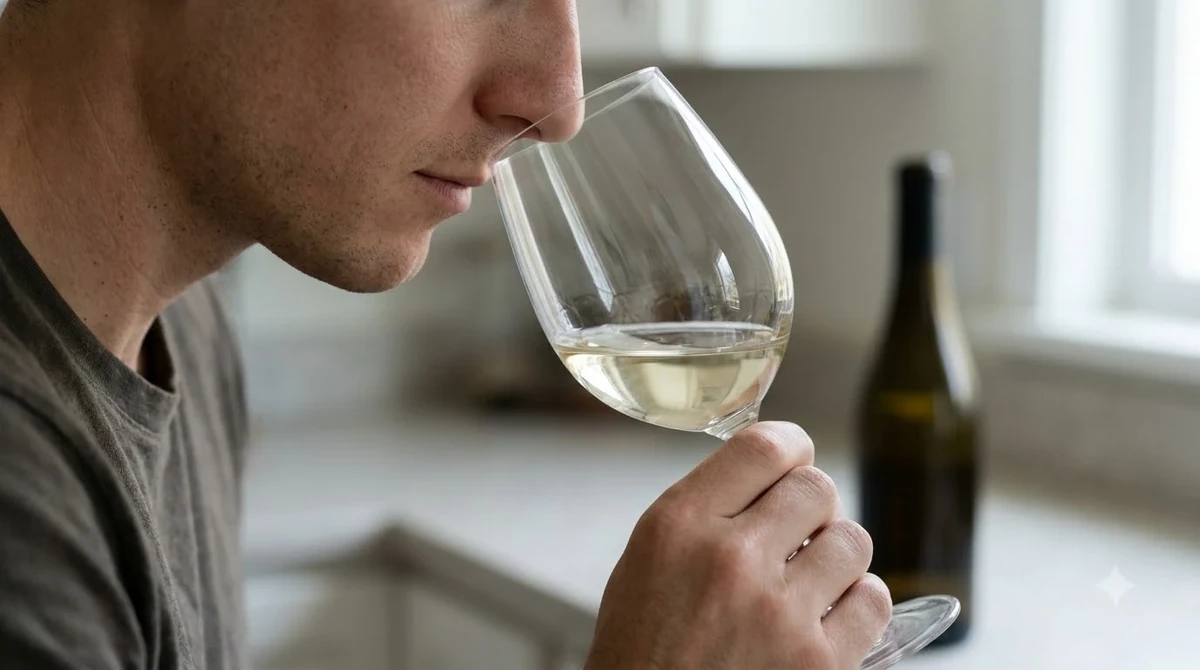
Wine pairing is easiest when acidity, body, sweetness, and food intensity are considered together. A wine with high acidity can refresh the palate after a bite of rich or oily food, while a softer wine may suit a dish with delicate seasoning. The goal is to prevent either the food or the wine from overwhelming the other.
Sauvignon Blanc with seafood and vegetables
Wine Cube Sauvignon Blanc is a natural candidate for fresh oysters, grilled shrimp, and vegetable-based dishes. Its characteristic acidity provides freshness alongside seafood, while citrus and tropical fruit notes can complement lemon-seasoned preparations. Target also identifies oysters, green vegetables, and different cheeses as suggested pairings for its Sauvignon Blanc.
Other useful combinations include goat cheese salads, asparagus, steamed vegetables, and grilled white fish. Fresh herbs, lime, and lemon can reinforce the wine’s bright flavor profile. Sauvignon Blanc also works well with simple seafood pasta, particularly when the sauce is based on olive oil, garlic, and herbs rather than heavy cream.
Pinot Grigio with lighter meals
Pinot Grigio is particularly suitable for grilled shrimp, linguine with clams, fish tacos, and simple vegetable dishes. Its lemon and green-apple characteristics complement delicate ingredients without adding too much weight to the meal. A preparation featuring fresh herbs, light seasoning, and citrus can be a particularly comfortable match.
For a casual lunch, serve Pinot Grigio with a green salad, grilled chicken, or a light seafood sandwich. The wine’s crispness helps keep the pairing refreshing. It can also accompany mild cheeses, although very strong cheeses may overwhelm its relatively delicate fruit character.
Chardonnay with richer dishes
Chardonnay is often the more suitable choice for creamy pasta, roasted chicken, baked fish, and dishes containing butter or mushrooms. Its medium body gives it more presence than many light-bodied white wines. A richer Chardonnay profile can work especially well with food that has a creamy or lightly browned preparation.
Consider pairing Chardonnay with chicken in a cream sauce, mushroom risotto, roasted cauliflower, or pasta with a mild cheese sauce. The exact pairing depends on the wine’s texture. A fresher, unoaked Chardonnay may work better with lemon-seasoned fish, while a fuller, oak-influenced style can complement roasted poultry and richer sauces.
Pairing principles to remember
Acidity is one of the most important factors in white wine pairing. Acidic dishes, including salads with vinaigrette, citrus-marinated seafood, and tomato-based preparations, need a wine with equal or higher acidity. Otherwise, the wine can seem flat after a bite of food.
Salt and fat can soften the perception of tannin, which is particularly relevant when comparing white wines with red wines. White wines such as Sauvignon Blanc and Pinot Grigio generally have little tannin compared with Cabernet Sauvignon or Syrah. This makes them useful with many seafood dishes, although preparation and sauce still matter.
Spicy foods require a little more attention. Alcohol and tannin can intensify the sensation of chili heat, so a high-alcohol wine may not be the most comfortable match for a heavily spiced dish. A cooler-serving, refreshing white wine can work better than a powerful red, especially with mildly spicy seafood or vegetable preparations.
Tip: Match the wine’s intensity to the dish. Choose Sauvignon Blanc for lemon-seasoned shrimp, Pinot Grigio for delicate fish tacos, and Chardonnay for creamy chicken pasta. If the dish contains substantial vinegar or citrus, select a wine with enough acidity to remain refreshing.
Serving Temperature and Practical Storage
White wine is generally more enjoyable when served chilled, but excessive cold can hide its aromas and flavors. Wine Cube Sauvignon Blanc and Pinot Grigio benefit from a cool serving temperature, while Chardonnay usually shows more character when served slightly warmer.
For light-bodied white wines, a temperature of 45–50 degrees Fahrenheit is a useful target. This range suits many crisp Sauvignon Blanc and Pinot Grigio styles. Full-bodied white wines generally show better at 50–55 degrees Fahrenheit, allowing richer textures and more developed aromas to become apparent.
Chilling the wine in a refrigerator before serving is a simple method. If the box has been stored at room temperature, allow enough time for the wine to cool properly. A few minutes in an ice bucket can help bring the wine down to serving temperature when guests are already arriving.
Temperature also affects how the wine feels on the palate. A very cold Sauvignon Blanc may initially seem less aromatic, while a Pinot Grigio served too warm can feel less refreshing. Chardonnay served directly from an extremely cold refrigerator may not show its full fruit character immediately.
Storage before opening
Wine Cube’s packaging makes storage relatively straightforward. Keep the unopened box in a cool location away from direct sunlight, heat sources, and large temperature changes. Excessive warmth can negatively affect wine quality, even when the packaging is convenient.
A storage temperature near 55 degrees Fahrenheit is a useful general reference for wine. Unlike conventional bottles, boxed wine does not need to be positioned horizontally to keep a cork moist because it uses a different dispensing system. This makes it easier to store in a pantry or refrigerator, provided there is sufficient space and the environment remains cool.
Storage after opening
The producer states that an opened Wine Cube box can remain fresh for up to four weeks. This extended freshness is one of the practical advantages of the format. The dispensing system limits the amount of air entering the package as wine is poured, helping slow oxidation compared with a conventional bottle that has a large air space above the remaining wine.
For the best results, keep the opened box refrigerated, especially with white wine. Cold storage helps preserve its fresh fruit character. Keep the dispensing tap clean and close it securely after each use to reduce the chance of leaks or contamination.
Although the producer gives a freshness period of up to four weeks, storage conditions still matter. Temperature fluctuations, improper handling, and the amount of time the wine has been open can affect its character. If the wine develops noticeably dull fruit, an unusual smell, or an unpleasant taste, its quality may have declined.
For comparison, conventional opened still wines are generally best consumed within three to five days when refrigerated, while sparkling wines often last one to three days. Fortified wines may remain suitable for several weeks, depending on style and storage. Boxed wine has a different dispensing and storage system, which accounts for its longer stated freshness period.
How Wine Cube Compares With Other Boxed Wines
Wine Cube belongs to a larger category of boxed wines that includes familiar varieties such as Chardonnay, Pinot Grigio, Sauvignon Blanc, and red blends. Its main practical distinction is the combination of California-sourced wines, multiple varietal choices, and packaging designed for convenient everyday serving.
Comparing boxed wines requires more than looking at the brand name. The grape variety, alcohol level, packaging size, and flavor profile all influence whether a particular product suits a household. Two boxes labeled Sauvignon Blanc may have different levels of acidity, fruit intensity, and body even if they come from the same growing region.
Wine Cube’s 3-liter format is equivalent to four standard 750-milliliter bottles. This makes it a convenient option for occasions when a single bottle would not provide enough servings. The smaller 500-milliliter carton provides an alternative for people who want less wine available at one time.
For shoppers comparing red and white styles from the same brand, Wine Cube red wine offers a useful point of comparison. The white varieties are generally more suitable for seafood, vegetables, and lighter dishes, while the red options can accompany different foods according to their tannin, acidity, and body.
Another comparison worth making involves producers and wine portfolios. Baron Philippe de Rothschild wine represents a different wine-brand context, with a range of wines associated with a well-known French wine name. Comparing producers can help shoppers understand how wine brands differ in regional identity, grape selection, production approach, and intended drinking occasion.
It is also important to distinguish between packaging convenience and wine style. Boxed wine is not automatically sweeter, lower in alcohol, or less versatile than bottled wine. Those characteristics depend on the wine itself. A dry Sauvignon Blanc remains a dry Sauvignon Blanc whether it is dispensed from a box or poured from a traditional glass bottle.
Wine Cube is best evaluated on its own terms: accessible varietal choices, practical package sizes, and a freshness period designed for regular use. Consumers who prioritize long-term bottle aging or collectible wine may prefer a different category, but casual drinkers who want a readily available white wine may appreciate the convenience.
Choosing the Right Wine Cube White Wine
The right Wine Cube variety depends on your preferred taste, usual meals, and serving habits. Sauvignon Blanc is a good first choice for bright acidity, Pinot Grigio suits lighter everyday drinking, and Chardonnay works well when a fuller white wine is preferred.
Start by thinking about the foods you serve most often. If seafood, green vegetables, and citrus-based salads are regular parts of your meals, Sauvignon Blanc is a practical option. Its acidity helps balance these dishes, and its fruit character can complement herbs and fresh ingredients.
If you prefer simple, uncomplicated white wine, Pinot Grigio is a useful alternative. Its characteristic lemon, apple, and pear notes make it suitable for light lunches, seafood, and casual dinners. It is also a sensible choice for people who enjoy crisp wines without the stronger grassy or tropical impressions often associated with Sauvignon Blanc.
Chardonnay is worth considering if your usual meals include roasted chicken, creamy pasta, mushrooms, and buttery sauces. Its medium acidity and potentially fuller texture can provide a better match for richer dishes. People who prefer a fresher style should look for a less oak-influenced Chardonnay, while drinkers who enjoy vanilla and buttery impressions may prefer a richer expression.
Choosing between the 3-liter and 500-milliliter formats
Package size should reflect how frequently the wine will be served. The 3-liter box is particularly practical for households that regularly drink the same variety or entertain guests. With approximately 20 standard 5-ounce servings, it can accommodate several meals or a gathering without the need to open multiple bottles.
The 500-milliliter carton is more appropriate when only a few servings are needed. It is easier to transport and can suit a picnic, small meal, or limited occasion. Because the larger package offers substantially more wine, it makes sense to consider expected consumption before selecting a format.
Another factor is refrigerator space. A large box requires a suitable place for upright storage and convenient access to its dispensing tap. A smaller carton is easier to fit into a crowded refrigerator, although the exact dimensions vary by product and packaging design.
Understanding the label
Look for the grape variety, ABV, package volume, and stated origin when comparing different Wine Cube products. These details provide more useful information than a general description of the brand. The grape variety tells you the broad wine style, ABV identifies alcohol concentration, and package volume shows how much wine is included.
California is identified as the region for the Wine Cube Sauvignon Blanc discussed in this article. Its listed 13.5% ABV provides a concrete example of the alcohol content associated with that particular product. Other varieties and releases may differ, so compare their individual product information rather than assuming every white wine has the same specifications.
Wine Cube can be a sensible option for people who want familiar white wine varieties in convenient packaging. Its three principal styles cover a useful range of preferences, from crisp and high-acid to softer and fuller-bodied. Choosing according to grape variety, meal, serving temperature, and package size is the most reliable way to find the right option.
Frequently Asked Questions
Who makes Wine Cube white wine?
Wine Cube is part of the Trinchero Family Wine and Spirits portfolio. The parent company is headquartered in St. Helena, California. Its wider portfolio includes several wine brands and tasting-room properties, making Wine Cube one part of a larger wine business.
Does Wine Cube make sparkling white wine?
Wine Cube has also appeared in sparkling wine product listings under the Winecube Bubbles name. California sparkling white and rosé formats have been listed in four-can or small-container configurations. These sparkling products are separate from the standard still Chardonnay, Pinot Grigio, and Sauvignon Blanc varieties.
Does Wine Cube white wine contain sulfites?
The listed Wine Cube Sauvignon Blanc carries a sulfites declaration. Sulfites are naturally produced during fermentation, and winemakers may also use sulfur dioxide during production to help protect wine from oxidation and unwanted microbial activity. Sulfite declarations are common on wine packaging in the United States.
Can Wine Cube white wine be used in cooking?
Yes. Dry white wine can be used in dishes such as risotto, seafood sauces, chicken preparations, and pan sauces. Sauvignon Blanc works particularly well in preparations featuring lemon and herbs, while Chardonnay can suit cream-based sauces. Use a wine whose flavor you enjoy drinking, since cooking does not automatically remove every flavor characteristic.
Is Pinot Gris different from Pinot Grigio?
Pinot Gris and Pinot Grigio are two names for the same grape variety. The names are commonly associated with different regional traditions and stylistic expectations rather than two unrelated grapes. Pinot Grigio is often associated with crisp Italian white wines, while Pinot Gris from Alsace can range from dry to noticeably sweeter expressions.
Wine Cube white wine offers three familiar styles that make it relatively straightforward to choose a boxed white wine for different meals and occasions. Sauvignon Blanc, Pinot Grigio, and Chardonnay each bring distinct acidity, fruit character, and body, while the 3-liter format provides a convenient alternative to multiple glass bottles. Start with the grape variety that best matches your food and taste preferences, then select the package size that fits your serving needs.
More in Wine Brands
 Louis Latour Wine Price: Compare Bottles by Style and TierUpdated Nov 20, 2026
 Yellow Tail Moscato Price: What to Expect Before You BuyUpdated Nov 20, 2026
 Sutter Home Sweet Red Review: Find the Right Food PairingsUpdated Nov 20, 2026
 Franzia Chillable Red Review: Find the Right Serving StyleUpdated Nov 20, 2026
 Veuve Clicquot Rose Review: Flavor, Food Pairings and Buying AdviceUpdated Nov 20, 2026
 Rombauer Wine Price: Compare Bottles Before You BuyUpdated Nov 20, 2026