


We may earn a commission when you buy through links on this page, at no extra cost to you. Learn more.
Can wine make you sick? Yes—wine can cause symptoms through alcohol itself, a sensitivity to compounds such as sulfites or histamine, or, less commonly, an allergy to an ingredient. A headache or nausea after several glasses is different from hives, wheezing, or throat swelling soon after a sip. The timing, symptoms, amount consumed, and whether other alcoholic drinks cause the same reaction all help distinguish the possibilities.
Wine is a fermented drink, not a single chemical. Along with water and ethanol, it contains grape compounds, fermentation by-products, and sometimes ingredients used during production. That mix explains why two people can drink the same bottle and feel very different afterward—and why the familiar claim that every wine headache comes from sulfites is too simple.
Why Wine Can Cause Symptoms
Wine can make someone feel unwell for several different reasons, and alcohol is the most common one to consider first. A reaction may reflect the amount of ethanol consumed, an individual difficulty processing alcohol, a sensitivity to a wine component, or a true allergy to an ingredient.
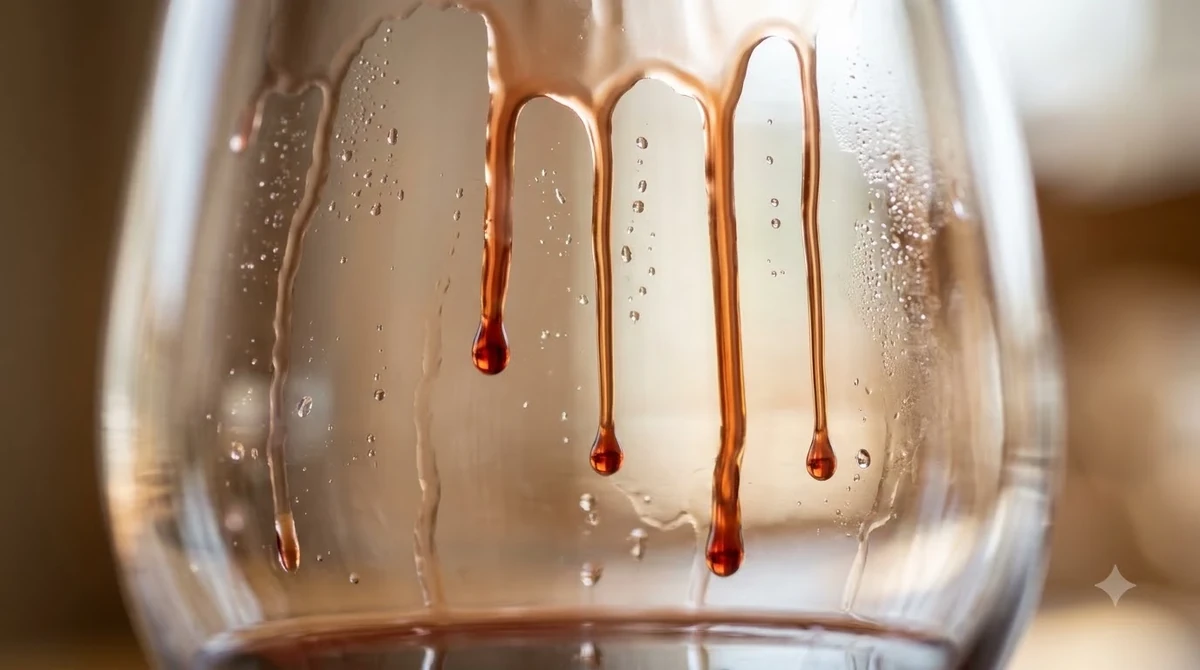
Alcohol affects the body regardless of whether it comes from Cabernet Sauvignon, Chardonnay, or sparkling wine. Drinking more than the body can comfortably process can bring on nausea, vomiting, dizziness, poor coordination, headache, and disrupted sleep. The wine’s sweetness, color, price, and reputation do not cancel out its alcohol content; a generous glass can also contain more wine than a measured serving.
Some reactions appear quickly, while others develop later. Facial flushing, a stuffy nose, or a racing heartbeat soon after drinking may point toward alcohol intolerance or another immediate reaction. A headache and queasy stomach the next morning are more consistent with a hangover, although symptoms alone cannot confirm the cause. Hives, swelling, or breathing symptoms deserve a different level of attention because they can signal an allergic reaction.
It also matters whether the same symptoms occur with beer, spirits, or alcohol-containing foods, or only with a certain wine. A reaction to every alcoholic drink suggests that ethanol or alcohol metabolism may be involved; a reaction limited to one type of wine may point toward an ingredient or compound that varies by style or producer. That pattern is useful information to share with a healthcare professional, not a reason to test the reaction repeatedly.
Alcohol Intolerance and Hangovers
Alcohol itself can cause illness even when a wine is sound and no allergy is present. Two common explanations are a hangover after drinking more alcohol than the body can handle and alcohol intolerance, in which the body does not break down alcohol efficiently.
A hangover often develops as blood alcohol levels fall and can include headache, thirst, fatigue, nausea, stomach discomfort, sensitivity to light, and poor concentration. The amount consumed, drinking speed, sleep disruption, food intake, and individual biology all influence the experience. A 5-ounce pour is a useful reference point, but restaurant pours and home glasses can be much larger; a 750-milliliter bottle holds roughly five 5-ounce pours, not one or two.
Alcohol intolerance is different from a hangover. Mayo Clinic explains that an inherited reduction in the activity of aldehyde dehydrogenase can allow acetaldehyde, a by-product of alcohol metabolism, to build up. The result may include facial flushing, a warm or red face and neck, nasal congestion, nausea, vomiting, headache, or a fast heartbeat soon after drinking. The reaction can occur after a relatively small amount and is not evidence that the wine is poor quality.
Some medicines can also interact with alcohol, and alcohol may worsen symptoms from an existing condition. Do not assume that switching from red wine to white wine solves a reaction that happens with beer or spirits too. For an accessible explanation of the difference between intolerance and allergy, see the Mayo Clinic overview of alcohol intolerance. Anyone who experiences recurring or new reactions should discuss the pattern and any medicines they use with a qualified clinician.
Sulfites, Histamine, and Other Wine Compounds
Wine contains compounds that can bother some people, but “sulfite sensitivity” is not a reliable explanation for every headache or upset stomach. Sulfites help protect wine from oxidation and unwanted microbial growth, while histamine and other fermentation-related compounds may also contribute to symptoms in susceptible individuals.
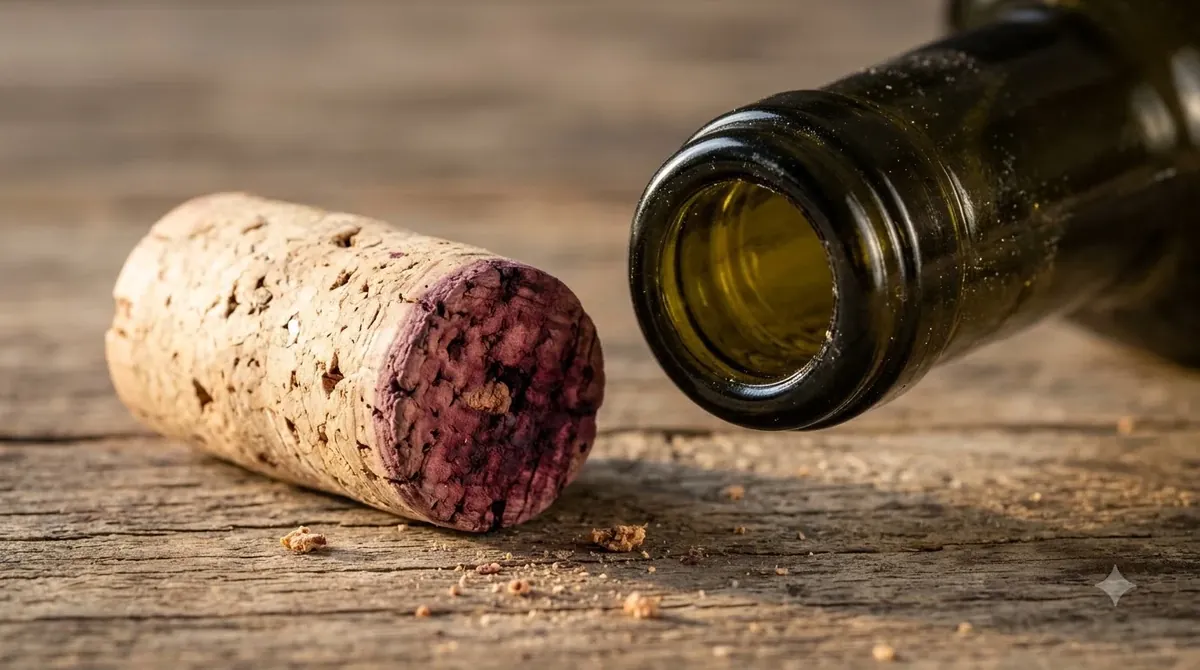
Sulfites occur naturally during fermentation, and winemakers may add sulfur dioxide to protect a wine. The words “contains sulfites” do not mean that a bottle has an unusually high amount: Wine Enthusiast notes that U.S. bottles must carry the statement when sulfites reach 10 parts per million. Sulfites are also present in foods such as dried fruit, pickled products, and some processed foods, so the label alone cannot establish what caused a reaction.
People with asthma are more likely than the general population to experience sulfite-related symptoms. Cleveland Clinic lists wheezing, shortness of breath, chest tightness, coughing, sneezing, nasal symptoms, and hives among possible reactions; severe reactions are rare but can include anaphylaxis. Sulfite sensitivity is not the same thing as an allergy to sulfa antibiotics, and the terms sulfur, sulfates, and sulfites should not be treated as interchangeable.
Histamine and other biogenic amines form during fermentation and can be present in wine at varying levels. A scientific review of wine reactions describes histamine and other amines, ethanol and its metabolites, sulfites, and grape-derived phenolic compounds among possible contributors to intolerance-type reactions. Some people report more symptoms with red wine, but the amount and mix of compounds vary; wine color alone cannot identify the trigger. Evidence connecting sulfites specifically to ordinary wine headaches is weak, and Decanter’s discussion of the headache myth points to other possible contributors, including phenolic compounds and alcohol metabolism.
| Reference point | Number | Why it matters |
|---|---|---|
| Typical wine pour | 5 fluid ounces | A practical serving reference; an actual glass may hold considerably more. |
| Standard wine bottle | 750 milliliters | Provides about five 5-ounce pours. |
| U.S. sulfite statement threshold described by Wine Enthusiast | 10 parts per million | The label statement is triggered at this level; it is not a diagnosis of sensitivity. |
Tip: Keep a simple record of the wine style and producer, approximate pour size, time symptoms began, foods eaten, and any medicines involved. That pattern is more useful to a clinician than relying on the color of the wine alone.
The comparison is useful because people often blame a visible label statement without considering the serving size or the rest of the meal. If a reaction repeatedly follows one wine, write down the style, producer, amount, timing, foods eaten, and symptoms. Do not deliberately drink more of a wine to see whether the reaction returns.
True Wine Allergies and Ingredient Reactions
A true allergy to wine is less common than an intolerance, but it can happen. The immune system may react to grape proteins or to an ingredient used in winemaking, and alcohol can sometimes make an existing allergic response more likely or more severe.
Potential allergens described in the medical review include grape proteins and certain fining agents used to clarify wine, such as egg white, milk-derived casein, or fish-derived isinglass. These substances are not present in every wine, and production practices differ. A person with a known food allergy should not assume that every wine is made with the same processing aids or that a wine’s color identifies the ingredients.
Symptoms that raise more concern for allergy include itchy raised hives, swelling of the lips or face, throat tightness, wheezing, or repeated vomiting soon after exposure. A true allergic reaction may involve more than one body system. By contrast, flushing and a stuffy nose alone can occur with alcohol intolerance or non-allergic sensitivity; a clinician or allergist can help distinguish the possibilities rather than relying on internet symptom lists.
For people who react to only one bottle or producer, the trigger might also be something served alongside the wine: cheese, shellfish, nuts, cured meats, or a sauce can contain allergens or preservatives. Alcohol may act as a co-factor and make a food reaction more noticeable. Consider the whole meal and timing when describing an episode, and avoid the suspected wine and food until the cause has been assessed.
Can Spoiled or Poorly Stored Wine Make You Sick?
A bottle can become unpleasant or faulty through oxidation, heat exposure, or unwanted microbial activity, but an off smell does not by itself prove that the wine contains a disease-causing organism. The practical approach is to recognize obvious faults, avoid drinking a suspect bottle, and remember that illness after a meal may have another source.
Wine is protected by its acidity, alcohol, and often sulfur dioxide, but those features are not a guarantee that every bottle remains sound forever. Wine Enthusiast describes how certain bacteria can push wine toward vinegar or nail-polish-remover aromas, and how winemakers use sulfites to limit oxidation and bacterial growth. A wine that smells sharply of vinegar, solvent, or spoiled fruit, or tastes markedly abnormal, should be set aside rather than forced down.
Heat and oxygen usually show up as quality problems: fruit aromas fade, colors can shift, and the wine may taste flat, bruised, or cooked. A leaking cork, pushed-up cork, damaged closure, or unexpected fizz in a still wine is another reason not to serve the bottle. These signs are not a home test for food poisoning, and a normal smell does not prove a bottle is safe if the packaging or storage history is questionable.
Keep opened bottles closed and refrigerated, and use clean glassware. Storing a bottle upright does not remove allergens or make an unsuitable wine safe; the practical storage details are covered in whether you can store wine upright. Likewise, a freezer is a chilling method, not a way to sterilize wine or remove sulfites, so read about whether you can store wine in the freezer before using it for longer-term storage. When several people become ill after the same meal, do not assume the wine was responsible: food, ice, mixers, glassware, and food-handling conditions may also be involved. Save the bottle and its label if a product appears defective, note when it was opened and how it was stored, and contact the retailer or producer rather than serving it to someone else.
When Symptoms Need Medical Attention
The severity and speed of a reaction matter more than the wine’s color or style. Mild, short-lived discomfort should be treated differently from breathing problems, throat swelling, faintness, or rapidly spreading hives.
Stop drinking the suspected wine if symptoms begin. Avoid another pour to “confirm” the reaction, especially if the first episode involved rash, swelling, wheezing, or vomiting. If symptoms recur, appear after a small amount, or seem linked to a medicine, asthma, or a food allergy, arrange a discussion with a healthcare professional. A clinician may ask whether the same thing happens with other alcoholic drinks, how soon the symptoms start, and what foods or medicines were involved; a clear record of the wine, amount, timing, and symptoms can make that conversation more useful. There is no single home test that can reliably identify every wine trigger, so avoid experimenting with “low-sulfite,” organic, or natural wines as though those labels guarantee a reaction-free bottle.
Call emergency services immediately for signs of a severe allergic reaction, including difficulty breathing or swallowing, swelling of the tongue or throat, severe wheezing, fainting, or marked dizziness. Cleveland Clinic’s sulfite-sensitivity guidance identifies these as emergency warning signs; anaphylaxis can progress quickly. Do not wait to see whether the symptoms pass, and follow an existing emergency action plan if one has been prescribed.
Seek medical care for severe or persistent vomiting, severe abdominal pain, confusion, or symptoms that are out of proportion to the amount consumed. A person who is difficult to wake, has slow or irregular breathing, or cannot stay conscious after drinking may have alcohol poisoning, which is an emergency. Do not leave an impaired person alone or assume that sleep will make the situation safe.
Frequently Asked Questions
These quick answers address common uncertainties that can remain even after the likely cause has been narrowed down. They do not replace an assessment of a serious or recurring reaction.
Can one glass of wine make you sick?
Yes. A person with alcohol intolerance or a sensitivity to a particular ingredient may notice symptoms after a small serving. A 5-ounce serving of wine at 12% alcohol by volume is the U.S. standard-drink reference, but the same volume of a stronger wine contains more alcohol.
Can wine cause symptoms even if it is labeled organic?
Yes. Organic certification concerns how grapes are grown and which production inputs are permitted; it does not mean the wine contains no alcohol, histamine, or naturally occurring sulfites. Organic status is not an allergy or intolerance guarantee.
Does decanting wine remove sulfites or histamine?
No. Decanting mainly exposes wine to air and can separate sediment; it is not a validated method for removing sulfites, histamine, or allergens. It does not chemically neutralize dissolved compounds, so a wine may smell more open after aeration without becoming safer for someone who reacts to it.
Can red wine cause a reaction when white wine does not?
It can. During red-wine production, juice commonly ferments with grape skins, which contributes color and tannin; many white wines have less skin contact. That difference can affect the compounds in the finished wine, but it cannot establish histamine sensitivity or rule out alcohol as the cause.
Can wine interact with prescription or over-the-counter medicine?
Yes. Alcohol can interact with some medicines, including sedatives, certain sleep medicines, and some medications that cause drowsiness. The exact interaction depends on the product and dose, so consult the medicine label or a pharmacist rather than assuming a small pour is compatible.
Wine can cause anything from a routine hangover to a significant intolerance or allergic reaction, and those situations should not be lumped together. Pay attention to timing and symptoms, avoid a bottle that appears faulty, and seek urgent help for breathing trouble, throat swelling, or fainting. For broader serving and storage answers, browse the site’s Wine Q&A.
More in Wine Basics
 Which Rose Is Best for Your Taste, Budget, and Food PairingsUpdated Nov 21, 2026
 Is Cheap Wine Bad? How to Find Bottles Worth DrinkingUpdated Nov 21, 2026
 What To Write On A Wine Gift Tag: Thoughtful Messages For Every OccasionUpdated Nov 21, 2026
 Which Wine Is Best For Weight Loss? Compare Lower-Calorie ChoicesUpdated Nov 21, 2026
 What Is The Best Wine For Mimosas? Choose Bubbly That Balances Orange JuiceUpdated Nov 20, 2026
 Which Prosecco Is Best for Your Taste and OccasionUpdated Nov 20, 2026