

We may earn a commission when you buy through links on this page, at no extra cost to you. Learn more.
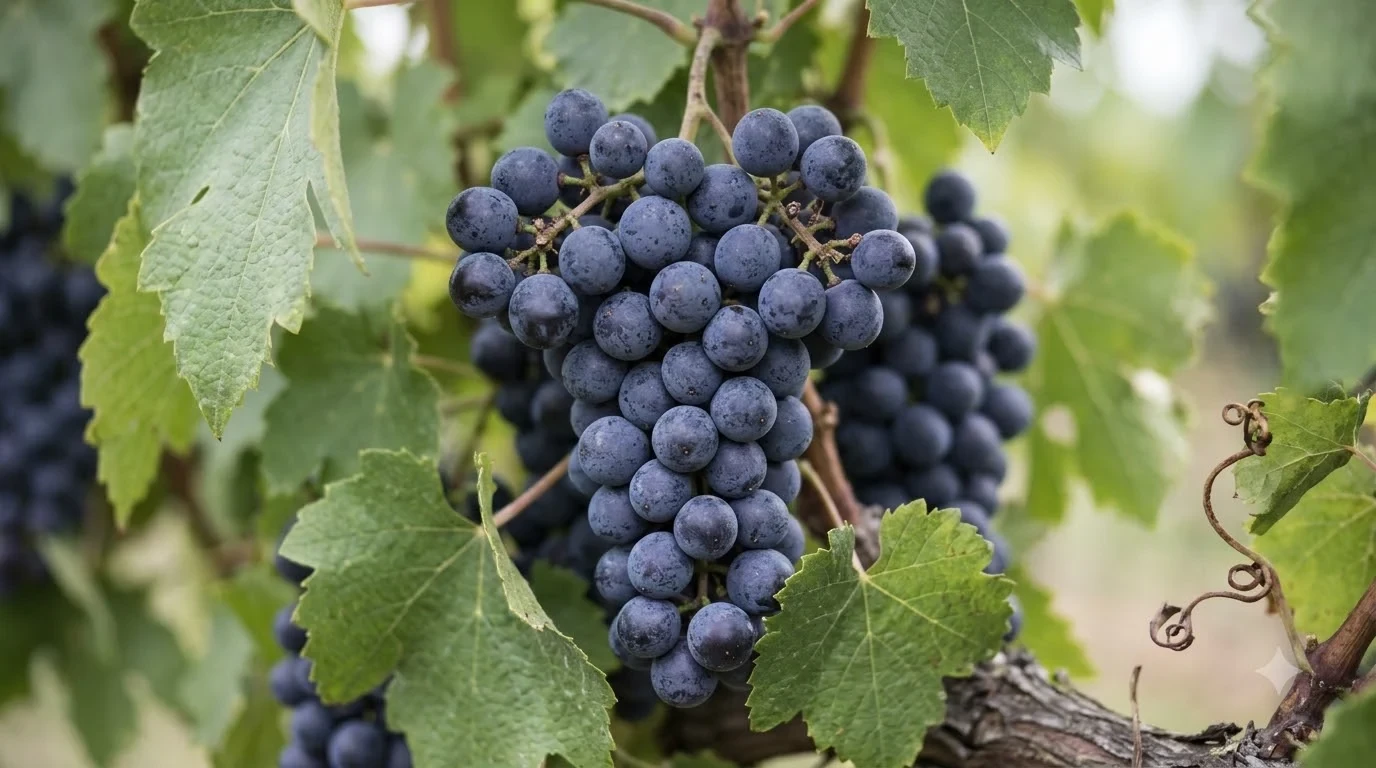
Muscadine color ranges from light bronze and pink to deep purple and nearly black, depending on the grape variety. These distinctive colors come primarily from differences in pigments within the grape skin, not from different species of grapes. Although the exterior can look dramatically different between cultivars, the flesh inside muscadines is generally clear and translucent. Understanding these color differences makes it easier to recognize varieties, identify traditional Scuppernong grapes, and understand the appearance of muscadine wines.
Muscadines are distinctive American grapes with a long history in the southeastern United States. Unlike the familiar bunch grapes used in many European wines, they have thick skins, relatively large berries, and a recognizable combination of sweet pulp and tart skin. Their color is one of their most noticeable characteristics, but it also provides useful clues about cultivar selection and winemaking. From golden-bronze Scuppernongs to dark purple Noble grapes, the range is broader than many people expect.
The Natural Color Range of Muscadine Grapes
Muscadine grapes occur in several recognizable colors, including bronze, pink, red, purple, and black. These shades reflect the characteristics of individual cultivars, with bronze and dark-fruited varieties representing two particularly familiar groups.
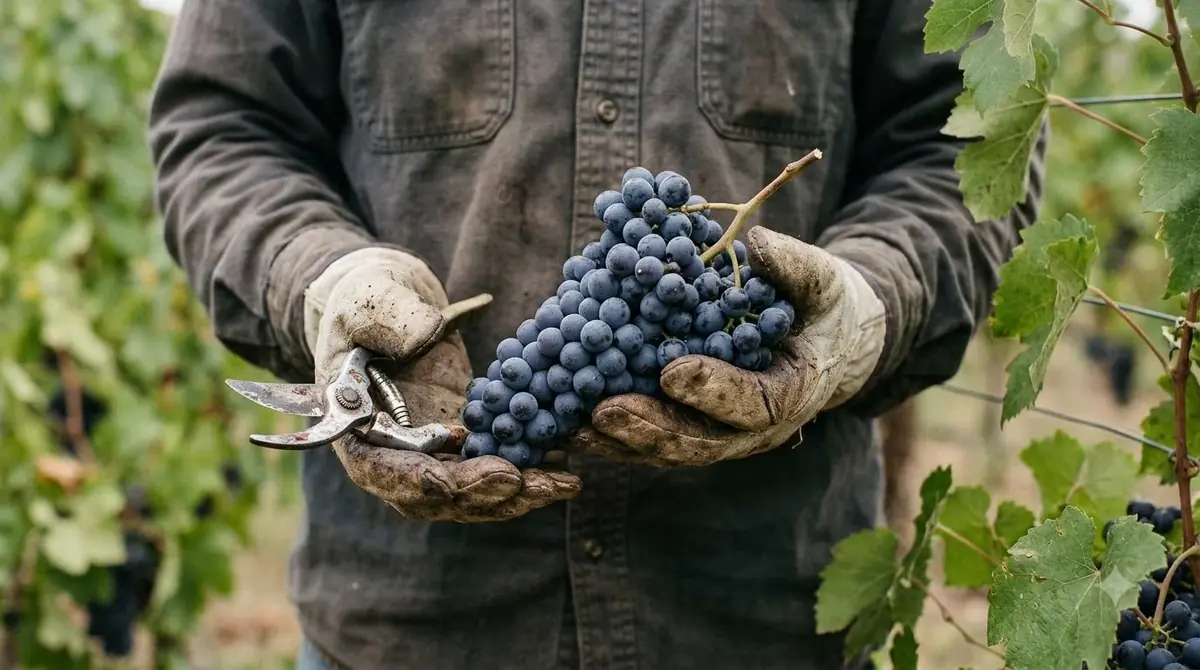
According to the University of Florida Institute of Food and Agricultural Sciences (UF/IFAS), muscadine skin colors range from light bronze to pink, purple, and black. The color differences are primarily associated with the grape’s skin pigments. Bronze varieties generally have a greenish-gold or yellowish appearance, while dark varieties can develop rich purple or nearly black skins.
Pink and red muscadines occupy an interesting position between these familiar categories. They can show shades ranging from pale pink to reddish-purple, depending on their cultivar and growing characteristics. These colors are less commonly associated with traditional muscadines than bronze and black, but they are part of the broader diversity of cultivated varieties.
It is important to distinguish the color of the skin from the color of the pulp. Muscadines generally have clear, translucent flesh regardless of whether the exterior is bronze, pink, purple, or black. A dark-skinned grape therefore does not necessarily have dark-colored flesh. This is one of the easiest ways to recognize the unusual appearance of a muscadine when compared with many familiar table grapes.
The berries themselves can also differ substantially in size. UF/IFAS reports diameters ranging from approximately 1/4 inch to 1 1/2 inches among improved cultivars. Consequently, color alone does not identify every variety. Berry size, skin thickness, flavor, ripening period, and the cultivar’s intended use also provide useful identification clues.
Color should be considered a natural characteristic rather than a simple measure of sweetness or ripeness. A bronze grape is not automatically sweeter than a black grape, and a nearly black appearance does not guarantee that a berry is ready to harvest. Individual cultivars have their own characteristics, and ripeness is best evaluated using the fruit’s overall development.
Bronze Muscadines and the Scuppernong Connection
Bronze muscadines are among the most recognizable varieties in Southern grape-growing traditions. Their greenish-gold to yellow-bronze skins distinguish them visually from darker muscadines, while the name Scuppernong has an important historical connection to this color group.
Bronze muscadines can appear pale green, golden, yellowish, or distinctly bronze when ripe. Some berries also develop small darker speckles across the skin. The appearance varies between cultivars, so two bronze varieties do not necessarily have identical shades or surface characteristics.
The term Scuppernong is frequently used informally for bronze muscadines, but the distinction is important. Scuppernong is the name of a particular historic cultivar, not the botanical name for every bronze muscadine. Clemson Extension explains that the name became widely associated with bronze-colored grapes over time, contributing to the confusion between the specific cultivar and the broader color category.
The original Scuppernong is associated with a historic vine on Roanoke Island in North Carolina. Its name comes from the Scuppernong River, where the ancestors of the original vine were found in significant quantities. This history makes the variety particularly important in the traditional grape-growing culture of the Carolinas.
Other bronze cultivars have different characteristics and uses. ‘Carlos’, for example, is widely used for wine and juice production, while ‘Fry’ is known for its large bronze berries and fresh-market qualities. ‘Summit’, ‘Tara’, and ‘Triumph’ are additional bronze varieties that illustrate the diversity within this group.
Bronze muscadines are not simply immature black grapes. Their color is an inherited characteristic of the variety. A ripe bronze muscadine should therefore retain its characteristic golden or greenish-bronze appearance rather than turning purple as it matures.
For wine drinkers, the distinction is especially useful because bronze varieties can contribute to wines that are not necessarily red or dark in appearance. The color of the grape skin is only one factor in determining the eventual wine style. Winemaking decisions, including skin contact and processing methods, also matter.
Purple and Black Muscadine Varieties
Purple and black muscadines form the other major visual category. Their skins contain dark pigments that produce shades ranging from reddish-purple to deep violet and almost black.
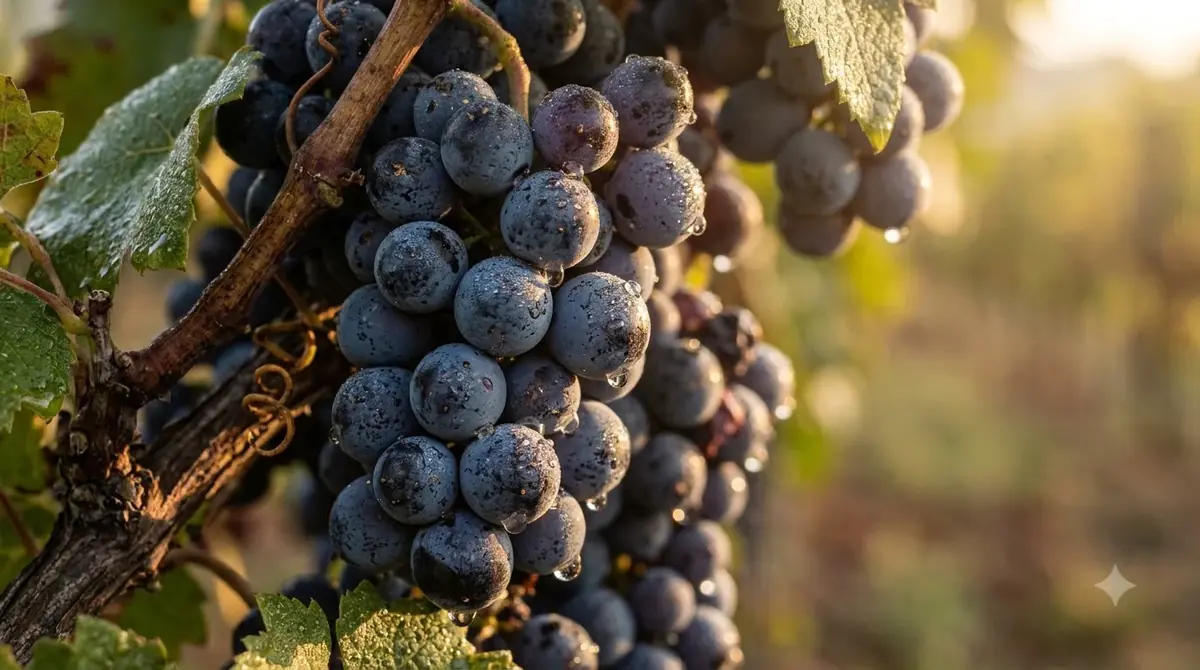
Clemson Extension notes that most wild muscadines produce dark purple or black fruit. Some cultivated varieties have especially intense coloring, making them easy to distinguish from bronze-fruited selections. The exterior may look almost completely black in shaded conditions, although closer inspection can reveal purple, red, or blue-toned undertones.
Several named cultivars demonstrate the diversity of dark muscadines. ‘Noble’ is an important wine and juice grape with dark fruit. ‘Black Beauty’ produces attractive, very large black berries, while ‘Black Fry’ is another dark-fruited variety grown for fresh consumption. ‘Supreme’ is known for its very large, very sweet dark purple berries.
‘Polyanna’ is another interesting example. UF/IFAS describes it as a self-fertile cultivar that produces medium-to-large dark purple grapes with very sweet berry flavor. These characteristics make it useful for understanding how dark color can occur in cultivars selected for different growing and eating qualities.
The intensity of a muscadine’s skin color is associated with its pigment composition. Dark varieties contain anthocyanins, which are naturally occurring pigments responsible for many red, purple, and blue colors in fruit. Their concentration and distribution contribute to the visual difference between bronze and dark-skinned varieties.
Dark muscadines also have thick skins, an important characteristic in both fresh-fruit consumption and wine production. The skins contribute much of the fruit’s color and contain a range of polyphenolic compounds. When grapes are processed for wine, the extent of skin contact can influence the extraction of pigments and other compounds into the juice.
Although dark muscadines are commonly associated with red wine production, their color does not guarantee a particular finished wine shade. Fermentation methods, maceration time, pressing, and blending can all influence the result. A dark grape can be processed in a way that limits skin-derived color, just as winemaking techniques can produce different shades from other grape varieties.
Why Muscadine Skin Color Differs Between Varieties
The main reason muscadines display different colors is genetic variation between cultivars. Their inherited characteristics determine whether the mature skin develops bronze, pink, red, purple, or black pigmentation.
In dark-fruited varieties, anthocyanins contribute to the purple and black appearance. Bronze varieties have a different pigmentation profile and lack the same anthocyanin coloration characteristic of purple and red muscadines. This distinction explains why a ripe bronze grape maintains its lighter exterior rather than developing the dark appearance of a Noble or Supreme grape.
The University of Florida identifies anthocyanins among the important pigment compounds associated with muscadine grapes. It also discusses other polyphenols found in the thick skins, including tannins, quercetin, and flavan-3-ols. These compounds contribute to the fruit’s composition and help explain why the grape skin is an important part of its overall characteristics.
Genetic variation also helps explain why different cultivars can have distinct appearances even within the same color group. One bronze variety may be pale yellow-green, while another develops a deeper golden hue. Similarly, a purple muscadine may appear reddish-purple rather than almost black.
Environmental conditions can influence the development and appearance of fruit, but they do not erase the underlying differences between cultivars. The variety remains the primary starting point when identifying the expected mature color.
The difference between skin and flesh pigmentation
One unusual feature of muscadines is that their internal flesh generally remains translucent even when their skins are extremely dark. This contrasts with some familiar wine grapes, where colored pulp varieties can contribute pigment even without extended skin contact.
For muscadines, the skin is particularly important in determining how much pigment can be extracted during processing. If a winemaker wants a more deeply colored wine from a dark-skinned variety, contact between the juice and skins can play an important role.
This is also why the appearance of a whole grape should not be confused with the appearance of its juice. Cutting open a nearly black muscadine can reveal pale, translucent pulp rather than a dark purple interior.
Tip: When identifying a muscadine, examine the exterior rather than the pulp. A ripe bronze variety can have clear flesh just like a nearly black Noble grape. Skin color is the more useful first clue for distinguishing these cultivar groups.
Popular Muscadine Cultivars and Their Colors
Several named cultivars help illustrate the relationship between muscadine color, fruit characteristics, and intended use. Comparing familiar bronze and dark varieties is a practical way to understand the diversity of the grape.
The following examples are based on cultivar descriptions from UF/IFAS and agricultural extension publications. They demonstrate why muscadines should be identified by both their variety and their appearance rather than by color alone.
| Cultivar | Typical color | Common use or characteristic |
|---|---|---|
| Carlos | Bronze | Wine and juice production |
| Noble | Dark purple to black | Wine and juice production |
| Fry | Bronze | Large fresh-market berries |
| Granny Val | Bronze | Late-season fruit production |
| Supreme | Dark purple | Very large, sweet berries |
| Polyanna | Dark purple | Very sweet, self-fertile variety |
| Black Beauty | Black | Large fresh-market berries |
| Triumph | Bronze | Fresh fruit and wine |
| Tara | Bronze | Early- to midseason harvest |
One particularly useful comparison is between Carlos and Noble. Both are important wine-making varieties, but their skin colors are different. Carlos is bronze, while Noble is dark. This distinction helps explain why muscadine wines can be made from grapes with very different exterior appearances.
Fresh-market varieties also show that color does not determine the grape’s primary purpose. ‘Fry’ is a large bronze grape commonly grown for eating fresh, while ‘Black Beauty’ is a large dark variety also selected for fresh consumption. Their uses depend on a combination of berry size, texture, flavor, and growing performance.
Harvest timing adds another layer of variation. UF/IFAS describes ‘Granny Val’ as a bronze cultivar that can extend the Florida harvest into late September and October. ‘Supreme’, meanwhile, is a mid- to late-season dark purple variety. These differences demonstrate why a calendar date alone cannot establish the expected appearance of every muscadine.
For readers exploring grape varieties more generally, comparing muscadines with pinot grigio color can help illustrate how different grape varieties develop their characteristic skin appearances. The same principle applies when considering moscato color, although Moscato refers to a broader group of grapes and wine styles rather than one specific muscadine color category.
How Muscadine Color Influences Wine Appearance
Muscadine color can influence the appearance of the finished wine, particularly when dark-skinned varieties are fermented with their skins. However, the finished wine’s color is also affected by processing choices, fermentation conditions, and the amount of pigment extracted from the fruit.
Dark muscadines such as Noble are important for wine production because their skins contain pigments that can contribute red and purple tones. During fermentation, skin contact allows these pigments to move into the juice. Longer or more extensive skin contact can influence the depth and character of the resulting color.
Bronze varieties such as Carlos are also used for winemaking. Their lighter skin pigmentation makes them suitable for producing lighter-colored wine styles. Depending on processing, wines made from bronze muscadines can have pale straw, golden, or deeper yellow appearances.
It is important not to assume that every dark muscadine automatically produces an intensely colored red wine. The winemaker can control the amount of time the juice remains in contact with the skins. Pressing before fermentation or limiting maceration can reduce the amount of extracted pigment.
Red and white muscadine wine styles
Red muscadine wines are commonly associated with dark varieties such as Noble. These wines may display ruby, red-purple, or deeper garnet tones, depending on the grape material and production method. Their appearance can also change during bottle aging.
White muscadine wines can be produced from bronze varieties such as Carlos. Because the juice itself is clear, the wine’s final color is influenced by the grape’s processing and any contact with the skins. The result is not necessarily completely colorless; pale gold and straw shades are common possibilities.
Some muscadine wines are made in sweeter styles, while others are produced with less residual sugar. Grape color alone does not tell you whether a wine is dry, off-dry, or sweet. Those characteristics depend on fermentation and winemaking decisions rather than simply the exterior appearance of the original berries.
Wine drinkers familiar with Cava color may recognize a similar distinction between the appearance of a finished wine and the original characteristics of the grape. Cava is made using a different production tradition, but both examples show why grape appearance and wine appearance should be treated as related rather than interchangeable characteristics.
For a broader comparison of grapes and their finished wine styles, the Wine by Type resource provides a useful starting point. It is particularly helpful for understanding why wines made from different grape varieties can vary in color, sweetness, acidity, and structure.
For an agricultural explanation of the distinction between bronze and dark muscadines, see Clemson Extension’s history and identification of muscadine grapes, which discusses the fruit’s common colors, the Scuppernong name, and the genetic relationship between bronze and dark forms.
How to Recognize Ripe Muscadines by Their Color
Color is a useful starting point when assessing muscadine ripeness, but it should be considered alongside berry texture, appearance, and the expected characteristics of the cultivar. A ripe bronze muscadine does not look like a ripe black muscadine, so the correct visual reference depends on the variety.
Bronze varieties should develop their characteristic golden, yellowish, or greenish-bronze appearance as they mature. Dark varieties should develop their expected purple or nearly black coloration. A berry that remains noticeably green when its cultivar should be dark may not have reached full maturity.
Texture provides another clue. UF/IFAS describes ripe muscadines as having distinctive fruit characteristics that vary according to their intended use. Some cultivars are especially firm and crunchy, while others are selected for juiciness and processing. A berry that appears fully colored but is severely wrinkled or deteriorating may be overripe rather than ideally mature.
Color uniformity can also be useful. When examining a group of berries, look for a reasonably consistent appearance appropriate to the cultivar. Some natural variation is normal, and bronze varieties may have darker speckles. However, unusual discoloration, extensive browning, or damaged areas should not automatically be mistaken for normal varietal pigmentation.
For home growers, the expected harvest period is another helpful reference. UF/IFAS reports that muscadine harvest windows can begin in July for some varieties and extend into late September for others in Florida. Cultivar and local growing conditions determine the actual timing, so growers should not expect all varieties to ripen simultaneously.
Freshly harvested muscadines should be refrigerated to help maintain their quality. UF/IFAS recommends refrigeration after harvest, and its gardening guidance explains that fruit can be picked individually or collected by shaking ripe grapes from the vine onto a tarp. These practical details are useful for anyone purchasing fresh muscadines or growing them at home.
When shopping for muscadines, first identify whether the variety is expected to be bronze or dark. Then assess the berries for their characteristic mature color and overall condition. This approach is more reliable than judging every muscadine by the same visual standard.
Frequently Asked Questions
Are muscadines and regular grapes the same species?
No. Muscadines belong to the Muscadinia group, while familiar European wine grapes belong to the Vitis group. Clemson Extension explains that muscadines have 40 chromosomes, compared with 38 in the Vitis subgenus. This genetic difference is one reason muscadines have distinctive botanical characteristics.
Can muscadine grapes have red or pink skin?
Yes. Although bronze and dark purple varieties are more familiar, pink and red muscadines also exist. ‘RazzMatazz’ is an example of a cultivated pink-red muscadine. Its unusual color demonstrates that the grape’s appearance is not limited to the traditional bronze and black categories.
Why do muscadine grapes grow individually rather than in large bunches?
Muscadine fruit generally develops in small, loose clusters rather than the large, compact bunches familiar from many European grape varieties. UF/IFAS describes wild muscadines as typically carrying approximately 4 to 10 fruits per cluster. Their fruiting structure is another distinctive feature that helps identify the species.
Are muscadine grape skins edible?
Yes. Muscadine skins are edible, although their thickness and firmness can make them less pleasant to eat than the skins of many ordinary table grapes. Traditional Southern eating practices often involve separating the pulp from the skin and seeds. Some newer cultivars have been selected for thinner, more palatable skins.
Can a single muscadine vine produce fruit without another vine?
Some cultivars are self-fertile because their flowers contain functional male and female reproductive parts. Carlos, Polyanna, and Southern Home are examples of cultivars identified by UF/IFAS as self-fertile. Female-only varieties generally require a compatible pollen-producing vine nearby to set fruit.
Muscadine grapes offer a distinctive range of natural colors, from pale bronze and pink to deep purple and black. Understanding the differences between these varieties makes it easier to recognize Scuppernong grapes, distinguish popular cultivars such as Carlos and Noble, and understand why muscadine wines can have different appearances. Whether you are choosing fresh grapes or exploring Southern wine traditions, the color of a muscadine is a useful introduction to the diversity of this native American fruit.
More in Wine Types & Grapes
 What Does Mourvèdre Taste Like? Flavor Profile, Regions, and PairingsUpdated Nov 20, 2026
 What Does Marsanne Taste Like? Flavors, Styles, and Food PairingsUpdated Nov 20, 2026
 What Does Malvasia Taste Like? Styles, Flavors, and Food PairingsUpdated Nov 20, 2026
 What Does Grenache Blanc Taste Like? Flavor Profile, Styles, and PairingsUpdated Nov 20, 2026
 What Does Garnacha Taste Like? Key Flavors, Styles, and Pairing TipsUpdated Nov 20, 2026
 What Does Fruit Wine Taste Like? A Complete Flavor and Style BreakdownUpdated Nov 20, 2026