

We may earn a commission when you buy through links on this page, at no extra cost to you. Learn more.
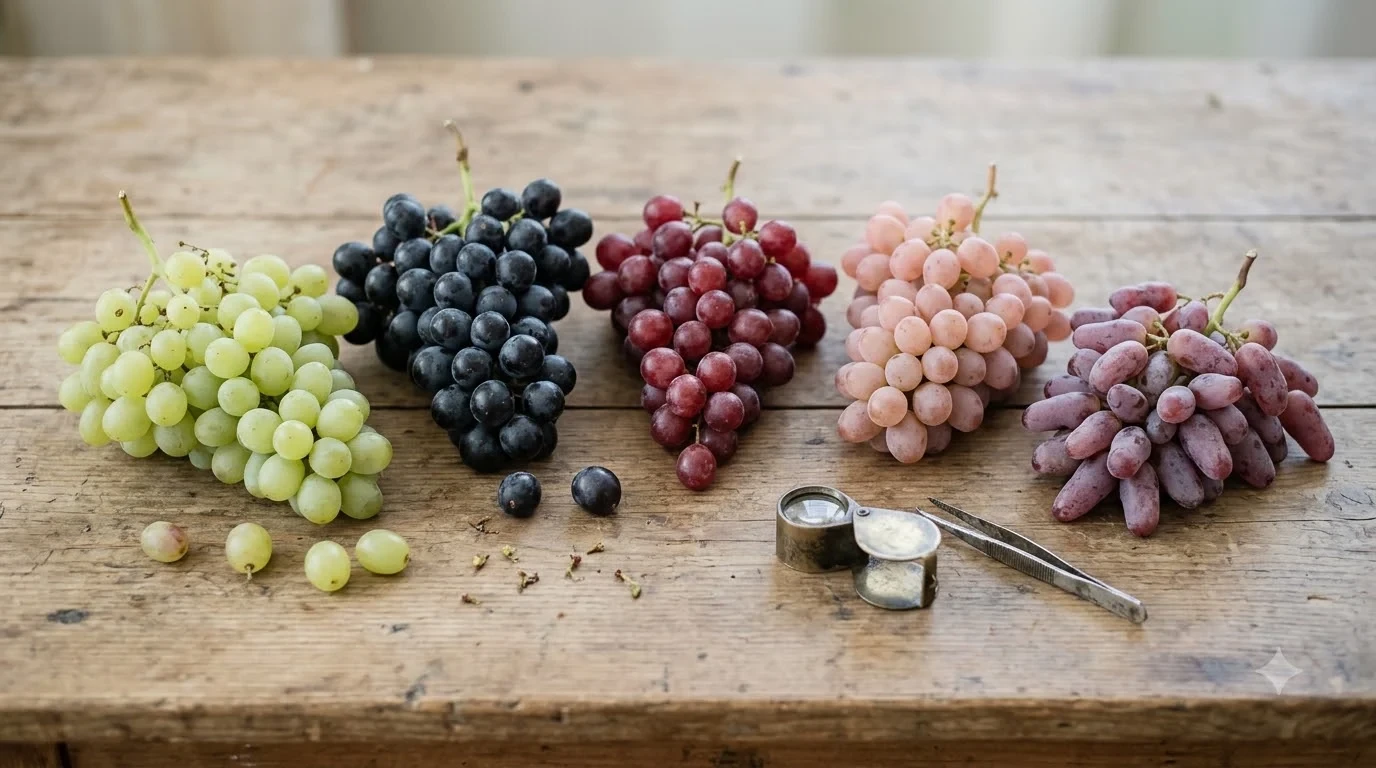
A scuppernong grape is a green-skinned variety of muscadine, the native American grape of the southeastern United States, and it is used for fresh eating, juice, jelly and some wines. Its flavor is different from the European wine grapes most American drinkers know, with lower natural sugar and a bolder, more fruit-forward character that depends on how it is made. This guide explains where scuppernongs come from, how they are used and what to expect from them.
Most grape guides focus on European vinifera varieties such as Cabernet Sauvignon or Chardonnay. Scuppernongs belong to a different group, and that difference shapes everything from the flavor to the way the grapes are used. The sections below cover the basics of the grape, where it grows, how it tastes, the common uses and how to serve it.
What a scuppernong grape is
A scuppernong is a cultivar of muscadine, the American grape species that grows naturally across the southeastern United States. The Wikipedia article on muscadine notes that the green grapes in that species are scuppernongs, which is the simplest way to recognize them. Their skins are pale green to bronze, and they are one of the best-known varieties in the muscadine family.
Muscadines are not the same as vinifera grapes. They come from a different species, grow in a humid climate and have thicker skins that hold up better in the heat and rain of the South. These traits affect how the grapes are harvested, stored and processed, and they explain why muscadine products are often sold as juice or jelly rather than as table grapes in the way European varieties are.
Because the name is used locally, you may also see scuppernongs sold under other names or in mixed muscadine blends. Check the label or the producer’s description to confirm that a product is a scuppernong rather than a different muscadine color.
Where scuppernong grapes grow
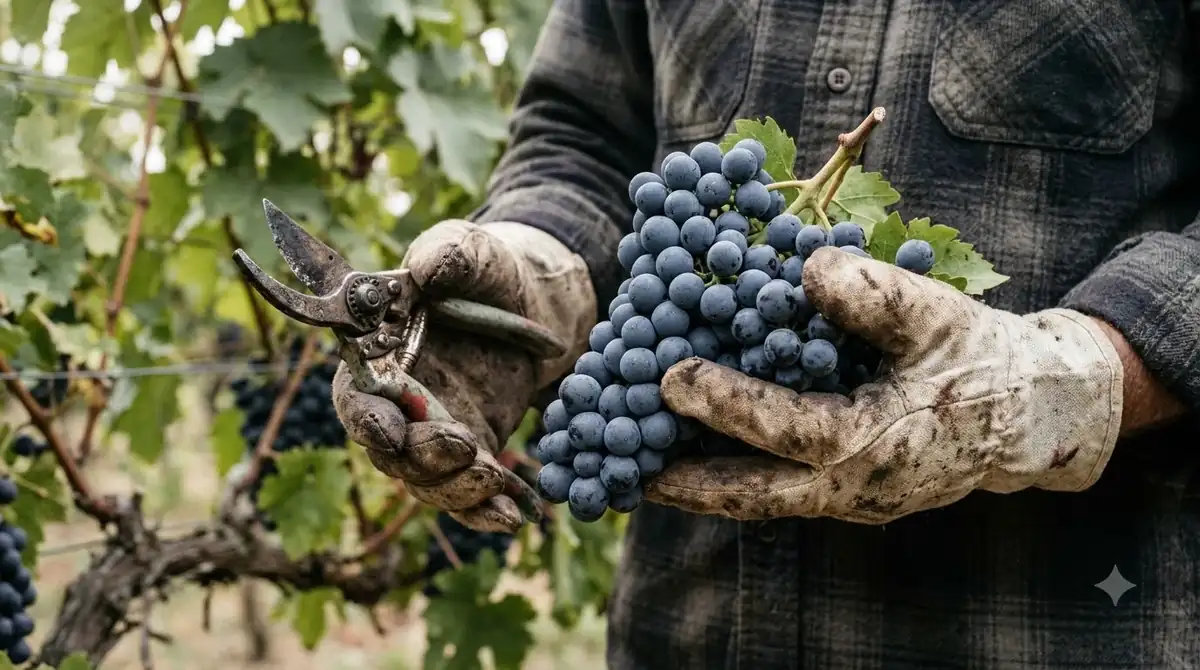
Scuppernongs are most closely associated with the American South. The Wikipedia article on muscadine says the wild grape ranges from Florida to the New Jersey coast, west to eastern Texas and Oklahoma, which covers a wide band of the eastern and southern United States. Cultivated varieties, including scuppernongs, are grown across many of these states.
The history of muscadine winemaking is closely tied to the Southeast. According to the VinePair article on muscadine wine, winemaking with the grape began near St. Augustine, Florida, and the grape is now most associated with the southeastern United States. That early history explains why scuppernongs are still a regional specialty rather than a widely planted commercial variety.
If you want a scuppernong from a specific region, look for producers who name the grape and their growing area on the label. Regional wineries and farm markets are often the best source for fresh grapes or local juice.
Flavor and sweetness of scuppernong grapes
Scuppernongs share many traits with the wider muscadine family. The VinePair article on muscadine wine notes that the grape is naturally low in sugar, so winemakers often add sugar during production to raise the alcohol content. Dry versions also exist, so sweetness depends on how the producer handles the grapes and the fermentation.
The flavor profile changes with the style. The same article describes muscadine wines as generally medium-bodied, with white versions showing banana and white-flower notes and red versions showing ripe red fruit. Salt, lime and pine resin notes can appear as well. Scuppernong wines and juices often lean toward the lighter, greener end of this range, but the exact profile varies by producer.
Fresh fruit is a separate case from wine. Ripeness, the amount of skin in the juice and the processing method all change how the grape tastes on the plate, so the same variety can read quite differently from one batch to the next. Treat any single flavor description as a guide, and taste a sample from the producer when you can.
How scuppernong grapes are used
Scuppernongs have a long record of use in home and regional kitchens. Their firm skins and tart juice make them well suited to several products, and each one shows a different side of the fruit.
Wine is the most familiar use. Muscadine wines, including scuppernong wines, can be sweet or dry, and the grape’s color allows both red and white styles. The VinePair article notes that the grape’s skin colors allow both red and white wines, and that these wines should be drunk young because they oxidize easily.
Juice is another common product. Scuppernong juice is often sold fresh or pasteurized and used as a sweet, fruity drink. Jelly is a classic use for muscadine fruit, and the Wikipedia article on muscadine lists juice, jelly and hull pie among the typical uses of the grape. Fresh grapes are also eaten out of hand, sometimes with the skin left on and sometimes with the thick skin removed.
| Trait | Scuppernong and muscadine | European wine grapes (vinifera) |
|---|---|---|
| Species | Native American muscadine | Vitis vinifera, from Europe and Western Asia |
| Natural sugar | Generally low, sugar often added in winemaking | Usually higher in ripe fruit |
| Typical climate | Humid southeastern United States | Varies by variety and region |
| Common products | Juice, jelly, wine, fresh fruit | Mostly wine, some table grapes |
| Wine style | Often medium-bodied, can be sweet or dry | Ranges widely by variety |
For a contrast with the European side of the family, see the nebbiolo grape guide, which covers a classic vinifera variety from a very different climate. The comparison makes it clearer why muscadine products are handled differently.
Serving and storing scuppernong wine and juice
Scuppernong wines are generally best served chilled, and both red and white styles are usually drunk young. The VinePair article recommends chilling both styles and drinking them soon after bottling, since their fresh fruit character fades as they oxidize. Older bottles are rarely the goal with these wines.
Juice should be refrigerated after opening and used within a short time. Jelly and preserves keep longer when sealed, but they lose their brightness over time, so smaller batches are often a better choice for the home kitchen.
Fresh scuppernongs keep best in the refrigerator and should be washed just before eating. Their skins are thicker than most table grapes, so many people eat the pulp and discard the skin, although the skin can also be eaten.
Frequently Asked Questions
Is a scuppernong grape the same as a muscadine?
A scuppernong is a variety of muscadine, not a separate species. The Wikipedia article on muscadine notes that the green grapes in that species are scuppernongs, so every scuppernong is a muscadine, but not every muscadine is a scuppernong.
Are scuppernong wines sweet?
They can be either. The grape is naturally low in sugar, so many winemakers add sugar, but dry versions also exist. Check the label or the producer’s description to find the sweetness level.
Can you eat scuppernong grapes raw?
Yes. Fresh scuppernongs are commonly eaten out of hand in the South. Wash them first, and many people eat the pulp and discard the thick skin, although the skin is also edible.
Where can you buy scuppernong products?
Regional wineries, farm markets and specialty producers in the Southeast are the most common sources for fresh grapes, juice and wine. Look for the grape named on the label, since muscadine blends are also common.
Scuppernong grapes are a distinctive part of American grape culture, and they reward anyone willing to try something outside the European wine grape mainstream. For a broader look at how grapes differ from one another, browse wine by type and compare the styles that come from each family.
More in Wine Types & Grapes
 Zinfandel Sugar Content: Dry Red vs. White Zinfandel GramsUpdated Nov 21, 2026
 Best Zinfandel Substitute Options for Sipping and CookingUpdated Nov 21, 2026
 Zweigelt Food Pairing: Best Dishes, Cheeses, and Serving TipsUpdated Nov 21, 2026
 Zinfandel Tannins Explained: How Structure Shapes Every BottleUpdated Nov 21, 2026
 Zinfandel Sweetness Level: Dry Red vs. Sweet White Zin ExplainedUpdated Nov 21, 2026
 Xinomavro Food Pairing: Best Dishes, Styles, and Serving TipsUpdated Nov 21, 2026