

We may earn a commission when you buy through links on this page, at no extra cost to you. Learn more.
The exact amount of muscadine carbs depends on whether you are eating raw fruit or drinking wine, with fresh muscadine grapes containing roughly 13.9 grams of total carbohydrates per 100 grams and muscadine wines ranging from around 2 grams to over 15 grams per five-ounce glass depending on sweetness. While dry-fermented bottlings keep residual sugar low, traditional sweet Southern muscadine wines carry substantial carbohydrates from added sugar or halted fermentation. Understanding how winemakers handle this native North American grape makes it easy to estimate the carb count in any serving.
Muscadine grapes (Vitis rotundifolia) occupy a unique corner of American agriculture and winemaking, prized across the Southeast for their thick skins, vibrant fruit aromatics, and resilience in hot, humid climates. Because the grape behaves differently from European wine varieties in both the vineyard and the cellar, tracking muscadine carbs requires looking closely at harvest sugar levels, fermentation choices, and serving sizes rather than assuming every bottle shares the same nutritional profile.
What Makes Muscadine Carbs Different From Standard Wine Grapes?
Unlike European Vitis vinifera grapes, muscadines naturally ripen with lower sugar concentrations and require different cellar practices that directly influence final carbohydrate totals. Producers frequently adjust sugar before or after fermentation, creating a wide nutritional spread between dry and sweet styles.
According to Wine Folly’s guide to muscadine wine, ripe muscadine grapes typically reach 10 to 15 Brix at harvest, compared with 20 Brix or higher for classic European wine varieties such as Cabernet Sauvignon or Chardonnay. Because yeast converts grape sugar into ethanol during fermentation, starting with lower natural sugar means unadjusted muscadine juice would produce a very light, low-alcohol wine. To achieve a balanced, shelf-stable wine around 10% to 11.5% ABV, many winemakers chaptalize the must—meaning they add sugar prior to fermentation so the yeast has enough fuel to reach target alcohol levels.
When yeast consumes all available fermentable sugar, the resulting dry wine retains minimal residual carbohydrates. However, regional tradition in the American South strongly favors lush, fruit-forward sweet wines that highlight the grape’s intense tropical and berry aromatics. To achieve that signature sweetness, cellars either stop fermentation early or backsweeten the finished wine before bottling, leaving unfermented sugars suspended in the liquid that count directly toward total carbohydrates.
Fresh Muscadine Grapes vs. Muscadine Wine Carbs
Raw muscadine grapes contain naturally occurring fructose, glucose, and dietary fiber, whereas fermentation strips away the fiber and converts most or part of the sugars into alcohol. Comparing whole fruit against different wine styles clarifies how processing shifts the carbohydrate numbers.
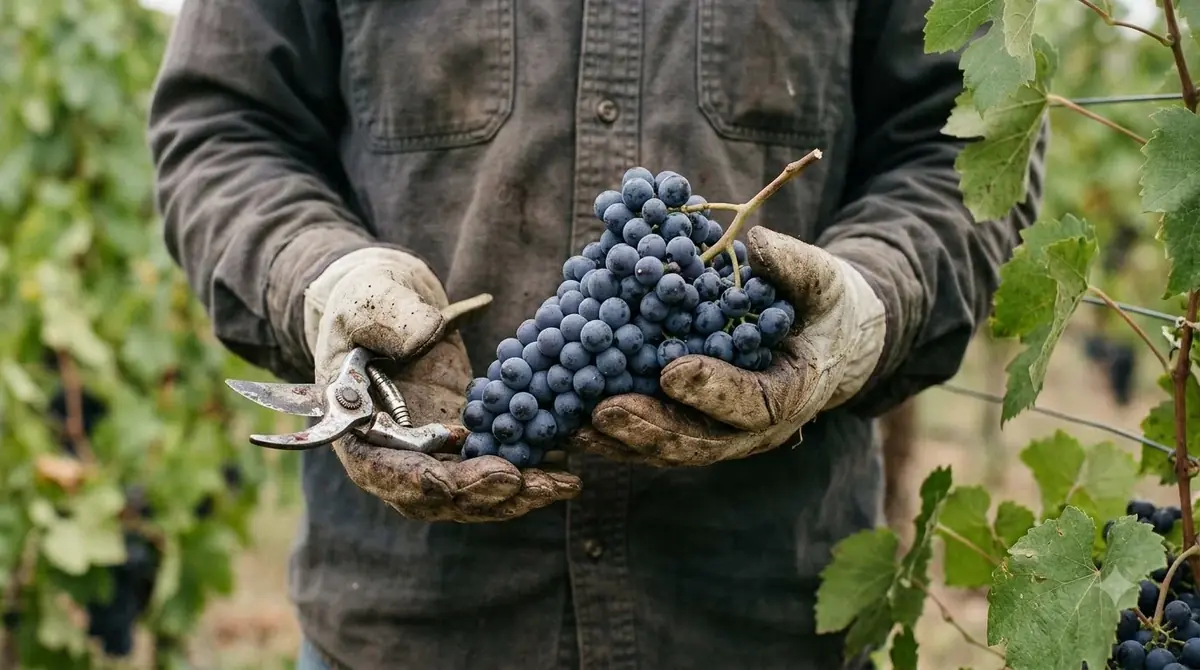
According to USDA FoodData Central nutrient profiles for raw muscadine grapes, a 100-gram portion of fresh fruit—roughly 16 to 17 medium berries—provides 13.9 grams of total carbohydrates and about 3.9 grams of dietary fiber, leaving approximately 10 grams of net carbohydrates. A smaller 60-gram handful delivers 8.4 grams of total carbohydrates and 2.3 grams of fiber, or roughly 6 grams of net carbs. Almost all of the non-fiber carbohydrate content in the raw fruit comes from natural glucose and fructose, with trace amounts of sucrose.
Once crushed, pressed, and fermented into wine, dietary fiber drops to zero because grape skins and seeds are separated from the liquid before bottling. In a standard five-ounce pour (about 148 milliliters), every gram of remaining residual sugar equals one gram of carbohydrates. Dry muscadine wines fermented to completion generally land around 2 to 4 grams of carbohydrates per glass, off-dry or blush styles sit in the moderate middle range, and classic sweet Southern bottlings—which often carry 5% to 10% residual sugar—can contain 8 to 15 grams or more per five-ounce serving.
| Muscadine Form or Style | Typical Serving Size | Total Carbohydrates | Dietary Fiber | Net Carbs (Approx.) | Sweetness Profile |
|---|---|---|---|---|---|
| Raw Muscadine Grapes (Whole) | 100 g (~16–17 grapes) | 13.9 g | 3.9 g | 10.0 g | Sweet-tart fresh fruit |
| Raw Muscadine Grapes (Small Portion) | 60 g (~10 grapes) | 8.4 g | 2.3 g | 6.1 g | Sweet-tart fresh fruit |
| Dry Muscadine Wine (Carlos / Noble) | 5 fl oz (148 mL) | 2.0–4.0 g | 0 g | 2.0–4.0 g | Crisp, dry, minimal sugar |
| Off-Dry / Blush Muscadine Wine | 5 fl oz (148 mL) | 4.0–7.5 g | 0 g | 4.0–7.5 g | Lightly sweet, balanced |
| Traditional Sweet Muscadine Wine | 5 fl oz (148 mL) | 8.0–15.0+ g | 0 g | 8.0–15.0+ g | Rich, noticeably sweet |
Notice how closely the dry end of the spectrum mirrors conventional dry table wines, while sweet muscadines behave much more like dessert wines or sweet moscato carbs in a standard glass. If you are tracking intake closely, the exact residual sugar percentage listed on a winery’s technical sheet offers the most reliable way to calculate grams per pour: multiplying the residual sugar percentage by 1.48 gives a close estimate of sugar grams in a five-ounce glass.
Key Muscadine Cultivars and How Style Affects Sugar
More than 100 cultivars of Vitis rotundifolia grow across the United States, though a core group of bronze and dark-skinned varieties dominates commercial winemaking. Each cultivar brings distinct natural acidity and aroma compounds that steer winemakers toward dry or sweet styles.
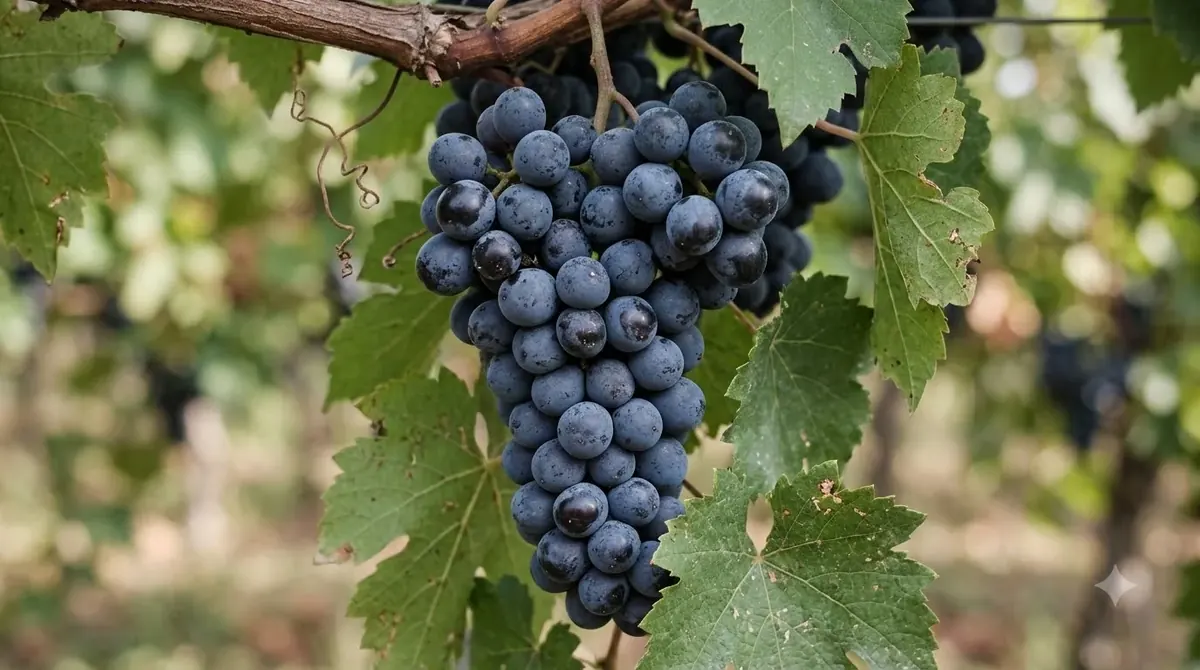
As Wine Enthusiast notes in its overview of muscadine wine, modern producers are actively dismantling the old assumption that every muscadine bottle must be syrupy. Bronze-skinned varieties like Scuppernong and Carlos offer bright citrus, yellow apple, and floral aromatics that shine when fermented dry or off-dry. When producers ferment Carlos completely dry, crisp natural acidity carries the palate without needing extra sugar, keeping carbohydrates near the bottom of the range.
Dark-skinned varieties such as Noble, Ison, and Higgins produce deep ruby-to-purple wines packed with cranberry, blackberry, and earthy notes alongside noticeable skin tannins. Because muscadine skins carry firm phenolic astringency, many Southeastern wineries leave 5% to 6% residual sugar in red Noble bottlings to soften the tannins and round out the finish. That stylistic choice explains why red muscadine wines frequently register higher carbohydrate counts than dry European reds covered in our guide to dry red wine carbs.
How to Read Labels and Estimate Carbs in Muscadine Wine
Because wine labels in the United States are not required to display a standard Nutrition Facts panel, shoppers have to rely on clues from alcohol percentage, sweetness descriptors, and producer tech sheets to gauge carbohydrate levels.
Alcohol by volume (ABV) provides an immediate structural clue when comparing two bottles from the same producer. During fermentation, yeast converts sugar into alcohol; if a winemaker halts fermentation early to retain sweetness, the finished wine ends up with both lower alcohol and higher residual sugar. Conversely, a dry muscadine wine fermented all the way to dryness typically sits closer to 11% or 12% ABV with very little unfermented carbohydrate left behind.
Back-label terminology also helps narrow the estimate before you buy. Look for explicit phrases such as “dry,” “fermented dry,” or “zero residual sugar” when seeking lower-carb options, and treat terms like “semi-sweet,” “smooth,” “porch-sipper,” or “traditional Southern sweet” as clear indicators of added or retained sugar. Checking a winery’s website for a residual sugar percentage or speaking with tasting-room staff removes all guesswork, especially among smaller craft producers across North Carolina, Georgia, and Florida that release limited-batch dry bottlings alongside sweet classics.
Tip: Multiply a wine’s listed residual sugar percentage by 1.48 to estimate the grams of sugar in a standard 5-ounce pour—for example, a bottle with 5.0% residual sugar contains roughly 7.4 grams of sugar per glass.
Serving and Pairing Muscadine Wines Mindfully
Serving temperature, glassware, and food pairings all shape how sweet a muscadine wine tastes on the palate—and how easily you can pace a single glass alongside a meal.
Both white and red muscadine wines show best when served chilled, generally between 55°F and 60°F for fuller reds and slightly cooler for crisp bronze whites and blushes. Chilling tightens the wine’s aromatic profile, keeps its natural acidity lively, and prevents sweeter styles from feeling heavy. A standard universal wine glass gives the grape’s expressive tropical, apple, and berry notes room to open without encouraging oversized pours.
At the table, dry bronze muscadines pair naturally with grilled shrimp, roasted chicken, mild goat cheese, and vinaigrettes, where their brisk acidity refreshes the palate between bites. Off-dry and lightly sweet red or blush styles excel alongside smoky barbecue, spiced pork, or salted nuts, because savory salt and gentle heat balance residual sweetness without requiring a large pour. If you are newer to this native grape and want to explore its background further—including how to pronounce muscadine properly at a tasting bar—browse our broader overview of Wine by Type to see how native American varieties compare with classic European grapes.
Frequently Asked Questions
How many carbs are in a 5-ounce glass of muscadine wine?
A standard 5-ounce glass of muscadine wine contains roughly 2 to 4 grams of carbohydrates if it is fermented dry, and between 8 and 15 grams or more if it is made in a traditional sweet Southern style. Off-dry and blush bottlings generally fall in the middle at around 4 to 7.5 grams per pour.
Are raw muscadine grapes high in carbs?
Raw muscadine grapes contain about 13.9 grams of total carbohydrates per 100-gram serving, which is roughly 16 to 17 fresh berries. Because whole muscadines also supply around 3.9 grams of dietary fiber per 100 grams, the net carbohydrate count is closer to 10 grams per serving.
Is there a dry muscadine wine with low carbs?
Yes, several wineries in the American Southeast ferment bronze varieties like Carlos and select red Noble batches completely dry. When fermented to dryness with minimal residual sugar, these wines deliver crisp acidity and fruit aromatics with roughly 2 to 4 grams of carbohydrates per 5-ounce glass.
Why do sweet muscadine wines have more carbs than dry red wines?
During winemaking, yeast converts grape sugar into alcohol, leaving dry wines with almost no leftover sugar. Sweet muscadine wines either have their fermentation stopped early or are backsweetened before bottling to balance the grape’s firm skin tannins, leaving unfermented sugars in the glass that increase the total carb count.
Whether you prefer snacking on fresh-picked berries in late summer or pouring a chilled glass from a Southeastern cellar, knowing how fermentation and residual sugar work puts muscadine carbs into clear perspective. By checking back-label sweetness cues, scanning for residual sugar percentages, and choosing dry bronze or red styles when you want fewer carbohydrates, you can enjoy everything this historic American grape brings to the glass.
More in Wine Types & Grapes
 What Does Ruby Port Taste Like? Flavor Notes, Styles, and Serving TipsUpdated Nov 21, 2026
 What Does Ribolla Gialla Taste Like? Crisp White and Amber Styles ExplainedUpdated Nov 21, 2026
 What Does Semillon Taste Like? Flavor Profile, Styles & PairingsUpdated Nov 21, 2026
 What Does Scuppernong Taste Like? Flavor, Styles, and Pairing GuideUpdated Nov 21, 2026
 What Does Saperavi Taste Like? Flavors, Styles, and Pairing GuideUpdated Nov 21, 2026
 What Does Natural Wine Taste Like? Flavors, Styles, and Serving TipsUpdated Nov 21, 2026