

We may earn a commission when you buy through links on this page, at no extra cost to you. Learn more.
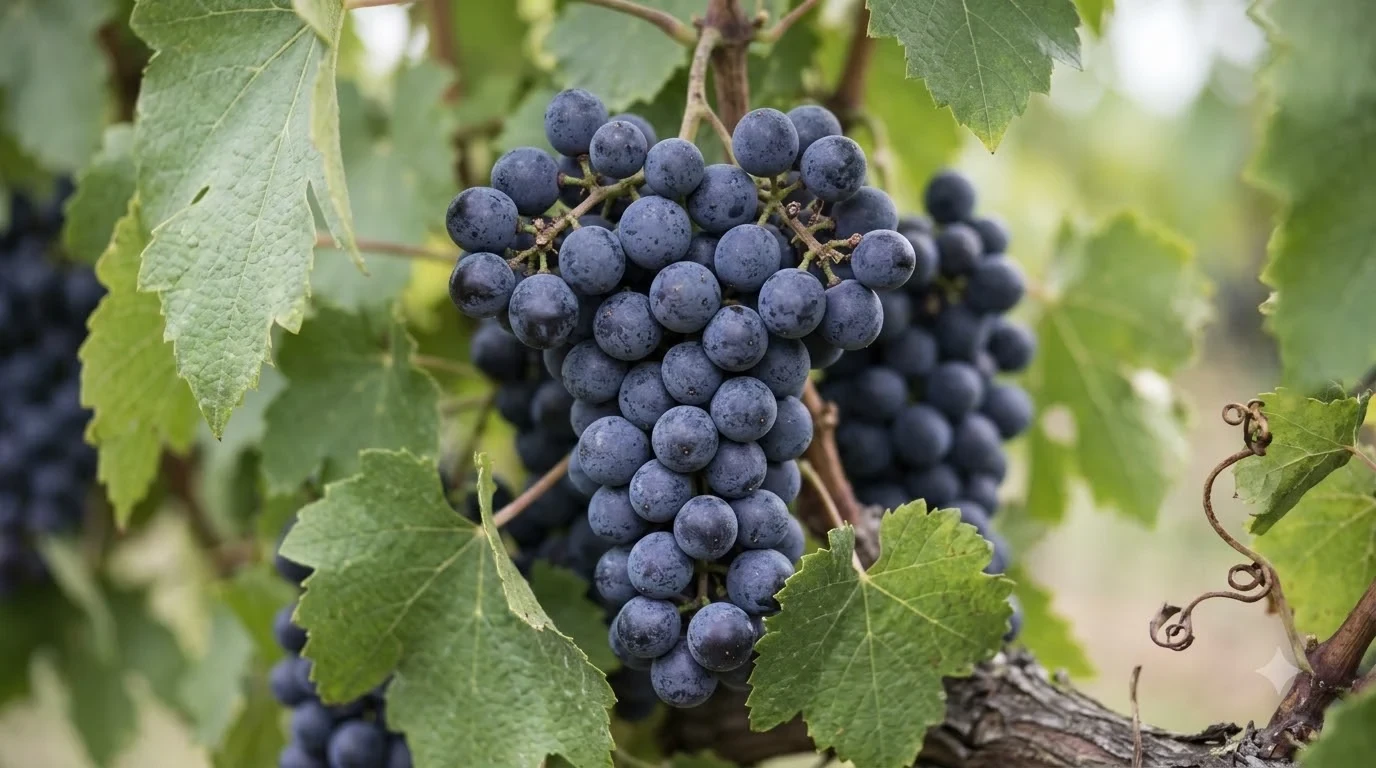
The mtsvane grape is an aromatic white wine variety native to the Republic of Georgia, whose name translates directly to “green” in Georgian. Most widely planted in the eastern region of Kakheti as Mtsvane Kakhuri, it produces two distinct styles: crisp, floral modern whites fermented in stainless steel, and structured, tea-scented amber wines macerated on their skins in buried clay vessels called qvevri. Winemakers value it both as a vibrant single-varietal bottling and as the perfumed blending partner to Georgia’s firmer, higher-acid Rkatsiteli grape.
Pronounced roughly “mts-VAH-neh,” this ancient Caucasian cultivar sits at the intersection of Georgia’s 8,000-year-old winemaking heritage and contemporary cellar techniques. While international wine drinkers often associate Georgian white wine with dense, heavily tannic skin-contact bottlings, Mtsvane brings a lifted, orchard-fruit brightness to the table that makes it approachable whether poured young and chilled or aged with extended skin contact.
What Is the Mtsvane Grape?
Mtsvane is a thin-skinned, yellow-green white grape indigenous to Georgia, prized for high aromatic intensity balanced by lively natural acidity. Rather than referring to a single uniform clone, the name serves as an umbrella term across Georgian wine regions, with Mtsvane Kakhuri (“green from Kakheti”) representing the most celebrated and widely bottled expression.
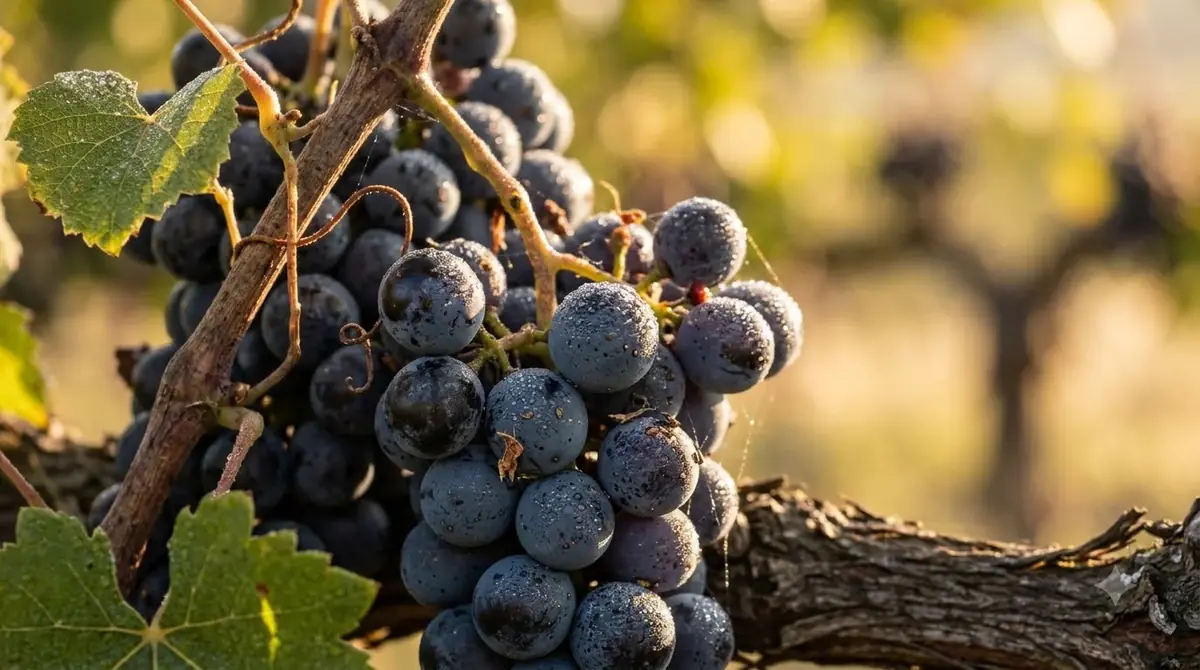
In the vineyard, Mtsvane ripens mid-season and forms small, delicate berries packed into tight clusters. Because those thin skins leave the fruit vulnerable to humidity and fungal pressure, growers plant the vines on well-drained slopes with moderate soil fertility and manage the leaf canopy carefully to maintain airflow. When tended properly, the grape accumulates generous natural sugars without losing its bright acidic spine.
Confusion often arises on export labels because Georgia is home to more than one grape carrying the Mtsvane name. Alongside Mtsvane Kakhuri in the east, central Georgia’s Kartli region cultivates Goruli Mtsvane (“green from Gori”), which ampelographers and Georgian wine authorities classify as a separate variety. Other regional relatives, such as Rachuli Mtsvane in the mountainous northwest, appear in tiny local quantities, making regional labeling an important clue for shoppers exploring Wine by Type.
Flavor Profile and Winemaking Styles
Depending on how it is fermented, the mtsvane grape delivers either a zesty, floral white wine or a savory, amber-hued skin-contact wine with gentle tannic grip. Winemakers split production between temperature-controlled stainless steel tanks and traditional subterranean clay amphorae, creating two dramatically different sensory profiles from the exact same fruit.
When fermented in stainless steel without skin contact, Mtsvane pours pale straw to light gold and opens with expressive notes of white peach, green apple, quince, pear skin, and lime zest. Underneath the orchard and citrus fruit sits a signature thread of acacia blossom and crushed garden herbs—think fresh basil or mint—that keeps the wine feeling crisp and dry rather than sweet. Reviewers at Wine Folly also note high-toned aromatics of peach, lime, apricot, wildflower, and pine in traditional Georgian Mtsvane expressions.
Fermenting Mtsvane in beeswax-lined clay qvevri buried underground transforms both its color and texture. Left on its skins, seeds, and sometimes stems for months, the wine deepens into burnished gold or amber. Fresh citrus fruit shifts toward dried orange peel, apricot, and quince paste, layered with chamomile, black tea leaves, honeycomb, and toasted walnut. Unlike skin-contact Rkatsiteli, which can feel stern and aggressively grippy, qvevri Mtsvane typically carries softer, silkier tannins alongside a savory, medium-bodied weight.
| Style | Fermentation Vessel | Color & Texture | Core Tasting Notes |
|---|---|---|---|
| Modern Dry White | Stainless steel (cool fermented) | Pale straw; crisp, medium-bodied, zesty finish | Green apple, white peach, lime peel, acacia blossom, fresh herbs |
| Traditional Qvevri Amber | Buried clay amphora (extended skin contact) | Deep gold to amber; mid-weight, silky tannins | Dried apricot, orange oil, chamomile, tea leaf, walnut, honey |
| Classic Kakhetian Blend | Stainless steel or qvevri (with Rkatsiteli) | Straw to amber; balanced acid and aromatic lift | Orchard fruit, white flowers, citrus pith, subtle spice |
| Kartli / Sparkling Style | Stainless steel or traditional bottle method | Pale yellow; lean, high-acid, mineral-driven | Green plum, lemon zest, wet stone, crisp pear |
Where Mtsvane Grows
Mtsvane thrives primarily in Kakheti, Georgia’s eastern wine heartland, which accounts for roughly eighty percent of the country’s vineyard area and twenty of its protected appellations. Sheltered by the Greater Caucasus Mountains to the north and warmed by continental summers, Kakheti’s river valleys and foothills provide the sunny days and cool nights needed to ripen Mtsvane’s aromatic compounds.
Within Kakheti, the village of Manavi holds particular prestige for Mtsvane Kakhuri. The Manavi Protected Designation of Origin (PDO) sits on limestone-rich slopes where the grape produces famously perfumed, mineral-laced dry whites that are legally required to be predominantly Mtsvane. Neighboring appellations such as Tsinandali rely on Mtsvane as the aromatic counterpart to Rkatsiteli, softening Rkatsiteli’s firm structure with floral lift.
Further west in the central Kartli region, Goruli Mtsvane occupies cooler, windier sites around the town of Gori. Ripening later than its Kakhetian namesake, Goruli Mtsvane yields leaner, higher-acid wines with a pronounced mineral streak, making it a prized base for Georgian sparkling wines as well as crisp, seafood-friendly still whites.
How to Serve Mtsvane Wine
Serving temperature and glassware depend directly on whether your bottle is a fresh stainless-steel white or a skin-contact qvevri bottling. Treating an amber Mtsvane like an ice-cold patio white mutes its herbal and nutty nuances, while serving a stainless-steel version too warm dulls its zesty acidity.
For crisp, tank-fermented Mtsvane, chill the bottle to 46 to 50 degrees Fahrenheit (8 to 10 degrees Celsius) and pour it into a standard white wine glass with a medium bowl to focus its citrus blossom and orchard aromas. A brief stay in the refrigerator for about two hours before opening hits this range reliably, and the wine requires no decanting.
Qvevri and amber Mtsvane bottlings perform best slightly warmer, around 54 to 57 degrees Fahrenheit (12 to 14 degrees Celsius)—roughly cellar temperature, or twenty minutes out of the fridge before pouring. Using a wider universal or Burgundy-style glass gives the wine room to breathe, and a short fifteen-to-twenty-minute decant helps release trapped reductive notes while softening its tea-like tannins.
Tip: If you are unsure whether a bottle of Mtsvane is a crisp white or a skin-contact amber before opening it, hold the glass-collared neck up to a bright light or look for words like “qvevri,” “skin contact,” or “unfiltered” on the back label.
Food Pairing Ideas
Because Mtsvane spans both crisp citrus freshness and savory tannic structure, it solves a wide range of dinner-table challenges. Matching the weight and cooking method of the dish to the winemaking style of the bottle unlocks the strongest pairings.
Fresh, stainless-steel Mtsvane excels alongside lighter fare built around herbs, lemon, and delicate proteins. Pan-seared trout with fennel, grilled shrimp, herb-roasted chicken, and spring vegetable salads mirror the grape’s green, botanical streak while letting its bright acidity cut through butter or olive oil. Soft, young cheeses like fresh goat cheese, young gouda, or mild brie also pair effortlessly without overwhelming the wine’s floral perfume.
Amber qvevri Mtsvane steps into territory usually reserved for light red wines, holding its own against roasted, braised, and umami-rich dishes. In Georgia, it is a classic partner for walnut-based vegetable pates known as pkhali, cheese-filled khachapuri bread, and savory bean stews. At home, pair skin-contact Mtsvane with mushroom risotto, roasted winter squash, spiced poultry, or aged sheep’s milk cheeses, where the wine’s gentle tannins and dried-fruit complexity echo caramelized, earthy flavors. If you enjoy exploring lesser-known food-friendly whites, compare its brisk herbal side with the neutral, high-yield airen grape from Spain, or contrast its savory depth with aromatic reds like the brachetto grape and the dornfelder grape.
How to Choose a Bottle of Mtsvane
Shopping for Mtsvane requires reading labels closely, as many Georgian exports list only the word “Mtsvane” on the front without specifying the sub-variety or cellar method. Checking three details on the bottle helps ensure you bring home the style you actually want to drink.
First, look for regional and varietal modifiers. Bottles labeled “Mtsvane Kakhuri” or “Manavi” come from eastern Georgia and deliver fuller orchard-fruit aromatics and floral intensity, whereas “Goruli Mtsvane” from Kartli signals a leaner, higher-acid, mineral-driven profile. Second, scan the back label for vinification clues: terms such as “qvevri,” “amphora,” “skin-macerated,” or “amber” indicate extended skin contact and noticeable tannin, while “classic method” or “stainless steel” points to a clean, pale-gold white.
Finally, pay attention to vintage dates and blend ratios. According to Wineland’s Georgian grape guide, modern stainless-steel Mtsvane is crafted to highlight vibrant primary fruit and floral perfume, making recent vintages within one to three years of harvest the safest bet for maximum freshness. Traditional qvevri bottlings, by contrast, carry enough natural phenolic structure and acidity to develop honeyed, nutty complexity over five years or more in bottle, and blends pairing Mtsvane with Rkatsiteli offer a balanced middle ground for first-time buyers.
Frequently Asked Questions
What does Mtsvane mean in Georgian?
The word “mtsvane” translates literally to “green” in the Georgian language. It refers both to the bright yellow-green hue of the ripe berries on the vine and to the fresh, herb-accented vibrancy that characterizes wines made from the grape.
Is Mtsvane wine dry or sweet?
The vast majority of Mtsvane wines exported to the United States are fermented completely dry. Although its expressive aromas of white peach, acacia blossom, and honeysuckle can trick the nose into expecting sweetness, the palate finishes crisp, clean, and savory.
What is the difference between Mtsvane and Rkatsiteli?
Rkatsiteli is Georgia’s structural workhorse white grape, prized for high acidity, firm tannins in skin-contact styles, and neutral orchard-fruit backbone. Mtsvane is lower in harsh phenolics and far more aromatic, contributing floral perfume, stone fruit, and herbal lift when the two grapes are blended together.
Are all Mtsvane wines orange or amber wines?
No, Mtsvane is bottled in both clear white and amber styles. While traditional producers ferment the crushed grapes with their skins in buried clay qvevri to create textured amber wine, many Georgian wineries ferment Mtsvane without skin contact in stainless steel to make a crisp, pale-straw white wine.
Whether poured chilled from stainless steel alongside herb-roasted fish or decanted at cellar temperature as a burnished qvevri amber, the mtsvane grape captures the full range of Georgian winemaking in a single glass. Learning to spot the difference between Kakhetian and Kartli bottlings—and between tank-fermented and skin-contact styles—makes it easy to find a bottle tailored to your table.
More in Wine Types & Grapes
 What Does Ruby Port Taste Like? Flavor Notes, Styles, and Serving TipsUpdated Nov 21, 2026
 What Does Ribolla Gialla Taste Like? Crisp White and Amber Styles ExplainedUpdated Nov 21, 2026
 What Does Semillon Taste Like? Flavor Profile, Styles & PairingsUpdated Nov 21, 2026
 What Does Scuppernong Taste Like? Flavor, Styles, and Pairing GuideUpdated Nov 21, 2026
 What Does Saperavi Taste Like? Flavors, Styles, and Pairing GuideUpdated Nov 21, 2026
 What Does Natural Wine Taste Like? Flavors, Styles, and Serving TipsUpdated Nov 21, 2026