

We may earn a commission when you buy through links on this page, at no extra cost to you. Learn more.
This mouton cadet wine review finds that Mouton Cadet is a solid choice for approachable, fruit-forward Bordeaux, particularly if you enjoy dry red blends with moderate structure and versatile food-pairing potential. Produced by Baron Philippe de Rothschild, the range includes red, white, rosé, and more specialized Bordeaux selections. Its traditional red blend emphasizes Merlot, Cabernet Sauvignon, and Cabernet Franc, making it a useful introduction to the region’s familiar grape varieties without requiring a substantial commitment to an age-worthy wine.
Mouton Cadet occupies an interesting position in French wine: it carries the Rothschild name and Bordeaux heritage but aims for accessibility rather than the prestige and investment potential associated with classified Bordeaux estates. Understanding the different bottlings, grape proportions, and regional styles helps buyers choose a bottle that suits their dinner plans and personal preferences. This guide examines what the brand offers, how its wines taste, and what to consider before buying.
Who This Wine Is For
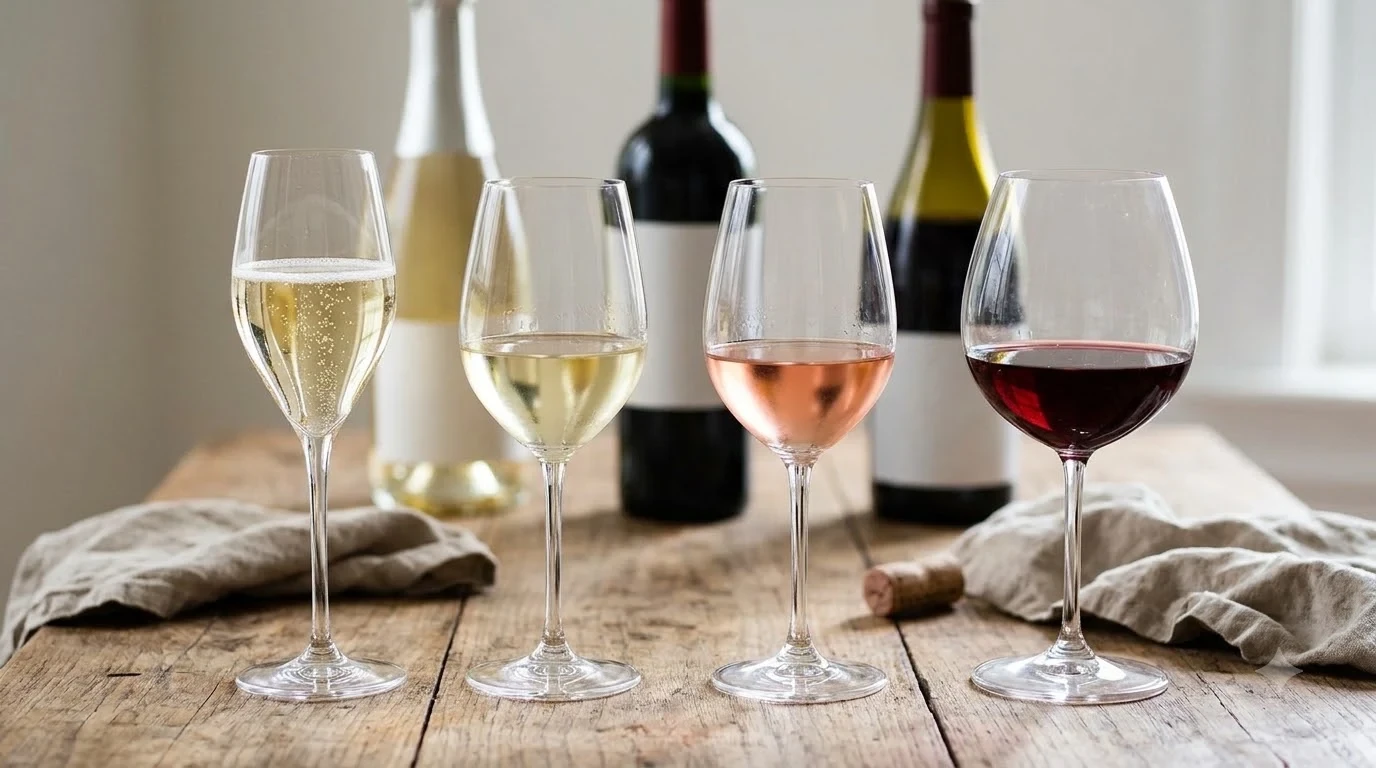
Mouton Cadet is best suited to drinkers who want recognizable Bordeaux character in a relatively approachable style. Its Merlot-led red blends, fresh white wines, and fruit-oriented rosé make the collection useful for ordinary meals, casual entertaining, and people learning the differences between classic French grape varieties.
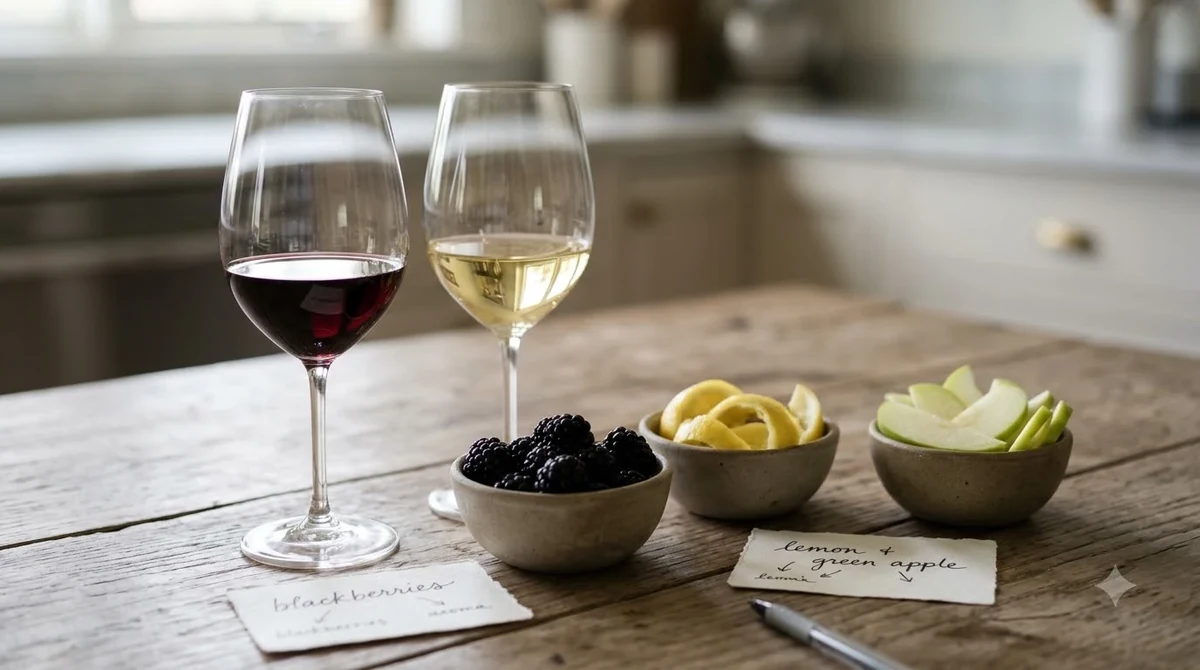
The traditional red is particularly relevant for someone moving beyond basic supermarket reds but not yet looking for a highly tannic, complex Bordeaux intended for extended cellaring. Merlot gives the blend a rounded fruit profile, while Cabernet Sauvignon and Cabernet Franc contribute structure and freshness. The result is a recognizable Bordeaux combination rather than a single-varietal wine dominated by one grape.
According to one SAQ listing, a Mouton Cadet Bordeaux red contains 80% Merlot, 12% Cabernet Sauvignon, and 8% Cabernet Franc. That particular bottling is listed at 13.5% alcohol by volume, with 2.4 grams per liter of sugar and a medium-bodied, dry profile. These figures are useful examples, not universal specifications for every vintage or bottling.
The brand also suits households that prefer having different wine styles available. Mouton Cadet White offers a Sauvignon Blanc-led alternative, while its rosé provides a lighter option for warm-weather meals. The organic red and specialized selections give shoppers additional choices beyond the familiar Bordeaux red blend.
However, Mouton Cadet is not necessarily the right choice for someone seeking the depth, concentration, and extended development of an expensive classified-growth Bordeaux. Its central purpose is accessibility and consistency of style, not reproducing the experience of a prestigious estate wine. Buyers interested in the broader distinction can explore Château Mouton Rothschild wine, which occupies a different category within Bordeaux.
It is also a reasonable starting point for someone exploring French wine for the first time. The familiar fruit character of Merlot can make Bordeaux less intimidating than wines with especially firm tannins or pronounced oak influence. Someone who already enjoys medium-bodied reds with dinner may find the traditional blend an easy addition to a regular wine rotation.
Key Factors to Compare Before Buying
The most useful comparison points are grape composition, wine color, body, acidity, alcohol, and intended drinking occasion. Mouton Cadet is a collection rather than a single fixed recipe, so the red, white, and rosé wines should not be judged as though they share identical characteristics.
| Factor | What to Look For | Why It Matters |
|---|---|---|
| Red grape blend | Merlot, Cabernet Sauvignon, Cabernet Franc | Determines fruit, structure, and balance |
| Example red blend | 80% Merlot, 12% Cabernet Sauvignon, 8% Cabernet Franc | Illustrates a Merlot-led Bordeaux style |
| Example red alcohol | 13.5% ABV | Provides context for body and serving decisions |
| Example red residual sugar | 2.4 g/L | Indicates a dry wine rather than a sweet red |
| Red serving temperature | 59–63°F | Helps preserve fruit and balance |
| White grape varieties | Sauvignon Blanc, Sémillon, Muscadelle | Combines freshness, fruit, and aromatic character |
| Rosé grape varieties | Merlot, Cabernet Franc, Cabernet Sauvignon | Provides a fresh red-fruit-oriented alternative |
| Typical bottle format | 750 ml | Provides approximately five standard 5-ounce servings |
The figures in the red blend example come from the SAQ product listing, while the producer’s official information describes the broader role of each grape. Different vintages and cuvées can have different proportions. The producer’s 2023 Mouton Cadet Red page, for example, identifies Merlot, Cabernet Sauvignon, and Cabernet Franc without presenting the same fixed percentage breakdown.
Merlot is the most important grape to understand when evaluating the traditional red. It generally contributes softer tannins, rounder texture, and ripe red or dark fruit. Cabernet Sauvignon adds firmer structure and darker fruit, while Cabernet Franc contributes refinement and aromatic freshness. The balance between these varieties determines how firm or approachable the finished wine feels.
Another important distinction is the intended style. A basic Bordeaux red is not automatically equivalent to a Sélection Haut-Médoc or Sélection Côtes de Bordeaux bottling. The latter selections represent different regional expressions and may have different maturation choices and structural characteristics.
For white wine, Sauvignon Blanc is the key grape to recognize. It typically contributes acidity and citrus flavors, while Sémillon brings additional body and fruit. Muscadelle provides aromatic complexity. The producer describes the combination as fresh and aromatic, with terroir characteristics influenced by clay and gravelly clay soils.
When comparing bottles, consider the occasion as well as the technical information. A medium-bodied red intended for roast chicken is a different purchase from a fresh white intended for seafood or a chilled rosé for a summer lunch. The most suitable bottle is the one whose structure and flavor profile complement the food and the people drinking it.
Step-by-Step: How to Choose a Mouton Cadet Bottle
Choosing the right Mouton Cadet is easier when you start with the meal, identify your preferred level of structure, and then select the appropriate color and bottling. These five steps provide a practical way to narrow down the collection.
-
Start with the occasion.
For a dinner featuring roast chicken, beef stew, or pasta with meat sauce, the traditional red is a natural starting point. For grilled fish, seafood pasta, or lighter meals, consider the white. For an afternoon gathering or a casual outdoor meal, the rosé offers a different style without the weight of a red Bordeaux.
-
Decide how much structure you prefer.
If you enjoy smooth, fruit-forward wines, a Merlot-led red blend is a sensible choice. If you prefer firmer tannins and darker fruit, investigate the Sélection Haut-Médoc or other more structured selections. These wines should not be assumed to taste identical to the standard Bordeaux bottling.
-
Choose the appropriate grape profile.
For red wine, look for the combination of Merlot, Cabernet Sauvignon, and Cabernet Franc. For white wine, Sauvignon Blanc is the central grape to recognize, supported by Sémillon and Muscadelle. The rosé combines Bordeaux red varieties to produce a lighter, fruit-focused wine.
-
Consider the occasion and serving conditions.
A red served around 59–63°F should show its fruit and structure without becoming excessively warm. A light white is generally more refreshing around 45–50°F, while rosé is also best served chilled. Allow time for the bottle to reach the appropriate temperature before serving.
-
Compare the specific bottlings.
Look at the wine’s appellation, grape information, vintage, and producer description. A standard Bordeaux bottling, an organic red, and a Sélection Côtes de Bordeaux wine can have different characteristics. Choose according to the actual style rather than assuming every bottle carrying the same brand name has the same profile.
This process also helps prevent a common buying mistake: choosing a wine entirely because the label looks familiar. The name Mouton Cadet appears across multiple styles, and the bottle’s specific identity is more informative than the brand name alone.
Tip: If you are buying your first bottle, begin with the standard Mouton Cadet Bordeaux Red for a traditional introduction to the brand. Choose the white or rosé instead if freshness and lighter body are more important than red-wine structure.
For shoppers comparing established labels, it can also help to understand how other accessible brands position their wines. The Barefoot Wine range, for instance, provides a useful point of comparison for understanding the difference between familiar everyday wine brands and Bordeaux-focused blends. Their regional identity and grape choices are not interchangeable, so the comparison should focus on drinking preferences rather than assuming equivalent wine styles.
Types and Styles Explained
Mouton Cadet offers several distinct wine styles, including Bordeaux red, Bordeaux white, rosé, organic red, and more specific regional selections. Understanding these differences is essential because the brand’s identity covers considerably more than its best-known red wine.
Mouton Cadet Red
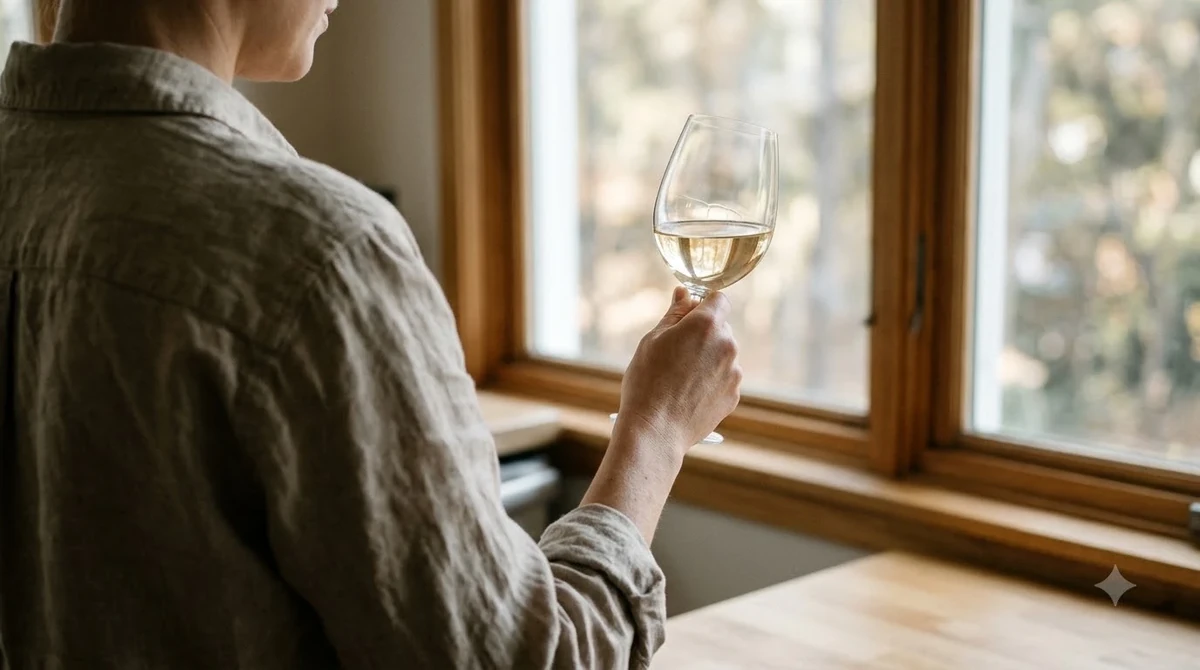
The traditional red is the obvious starting point for anyone interested in the brand’s Bordeaux heritage. Its blend of Merlot, Cabernet Sauvignon, and Cabernet Franc creates a wine that combines approachable fruit with moderate structure.
The producer’s 2023 red tasting notes describe ripe raspberry and blueberry, accompanied by saffron and rosemary. The palate is rounded, with soft tannins, depth, and subtle sweet-spice and herbal notes. These characteristics make the wine suitable for people who enjoy fruit-driven Bordeaux rather than particularly austere or heavily tannic reds.
The 2023 producer information also specifies 10 months of maturation in vats on lees in a reductive environment. This is a useful detail because it illustrates the production approach of that particular bottling. It should not be confused with a claim that every Mouton Cadet red receives identical treatment.
Mouton Cadet White
The white wine offers a different interpretation of Bordeaux through a blend of Sauvignon Blanc, Sémillon, and Muscadelle. Its overall direction is fresh and aromatic, making it a more suitable option for people who prefer acidity and citrus characteristics to the softer tannins of red wine.
The producer associates its white wine with silty clay and gravelly clay terroirs. According to its explanation, clay helps reveal fruit and citrus characteristics associated with Sauvignon Blanc, silt contributes freshness, and gravel brings density. This is an example of how soil selection can influence the overall character of a regional blend.
Food pairings can include grilled shrimp, white fish, lemon-seasoned vegetables, and salads with fresh herbs. Sauvignon Blanc’s high acidity makes it particularly useful with acidic ingredients such as lemon and vinaigrette. The wine should be served chilled, generally around 45–50°F for a refreshing experience.
Mouton Cadet Rosé
Mouton Cadet Rosé is a fruit-oriented option built from Merlot, Cabernet Franc, and Cabernet Sauvignon. The producer describes the selection as coming from clay-limestone terroirs around Blaye and areas northeast of Bordeaux, with some additional silty clay parcels.
Direct pressing produces a pale, light-colored wine, according to the producer. Its intended character emphasizes fresh fruit, roundness, and freshness rather than the tannic structure associated with red Bordeaux.
An independent reference point comes from Wine Enthusiast’s review of Mouton Cadet 2024 x Mathilde Rosé. Reviewer Roger Voss describes fresh red and citrus fruit, with red currant contributing freshness. The reviewed wine contains 12.5% ABV and is described as ready to drink. The review provides a useful example of the range’s rosé style, although that specific cuvée should not be treated as representative of every Mouton Cadet rosé.
For the full published tasting description, see Wine Enthusiast’s Mouton Cadet rosé review.
Organic Red and Chilled Red
The organic red offers another route into the collection. The producer associates this bottling with mainly clay-soil parcels in the heart of the Entre-Deux-Mers region, describing an intense fresh-fruit profile and refined tannins.
Another distinct offering is the lighter organic and vegan Merlot red marketed under the producer’s chilled-drinking concept. The official website recommends serving this wine at 8–10°C, approximately 46–50°F. This is substantially cooler than the temperature recommended for its traditional red Bordeaux.
These distinctions matter because the term red wine does not automatically mean a heavy wine served at room temperature. A lighter Merlot-based bottling can be enjoyed in a more refreshing style, particularly with simple meals or as an aperitif.
Sélection Côtes de Bordeaux and Sélection Haut-Médoc
The specialized selections are useful for drinkers who want to explore different Bordeaux expressions. The Côtes de Bordeaux selection emphasizes Merlot, while the Haut-Médoc selection combines Merlot with Cabernet Sauvignon.
The producer specifies 16 months of maturation for its Sélection Côtes de Bordeaux, with light oak treatment. Its Sélection Haut-Médoc receives 16 months of maturation, including 8–10 months of oak treatment. These production differences can influence the wine’s structure and flavor profile.
Drinkers who prefer straightforward fruit and soft tannins may find the standard red a more suitable starting point. Those who appreciate additional structure, oak influence, and regional expression may find the specialized selections more interesting.
Common Mistakes When Buying and Drinking Mouton Cadet
The most frequent mistakes involve confusing Mouton Cadet with Château Mouton Rothschild, assuming every bottle tastes the same, and serving Bordeaux reds too warm. Avoiding these errors makes it easier to evaluate the brand on its own merits.
Confusing the Two Rothschild Wines
The shared Rothschild name can create an incorrect impression that Mouton Cadet is simply a less expensive version of Château Mouton Rothschild. Although both are associated with Baron Philippe de Rothschild’s Bordeaux history, they belong to different wine categories.
Mouton Cadet was created in 1930 as an accessible Bordeaux brand intended to introduce a wider audience to the region. Château Mouton Rothschild is a prestigious Pauillac estate associated with classified-growth Bordeaux. Their production context, vineyard identity, positioning, and intended drinking experiences are different.
Someone looking for an approachable Bordeaux blend should judge Mouton Cadet according to its own style. Someone seeking the complexity and prestige of a classified estate should evaluate the château’s wines separately rather than expecting the two labels to deliver the same experience.
Assuming Every Vintage Has the Same Blend
Another mistake is assuming that a grape percentage listed for one Mouton Cadet bottle applies to every vintage. The SAQ listing’s 80% Merlot, 12% Cabernet Sauvignon, and 8% Cabernet Franc composition is one specific example, not a permanent formula.
Blending is a central part of Bordeaux winemaking. Vintage conditions and selected vineyard parcels can affect the proportions used in a finished wine. This means that a wine’s balance, fruit character, and structure can vary between releases even when the label and broad style remain recognizable.
Expecting a Sweet Red
Fruit-forward does not mean sweet. Mouton Cadet’s traditional red is described as dry, and the cited SAQ listing contains 2.4 g/L of sugar. Ripe raspberry and blueberry aromas can create an impression of sweetness, but the wine’s overall classification remains dry.
People who prefer genuinely sweet wine should not choose the red simply because its description includes ripe fruit or sweet spices. A wine’s sweetness should be assessed separately from the intensity of its fruit aromas.
Serving Red Wine Too Warm
Many drinkers serve red Bordeaux at ordinary indoor room temperature, which can be too warm, particularly in heated homes. Excessive warmth can make alcohol more noticeable and reduce the sense of freshness in the wine.
The producer recommends 15–17°C for its standard red, approximately 59–63°F. This temperature range is a more useful starting point than the traditional instruction to serve red wine at room temperature. A brief period in the refrigerator can help a bottle reach the appropriate serving temperature.
Choosing Food That Overpowers the Wine
Even an approachable Bordeaux blend can struggle with a dish that has intense chili heat, very sharp acidity, or delicate flavors. High alcohol and tannin can amplify the perception of chili heat, while heavily tannic reds can clash with oily fish.
For Mouton Cadet Red, choose food with enough richness to balance the wine. Roast chicken, grilled beef, lamb, and meat-based pasta are sensible choices. For delicate seafood or lemon-heavy dishes, the white or rosé will generally be more suitable.
Another common problem is selecting a wine that is less sweet than the dessert. If serving a sweet course, choose a wine at least as sweet as the food. Otherwise, the wine can seem harsh or overly acidic by comparison.
Care, Serving, and Storage Tips
Correct serving temperature, sensible storage, and appropriate handling help preserve the fruit and balance of Mouton Cadet wines. For the standard red, begin around 59–63°F, while lighter whites and rosé generally benefit from colder service around 45–50°F.
Serving the Red
The producer’s recommended 15–17°C serving range is an excellent starting point for Mouton Cadet Red. This is cooler than many indoor environments, so allowing a bottle to cool slightly before opening can improve the overall experience.
Use a standard wine glass with enough room to swirl the wine without spilling. A 5-ounce pour is a practical serving size, and a standard 750 ml bottle provides approximately five such servings.
Decanting is not automatically necessary. The standard red is designed to be relatively approachable, so pouring it into a glass and allowing a few minutes of aeration is usually sufficient. If a younger, more structured red seems closed or particularly firm, 30–60 minutes in a decanter can help it open up.
Serving White and Rosé
White wine generally benefits from a serving temperature around 45–50°F, especially when freshness and acidity are important. Serving it excessively cold can suppress its aromas, while allowing it to warm slightly in the glass can reveal more fruit and aromatic detail.
Rosé is also best served chilled. Its fruit-forward profile makes it particularly useful for warm-weather meals, appetizers, and outdoor gatherings. Avoid leaving the bottle in direct sunlight or allowing it to sit in an ice bucket for unnecessarily long periods.
Storing Unopened Bottles
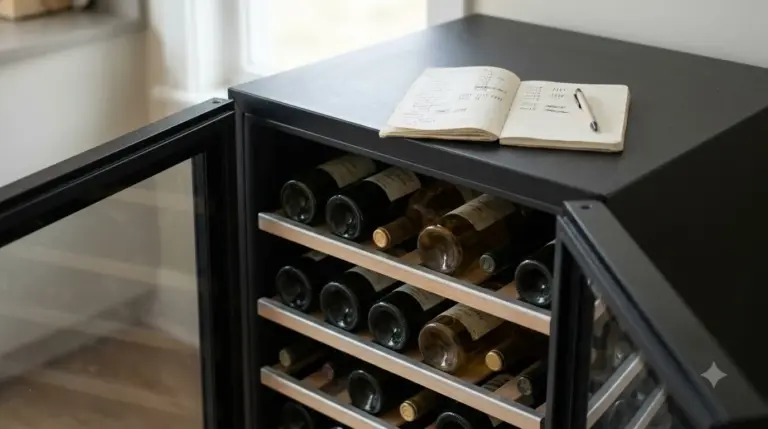
For longer storage, keep wine in a cool, dark environment with minimal temperature fluctuations. A temperature near 55°F is a useful target for wine storage. Bottles sealed with natural cork should generally be stored on their sides to keep the cork from drying out.
Keep bottles away from direct sunlight, heating equipment, and strong vibration. A kitchen counter beside an oven is not a suitable long-term storage location because frequent temperature changes can negatively affect wine quality.
Mouton Cadet’s standard red is primarily intended for accessible drinking rather than decades of cellar development. SAQ describes its listed red as suitable for drinking immediately or keeping for up to five years following the vintage. That recommendation applies to the particular listing and should not be treated as a universal aging guarantee for the entire range.
Preserving Opened Wine
After opening a bottle, reseal it with its original closure or a suitable wine stopper and place it in the refrigerator. Most opened still wines remain in reasonable drinking condition for approximately 3–5 days, depending on the wine, storage conditions, and exposure to oxygen.
White and rosé should also be refrigerated after opening. Allow the wine to warm slightly before serving if it has become colder than the preferred temperature. For red wine, refrigeration after opening can help slow oxidation even if the bottle will later be served at a warmer temperature.
Pay attention to changes in aroma and flavor. Dull fruit, excessive oxidation, or unpleasant vinegar-like notes indicate that the remaining wine may no longer offer its intended character. Properly closing and chilling the bottle can help reduce these changes.
Frequently Asked Questions
Is Mouton Cadet made from grapes grown in Bordeaux?
Mouton Cadet works with partner winegrowers across Bordeaux appellations rather than relying on a single estate vineyard. Its producer describes a network of 150 winegrowers contributing grapes and wines to the collection. This collaborative approach allows the winemakers to select different terroirs for different styles.
Does Mouton Cadet have an environmental certification?
The producer identifies High Environmental Value certification, commonly abbreviated as HVE, as part of its vineyard commitments. The Mouton Cadet Red product information specifies HVE 3 for its participating winegrowers. This certification relates to environmental vineyard practices and should not automatically be interpreted as organic certification.
Can Mouton Cadet be served at a wine tasting?
Yes. A tasting can include its red, white, and rosé wines to demonstrate how different Bordeaux grapes contribute to different styles. For a useful comparison, pour approximately 2 ounces of each wine and serve them at their respective recommended temperatures.
Is Mouton Cadet suitable for a wine gift?
It can be an appropriate gift for someone who enjoys recognizable French wines or is beginning to explore Bordeaux. The standard red is a straightforward option, while a Sélection Haut-Médoc bottling may appeal to someone interested in more structured regional wines. For a collector seeking a prestigious classified estate, a different wine category would be more appropriate.
Does Mouton Cadet make a wine specifically for chilled drinking?
Yes. Its official collection includes a light, organic, vegan Merlot red promoted with the phrase “CHILL IT! DRINK IT!” The producer recommends serving this particular wine at 8–10°C, making it a distinct option from its traditional red Bordeaux bottling.
Mouton Cadet is worth considering if you want approachable Bordeaux wines with recognizable regional grape varieties and several styles to choose from. Its Merlot-led red is the natural starting point, while the white and rosé provide alternatives for lighter meals and warmer occasions. Focus on the specific cuvée, grape composition, and intended serving style rather than assuming every bottle in the collection offers the same experience.
More in Wine Brands
 Norton Wine Price: Compare Bottles and Find the Right ValueUpdated Nov 21, 2026
 Nicolas Feuillatte Brut Price: What Buyers Should ExpectUpdated Nov 21, 2026
 Mumm Napa Wine Price: Compare Bottles and Find Your Best FitUpdated Nov 21, 2026
 Mirassou Wine Review: Choose the Right California Wine for Every OccasionUpdated Nov 21, 2026
 Migration Wine Price: Compare Bottles and Find Better ValueUpdated Nov 21, 2026
 Mouton Cadet Wine Price: What to Pay for Each Bordeaux StyleUpdated Nov 21, 2026