


We may earn a commission when you buy through links on this page, at no extra cost to you. Learn more.
Mouton Cadet wine price in the United States typically falls around $9 to $18 for a standard 750 ml bottle, depending on the wine style, retailer and location. The familiar Bordeaux red is generally the most straightforward entry point, while white and rosé bottlings offer alternatives for different meals. More specialized Réserve wines can occupy a higher price tier, so comparing the exact bottling matters more than relying on the brand name alone. Mouton Cadet is a Rothschild-family Bordeaux brand, but it is not the same wine as Château Mouton Rothschild.
Mouton Cadet has a long history in Bordeaux and a broad international distribution network, making it a recognizable name for shoppers interested in French wine. Its appeal is the combination of regional identity, familiar Bordeaux grape varieties and accessible everyday styles. Understanding the differences between its collections helps explain what a reasonable retail price looks like and when paying more makes sense.
Who This Mouton Cadet Price Guide Is For
This guide is for shoppers comparing French Bordeaux wines, choosing a bottle for dinner or deciding whether a particular Mouton Cadet listing represents reasonable value. The standard range is especially relevant to people who want a recognizable French red without moving into the more expensive château-bottled Bordeaux category.
Mouton Cadet was created in 1930 by Baron Philippe de Rothschild. According to the producer’s official Mouton Cadet brand history, the original wine was sourced from different Bordeaux terroirs. The idea was to create a branded wine that could introduce a wider audience to the region rather than restrict the name to one individual vineyard.
That distinction remains important when comparing prices. A bottle labeled Mouton Cadet Bordeaux is not automatically equivalent to a bottle from a prestigious individual château. It belongs to a branded regional wine range, with its own production choices, grape blends and positioning.
The guide is also useful for people familiar with Mouton Cadet wine who want to compare the standard red with its white, rosé and Réserve selections. These wines do not necessarily have identical production costs or market positioning, even when they share the same brand identity.
Shoppers considering French wine as a gift should pay attention to the specific appellation and collection printed on the front label. A standard Bordeaux bottle is generally an everyday purchase, whereas a more geographically specific Réserve bottling may be intended for a different occasion.
Finally, this guide helps distinguish Mouton Cadet from other familiar supermarket wine brands. For example, Barefoot wine generally occupies a different market position, with a more casual, variety-led identity. Mouton Cadet’s Bordeaux origin and traditional grape varieties give it a different selling point.
Key Factors That Determine Mouton Cadet Wine Price
The main pricing factors are wine style, collection, bottle size, retailer and local distribution costs. A standard 750 ml Bordeaux red is a useful comparison point, while a more specialized regional selection can command a higher retail price.
| Wine or category | Typical US retail range | What influences the price | Buying consideration |
|---|---|---|---|
| Standard Bordeaux Rouge | About $9–$16 | Regional red blend and broad distribution | Everyday red wine option |
| Standard Bordeaux Blanc | About $9–$16 | White Bordeaux production and retailer selection | For seafood and lighter meals |
| Bordeaux Rosé | About $10–$18 | Rosé style and individual bottling | For casual meals and warm-weather occasions |
| Réserve selections | Varies by bottling and market | Specific Bordeaux appellation and wine selection | Compare the named appellation |
| Special collections | Varies by release and retailer | Distinctive blends and presentation | Check the exact wine identity |
These are indicative shopping ranges, not guaranteed national price bands. The standard red range is informed by GotoLiquorStore’s US listing, which displayed a 750 ml Mouton Cadet Red Bordeaux from $8.49, and Utah’s Department of Alcoholic Beverage Control, which listed the same bottle size at $14.99 in its retail schedule. White and rosé estimates are broader comparison ranges rather than verified national averages; prices vary by state and retailer.
Retailer differences can be substantial. A state-controlled liquor store may use a published statewide price, while a private retailer may set prices according to its local supply, operating costs and inventory. Online listings may also display starting prices that depend on the delivery area.
Collection and appellation
The collection is another important factor. The standard Bordeaux label is the natural starting point for most shoppers. A Réserve wine with a named appellation, such as Médoc or Pauillac, represents a more specific regional selection and should be evaluated separately.
Do not assume that every wine with the word Réserve has the same price or quality profile. The named area, grape composition, vintage and retailer all influence the final cost. A Réserve Bordeaux and a Réserve Pauillac are not interchangeable descriptions.
Bottle size and vintage
The standard 750 ml bottle is the most useful reference when comparing retail prices. A 375 ml bottle contains half the volume, while a 1.5-liter bottle contains twice as much. Comparing only the shelf price without considering bottle size can therefore produce misleading conclusions.
Vintage can also influence the price of Bordeaux red wine. Weather conditions, grape ripeness and the producer’s blending decisions can affect the character of a particular release. A bottle from a different vintage is not necessarily identical to the one described in an online product listing.
Retailer and location
Availability is not uniform across the United States. Some stores carry only the standard red, while others offer several colors and special collections. Shipping restrictions, local alcohol taxes and state distribution systems can further affect the amount paid at checkout.
Tip: Compare two or three retailers using the same wine name, vintage and 750 ml bottle size. A lower price on a different Mouton Cadet collection is not necessarily a better value.
Step-by-Step: How to Compare Mouton Cadet Prices
A sensible purchase starts with identifying the exact wine rather than searching for the cheapest bottle carrying the Mouton Cadet name. A few simple checks can prevent confusion between the standard Bordeaux collection and more specialized releases.
-
Choose the wine color.
Decide whether the meal calls for red, white or rosé. A Bordeaux red blend works particularly well with roasted meat, while a fresh white Bordeaux is more appropriate for lighter seafood dishes. -
Identify the collection.
Look for the standard Bordeaux designation or a more specific Réserve label. The difference can explain much of the price variation between two bottles from the same producer. -
Confirm the bottle size.
Use 750 ml as the standard comparison size. If one retailer lists a 375 ml bottle and another lists 750 ml, compare their cost per milliliter before making a decision. -
Compare the vintage.
Check whether both listings refer to the same harvest year. A vintage difference may explain why two otherwise similar bottles have different shelf prices. -
Check the retailer’s actual listing.
Look at the bottle description, availability and local delivery conditions. A displayed starting price may not apply to every ZIP code or store. -
Consider the occasion.
An everyday dinner does not necessarily require a specialized Réserve selection. For a more formal meal or a gift, a bottle with a clearly identified appellation may be a more appropriate choice. -
Evaluate the complete purchase.
Consider local taxes, delivery charges and the quantity needed. Buying several bottles from different collections can be useful when serving guests with different wine preferences.
This process makes comparisons more meaningful because it separates genuine differences in wine style from simple retailer pricing differences. It also helps avoid paying extra for a label that does not match the intended occasion.
For an independent retail reference, the Utah Department of Alcoholic Beverage Control retail price list records a Mouton Cadet Red Bordeaux 750 ml bottle at $14.99. This is a state-specific reference rather than a universal national price.
Mouton Cadet Wine Types and Styles Explained
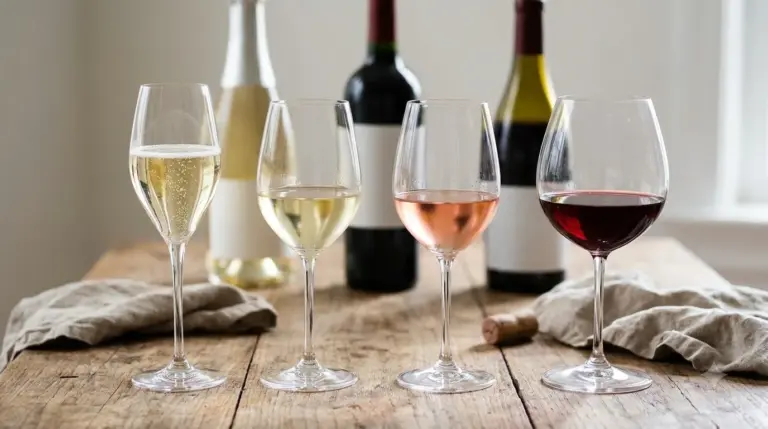
Mouton Cadet includes red, white and rosé wines, along with more geographically specific Réserve selections. Understanding their grape varieties and intended drinking styles makes it easier to choose the right bottle without automatically selecting the most expensive option.
Mouton Cadet Rouge
The red Bordeaux is the best-known starting point for shoppers exploring the range. Its traditional blend uses Merlot, Cabernet Sauvignon and Cabernet Franc, with Merlot generally providing the softer, rounder character.
A product listing from the Société des alcools du Québec identifies one Mouton Cadet Bordeaux red blend as 80% Merlot, 12% Cabernet Sauvignon and 8% Cabernet Franc. The same listing describes oak, red-berry and vegetal aromas, with a dry, medium-bodied profile.
Those proportions provide a useful illustration of the style, although the blend should not be assumed to remain identical across every vintage. Merlot contributes fruit and suppleness, while Cabernet Sauvignon adds structure. Cabernet Franc contributes additional finesse and balance.
This makes the red a practical option for roast chicken, grilled beef, pasta with meat sauce and other savory meals. Its medium body is approachable without losing the recognizable character of Bordeaux red grapes.
Mouton Cadet Blanc
The white selection offers a different expression of Bordeaux. Sauvignon Blanc is an important grape to look for in this style, bringing fresh citrus character and lively acidity.
Instacart’s Mouton Cadet product information describes lemon and grapefruit aromas in its white Bordeaux listing. That flavor profile makes it a useful choice for grilled fish, shellfish, salads and poultry with lighter sauces.
White Bordeaux can be particularly attractive to shoppers who enjoy Sauvignon Blanc but want a French regional wine rather than a single-variety bottle from New Zealand or California. Its style is generally more appropriate for meals where freshness matters more than tannin or weight.
Mouton Cadet Rosé
The rosé selection provides a lighter alternative to the traditional red. It suits outdoor meals, casual gatherings and dishes that do not require a structured red Bordeaux.
Serve rosé around 45–50°F to preserve its fresh character. Grilled vegetables, tomato salads, seafood appetizers and lightly seasoned chicken are useful food matches.
Rosé is also worth considering for shoppers who want one bottle that can accompany several different appetizers. Its versatility can be more valuable than choosing a more expensive red wine that does not match the entire menu.
Mouton Cadet Réserve
The Réserve range gives shoppers access to more specifically identified Bordeaux selections. The official brand history records that Baroness Philippine de Rothschild introduced the Réserve range in 1993, alongside white and rosé wines.
Individual Réserve bottlings can carry names such as Médoc, Pauillac or Margaux. These geographical references are meaningful because they identify particular Bordeaux wine areas rather than simply describing a general red blend.
For a buyer, the important question is whether the more specific regional identity justifies the additional cost. A shopper interested in discovering the differences between Bordeaux appellations may find the selection worthwhile. Someone looking for a straightforward weeknight wine may be perfectly satisfied with the standard Bordeaux bottling.
Special and collaborative collections
Some Mouton Cadet releases use distinctive collection names or collaborative presentations. These should be evaluated individually rather than treated as interchangeable with the core Bordeaux wines.
Packaging, grape composition and the intended drinking style can differ. A special label may be attractive as a gift, but the appearance of the bottle alone does not establish that the wine offers better value.
Common Mistakes When Buying Mouton Cadet
The most frequent buying mistakes involve confusing the brand with Château Mouton Rothschild, overlooking collection differences and comparing unrelated bottle sizes. Recognizing these distinctions makes the price much easier to evaluate.
Confusing Mouton Cadet with Château Mouton Rothschild
This is probably the most important distinction for shoppers. Baron Philippe de Rothschild created Mouton Cadet in 1930, and the name reflects his family connection to Château Mouton Rothschild.
However, the two wines have different identities and market positions. Mouton Cadet is a branded Bordeaux range, while Château Mouton Rothschild is a prestigious estate wine from Pauillac. The shared Rothschild name does not mean they are interchangeable products.
Anyone researching Château Mouton Rothschild wine should therefore use separate price expectations and buying criteria. Applying the pricing of the estate wine to Mouton Cadet would create a completely misleading comparison.
Assuming all Bordeaux reds taste alike
Bordeaux is a large wine region with different grape combinations, growing conditions and appellations. A Merlot-led regional blend may be softer and more immediately approachable than a Cabernet Sauvignon-dominant wine from another part of the region.
It is better to compare the actual grape composition and style than to assume that the word Bordeaux guarantees a particular taste. This is especially important when comparing a standard Mouton Cadet bottle with a named Réserve selection.
Ignoring the vintage
Vintage differences can influence freshness, structure and drinking readiness. A younger red Bordeaux may show more primary fruit, while a bottle with some additional age may have developed softer characteristics.
Do not automatically choose an older bottle simply because it has been stored longer. Proper storage conditions matter, and a more recent release can be the more suitable everyday purchase.
Paying extra for presentation alone
Special labels and gift packaging can make a bottle look more impressive, but presentation is not a substitute for wine quality. Consider the appellation, blend, intended style and occasion before paying more.
A standard Mouton Cadet red may be a more sensible dinner purchase than a higher-priced special release if both are intended to accompany a simple meal. The best value is the bottle that delivers the style the buyer actually wants.
Using a foreign price as a US benchmark
International wine listings can provide useful information about product identity, but their prices cannot be transferred directly to the American market. Currency conversion does not account for import costs, taxes, distribution arrangements or retailer margins.
For example, the SAQ is a Canadian retailer, and its displayed price is denominated in Canadian dollars. US shoppers should prioritize American retailer listings and state-specific price schedules when estimating their purchase cost.
Care and Storage Tips for Mouton Cadet
Good storage and correct serving temperatures help preserve the wine’s intended character. A cool storage environment near 55°F and appropriate chilling before serving are useful starting points for both red and white Mouton Cadet bottles.
Storing unopened bottles
Store unopened bottles away from direct sunlight, strong temperature fluctuations and heat-producing appliances. A stable environment near 55°F is a useful target for longer storage.
Traditional cork-sealed bottles are best stored on their sides so the cork remains in contact with the wine. Avoid placing wine near ovens, radiators or sunny windows, where repeated warming can affect its quality.
Standard Mouton Cadet wines are generally purchased for relatively accessible drinking rather than extended cellar aging. There is little reason to hold an everyday bottle for many years unless the specific wine and vintage are intended for that purpose.
Serving temperature
Temperature makes a noticeable difference to the drinking experience. Serving red wine too warm can make alcohol seem more prominent, while serving white wine too cold can mute its aromas.
- Mouton Cadet Rouge: Approximately 60–65°F for a fuller red experience, with lighter expressions potentially benefiting from slightly cooler service.
- Mouton Cadet Blanc: Approximately 45–50°F to emphasize freshness and citrus character.
- Mouton Cadet Rosé: Approximately 45–50°F for a refreshing serving style.
- Réserve red selections: Approximately 60–65°F, depending on body and structure.
If a red bottle has been kept at normal room temperature in a warm home, a short period in the refrigerator can help bring it closer to the preferred serving range.
Decanting and opening
Most standard Mouton Cadet bottles can be served without extensive preparation. A simple opening and a short period of aeration in the glass are generally sufficient for an approachable regional red.
Young, more structured full-bodied reds can benefit from approximately 30–60 minutes of decanting. However, there is no need to decant every bottle automatically. The standard Bordeaux red is often intended for relatively uncomplicated drinking.
Keeping opened wine fresh
Once opened, reseal the bottle and refrigerate it. Most still wines retain their best qualities for approximately 3–5 days after opening, although freshness depends on the wine, storage conditions and amount of air remaining in the bottle.
For red wine, refrigeration is also useful after opening. Allow the wine to warm slightly before serving again if it becomes too cold. A proper wine stopper can help limit oxygen exposure, but it cannot completely prevent gradual changes.
For households that open wine occasionally, purchasing one 750 ml bottle at a time can be more practical than buying several bottles that may remain unfinished. A standard bottle provides approximately five 5-ounce servings.
Frequently Asked Questions
Is Mouton Cadet considered an expensive wine?
No. Mouton Cadet is generally positioned as an accessible branded Bordeaux rather than a luxury estate wine. Its standard range is intended to introduce consumers to Bordeaux without requiring the investment associated with prestigious château bottlings.
Does Mouton Cadet use grapes from Château Mouton Rothschild?
The brand’s historical origin is connected to Baron Philippe de Rothschild, but Mouton Cadet was created as a branded wine sourced from different Bordeaux terroirs. Its identity is separate from the estate’s own grand vin. The shared family history should not be interpreted as proof that the wines share the same vineyard sources.
Is Mouton Cadet suitable for a beginner learning about Bordeaux?
Yes. Its recognizable Bordeaux grape varieties provide a useful introduction to Merlot, Cabernet Sauvignon and Cabernet Franc. Comparing a standard red with a white Sauvignon Blanc-based selection can also help beginners understand how grape variety and wine color influence the drinking experience.
How many glasses are in a standard Mouton Cadet bottle?
A 750 ml bottle contains approximately 25.4 US fluid ounces. At a standard 5-ounce wine pour, that works out to roughly five glasses. Smaller 3-ounce tasting pours provide approximately eight servings, making one bottle useful for a small tasting with several people.
Can Mouton Cadet be purchased in a half bottle?
Some Mouton Cadet retail listings include a 375 ml format, although availability depends on the market and individual retailer. A half bottle contains approximately two and a half standard 5-ounce servings. It can be a practical format for a smaller meal or a household that does not want to keep leftover wine.
Mouton Cadet is a recognizable way to explore Bordeaux through approachable red, white, rosé and Réserve selections. For most shoppers, the standard 750 ml Bordeaux bottle is the sensible starting point, with a typical US retail comparison range of approximately $9 to $18. Compare the exact collection, vintage and retailer before buying, and choose the wine that best matches the meal rather than assuming that a higher price always means a better bottle.
More in Wine Brands
 Nicolas Feuillatte Brut Price: What Buyers Should ExpectUpdated Nov 21, 2026
 Mumm Napa Wine Price: Compare Bottles and Find Your Best FitUpdated Nov 21, 2026
 Mirassou Wine Review: Choose the Right California Wine for Every OccasionUpdated Nov 21, 2026
 Migration Wine Price: Compare Bottles and Find Better ValueUpdated Nov 21, 2026
 Mouton Cadet Wine Review: Choose the Right Bordeaux StyleUpdated Nov 21, 2026
 Merry Edwards Sauvignon Blanc Price: What to Expect Before BuyingUpdated Nov 21, 2026