

We may earn a commission when you buy through links on this page, at no extra cost to you. Learn more.
Mouton Cadet wine is a Bordeaux brand linked to the Rothschild family, sold as reds, whites, and rosés, from everyday bottles up to named appellations such as Pauillac, Margaux, and Médoc. The range is wider than most shoppers expect, so the line and the appellation on the label matter more than the brand name alone. This guide explains where the wines come from, how the collections differ, how to serve them, and what to check before you buy a bottle for dinner or a casual weeknight.
Mouton Cadet appears on many wine shelves, often next to other Bordeaux labels, and it is easy to assume every bottle tastes the same. In practice the brand covers several styles, and each one suits a different occasion. The sections below walk through the producer background, the range, flavor, serving, food matches, and how to pick the right bottle.
Who makes Mouton Cadet and where it comes from
Mouton Cadet is a Bordeaux brand. The producer’s own website links the brand to Baron Philippe de Rothschild and describes a know-how built up since 1930, presented as three generations of winemaking. The brand describes a vine-to-glass approach, with the vineyard treated as the starting point and the wines built by blending the different terroirs of Bordeaux.
The wines are placed in Bordeaux and its sub-regions, including Médoc, Pauillac, and Graves. That origin is the key thing to understand. Mouton Cadet is a Bordeaux-style brand made from several sources across the region, not a single estate in one village.
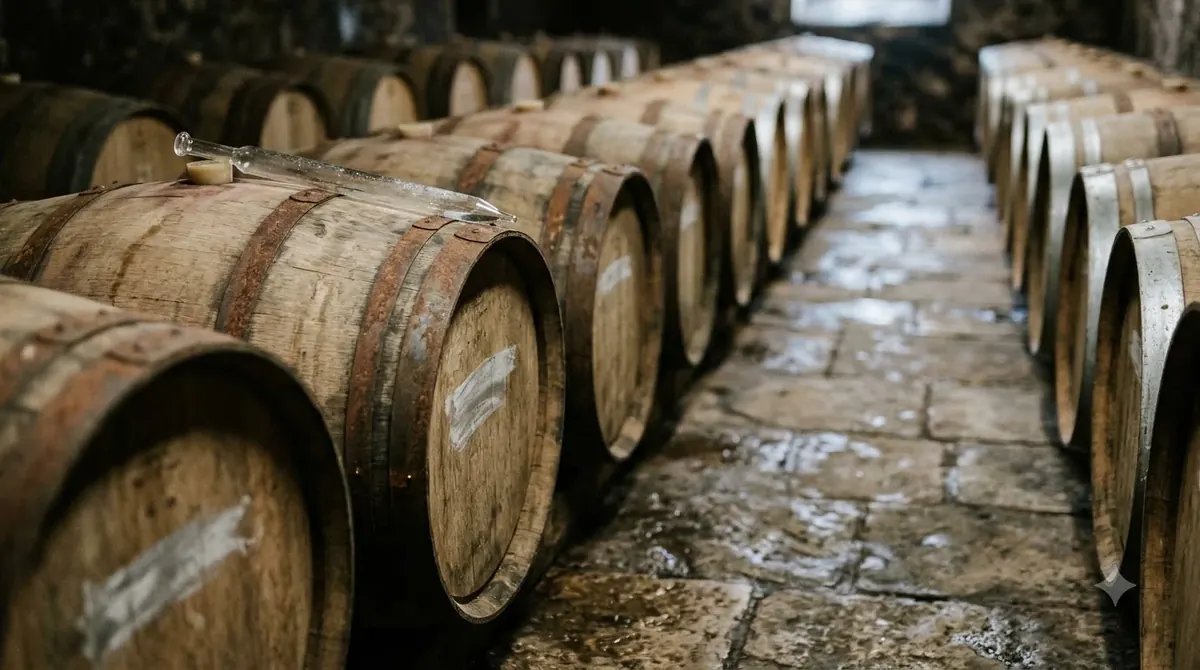
The brand also states commitments to nature and people and notes its Haute Valeur Environnementale certification, which is a French environmental standard for farms. Those points matter less for a buying decision than the appellation and the style, but they explain why the brand puts so much emphasis on the vineyard.
The Mouton Cadet range at a glance
The lineup is split into collections. Some are everyday wines, some are named-appellation bottles, and a few are collaboration or organic releases. The table below lists the main groups as the producer describes them, so you can see which line fits your plans before you read a single back label.
| Collection | What it includes | Best use |
|---|---|---|
| Icône | Red, white, and rosé; a Sauvignon Blanc and red “Les Terroirs”; an organic red; Sélection wines from Côtes de Bordeaux and Haut-Médoc | Everyday drinking and weeknight meals |
| Cuvée Vigneron | Cuvée Angélique, presented as a rare edition | Gifts and special bottles |
| Cuvée Héritage | A white (Héritage Blanc) and a red aged in wood | Dinners where you want more structure |
| Prestige (Réserves) | Ten wines from named appellations, including Pauillac, Margaux, Saint-Estèphe, Saint-Émilion, Pessac-Léognan, Sauternes, Médoc, Haut-Médoc, and Graves | Planned meals and cellaring |
| Fresh | Three lighter wines made with partners: a red, a white, and a rosé | Casual gatherings and picnics |
Within the Prestige group, the appellation name on the label is the most useful clue. A bottle labeled Pauillac or Margaux points to a specific commune in the Médoc, while a bottle labeled Bordeaux or Côtes de Bordeaux is a broader regional wine. The more specific the place, the more the wine usually reflects a single set of soils and climate.
Flavor and style
Red Bordeaux is usually built on a blend. Cabernet Sauvignon and Merlot are the core grapes across much of the region, with other varieties used in smaller amounts depending on the commune and the producer. Mouton Cadet’s site names Merlot for its organic red, which the brand calls the king grape of Bordeaux, and it names Sauvignon Blanc for the Les Terroirs white. Few other grapes are named on the site, so the exact blend of any bottle is best checked on its back label.
In general, young Bordeaux-style reds show dark fruit, savory notes, and firm tannins, and the structure softens with time in the bottle. The lighter organic red in the Icône group is the more approachable end of the red range. Whites from the region are often built on Sauvignon Blanc and tend to be fresh and citrusy. Rosés are usually lighter and fruit-led, which makes them easy to match with food.
How to serve Mouton Cadet
Serve red Mouton Cadet a little below room temperature rather than warm. The producer does not publish a serving temperature, so the general guidance from wine educators is the reference here: cool the bottle slightly, and let the glass sit for a few minutes so the aromas open. VinePair’s wine basics section explains serving temperature and decanting in more detail if you want a fuller method.
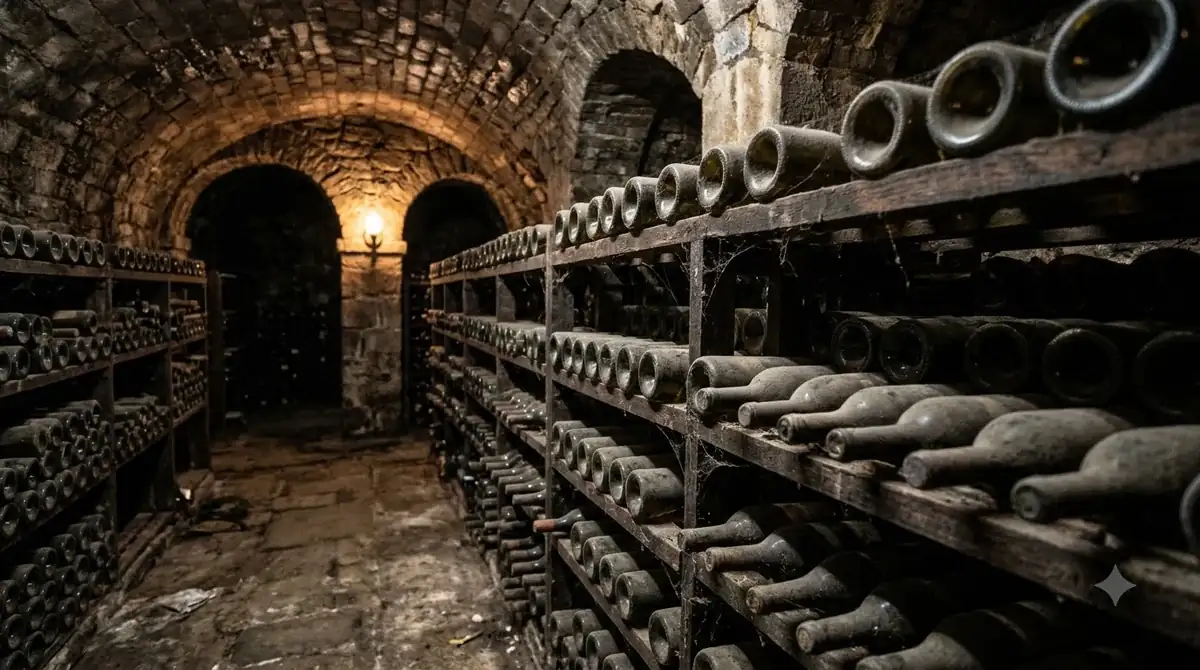
A short decant is useful for the more structured Prestige reds, since it gives the tannins a little air. The Everyday Icône reds usually drink well straight from the bottle. For whites and rosés, serve them cold and open them close to the meal, since they lose freshness faster than the reds.
Tip: If a bottle says only “Bordeaux,” it is a regional wine. Look for a commune name such as Pauillac or Margaux when you want a more specific style.
Food pairing for Mouton Cadet
Bordeaux reds pair well with food that has fat and savory depth. Roast lamb, grilled steak, mushroom dishes, and aged hard cheeses are classic matches. The Prestige reds have enough structure to handle richer sauces, while the Icône reds suit simpler roasted vegetables and burgers.
The white and the rosé fit lighter menus. Seafood, roast chicken, and salads with goat cheese work with the white. The rosé is a good match for grilled vegetables, picnic food, and dishes with herbs. Matching the weight of the food to the weight of the wine is the simplest rule to follow.
How to choose the right bottle
Start with the purpose. For a casual meal, the everyday reds and whites in the Icône group give you a reliable Bordeaux-style taste. For a special dinner, the named-appellation bottles in the Prestige group show more of the place, and the Cuvée Héritage aged in wood adds structure. If you want a lower-intensity option, the Merlot-based organic red is the one the producer highlights.
Read the label for three details: the vintage, the appellation, and the collection name. Those three items tell you more about the wine than the marketing words on the front. If you are buying for a gift, the Cuvée Vigneron line is the one the producer presents as a rare release.
Common mistakes buyers make
The most common mistake is treating Mouton Cadet as one product. The Icône, Prestige, and Fresh lines are very different, and a bottle picked for a weeknight may not suit a formal dinner. The second mistake is serving red too warm. A cool red shows its fruit more clearly and feels less heavy on the palate.
A third mistake is ignoring the appellation. Shoppers often buy the cheapest-looking label without checking whether it is a regional blend or a commune wine. Checking the label takes seconds and makes the choice much clearer.
Frequently Asked Questions
Is Mouton Cadet a good everyday red?
Yes, the Icône and Fresh lines are designed for everyday drinking and offer approachable Bordeaux-style reds. The named-appellation Prestige bottles are more structured and usually suit a planned meal better.
Is Mouton Cadet made by Château Mouton Rothschild?
No. Mouton Cadet is a separate brand from the first-growth Château Mouton Rothschild estate. The brand is linked to the Rothschild family, but its wines are sourced from several Bordeaux areas rather than one château.
What grapes are in Mouton Cadet red?
The blend changes by bottle. The producer names Merlot for its organic red and describes its wines as Bordeaux blends, so the back label is the reliable place to check the grape list for a specific bottle.
Should Mouton Cadet be served chilled?
The white and rosé should be served cold, and the red should be cool rather than warm. The producer does not publish exact temperatures, so general wine-service guidance is a good starting point, and you can adjust to your taste.
If you want to compare Mouton Cadet with other producers, the Wine Brands hub is a good place to start. For a red from a different country and style, the Antinori red wine guide shows how an Italian producer approaches the same question of structure and food matching.
More in Wine Brands
 Underwood Wine Price: Compare Bottles, Cans, and Pack SizesUpdated Nov 21, 2026
 Zenato Wine Price: Compare Styles and Choose the Right BottleUpdated Nov 21, 2026
 Zuccardi Wine Price: Compare Bottles and Find the Right RangeUpdated Nov 21, 2026
 Yellow Tail Moscato Review: Taste, Sweetness and Serving TipsUpdated Nov 21, 2026
 Wolf Blass Yellow Label Review: Choose Your Best StyleUpdated Nov 21, 2026
 Wolffer Estate Rose Review: Choose the Right Bottle for Your TableUpdated Nov 21, 2026