

We may earn a commission when you buy through links on this page, at no extra cost to you. Learn more.
Chateau Mouton Rothschild wine is a red from Pauillac in the Médoc, a Premier Cru Classé estate in Bordeaux whose history runs through the Rothschild family. The wine is a structured, age-worthy Bordeaux red, and its label art is as well known as the bottle itself. This guide covers the estate’s background, what the wine tastes like, how to serve it, and how to choose a bottle.
Chateau Mouton Rothschild is one of the best-known names in Bordeaux, and many buyers recognize it before they know much about the wine. That reputation can make the bottle feel out of reach, so it helps to separate the estate’s history from the practical questions a shopper actually has. The sections below cover where the wine comes from, what to expect in the glass, and how to serve and pair it, using the estate’s own history pages and general Bordeaux guidance.
Where the Estate Comes From
The estate sits in Pauillac, in the heart of the Médoc on Bordeaux’s Left Bank. The château’s own website presents it as a Premier Cru Classé estate, and its history section moves from the Marquis to the Barons of the Rothschild family. The key date the estate gives is 1853, when Baron Nathaniel de Rothschild bought Château Brane-Mouton at auction and the property was renamed Château Mouton Rothschild.
The family’s later chapters are just as important to the brand. Baron Philippe de Rothschild, who lived from 1902 to 1988, and Baroness Philippine de Rothschild, who lived from 1933 to 2014, are central figures in how the estate is presented today. Their names appear across the château’s history pages, which helps explain why the bottle is so closely tied to a family story and not only to a single vintage.
What the Wine Tastes Like
Bordeaux reds from the Left Bank are usually built around Cabernet Sauvignon, with Merlot and other varieties in the blend. Wines of this type are typically medium-full to full-bodied, with firm tannin and good acidity, and they gain complexity as they age. A young Mouton can feel tight and dark, while an older bottle tends to show more savory and earthy notes. The exact balance changes from vintage to vintage, so check the year before you judge the style.
Merlot plays a supporting role in many Bordeaux blends, and it adds softness and red fruit to the structure that Cabernet provides. Wine Folly’s Merlot guide lists cherry, plum, and vanilla as typical flavors and describes Merlot as medium-full bodied with medium-high tannin. That combination helps explain why a Bordeaux blend can feel both firm and rounded at the same time.
| Element | What to expect | Why it matters |
|---|---|---|
| Cabernet Sauvignon | Structure, dark fruit, firm tannin | Gives the wine its backbone and aging potential |
| Merlot | Softer fruit, plum and cherry notes | Rounds out the blend and adds approachability |
| Oak aging | Vanilla, spice, toasty notes | Adds complexity, especially in younger vintages |
Tip: Young Left Bank reds often need food or a few years in the cellar before they show their full balance. If you plan to open a bottle soon after buying it, give it time in the glass or decant it first.
How to Serve Chateau Mouton Rothschild
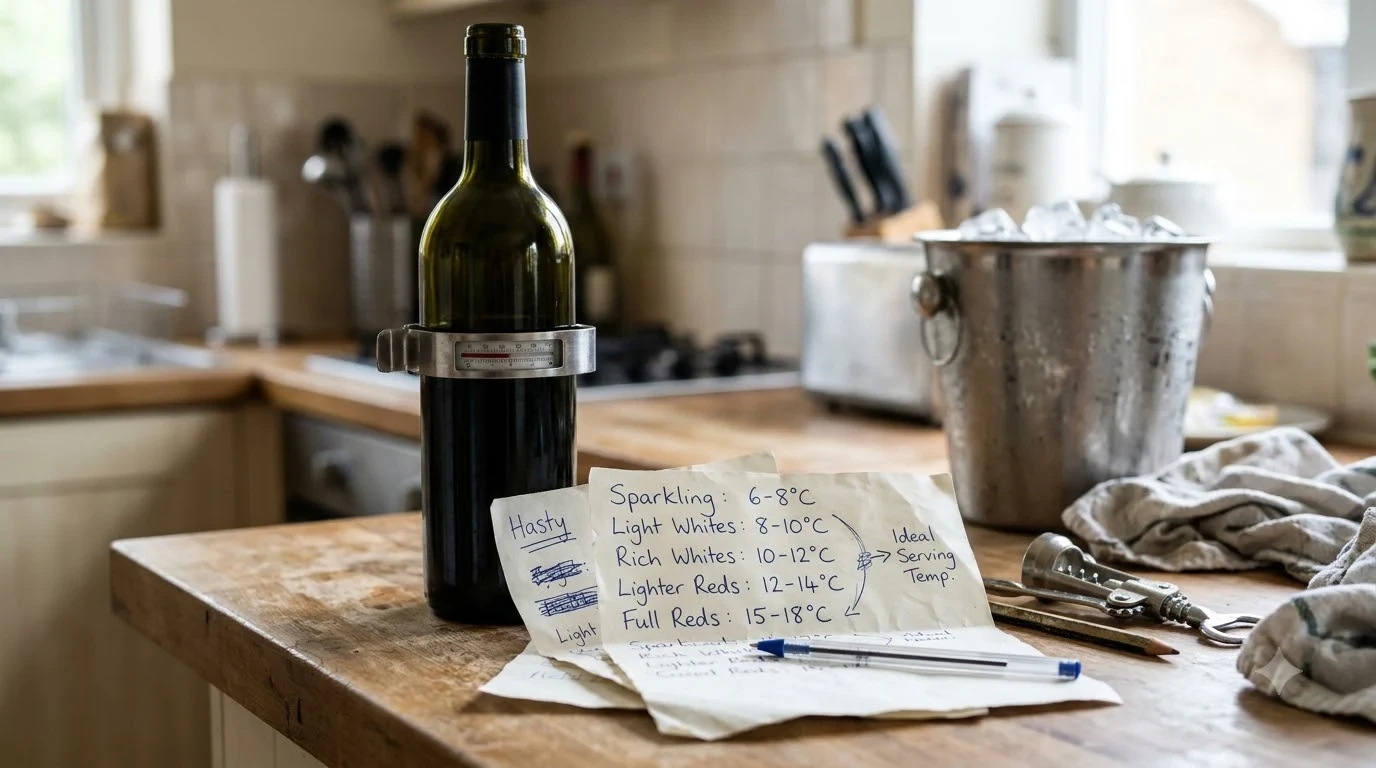
Serve Bordeaux reds slightly below room temperature. Wine Folly gives 60 to 68 degrees Fahrenheit as the usual range for Merlot, and a similar range is a sensible starting point for a Left Bank blend. A bottle that is too warm can taste heavy and alcoholic, while one that is too cold can hide its aromas and make tannin feel harsher.
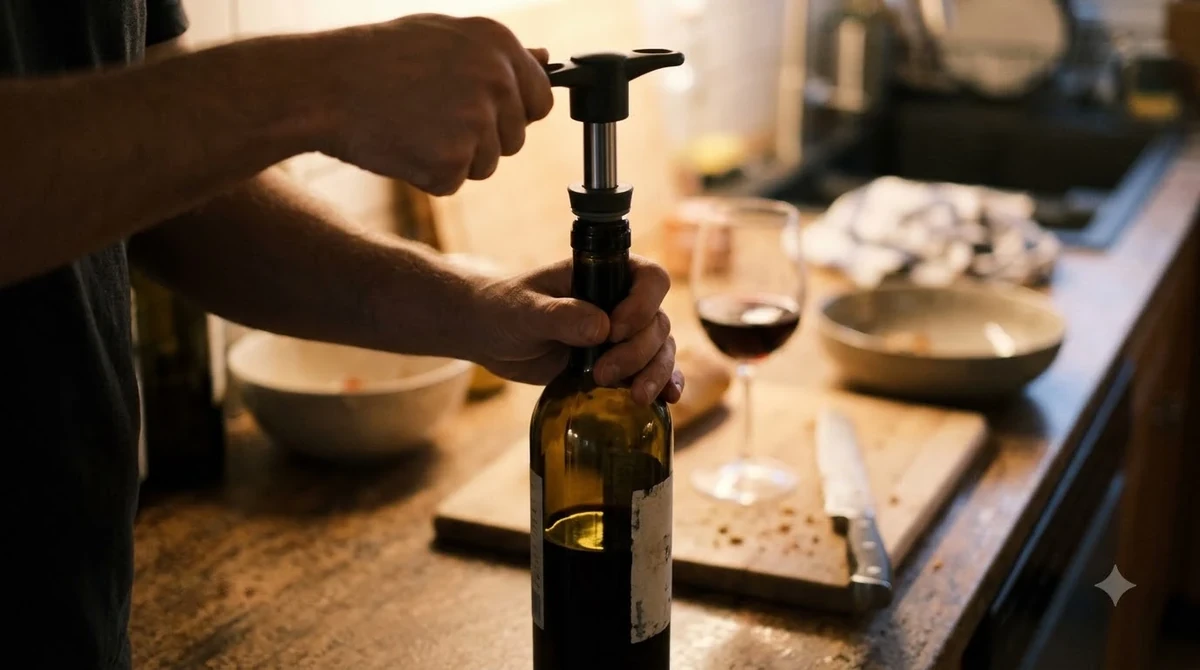
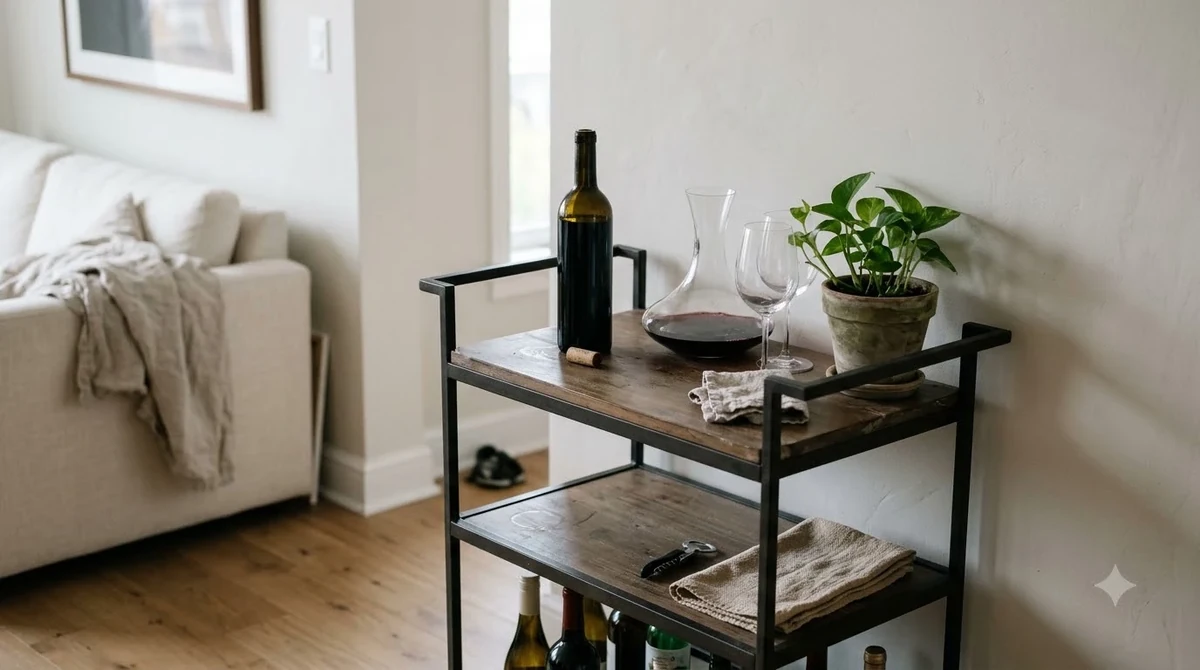
Decanting is a common step for structured Bordeaux, especially younger bottles. Pouring the wine into a decanter lets it breathe and separates it from any sediment that can form in older bottles. Use a wide glass with a generous bowl so the aromas can gather near the rim, and pour a small amount first to check how the wine is opening.
Food Pairing With Bordeaux Reds Like This
A Left Bank red pairs best with rich, savory food. Roasted beef, lamb with herbs, and braised dishes all match the wine’s tannin and body. Aged cheeses are another strong choice, because their fat softens the tannin and brings out the wine’s fruit. Simple roasted vegetables and mushrooms work well for guests who do not eat meat.
The easiest mistake is serving a structured red with light, delicate food, where the wine can overwhelm the plate. Match the weight of the bottle to the weight of the dish, and save the most full reds for the most substantial courses.
Who This Wine Suits and Who Might Skip It
A bottle like this suits collectors, special-occasion drinkers, and anyone who wants to learn how a classified Bordeaux estate tastes. It also suits guests who appreciate a structured red with a clear story behind it. The label, the estate history, and the vintage details give a lot to talk about at the table.
It may be less satisfying for drinkers who want a fresh, fruity red for everyday meals or who prefer lighter styles. For everyday drinking, a more modest Bordeaux or a red from another region may suit better. To compare the wider field, the wine brands overview on this site is a useful starting point, and a look at a producer such as Chateau Margaux shows how two famous Left Bank estates differ in style and history.
How to Choose a Bottle
Start with the vintage, because weather and winemaking change the balance of a Bordeaux red from one year to the next. Then check the château name and the bottling details on the label, since the same estate can produce wines of different ages. Buying from a reputable retailer that stores bottles properly is especially important for a wine meant to age.
Bottle condition matters as much as the vintage for a wine with this reputation. Look for clean labels, intact capsules, and a fill level that suits the bottle’s age, since a low fill can point to long storage or heat exposure. A reputable merchant should be able to describe where the bottle has been kept, and that information is worth asking for before you pay.
Prices vary widely by vintage, retailer, and condition, so compare what you see on the shelf or in an auction listing rather than relying on any figure from an article. If you are buying to drink soon, look for a younger vintage that has had time to settle. If you are buying to age, ask about storage history before you pay.
Frequently Asked Questions
What is Chateau Mouton Rothschild known for?
It is a Premier Cru Classé estate in Pauillac, in the Médoc. The estate is known for its structured Bordeaux reds and for the close connection between its wines and the Rothschild family history.
What temperature should Chateau Mouton Rothschild be served at?
Serve it slightly below room temperature, roughly 60 to 68 degrees Fahrenheit, which is a common range for structured Bordeaux-style reds.
Should Chateau Mouton Rothschild be decanted?
Decanting is a common step for young, structured Bordeaux. It helps the wine open up and separates it from sediment in older bottles, though you can also pour it directly and let it breathe in the glass.
What food goes with a Left Bank Bordeaux red?
Roasted beef, lamb with herbs, braised dishes, and aged cheeses are reliable matches. Choose richer food for a wine with this much structure.
Chateau Mouton Rothschild is a classic Bordeaux red with a strong family story behind it. Read the vintage, serve it at a sensible temperature, and match it to food with real weight. For a wider view of brands you will see in the wine aisle, the wine brands guide is the next stop.
More in Wine Brands
 Underwood Wine Price: Compare Bottles, Cans, and Pack SizesUpdated Nov 21, 2026
 Zenato Wine Price: Compare Styles and Choose the Right BottleUpdated Nov 21, 2026
 Zuccardi Wine Price: Compare Bottles and Find the Right RangeUpdated Nov 21, 2026
 Yellow Tail Moscato Review: Taste, Sweetness and Serving TipsUpdated Nov 21, 2026
 Wolf Blass Yellow Label Review: Choose Your Best StyleUpdated Nov 21, 2026
 Wolffer Estate Rose Review: Choose the Right Bottle for Your TableUpdated Nov 21, 2026