

We may earn a commission when you buy through links on this page, at no extra cost to you. Learn more.
The typical mumm napa wine price ranges from about $25 to $60 for standard 750 ml bottles, with premium vintage and DVX releases reaching approximately $85 to $125 or more. Entry-level Napa selections such as Brut Rosé and Blanc de Blancs generally sit around the mid-$30 range at the winery, while Reserve bottlings cost more because of their positioning and more specialized production. Your final purchase cost depends on the specific wine, retailer, bottle size, vintage, and location.
Mumm Napa is a recognizable name in American sparkling wine, particularly for shoppers who want traditional-method bubbles from California’s Napa Valley. Its lineup covers several occasions, from casual celebrations with a bottle of Brut to more elaborate dinners featuring Reserve wines and vintage cuvées. Understanding the differences between these categories makes it easier to decide whether a particular bottle justifies its price.
This guide compares the main Mumm Napa price categories, explains the differences between its sparkling styles, and provides practical advice for choosing, serving, and storing a bottle. It also distinguishes Mumm Napa from the broader Mumm Sparkling range, an important detail when comparing bottles at American retailers.
Who This Mumm Napa Price Guide Is For
Mumm Napa is worth considering for shoppers who enjoy sparkling wine with fresh fruit, lively acidity, and the characteristic toasted notes associated with traditional-method production. Its range includes accessible non-vintage bottles, more developed Reserve selections, and premium vintage wines, making it relevant to both occasional sparkling wine drinkers and experienced buyers.

First-time buyers will generally find the standard Brut, Brut Rosé, and Blanc de Blancs categories the easiest starting points. These wines offer recognizable styles without requiring the higher commitment associated with a vintage prestige cuvée. A standard 750 ml bottle also provides approximately five conventional 5-ounce servings, making it a practical format for a small dinner or gathering.
Celebration shoppers may prefer the Rosé for its color and red-fruit profile, while people planning seafood dinners may find Blanc de Blancs more suitable. Those who already appreciate California sparkling wine and want more developed flavors can investigate the Reserve range. Buyers interested in a special anniversary, formal gift, or collectible bottle may find the vintage DVX selections more appropriate.
The guide is also useful for shoppers comparing Mumm Napa with other accessible sparkling wine brands. For example, Barefoot wine represents a different value-oriented part of the wine market, while La Marca Prosecco provides a useful comparison for buyers who prefer Italian sparkling wine. The grapes, production methods, and flavor profiles are not identical, so comparing only the bottle price can be misleading.
One important distinction is the difference between Mumm Napa and Mumm Sparkling. Mumm Napa identifies wines from Napa, whereas Mumm Sparkling includes broader California offerings. The two ranges share a producer identity, but they should not automatically be treated as interchangeable products. Shoppers looking specifically for Napa Valley sparkling wine should pay attention to the regional designation in the product description.
Key Factors That Determine Mumm Napa Bottle Prices
The biggest pricing differences come from the wine’s collection, production positioning, vintage status, and bottle format. A standard Brut or Rosé is generally a more accessible purchase than a Reserve Extended Tirage or DVX release, even though all belong to the broader sparkling wine portfolio.
| Wine category | Typical US retail range | What to expect |
|---|---|---|
| Standard Napa Brut and Rosé | About $25–$40 | Fresh fruit, approachable bubbles |
| Blanc de Blancs | About $30–$40 | Chardonnay-led citrus and apple |
| Reserve wines | About $45–$65 | More developed fruit and toast |
| Reserve Extended Tirage | About $55–$70 | Additional aging and more specialized releases |
| Vintage DVX selections | About $85–$125 | Premium vintage-focused sparkling wine |
| Large-format bottles | About $75–$125 or more | 1.5-liter formats and special releases |
These are approximate shopping ranges rather than guaranteed shelf prices. The winery’s official listings place Brut Rosé and Blanc de Blancs at $36 each, Brut Reserve and Brut Reserve Rosé at $50, and selected Reserve Extended Tirage wines at $60 to $65. Its listed DVX examples range from $85 to $125 depending on the release. These producer-listed figures provide useful reference points for the categories, although prices vary by state and retailer. Source: Mumm Napa’s official wine shop.
Retail availability can produce a different picture. Total Wine’s Sacramento listing has shown Mumm Napa Brut Rosé in a 750 ml bottle at approximately $30 to $35, illustrating how store pricing can differ from winery pricing. This is a retailer-specific reference, not a guaranteed nationwide price, and prices vary by state and retailer.
Collection and production positioning
The collection is one of the most useful ways to understand the differences in cost. Standard wines provide the more approachable entry point, while Reserve bottlings occupy a higher tier. Extended Tirage wines receive additional time on the lees, which can contribute to more developed bread, biscuit, and pastry characteristics.
Vintage wines also require a different buying decision. Their identity is tied to a particular harvest rather than simply representing a consistent non-vintage house style. A vintage bottling may appeal to someone who enjoys comparing harvest characteristics, while a standard Brut is usually more straightforward for an everyday celebration.
Bottle size and availability
The standard 750 ml bottle is the easiest format to compare across stores. Larger 1.5-liter bottles are useful for parties and formal celebrations, but they are not necessarily priced at exactly twice the cost of a standard bottle. Special releases, presentation, and availability can influence the final price.
Limited-production bottles may also disappear from ordinary retail shelves. A retailer might have several standard Brut options but only one or two premium vintage selections. When comparing offers, make sure the wine name, vintage, and bottle size match before deciding that one seller has the better value.
Step-by-Step: How to Choose the Right Mumm Napa Bottle
A simple buying process prevents shoppers from spending more than necessary or selecting a sparkling wine that does not match the occasion. Start with the intended meal or event, establish a reasonable budget, and then narrow the choices by grape composition and sweetness.
-
Decide what the wine is for.
Choose a standard Brut for a general celebration, Rosé for a fruitier presentation, or Blanc de Blancs for a seafood-focused meal. A premium Reserve or DVX bottle makes more sense when the occasion calls for a more distinctive wine.
-
Set your spending range.
Use the standard $25 to $40 category as a starting point for an accessible Napa bottle. Move toward the $45 to $65 Reserve category if you want a more specialized selection. Consider premium vintage wines only when their particular character and occasion justify the additional expense.
-
Identify the grape blend.
Chardonnay-led Blanc de Blancs typically provides a citrus-driven style. Pinot Noir contributes red-fruit character and structure, making it particularly relevant to Rosé and other blends. The blend is more informative than the color of the bottle or the design of its label.
-
Check the sweetness designation.
Most of the familiar Mumm Napa Brut options are dry sparkling wines. Brut does not mean completely sugar-free, but it indicates a relatively dry style. If you prefer noticeably sweeter sparkling wine, investigate the specific wine’s sweetness information rather than assuming every bottle in the range tastes alike.
-
Compare the same bottle across retailers.
Match the exact wine name, 750 ml or 1.5-liter size, and vintage before comparing prices. A standard California Mumm Sparkling bottle is not the same purchase as a Napa-designated bottle, even when the labels look related.
-
Consider the food pairing.
For seafood, Blanc de Blancs is a sensible starting point. For sushi, grilled salmon, or a fruit-oriented appetizer, Brut Rosé provides another option. For a general appetizer spread, a standard Brut offers considerable flexibility.
-
Confirm availability and serving requirements.
Check whether the retailer has the intended bottle in stock and whether it can be stored properly before serving. Refrigerate sparkling wine ahead of the event, prepare suitable glasses, and avoid opening the bottle too early.
This process also helps distinguish a genuine preference for a premium wine from a simple desire to purchase a more expensive label. A $50 Reserve bottle is not automatically the right choice for every occasion. If the intended meal calls for a fresh, uncomplicated sparkling wine, the standard range may be more appropriate.
Tip: Compare the exact Napa wine designation rather than searching only for the word Mumm. Mumm Napa Brut Rosé and Mumm Sparkling Brut Rosé are different regional offerings, and their listed prices can differ even when their grape blends look similar.
Mumm Napa Wine Types and Styles Explained
Mumm Napa’s selection includes several recognizable sparkling styles, each offering a different balance of fruit, acidity, and texture. The most useful starting point is understanding the difference between Brut, Rosé, Blanc de Blancs, and Reserve rather than focusing exclusively on the collection’s premium labels.
Brut sparkling wine
Brut is a versatile dry sparkling style that works for a broad range of occasions. Its relatively restrained sweetness makes it useful as an aperitif and alongside appetizers, seafood, fried foods, and moderately rich dishes.
For a first Mumm Napa purchase, a standard Brut is a sensible option if you do not have a strong preference for red-fruit flavors or Chardonnay-led sparkling wine. Its versatility is particularly helpful when serving several dishes rather than planning a single pairing.
Brut should not be confused with the driest possible sparkling wine. The common sweetness progression runs from Brut Nature and Extra Brut through Brut, Extra Dry, Dry, Demi-Sec, and Doux. Brut sits toward the dry end of this sequence, but it can still contain some residual sugar.
Brut Rosé
Brut Rosé is a particularly appealing choice for shoppers who enjoy strawberry, raspberry, and citrus characteristics. Mumm Napa’s official blend consists of 76% Pinot Noir, 22% Chardonnay, and 2% Pinot Meunier, with an alcohol content of 12.5%.
The winery describes aromas of strawberry, raspberry, orange, red apple, and toasted bread, followed by fruit flavors and a biscuity finish. Its average 24-month tirage period is another useful point of comparison when evaluating this wine against less-developed sparkling options.
At a typical winery-listed price of about $36, it occupies an accessible middle position within the Napa range. For US shoppers, approximately $30 to $40 is a reasonable comparison range for a standard bottle, although actual prices vary by state and retailer. The winery’s Brut Rosé product information provides the blend, dosage, alcohol content, and tasting profile.
Blanc de Blancs
Blanc de Blancs means white from whites, describing sparkling wine made from white grape varieties. Mumm Napa’s current product description identifies a blend of 95% Chardonnay and 5% Pinot Gris.
This wine is a particularly useful option for people who prefer citrus, pear, apple, and toasted biscuit characteristics over the more obvious red-fruit profile of Rosé. Its creamy mid-palate and refreshing acidity make it a natural match for seafood.
The winery recommends it with oysters, linguine and clams, crab, goat cheese, and sliced apples. At approximately $36 on the winery’s official listing, it occupies a similar price position to Brut Rosé. A practical US shopping range is about $30 to $40 for a 750 ml bottle, with prices varying by state and retailer.
Reserve and Reserve Extended Tirage
The Reserve category is intended for shoppers seeking a more specialized sparkling wine. Its collection includes Brut Reserve, Brut Reserve Rosé, Blanc de Noirs, and Blanc de Blancs expressions, with both standard and more distinctive releases represented.
According to Mumm Napa’s official Reserve collection, Brut Reserve and Brut Reserve Rosé are listed at $50, while selected Blanc de Blancs Reserve Extra Brut and Reserve Extended Tirage releases are listed at $60 to $65. These winery-listed prices establish a useful reference for the higher tier, although retail prices vary by state and retailer.
Extended Tirage is particularly relevant for buyers who enjoy the flavors that develop as sparkling wine spends time on its lees. Toasted bread, biscuit, and creamy textures can become more prominent. This is a style worth considering for a formal meal or a slower tasting rather than simply buying the least expensive bottle for a large party.
DVX and premium vintage releases
DVX is positioned toward the premium end of the Mumm Napa range. These wines are more appropriate for shoppers looking for a special bottle, vintage character, or a gift with a more distinctive presentation.
The winery’s listings include several DVX vintages and Rosé releases, with examples priced from approximately $85 to $125. This is a substantial step above standard Brut and Rosé, so the decision should reflect an interest in the specific wine rather than the assumption that a higher price always means a better match.
For a first-time Mumm Napa buyer, the standard and Reserve categories generally offer enough variety to make a confident purchase. Premium vintage wines are more appealing once you know which characteristics you enjoy and want something more specialized.
Common Mumm Napa Buying Mistakes
The most common shopping mistakes involve confusing regional labels, comparing different bottle formats, and assuming all sparkling wines have the same sweetness or production method. Paying attention to the wine’s identity and intended style makes the purchasing decision considerably clearer.
Confusing Mumm Napa with Mumm Sparkling
This is probably the most important distinction for a shopper searching online. Mumm Napa represents the Napa-focused range, while Mumm Sparkling includes broader California wines. Both are associated with the Mumm name, but their regional identity and retail positioning are different.
For example, the producer lists its Napa Brut Rosé at approximately $36 and its Mumm Sparkling Brut Rosé at approximately $25. These are separate products, so the difference should not automatically be interpreted as a retailer offering the same Napa bottle at a lower price. Prices vary by state and retailer.
Assuming Rosé is always sweeter
Rosé describes the wine’s color and style, not necessarily its sweetness. Mumm Napa Brut Rosé carries a Brut designation and has 10.4 grams per liter of residual sugar according to its official product information.
That makes it a dry-style sparkling option rather than a dessert wine. Buyers who prefer sweetness should pay attention to the actual sweetness designation and not use pink color as a shortcut.
Paying for a premium label without understanding the difference
It is easy to assume that a $100 vintage wine must be a better purchase than a $36 standard bottle. However, the two products can serve entirely different purposes. A premium bottle may provide more specialized characteristics, but those characteristics will not necessarily improve a casual brunch or appetizer gathering.
For example, standard Brut Rosé may be more practical for serving several guests, while a vintage DVX bottle may make more sense for a small anniversary dinner. The occasion, food, and personal preferences should determine the choice.
Comparing different bottle sizes
A 750 ml bottle and a 1.5-liter magnum should not be compared as though they contain the same amount of wine. The magnum holds twice the volume of a standard bottle and can serve approximately ten 5-ounce glasses instead of five.
Large formats can be attractive for celebrations, but they require more careful planning. They need sufficient refrigerator space, appropriate serving arrangements, and enough guests to consume the wine while it remains fresh.
Ignoring sweetness and food compatibility
A dry sparkling wine may pair beautifully with salty appetizers, but it may taste sharper alongside a very sweet dessert. The general pairing rule is to select wine that is at least as sweet as the dessert.
Likewise, dishes with significant acidity need a wine with comparable or greater acidity. Mumm Napa’s citrus-oriented Blanc de Blancs is a logical choice for oysters and seafood, while its Rosé can complement grilled salmon and sushi. Spicy dishes require extra care because alcohol and tannin can amplify chili heat.
Care and Storage Tips for Mumm Napa Sparkling Wine
Correct storage and serving temperature help preserve the freshness and bubbles that make sparkling wine enjoyable. Mumm Napa bottles should be kept away from excessive heat, direct sunlight, and unnecessary temperature changes, particularly if they are intended for a special event.
Store unopened bottles properly
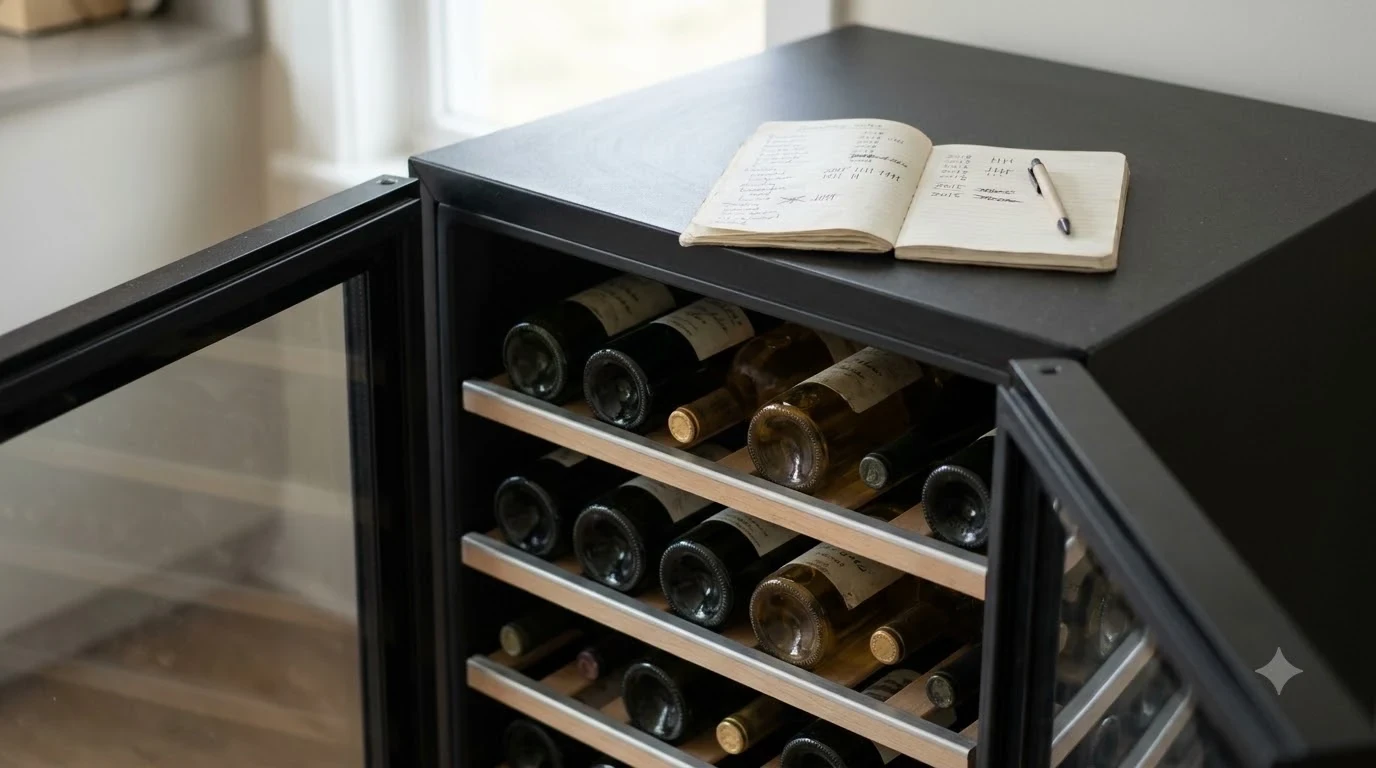
A consistent storage environment near 55 degrees Fahrenheit is a useful target for sparkling wine. Bottles can be stored on their sides when they have traditional cork closures, helping keep the cork in contact with the wine. Avoid placing bottles next to ovens, heating equipment, or windows receiving strong sunlight.
Short-term storage in a refrigerator is convenient when a bottle will be served soon. However, a kitchen refrigerator is not the ideal place for long-term wine storage because it is generally colder and may experience more frequent temperature changes than a dedicated wine-storage environment.
Serve at the right temperature
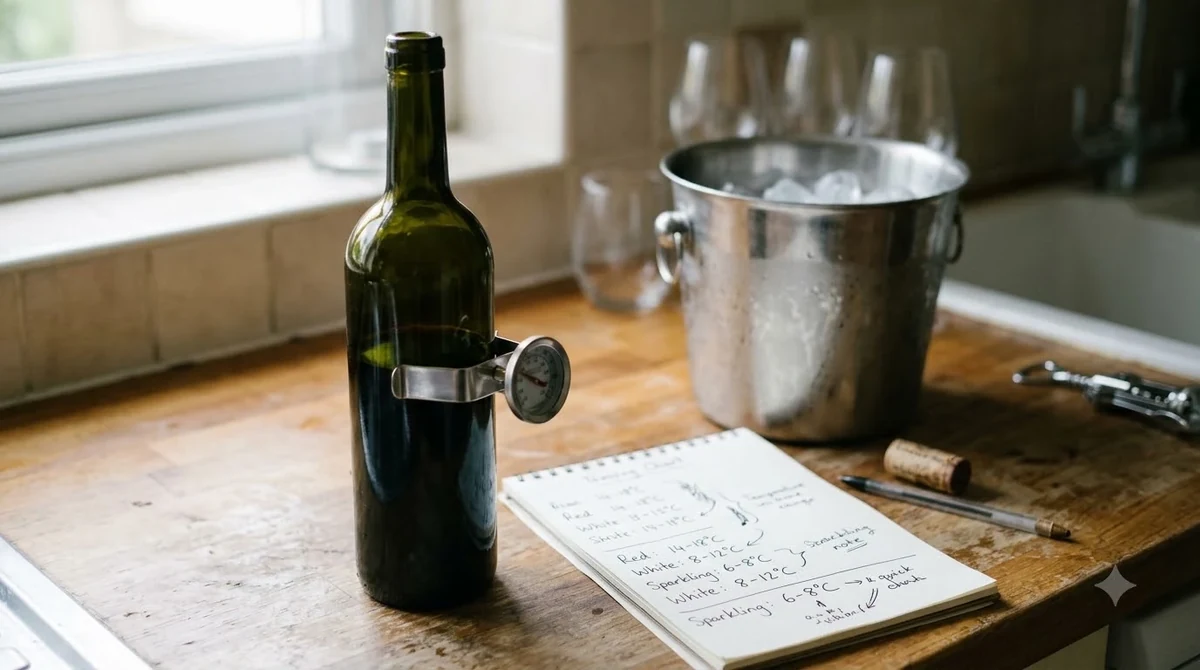
Most sparkling wines are best served between 40 and 50 degrees Fahrenheit. This range preserves freshness while allowing the wine’s aromas and texture to remain expressive.
A bottle that is too warm can seem overly alcoholic and lose some of its refreshing character. A bottle that is excessively cold may appear muted, making it harder to appreciate citrus, apple, strawberry, and toasted-bread notes.
For a practical approach, chill the bottle in the refrigerator before serving and use an ice bucket if the event is likely to last several hours. Avoid relying on the freezer as a routine chilling method because forgotten bottles can become damaged.
Open the bottle carefully
Keep a hand firmly over the cork after removing the foil and loosening the wire cage. Point the bottle away from people, glassware, and other fragile objects. Hold the cork steady while slowly rotating the bottle rather than pulling the cork forcefully.
The goal is a controlled release of pressure rather than a dramatic pop. This approach reduces the chance of spilling wine and helps preserve the carbonation that gives sparkling wine its lively texture.
Preserve leftover sparkling wine
After opening, replace the original cork with a purpose-built sparkling wine stopper and refrigerate the remaining wine. A typical opened sparkling bottle retains its best character for approximately one to three days, although the precise result depends on the wine, stopper, and storage conditions.
Try to minimize the time the bottle spends open and warm. If the remaining wine has lost most of its bubbles, it may still be suitable for cooking applications, but it will no longer provide the same experience as freshly opened sparkling wine.
For a dinner involving several courses, consider opening the bottle shortly before the first pour rather than leaving it open on the table. This simple step helps maintain the wine’s freshness throughout the meal.
Frequently Asked Questions
Is Mumm Napa the same company as G.H. Mumm Champagne?
Mumm Napa is associated with the wider Mumm sparkling wine heritage, but its Napa Valley wines are California sparkling wines rather than Champagne from France. Champagne is a protected regional designation for wine produced in the Champagne region under its applicable rules. A Napa sparkling wine cannot legally be described as Champagne simply because it uses a traditional sparkling wine method.
Does Mumm Napa use the traditional method?
Yes, Mumm Napa is associated with traditional-method sparkling wine production, in which the second fermentation takes place inside the bottle. This process creates the carbonation naturally and allows the wine to develop characteristics associated with contact with spent yeast cells. It is different from the tank method commonly used for Prosecco.
How many calories are in a glass of Mumm Napa?
The exact calorie content depends on the individual wine’s alcohol level, residual sugar, and serving size. The standard Brut Rosé and Blanc de Blancs product descriptions list alcohol at 12.5%, but that figure alone does not establish an exact calorie count. Consult the producer’s nutritional information for a specific bottle if precise dietary information is required.
Can Mumm Napa sparkling wine be used in cocktails?
Yes. A dry Brut can be used in sparkling cocktails that benefit from fresh acidity and carbonation. It can work in a simple sparkling wine cocktail with a small amount of fruit liqueur or citrus-based ingredients. Add the sparkling wine last and pour gently to retain as much carbonation as possible.
Should Mumm Napa vintage sparkling wine be aged for many years?
Not every Mumm Napa bottle is intended for extended cellar aging. The winery describes its standard Brut Rosé and Blanc de Blancs as suitable for drinking now or aging for approximately two to three years. Premium vintage and Reserve bottlings have different characteristics, so their ideal drinking windows should be considered individually rather than assuming every bottle benefits from prolonged storage.
Mumm Napa offers a broad range of California sparkling wines, from approachable Brut and Rosé selections to more specialized Reserve and DVX releases. For most shoppers, the standard $25 to $40 category provides a practical starting point, while the higher tiers make sense when the wine’s particular style and occasion justify the additional cost. Compare the regional designation, grape blend, bottle size, and collection before buying to find the Mumm Napa sparkling wine that best matches your preferences.
More in Wine Brands
 Underwood Wine Price: Compare Bottles, Cans, and Pack SizesUpdated Nov 21, 2026
 Zenato Wine Price: Compare Styles and Choose the Right BottleUpdated Nov 21, 2026
 Zuccardi Wine Price: Compare Bottles and Find the Right RangeUpdated Nov 21, 2026
 Yellow Tail Moscato Review: Taste, Sweetness and Serving TipsUpdated Nov 21, 2026
 Wolf Blass Yellow Label Review: Choose Your Best StyleUpdated Nov 21, 2026
 Wolffer Estate Rose Review: Choose the Right Bottle for Your TableUpdated Nov 21, 2026