

We may earn a commission when you buy through links on this page, at no extra cost to you. Learn more.
If you are wondering is merlot vegan, the short answer is sometimes, depending on how the winemaker clarifies the wine before bottling. While Merlot grapes, yeast, and oak barrels are completely plant-based, traditional winemaking often relies on animal-derived fining agents like egg whites, milk protein, or fish bladder to remove haze and soften tannins. Because wine labels in the United States do not require ingredient lists, checking for vegan certifications or consulting online databases is the only reliable way to know for sure.
Walking down the wine aisle as a vegan or plant-based shopper can feel unexpectedly tricky, especially since red wine seems like it should be nothing more than fermented grape juice. Understanding what happens inside the winery cellar turns a guessing game into a straightforward shopping routine.
Why Wine Is Not Automatically Vegan
Merlot begins in the vineyard as a completely plant-based product made from dark-skinned Vitis vinifera grapes, water, and naturally occurring or cultured yeasts. The potential issue arises late in the winemaking process during clarification, a standard cellar step designed to make the finished bottle look bright and taste smooth.
Freshly fermented red wine is naturally cloudy because it contains microscopic suspended particles such as proteins, yeast cells, polyphenols, and excess tannins. If left untouched, these compounds can create visual haze in the glass or give young Merlot a harsh, astringent grip on the palate. While many particles eventually settle to the bottom of the tank on their own through gravity and cold temperatures, commercial wineries often speed up the timeline to prepare bottles for market.
To accelerate clarification, winemakers use a technique called fining. During fining, a binding substance is added directly to the barrel or tank, acting like a molecular magnet that attracts negatively or positively charged particles. Once the fining agent clumps together with the unwanted sediment, the heavy mass sinks to the bottom, and the clear wine is racked off the top. Although the fining agent is filtered out rather than left behind as an active ingredient, trace residues can remain, and the use of animal products disqualifies the wine from being vegan.
Common Animal-Derived Fining Agents Used in Merlot
Winemakers have relied on traditional, animal-based fining agents for centuries because they are effective at softening rough tannins in red wines like Merlot. Knowing which substances appear in conventional cellars helps explain why two bottles from the same region can have completely different dietary statuses.
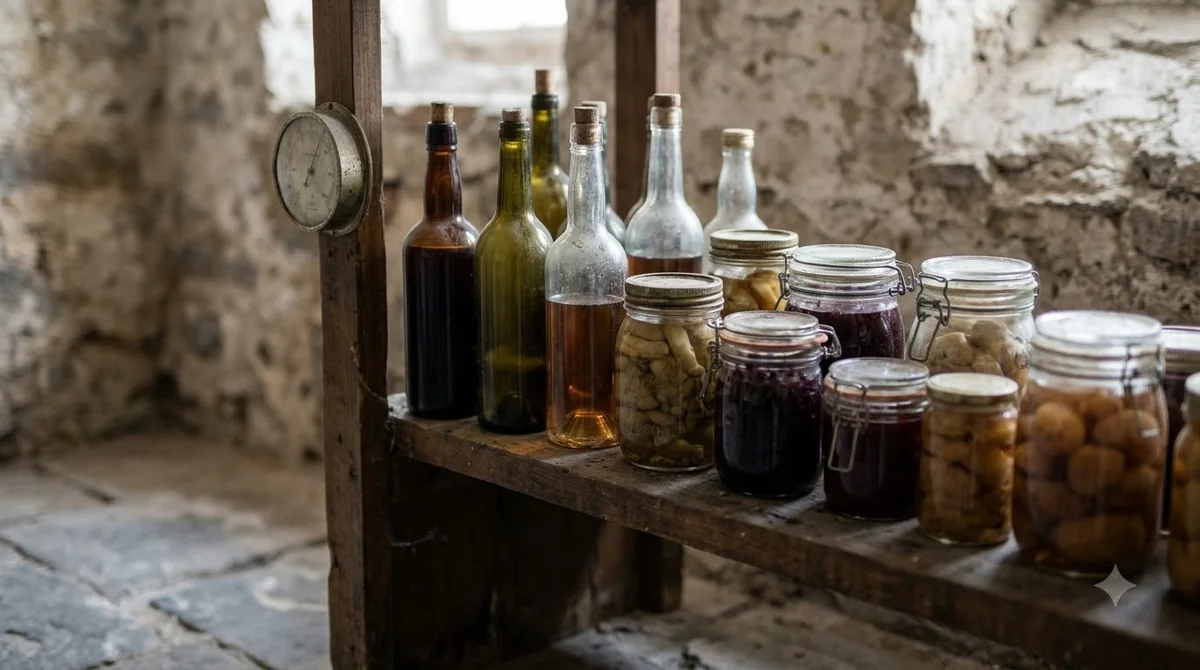
According to Wine Folly, the most common animal-derived fining agents used across the wine industry come from dairy, eggs, and seafood. Because Merlot is a medium-to-full-bodied red wine with noticeable phenolic compounds, winemakers frequently turn to specific protein-based agents to round out its texture without stripping away its signature plum and black cherry aromas.
- Egg whites (albumen): A classic choice for red wines in Bordeaux and beyond, egg whites bind gently to harsh, bitter tannins while leaving softer fruit tannins intact.
- Casein: Derived from milk protein, casein helps clarify the wine and remove oxidized phenolic compounds that could dull the color or freshness.
- Gelatin: Sourced from animal collagen, gelatin is a powerful fining agent used to reduce excess astringency in young, tannic red wines.
- Isinglass: Produced from the swim bladders of fish, isinglass is more common in white and sparkling wines, though it occasionally appears in general winery production.
- Chitin: Harvested from the shells of crustaceans like shrimp and crabs, chitin helps settle stubborn yeast and protein hazes.
Even though these agents are removed before bottling, strict vegan standards prohibit their use anywhere in the production chain. Furthermore, because fining agents are classified as processing aids rather than ingredients under United States labeling laws, wineries are rarely required to disclose them on the back label.
Vegan-Friendly Alternatives in the Winery
A growing number of modern winemakers produce vegan Merlot by swapping out animal proteins for mineral-based, plant-based, or mechanical clarification methods. These alternatives achieve clean, stable wines without relying on livestock or marine byproducts.
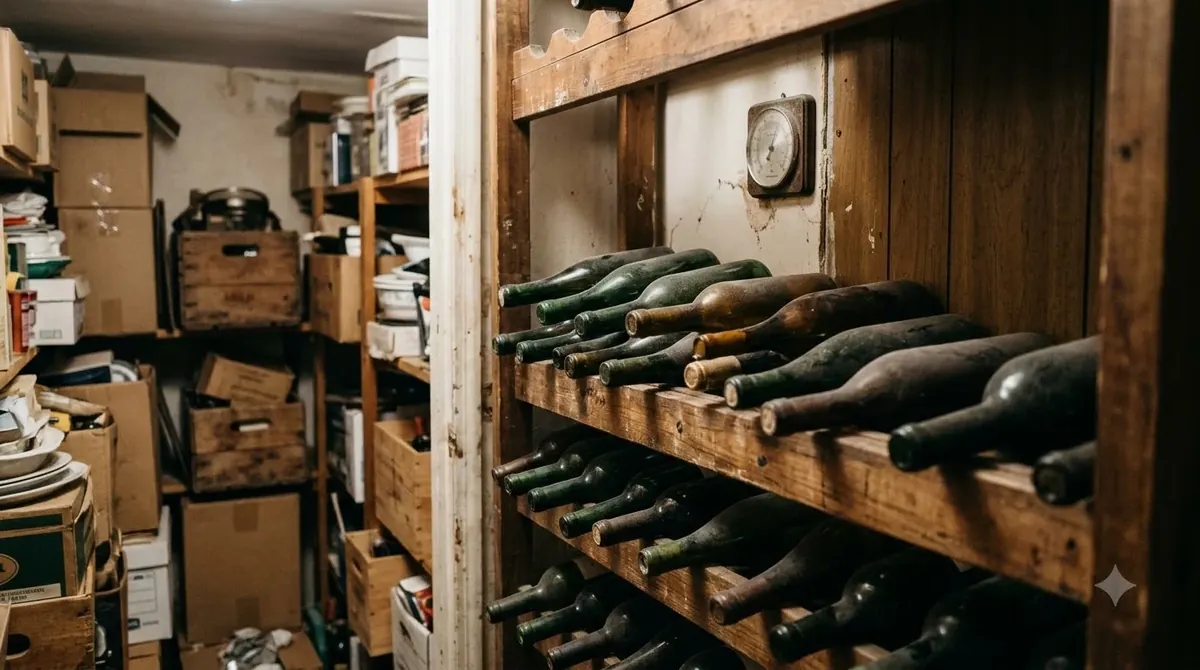
According to Wine Enthusiast, clay-based minerals and plant proteins have become standard tools in contemporary cellars. Bentonite, a natural volcanic clay, is widely used to absorb unstable proteins and pull sediment down to the tank floor. Activated charcoal is another mineral option that helps clarify and stabilize wine, while pea protein and potato protein offer plant-derived alternatives that mimic the gentle tannin-softening action of egg whites and gelatin.
Some producers skip fining altogether by letting time and cold cellar temperatures do the work naturally. Known as unfined and unfiltered wines, these bottles rely on patient aging in barrel or tank so heavy solids settle out via gravity over months or years. While an unfined Merlot may throw a harmless bit of natural sediment at the bottom of the bottle as it ages, it delivers rich texture and avoids animal-derived processing aids entirely.
Comparing Traditional vs. Vegan Merlot Production
Understanding how conventional and vegan winemaking differ at each stage makes it easier to evaluate labels and producer notes. The table below outlines the key cellar practices and how they affect whether a bottle fits a plant-based lifestyle.
| Production Stage | Traditional Merlot | Vegan Merlot | Dietary Impact |
|---|---|---|---|
| Harvest & Fermentation | Merlot grapes, native or cultured yeast | Merlot grapes, native or cultured yeast | Always plant-based |
| Oak Aging | French or American oak barrels | French or American oak barrels | Always plant-based |
| Clarification (Fining) | Egg whites, casein, gelatin, or isinglass | Bentonite clay, pea protein, or unfined | Determines vegan status |
| Filtration | Membrane filtration or diatomaceous earth | Membrane filtration or unfiltered | Vegan unless bone char is used |
| Back Label Disclosure | Usually no fining details listed | May display a vegan seal or unfined note | Requires verification |
Outside of fining, almost every other component in Merlot production is naturally compatible with a vegan diet. Oak barrels impart notes of vanilla, cedar, and baking spice without any animal inputs, and standard sulfites used for preservation are mineral compounds. Focusing your attention squarely on the clarification step eliminates unnecessary worry about the rest of the winemaking process.
How to Identify Vegan Merlot When Shopping
Finding a vegan bottle at your local wine shop or grocery store takes just a few quick checks once you know what signals to look for. Because back labels vary widely between domestic and imported producers, combining visual label clues with digital tools gives you the highest confidence.
First, scan the back label for third-party vegan logos, such as the Certified Vegan trademark from Vegan Action or the European V-Label. Many wineries that do not pay for official certification still print phrases like “vegan-friendly,” “no animal products used,” or “unfined and unfiltered” directly in their tasting notes. If you are exploring broader Wine by Type categories, you will notice that smaller, minimal-intervention producers frequently highlight these cellar choices on their labels.
Second, when a bottle gives no indication on the label, pull out your phone and search the producer and vintage on Barnivore. Barnivore is a community-verified online directory that emails winemakers directly to confirm whether their specific wines use animal fining agents. Keep in mind that a winery may change its fining practices from one vintage to the next depending on grape tannin levels, so checking the exact bottle name and year is always smart practice.
Tip: Look for Merlot labeled “unfined and unfiltered” on the back label—because no fining agents were added to clarify the wine, these bottles are naturally free from egg, dairy, and gelatin processing aids.
Are Organic and Biodynamic Merlots Always Vegan?
Shoppers often assume that organic, biodynamic, or natural labels automatically guarantee a vegan bottle, but these certifications govern farming and chemical inputs rather than animal byproducts. Knowing where these categories overlap and diverge prevents accidental mistakes at checkout.
Organic wine standards—such as USDA Organic in the United States or European organic certifications—restrict synthetic pesticides, herbicides, and added sulfites. However, organic rules generally still permit winemakers to fine their wines with organic egg whites, organic milk casein, or gelatin. Biodynamic farming goes further by treating the vineyard as a holistic ecosystem, yet biodynamic preparations traditionally involve burying cow horns packed with manure or quartz in the soil, which strict vegans avoid even though the finished wine itself may be unfined.
Regional traditions also play a role in how Merlot is handled in the cellar. If you research where is merlot from, you will find that classic Right Bank Bordeaux châteaux historically favored egg white fining to polish plush Merlot blends, whereas many modern producers in California, Washington State, and Chile have transitioned to bentonite clay or unfined bottlings. Checking the specific producer remains essential regardless of whether the vineyard is farmed organically or conventionally.
Frequently Asked Questions
Is Merlot vegan by default?
No, Merlot is not automatically vegan by default. Although the grapes, yeast, and oak barrels are completely plant-based, winemakers frequently use animal-derived fining agents like egg whites, gelatin, or casein to clarify the wine and soften tannins before bottling.
Are red wines like Merlot more likely to use egg whites than white wines?
Yes, red wines like Merlot are traditionally more likely to be fined with egg whites or gelatin because those proteins bind specifically to bitter red wine tannins. By contrast, when asking is white wine vegan or checking is prosecco vegan, the primary non-vegan culprits are usually milk casein and fish-derived isinglass used to remove color and haze.
Does vegan Merlot taste different from non-vegan Merlot?
Vegan Merlot tastes virtually identical to traditionally fined Merlot, offering the same signature flavors of black cherry, plum, cocoa, and soft herbs. Modern vegan fining agents like pea protein and bentonite clay soften harsh tannins just as effectively as egg whites without altering the aroma or aging potential of the wine.
Why do wine labels not list egg whites or milk in the ingredients?
In the United States, wine labels fall under federal regulations that classify fining agents as processing aids rather than ingredients because they are filtered out before bottling. As a result, wineries are not legally required to print fining agents on the bottle unless they choose to include voluntary allergen or vegan statements.
While traditional cellar habits mean you cannot assume every bottle of Merlot on the shelf is plant-based, finding vegan options is easier today than ever before. By scanning back labels for vegan seals or unfined notes and double-checking unfamiliar producers on Barnivore, you can pour a glass of velvety Merlot with complete confidence.
More in Wine Types & Grapes
 What Does Mourvèdre Taste Like? Flavor Profile, Regions, and PairingsUpdated Nov 20, 2026
 What Does Marsanne Taste Like? Flavors, Styles, and Food PairingsUpdated Nov 20, 2026
 What Does Malvasia Taste Like? Styles, Flavors, and Food PairingsUpdated Nov 20, 2026
 What Does Grenache Blanc Taste Like? Flavor Profile, Styles, and PairingsUpdated Nov 20, 2026
 What Does Garnacha Taste Like? Key Flavors, Styles, and Pairing TipsUpdated Nov 20, 2026
 What Does Fruit Wine Taste Like? A Complete Flavor and Style BreakdownUpdated Nov 20, 2026