

We may earn a commission when you buy through links on this page, at no extra cost to you. Learn more.
Is wine vegan? Many wines are, but not all of them. Wine starts as grape juice, which is plant-based, so the question is almost always about what happens during winemaking. Some producers use animal-derived fining agents to clarify a wine, and those traces can make a bottle unsuitable for a strict vegan diet. Knowing which agents are used, and how to check a label, makes the answer much easier.
If you follow a vegan lifestyle, you have probably wondered whether your glass of red or white is free of animal products. The short answer is that the grapes, yeast and water in wine are plant-based or microbial, while a few clarifying ingredients may come from animals. This guide explains where those ingredients show up, what the research says about leftover residue, and how to choose wines with more confidence.
What makes a wine vegan or not
A wine is vegan when no animal-derived substance is added to it during production, and that includes the clarifying step. Fermentation itself does not involve animal products, because yeast is a microorganism. The concern comes from fining, a process where winemakers add a substance that attracts suspended particles, such as proteins and tannins, so they settle out and leave a clearer wine.
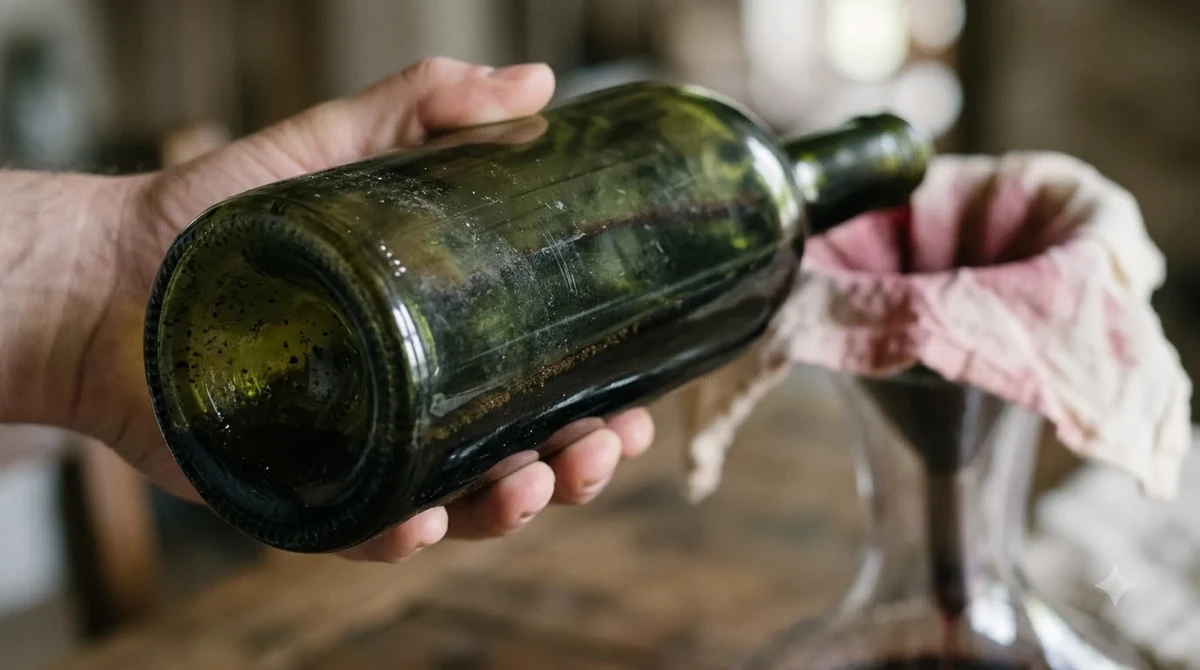
Fining is common, and it is not unique to wine. Many winemakers use it to improve clarity and stability before bottling. The important point for vegans is that the fining agent itself may be animal-based, even though it is removed from the finished bottle as sediment. Whether a wine counts as vegan depends on the substance used, not on the grapes.
Common fining agents and where they come from
Several fining agents are used in wine, and they fall into two groups. Some come from animals, and others are mineral, plant-based or synthetic. Reference material describes egg whites, casein from milk, gelatin and isinglass from fish bladders as animal-derived options, while bentonite clay, activated carbon and silica are mineral options.

| Fining agent | Made from | Vegan status |
|---|---|---|
| Egg white (albumen) | Chicken eggs | Not vegan |
| Casein | Milk protein | Not vegan |
| Gelatin | Animal collagen | Not vegan |
| Isinglass | Fish bladders | Not vegan |
| Bentonite | Clay mineral | Generally considered vegan |
| Activated carbon | Charcoal | Generally considered vegan |
| Silica | Mineral | Generally considered vegan |
Bentonite is one of the most widely used clarifiers, and it is a clay, so it does not raise an animal-product concern. Activated carbon and silica work in a similar way, removing particles through adsorption rather than through animal proteins. Egg whites, casein, gelatin and isinglass are the agents that most often prompt vegans to ask questions.
Tip: A fining agent does not always appear on the label. If you are unsure about a particular bottle, the producer’s website or customer service team is the best place to ask.
What the research says about leftover residue
Even when an animal-based agent is used, the amount that remains in the finished wine can be very small. An overview of wine fining on Wikipedia notes that organic fining compounds are generally animal based, and it also points out that animal-based agents are a possible cause of concern for vegans. It then reports a University of California, Davis study that found no detectable inorganic fining agents and only trace amounts of proteinaceous agents left in the wine.
That finding is useful context, but it does not turn every bottle into a vegan one. A trace amount is still a trace of an animal product, and many vegans choose to avoid wines that were fined with animal-derived agents regardless of how little remains. The decision comes down to personal standards, so it helps to know the facts before choosing.
How to choose a vegan wine
Start by looking at the label, because some producers state their practices clearly. Many wines do not list fining agents, however, so checking the producer’s website is often the next step. Some brands say directly that they use only plant-based or mineral clarifiers, and those statements make shopping easier.
When a producer does not respond or the information is unclear, you can choose a wine that is known to be fined with bentonite or left unfined. Wine made without any clarifying step will also be plant-based, though it may look hazier in the glass. A slightly cloudy wine is not a fault, and many natural-style producers prefer it for that reason.
Other things vegans often ask about wine
People who want to avoid animal products sometimes wonder about other parts of winemaking, such as the yeast used in fermentation or the barrels used for aging. Yeast is a microorganism and is not an animal product. Oak barrels are wood, so they are plant-based. These points are less controversial than fining, and most of the debate centers on clarifying agents.
If you are also thinking about other dietary concerns, our guides on what tannins are in wine and whether wine has gluten cover two common questions that often come up alongside vegan choices.
Why labels rarely mention fining
Most wine labels focus on the grape variety, vintage, region and alcohol content, and they usually do not list the clarifying agents used during production. That is one reason vegans find it hard to tell which bottles are suitable. The label may be fully accurate, but it simply does not cover this step of winemaking.
Because of this gap, shoppers often rely on a few practical habits. They read producer websites, look for statements about plant-based or mineral clarifiers, and ask staff at specialty shops whether a wine was fined. Some people also keep a short list of producers whose practices they have already confirmed, which saves time on future purchases.
Another reason the topic is confusing is that wine terminology varies. Words such as natural, organic or unfined appear on bottles, but each term can mean something slightly different. A wine labeled unfined may still have been filtered, and a wine described as natural may still use animal-derived agents. When a term matters to your choice, check what the producer actually does rather than relying on the wording alone.
For vegans who want certainty, the most dependable approach is to contact the producer directly. A short email asking which fining agents are used is easy to send, and most wineries that use plant-based or mineral clarifiers will say so. If the answer is unclear, you can simply choose another bottle.
Frequently Asked Questions
Are most wines vegan?
Most wines are made without animal products, but a substantial number are fined with agents such as egg white, casein or isinglass. Because those agents are often not listed on the label, the only reliable way to know for a specific bottle is to check the producer’s information.
Is wine made with egg whites vegan?
No. Egg whites are an animal product, so wine fined with egg albumen is not considered vegan. Vegans who want to avoid this clarifier usually look for bottles fined with bentonite or left unfined.
Does wine have animal products in it after it is fined?
Fining agents are removed as sediment, but research referenced in reference material found only trace amounts of proteinaceous agents remaining. Whether that matters depends on your personal standards for a vegan diet.
Is red wine more likely to be non-vegan than white wine?
Clarifying is used in both red and white wine, so color alone does not tell you whether a bottle is vegan. Check each label or producer’s information rather than relying on the color of the wine.
Wine can fit a vegan lifestyle, but it helps to look beyond the grapes. Choose producers who state their fining practices, ask when the label is silent, and remember that a bottle’s vegan status depends on its clarifying agents. For more background on wine basics, visit our wine Q&A hub.
More in Wine Basics
 Which Rose Is Best for Your Taste, Budget, and Food PairingsUpdated Nov 21, 2026
 Is Cheap Wine Bad? How to Find Bottles Worth DrinkingUpdated Nov 21, 2026
 What To Write On A Wine Gift Tag: Thoughtful Messages For Every OccasionUpdated Nov 21, 2026
 Which Wine Is Best For Weight Loss? Compare Lower-Calorie ChoicesUpdated Nov 21, 2026
 What Is The Best Wine For Mimosas? Choose Bubbly That Balances Orange JuiceUpdated Nov 20, 2026
 Which Prosecco Is Best for Your Taste and OccasionUpdated Nov 20, 2026