

We may earn a commission when you buy through links on this page, at no extra cost to you. Learn more.
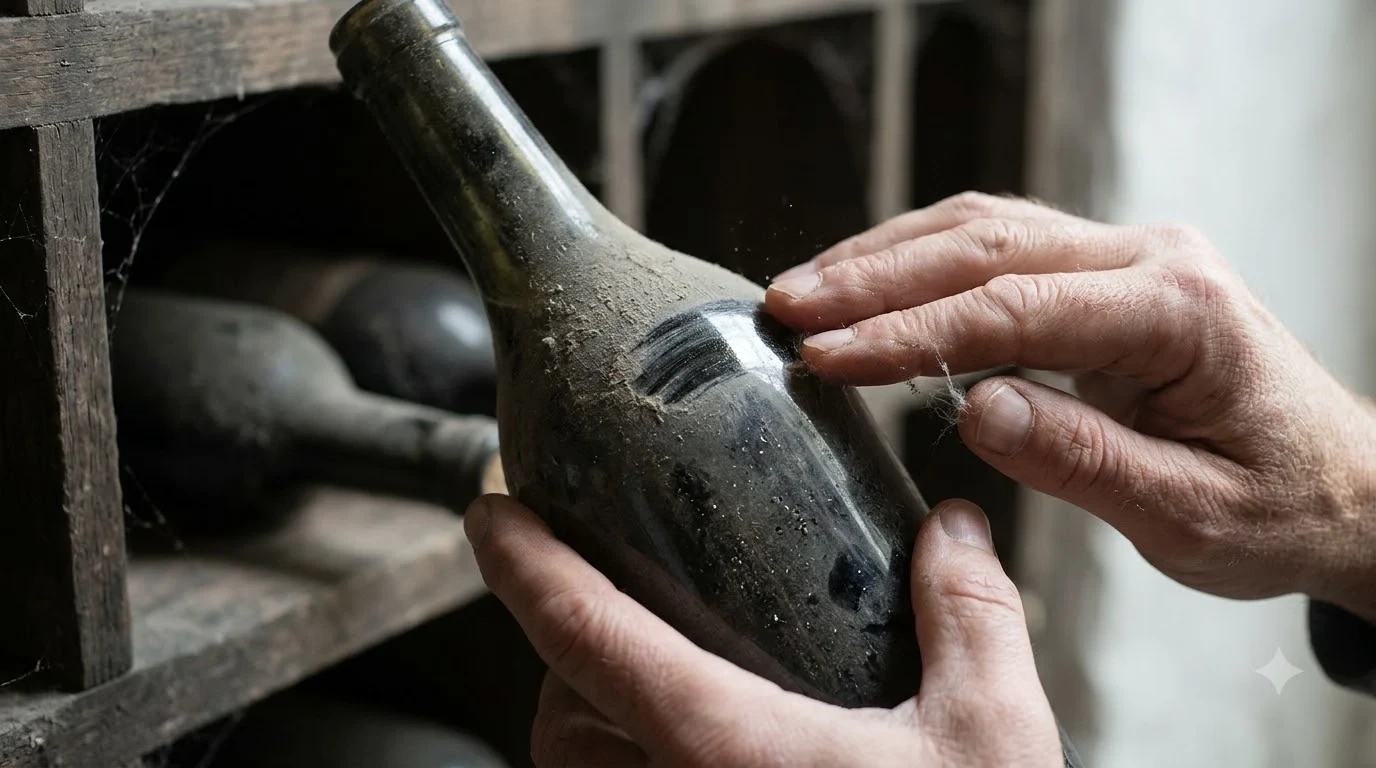
What is tannins in wine? Tannins are compounds that create a dry, rough, or astringent feeling in the mouth rather than a sweet or bitter taste. They come mainly from grape skins, seeds, and oak barrels, and they are most noticeable in young red wines. Tannins are the reason a red can feel grippy on your tongue, and they also explain why some wines pair better with rich food than with light dishes.
This guide explains where tannins come from, how they feel in the mouth, how they change with age and oak, and how to use that knowledge to choose a bottle and a meal.
What tannins are and why they feel dry
Tannins are plant compounds. VinePair’s wine glossary describes them as a plant defense mechanism that breaks down proteins. When you drink a tannic wine, the tannins bind to proteins in your saliva. That reduces the lubrication that normally keeps the mouth feeling smooth, and the result is a drying sensation that people often describe as chalky, rough, or puckering.
Tannin is not the same as acidity or bitterness, although the three can appear together. Acidity makes a wine feel crisp and mouthwatering, while tannin makes it feel dry and textured. A wine can be high in tannin and low in acid, or the reverse, and each combination tastes different. Learning to tell them apart is one of the most useful skills for reading a wine list.
Where tannins come from
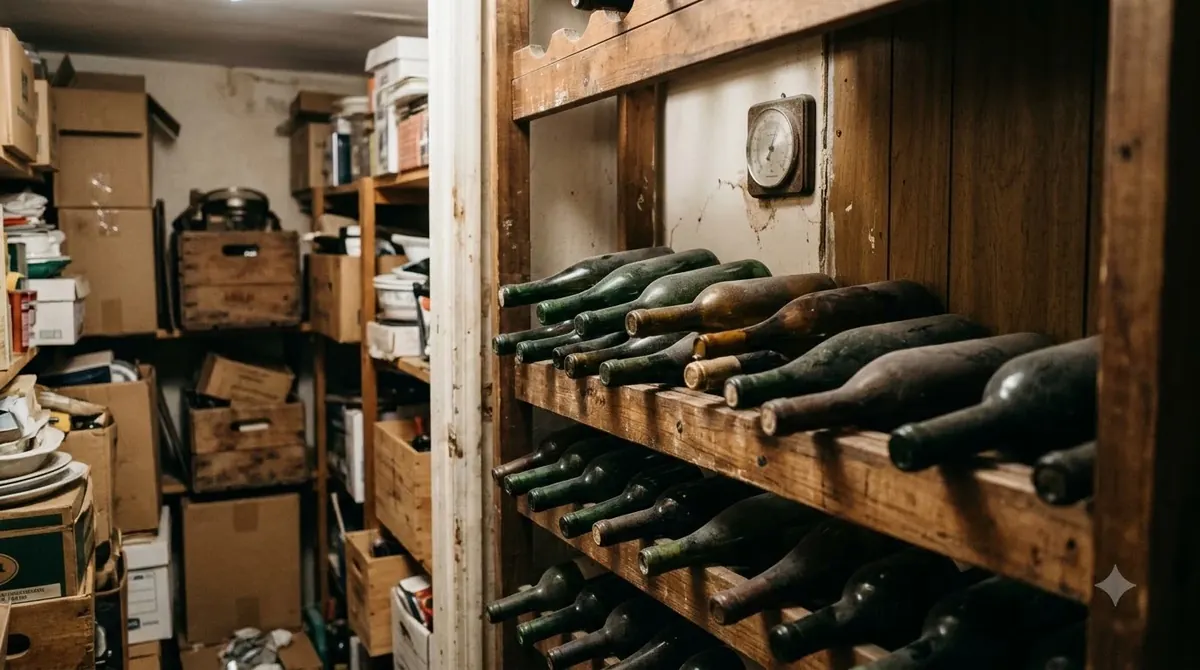
Winemakers draw tannins from three main sources. The first is the grape skin. Skin tannins can make a young wine feel rough and coarse, but they soften with age. Deeper-colored wines tend to carry more of them, although Nebbiolo is a notable exception. Red wines get much of their tannin from skins because the skins stay in contact with the juice during fermentation, which is why red wines are usually more tannic than whites.
The second source is the seed. Seed tannins taste bitter and harsh, so careful winemakers press grapes gently to avoid releasing them. Some inexpensive reds made from heavily pressed grapes have residual sugar that masks the astringency, which is one reason cheap reds can taste smooth but flat. The third source is oak. Oak tannins are usually shorter-lived and integrate faster than skin or seed tannins. New oak can overwhelm lighter-skinned wines such as Pinot Noir, while a well-judged barrel can add structure to a bolder red.
How tannins change with age
Tannins are not fixed. In a young red, they often feel firm and grippy, and that texture can make the wine seem harsh. Over time, tannins bind together and become larger, which makes them feel smoother and less astringent. That is why a bottle that tastes rough at release may become silky after several years in the cellar. Not every wine is built to age, so the wine’s structure and its producer’s style matter as much as the calendar.
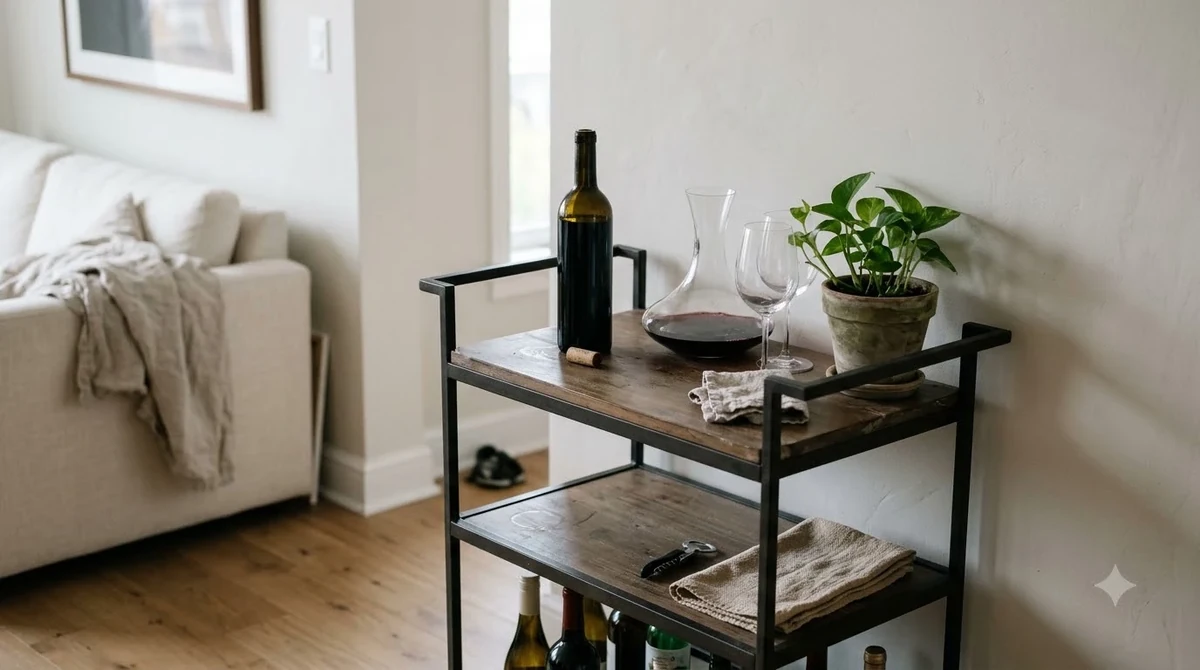
Decanting can also help a young tannic wine. Pouring it into a decanter gives it contact with air, which softens the impression of tannin for many bottles. Decanting does not change the wine’s underlying structure, but it can make a firm red feel rounder for the glass you pour.
Tannins and food pairing
Tannins pair naturally with protein and fat. Because tannins bind to proteins, a tannic wine with a fatty dish can feel smoother, which is why steak, roast lamb, and aged cheese are classic matches for big reds. The fat in the food reduces the drying effect, and the wine’s fruit and structure balance the richness.
Light, delicate dishes can clash with a heavily tannic red. Fish, delicate salads, and simple vegetable dishes do not carry the fat or protein needed to soften the wine’s grip, so the wine can taste harsher than it is. For those meals, a lower-tannin red or a white with good acidity usually works better. If you want a pairing guide that covers the wider range of dishes, the buying section of the site has more detail.
Tannin levels by wine style
Tannin level depends on the grape, the winemaking, and how long the wine spent in oak. The table below gives a general picture of how common styles usually compare. It is a starting point, not a guarantee, because producers can make the same grape in very different ways.
| Wine style | Typical tannin level | Why |
|---|---|---|
| Cabernet Sauvignon | Firm to high | Thick skins and a long time on skins |
| Nebbiolo | High | Firm structure, even with lighter color |
| Pinot Noir | Light to medium | Thinner skins, often sensitive to new oak |
| Sangiovese | Medium to firm | Acid and tannin balance, often aged in oak |
| White wines | Usually none or very low | Little or no skin contact during fermentation |
Use the table to predict texture before you buy. A high-tannin red will feel firmer, and a light red will feel softer. The rule is general, so trust the producer’s description and your own taste.
Tannin also interacts with fruit and acidity. In a young red with a lot of ripe fruit, tannin can seem less obvious, while a lean wine with little fruit shows its grip more clearly. Tasting two or three reds in a row is the easiest way to notice these differences, because the contrast makes the texture easier to name. Take your time with each glass, and pay attention to how the wine feels after you swallow, since that aftertaste often shows the tannin most clearly.
How to pick a tannic wine
If you want a tannic red, start with a wine that is clearly labeled with its grape and region, then read the description for words such as structured, firm, or grippy. Those words usually mean the wine has a lot of tannin. If you prefer a smoother glass, look for descriptions such as soft, supple, or silky. Wines with a long barrel aging period can also feel firmer, so check the producer’s notes on oak.
Price and bottle age do not tell you the tannin level on their own. An expensive wine can be tannic, and an inexpensive one can be soft. The best way to learn your preference is to compare two or three reds side by side and notice which one feels smoother with food. For more help with the basics, the Wine Glossary covers related terms. If you want to train your palate for this kind of judgment, how to become a sommelier explains how professionals build that skill.
Frequently Asked Questions
What are tannins in wine?
Tannins are compounds that create a dry, rough, or astringent feeling in the mouth. They come mainly from grape skins, seeds, and oak, and they bind to proteins in saliva, which causes the drying sensation.
Are tannins the same as sugar or acidity?
No. Tannins create a dry, grippy texture, while acidity makes a wine feel crisp and sugar adds sweetness. A wine can have high tannin and low acidity, and the two feel very different.
Do white wines have tannins?
Most white wines have very little or no tannin, because they are fermented without much skin contact. Oak can add some tannin to white wine, but the effect is usually subtle.
Do tannins get smoother with age?
They often do. Tannins bind together over time and become larger, which makes them feel softer. Not every wine is built to age, so the style and the producer matter as well.
Tannins shape how a red wine feels, and they are easier to understand once you know where they come from. Pay attention to texture, pair firm reds with rich food, and use the label to predict how a wine will feel before you open it.
More in Wine Basics
 What Is The Best Wine For Mimosas? Choose Bubbly That Balances Orange JuiceUpdated Nov 20, 2026
 Which Prosecco Is Best for Your Taste and OccasionUpdated Nov 20, 2026
 Which Wine Is Best For Health? Understand the Risks and BenefitsUpdated Nov 20, 2026
 Which Champagne Is Best for Your Taste and OccasionUpdated Nov 20, 2026
 What To Put In A Wine Gift Basket For A Thoughtful, Memorable GiftUpdated Nov 20, 2026
 What Is the Best Wine for Mulled Wine? Choose a Smooth, Fruity RedUpdated Nov 20, 2026