


We may earn a commission when you buy through links on this page, at no extra cost to you. Learn more.
How to become a sommelier starts with structured wine education, then a path through professional certification exams. Most people who work as sommeliers study wine systematically, taste regularly, and learn service skills in restaurants or shops. Two widely recognized routes are the WSET qualifications and the Court of Master Sommeliers program, and each offers a clear sequence of levels that candidates can work through.
This guide explains what a sommelier does, the main education options, and how the training usually fits together. It is written for readers who are thinking about a career in wine service or who simply want to understand the path behind the title.
What a sommelier does day to day
A sommelier is a wine professional who selects, serves, and explains wine, most often in a restaurant or hotel. The work includes building a wine list, advising guests on pairings, storing bottles correctly, and training service staff. In retail or wine shop settings, the role is similar but focuses more on helping customers choose bottles to take home.
Good sommeliers combine three skills. They know wine regions, grapes, and winemaking well enough to explain them. They can taste carefully and describe what they find. They also have the service and hospitality skills to make guests comfortable. Certification programs test all three, which is why they are often used as a benchmark.
The day-to-day work also depends on the setting. In a busy restaurant, a sommelier may balance wine service with table visits, cellar management, and staff coaching during a single shift. In a shop, the job leans toward conversation with customers who want a bottle for a particular dinner or gift. Both settings reward the same core habits: listening carefully, knowing the list or shelf well, and explaining a choice in plain language.
Start with a foundation in wine knowledge
Before entering a formal exam track, most aspiring sommeliers build a base of knowledge through reading, classes, and regular tasting. Foundation courses cover grape varieties, major wine regions, basic winemaking, and how to describe a wine clearly. Many people also visit wineries and attend tastings to connect what they read with what they taste.
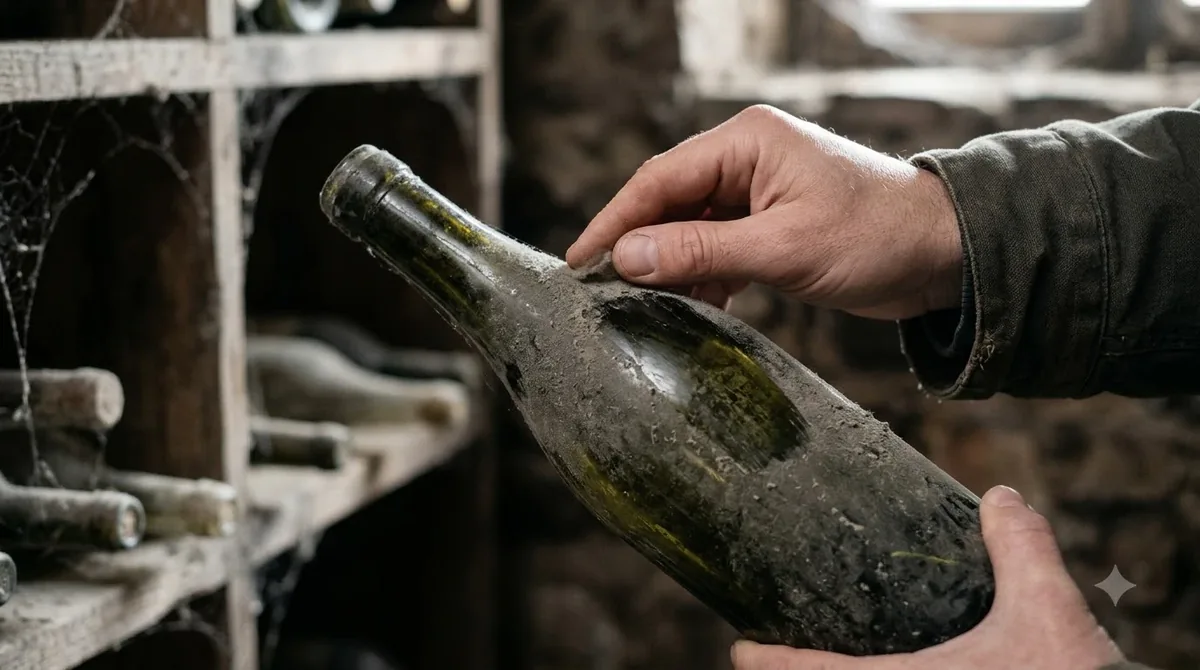
Many professionals start working in restaurants or wine shops as servers, runners, or assistants while they study. Practical experience on the floor helps students understand how wine lists are built and how service works during a busy night, which the exams do not fully capture.
The WSET path: from intermediate to advanced wine study
The Wine & Spirit Education Trust, known as WSET, offers a series of qualifications that build from introductory to advanced wine study. Its Level 3 Award in Wines is one of the more detailed options for people who want to go deeper into wine production and tasting.
According to the WSET Level 3 Award in Wines page, the course has two units. Unit 1 covers grape growing, winemaking, maturation, and bottling, and is assessed by a closed-book test of 50 multiple-choice questions plus a short written-answer paper. Unit 2 covers tasting using the WSET Systematic Approach to Tasting Wine, assessed by a blind tasting of two wines. The page lists a total of “84hrs+” of study, including 30 hours of guided learning with a course provider and 54 hours of private study.
The page recommends holding the Level 2 Award in Wines or equivalent knowledge before taking this course. Courses can be taken in person or online, and the qualification is regulated by Ofqual.
The Court of Master Sommeliers path
The Court of Master Sommeliers, often shortened to CMS, runs a four-level education program focused on wine service. Its public website describes the sequence as beginning with the Introductory Sommelier Course and Examination and ending with the Master Sommelier Diploma Examination. The Court of Master Sommeliers website lists the four levels in order: Introductory, Certified, Advanced, and Master.
The CMS levels are demanding, and the highest level is widely regarded as one of the hardest professional credentials in hospitality. The website notes that the exam pages set out the specific requirements for each level, so candidates should read those pages closely before committing to a timeline.
Choosing between certification routes
Both routes are respected, and the right choice depends on your goals. WSET is often a good fit for people who want a structured wine education that is recognized internationally and can be studied alongside work. The CMS track is often chosen by people who plan to work in restaurant service and want to follow a path that is closely tied to the sommelier profession.
Compare the time, cost, and location of each option before enrolling. Check whether a course is available in your language and time zone, and whether the schedule fits around a job. Some candidates take an early-level course first to test their interest before committing to a longer program.
| Route | Typical focus | Structure noted on the official page |
|---|---|---|
| WSET Level 3 Award in Wines | Wine production, world styles, and tasting | Two units, with 84 or more hours of study and an online or in-person option |
| Court of Master Sommeliers | Wine service and sommelier certification | Four levels, from the Introductory course to the Master Sommelier Diploma |
Skills to build alongside certification
Exams are only part of the job. Practice tasting regularly, and try to describe wines in clear, specific language rather than vague adjectives. Learn to pour and present wine properly, handle bottles with care, and explain a recommendation in a few sentences. These habits make a candidate more useful to an employer and more confident at a tasting table.
Keep a notebook of wines you taste, with the region, grape, producer, and your own notes. Over time it becomes a personal reference and a record of progress. Many sommeliers also keep up with new vintages and regional changes by reading trade publications and attending seminars.
Candidates who plan to sit a formal exam often form study groups with classmates or colleagues. Trading notes, quizzing one another on regions and grape varieties, and practicing blind tastings together can make the material easier to hold onto. Many also set a weekly schedule that mixes reading, tasting, and review, rather than cramming before each test date.
Frequently Asked Questions
Do you need a degree to become a sommelier?
A formal degree is not a general requirement. Most sommeliers learn through structured wine courses, tasting practice, and work in restaurants or shops, and the certification exams test knowledge and service directly.
How long does sommelier training take?
The timeline depends on the program and on how many levels you pursue. The WSET Level 3 Award lists 84 or more hours of study, while the CMS program has four levels, so the full path can take a long time and is often completed in stages.
Is WSET the same as the Court of Master Sommeliers?
No. WSET is a wine education provider with a range of qualifications, while the Court of Master Sommeliers runs its own multi-level program focused on service and certification. Both are recognized, but they are different systems.
Can I study wine courses online?
Yes, at least for some programs. The WSET Level 3 Award page describes an online option delivered through an interactive e-learning platform, while in-person courses are also available.
If you are starting from the basics, our guide on what is tannins in wine is a useful place to build the vocabulary that tasting exams rely on. Readers who want a broader set of everyday wine answers can also browse the Wine Q&A section.
More in Wine Basics
 Which Rose Is Best for Your Taste, Budget, and Food PairingsUpdated Nov 21, 2026
 Is Cheap Wine Bad? How to Find Bottles Worth DrinkingUpdated Nov 21, 2026
 What To Write On A Wine Gift Tag: Thoughtful Messages For Every OccasionUpdated Nov 21, 2026
 Which Wine Is Best For Weight Loss? Compare Lower-Calorie ChoicesUpdated Nov 21, 2026
 What Is The Best Wine For Mimosas? Choose Bubbly That Balances Orange JuiceUpdated Nov 20, 2026
 Which Prosecco Is Best for Your Taste and OccasionUpdated Nov 20, 2026