

We may earn a commission when you buy through links on this page, at no extra cost to you. Learn more.
Moscato vs pinot grigio is a choice between a sweet, lightly fizzy white and a dry, crisp one. Moscato is made from the Muscat grape and is low in alcohol at around 5.5 percent in the traditional Moscato d’Asti style, while pinot grigio is typically 11.5 to 13.5 percent, with medium-high acidity and a light, dry body that suits everyday meals.
Both wines are white, both are easy to find on a restaurant list, and both are often poured by people who want something lighter than red. That is where the similarity mostly ends. One is built on sweetness and gentle bubbles, and the other on fresh acidity and orchard fruit. This guide lays out the differences so you can choose the right glass for the occasion.
Moscato and Pinot Grigio at a Glance
The clearest way to see the contrast is to compare the core traits. The moscato column reflects the Muscat-based Moscato d’Asti profile described in VinePair’s wine guide, while the pinot grigio column draws on the Wine Folly profile for the grape.
| Trait | Moscato (Moscato d’Asti) | Pinot Grigio |
|---|---|---|
| Typical flavors | Peaches and white flowers | White peach, lemon zest, cantaloupe, green almond |
| Sweetness | Sweet but balanced, not overpoweringly sweet | Dry |
| Acidity | High, kept up by the cool Piedmont climate | Medium-high |
| Body | Light | Medium-light |
| Bubbles | Lightly sparkling (frizzante) in the authentic style | Still |
| Alcohol | About 5.5% ABV | 11.5 to 13.5% ABV |
| Main home | Piedmont, northern Italy | Italy, especially Alpine foothill regions |
Sweetness and Bubbles: How Moscato Tastes
Moscato is the sweeter of the two by a wide margin. The VinePair guide to moscato describes the traditional Moscato d’Asti as having an aromatic bouquet of peaches and white flowers, with a sweetness that stays in balance because the grapes keep a high natural acidity. The article notes that the wine is made from late-harvested grapes and is bottled with a little carbon dioxide left in, which gives it the lightly fizzy character sometimes called frizzante.
That gentle fizz and low alcohol are the reasons many people reach for moscato on warm afternoons. It is light enough to sip slowly and sweet enough to feel like a treat. The same guide warns that inexpensive bulk wines and flavored drinks sold as moscato can be far from the traditional style, so the producer and region on the label are worth checking.
Pinot grigio takes the opposite approach. It is dry, with no sugar to soften the finish, and the flavor comes from fruit and acidity rather than sweetness. If a moscato tastes like dessert in a glass, a pinot grigio tastes more like a light, clean drink to have with food.
Pinot Grigio: Crisp Fruit and Fresh Acidity
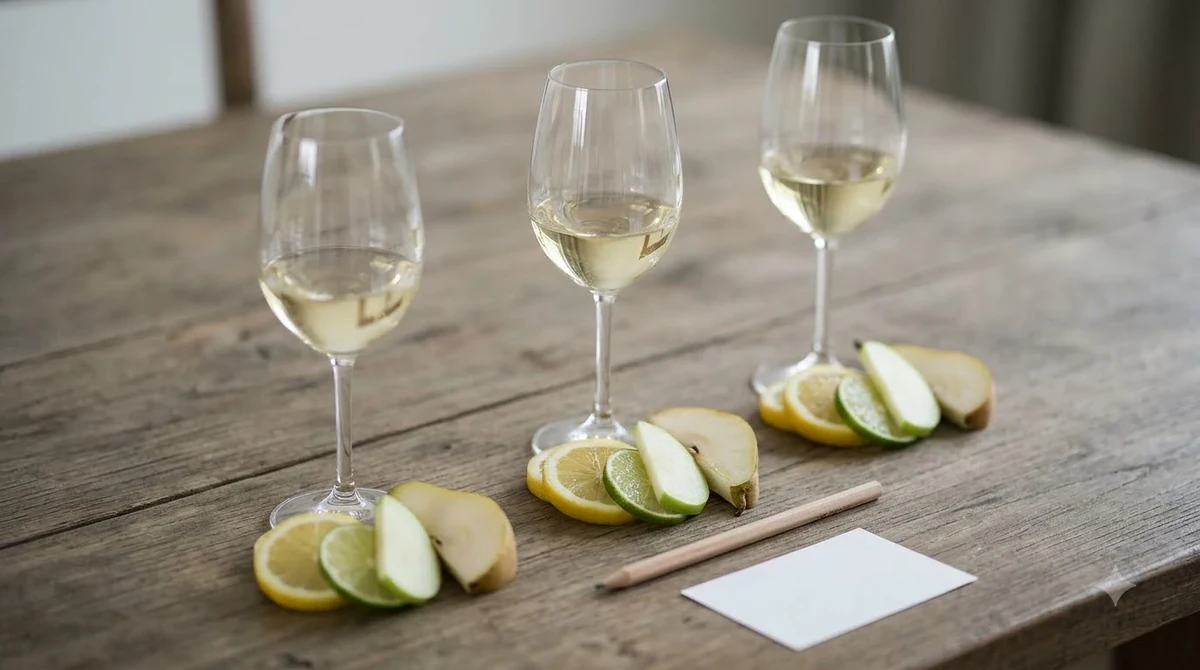
Pinot grigio is the Italian name for pinot gris, a color mutation of pinot noir. The Wine Folly pinot grigio guide lists primary flavors of white peach, lemon zest, cantaloupe, green almond, and crushed gravel. Italian versions often show a bitter almond note, and the guide describes their acidity as brilliant, with medium-high acidity overall and a medium-light body.
The style changes with where the grape is grown. Italy is the largest producer, and the guide recommends Alpine foothill regions such as Alto Adige and Friuli-Venezia Giulia over the flat Venetian plain. Alto Adige examples can be weightier and show ripe stone fruit and ginger, and the name also covers the fuller pinot gris from Alsace, Germany, and Oregon, which often tastes richer than the Italian style.
In everyday terms, pinot grigio is the crisper and drier choice. It is a good match for a glass with a salad, a light seafood dish, or a plate of pasta with a simple sauce. Its acidity cuts through lighter foods cleanly, and its low to moderate alcohol keeps the meal from feeling heavy.

Food Pairings: Dessert-Style Sweetness or Dry, Fresh Sipping
Moscato fits best where sweetness is part of the meal. Fresh fruit, light pastries, and soft cheeses with honey or fruit preserves all pair well with its peach and floral notes. It also works on its own after a meal, where its low alcohol and gentle bubbles make it easy to finish. Moscato is less suited to rich, salty, or savory food, because its sweetness can push those flavors into the background.
Pinot grigio has a wider range at the table. Shellfish, grilled fish, chicken with lemon, and vegetable-forward pasta all suit its crisp acidity. It is a practical choice for a dinner party because it pleases many guests without needing a complicated pairing. If you are serving a sweet dessert, a dry pinot grigio can feel sharp beside the sugar, so a sweeter wine is usually the better partner there.
When you are unsure, think about the balance you want. Sweet food calls for a sweeter wine, while savory food tends to call for dry, acidic wine.
Serving Both Wines Well
Both wines are best served cold. A chilled moscato keeps its fizz and tastes fresher, and a chilled pinot grigio keeps its acidity sharp. A bottle left too long in a warm room can taste flat, especially the moscato, so keep it in the refrigerator until shortly before you pour. Pinot grigio is usually poured into a standard white-wine glass that concentrates the aroma. Moscato often works well in a narrower glass that helps hold the bubbles.
Once opened, moscato loses its sparkle faster than a still wine, so drink it within a day or two if you want the lively character. Pinot grigio holds up a little longer, but it still tastes best when it is young and fresh. If you want a broader sense of how white wines compare, the chardonnay vs moscato comparison covers a related choice, and the wine vs wine guides compare other common pairs.
How to Choose Between Moscato and Pinot Grigio
Choose moscato when you want a light, sweet, gently sparkling wine that is easy to enjoy slowly. It suits brunch, dessert, and relaxed afternoons. Choose pinot grigio when you want something dry, crisp, and versatile that can sit beside a full dinner. If you are hosting and want one bottle that works with many dishes, pinot grigio is usually the safer choice. If you are looking for a sweet finish to a meal, moscato is the better pick.
Frequently Asked Questions
Is moscato always sweet?
Most moscato is noticeably sweet, and the traditional Moscato d’Asti is sweet but balanced by high acidity. Drier styles exist, but they are less common, so check the label for sweetness if you prefer a dry white.
Is pinot grigio the same as pinot gris?
They are the same grape, and the names reflect style. Pinot grigio usually refers to the lighter, crisper Italian style, while pinot gris from Alsace, Germany, or Oregon is often fuller and richer.
Which has less alcohol, moscato or pinot grigio?
Traditional Moscato d’Asti is around 5.5 percent alcohol, which is lower than most pinot grigio, typically 11.5 to 13.5 percent. Always check the label, since alcohol content varies between producers.
Can I cook with moscato or pinot grigio?
Both can be used in cooking. Pinot grigio is a good dry white for sauces and seafood dishes, while moscato adds sweetness, so it fits better in desserts and fruit-based dishes.
Moscato and pinot grigio are both easygoing whites, but they serve different purposes at the table. Decide whether you want sweetness or dryness, then match the bottle to the food and the mood. Once you have tried each one with the same meal, the choice tends to make itself.
More in Wine vs Wine
 Nero d’Avola vs Pinot Noir: Taste, Body, and Pairing DifferencesUpdated Nov 21, 2026
 Chenin Blanc vs Pinot Blanc: Key Differences in Taste, Acidity, and PairingsUpdated Nov 21, 2026
 Chardonnay vs Shiraz: Key Differences in Taste, Serving, and PairingUpdated Nov 21, 2026
 Chardonnay vs Verdejo: How Spain’s Crisp White Compares to the World’s ChameleonUpdated Nov 21, 2026
 Chardonnay vs Sancerre: Key Differences in Taste, Grapes, and PairingUpdated Nov 21, 2026
 Chardonnay vs Malbec: Key Differences in Taste, Body, and PairingUpdated Nov 21, 2026