

We may earn a commission when you buy through links on this page, at no extra cost to you. Learn more.
In the comparison of monastrell vs mourvedre, both names refer to the exact same thick-skinned red wine grape, but they signal very different regional wine styles. Bottles labeled Monastrell come primarily from sun-drenched southeastern Spain, delivering lush dark berry fruit, plush texture, and higher alcohol. Bottles labeled Mourvedre typically come from southern France or New World regions, offering firmer tannins, earthier savory notes, and greater structure for aging.
Walking down a wine shop aisle, shoppers often spot Monastrell on the Spanish shelf and Mourvedre in the French section without realizing they share identical DNA. Understanding how geography, climate, and blending laws shape this single variety makes choosing the right bottle for dinner or the cellar much simpler.
Same Grape DNA, Different Regional Identities
Monastrell and Mourvedre are genetically identical vines that originated along Spain’s Mediterranean coast before spreading across the western Mediterranean. While ampelographers confirm the grape is a single variety, winemakers use different regional names that reflect centuries of local viticulture and distinct cellar traditions.
According to Foods and Wines from Spain, Monastrell has grown along the Spanish Mediterranean coastline since around 500 BC and ranks as the fourth most important red grape variety in Spain today. Phoenician traders likely carried the vine from Spain into southern France, where it took root in Roussillon, Provence, and the Rhone Valley by the 16th century. Its French name likely derives from Murviedro, the historic name of the coastal town of Sagunto near Valencia.
In Australia and California, early immigrants also planted the variety under a third synonym, Mataro, named after a town north of Barcelona. Despite sharing the same small, bluish-black, thick-skinned berries, the label name gives buyers an immediate clue about style. A bottle labeled Monastrell almost always signals a ripe, fruit-forward Spanish red, whereas a bottle labeled Mourvedre points toward a more savory, structured wine modeled on French traditions.
Side-by-Side Comparison: Monastrell vs Mourvedre
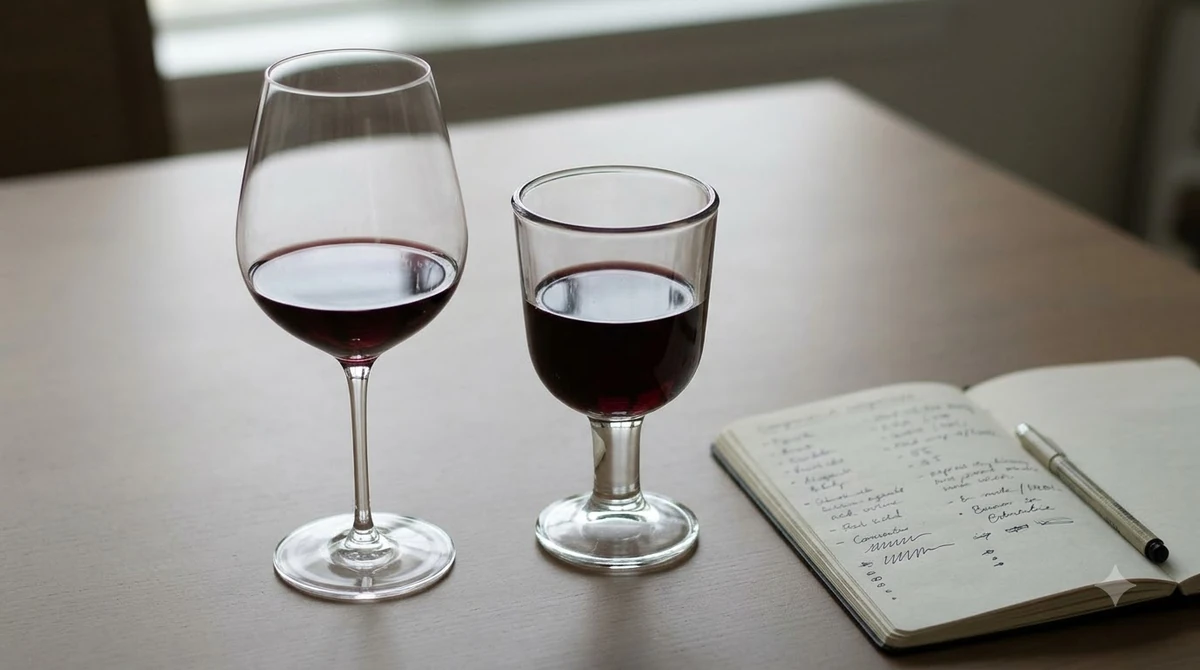
Comparing Spanish Monastrell against French Mourvedre reveals clear differences in alcohol, tannin grip, blending ratios, and drinking windows. Even though both wines start with the same late-ripening grape, climate and winemaking rules steer them toward opposite ends of the full-bodied red spectrum.
| Attribute | Spanish Monastrell | French Mourvedre |
|---|---|---|
| Primary Regions | Jumilla, Yecla, Bullas, Alicante, Almansa | Bandol (Provence), Southern Rhone Valley |
| Typical Style | Single-varietal (85% to 100%) | Blended (50% to 95% in Bandol; minor role in Rhone) |
| Dominant Fruit Notes | Blueberry, boysenberry, black cherry, plum | Blackberry, blackcurrant, dried prune |
| Savory & Earth Notes | Cocoa, sweet spice, dried Mediterranean herbs | Leather, game, truffle, garrigue, black pepper |
| Tannin & Body | Full body, medium-plus to high supple tannins | Full body, high firm and grippy tannins |
| Typical Alcohol (ABV) | 14.5% to 15.5% | 13.5% to 14.5% |
| Ideal Drinking Window | 1 to 6 years from vintage | 5 to 15+ years from vintage |
| Serving Temperature | 60 to 65 F | 60 to 65 F |
The contrast comes down to heat accumulation and cellar philosophy. Southeastern Spain’s inland plateaus bake under intense sun, pushing sugar levels higher and softening the grape’s naturally fierce tannins before harvest. Coastal Provence and the Rhone Valley experience cooler maritime breezes and mistral winds, preserving firmer phenolic grip that demands patience in the cellar.
How Spanish Monastrell Tastes and Where It Grows
Spanish Monastrell is bold, plush, and generously fruited, built around ripe blueberry, boysenberry, and black plum flavors layered with cocoa and sweet spice. Because Spain’s southeastern wine regions receive over 3,000 hours of sunshine each year, the grapes achieve complete phenolic ripeness and produce full-bodied reds with velvety texture.
According to Spanish wine regulations, Monastrell serves as a primary authorized variety across five southeastern Denominaciones de Origen: Jumilla, Yecla, Bullas, Alicante, and Almansa. DOP Jumilla is the largest producer, where Monastrell accounts for 70 percent of vineyard plantings across arid, stony limestone soils. Neighboring DO Yecla reaches an even higher concentration at 80 percent Monastrell, while DO Bullas stands at 70 percent and DO Alicante at 60 percent.
A remarkable viticultural advantage in Jumilla and Yecla is the survival of pie franco vineyards—old bush vines growing on their original European roots rather than grafted onto American rootstocks. The phylloxera louse that devastated European vineyards in the late 19th century could not survive in the region’s sandy, limestone-rich soils. Benchmark producers like Casa Castillo, Bodegas Carchelo, and Juan Gil farm these low-yielding, ungrafted vines to bottle concentrated, 100 percent Monastrell wines that showcase pure dark fruit and approachable tannins right upon release. Readers comparing Iberian reds can also explore monastrell vs tempranillo to see how this Mediterranean powerhouse differs from Rioja’s signature grape.
Tip: Look for the words “Vinas Viejas” (old vines) or “Pie Franco” on Spanish Monastrell labels from Jumilla and Yecla. These bottles come from low-yielding bush vines that produce deeper concentration and finer, more polished tannins than young irrigated plantings.
How French Mourvedre Tastes and Where It Grows
French Mourvedre is structured, earthy, and savory, trading lush berry sweetness for blackberry, black pepper, wild herbs, and gamey undertones. In southern France, winemakers rarely bottle Mourvedre on its own, relying instead on traditional blends that balance its brooding intensity and firm tannins.
According to Inter Rhone, Mourvedre accounts for 3.16 percent of vineyard acreage in the Southern Rhone Valley, ranking as the fourth most planted grape behind Grenache noir, Syrah, and Carignan. Permitted across 16 Rhone appellations including Chateauneuf-du-Pape, Gigondas, and Vacqueyras, it acts as the structural backbone in GSM blends. While Grenache supplies red fruit warmth and alcohol, Mourvedre contributes deep color, tight tannins, and complex aromas of truffle, leather, and garrigue after roughly five years of bottle age. A rare exception in Chateauneuf-du-Pape is Chateau de Beaucastel, which incorporates a notably high proportion of Mourvedre for multi-decade longevity.
Further south on the Mediterranean coast of Provence, Bandol AOC is the only French appellation where Mourvedre legally dominates the blend. Bandol red wine regulations require a minimum of 50 percent Mourvedre, and top estates such as Domaine Tempier and Chateau Pradeaux frequently push the share to 80 or 95 percent, rounding out the blend with Grenache and Cinsault. Grown on terraced, south-facing limestone slopes overlooking the sea, Bandol reds exhibit intense notes of lavender, herbes de Provence, terracotta clay, and dark plum, alongside a high-tannin framework that often requires six to ten years in the cellar before softening.
Mourvedre and Mataro Outside Spain and France
Beyond Spain and France, California and Australia produce compelling versions of this grape under the names Mourvedre and Mataro. New World winemakers bridge the gap between Spanish fruit generosity and French savory structure, creating single-varietal bottlings and Rhone-style blends suited to warm coastal valleys.
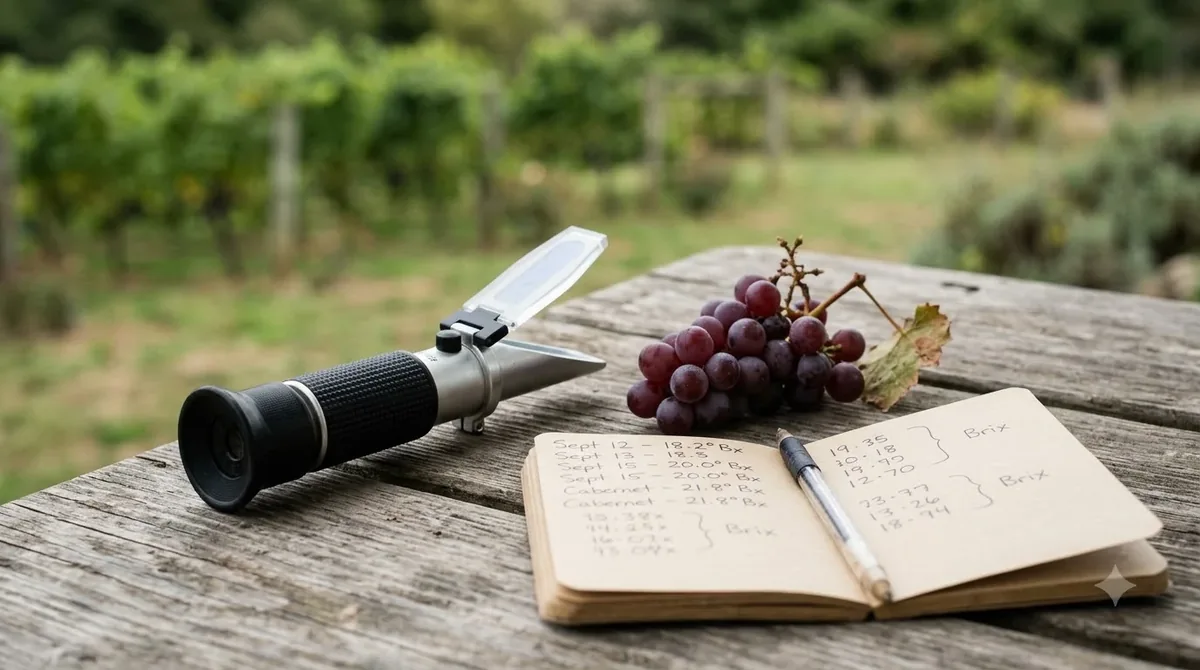
In the United States, California’s Rhone Rangers movement championed Mourvedre during the late 20th century, planting the heat-loving vine across Paso Robles, Contra Costa County, and the Sierra Foothills. Producers like Bonny Doon Vineyard in California’s Central Coast and Tablas Creek Vineyard in Paso Robles have demonstrated how well the grape adapts to California sunshine, yielding wines with dark raspberry, black pepper, and dusty earth notes. In Contra Costa County, century-old, head-trained Mataro vines planted in sandy soils near Oakley still produce concentrated reds that mirror the ungrafted heritage of southeastern Spain.
In Australia, immigrants planted the grape in South Australia’s Barossa Valley and McLaren Vale during the 1840s under the name Mataro. Australian winemakers use Mataro both as an essential component in GSM blends alongside Grenache and Shiraz and as a standalone varietal from dry-grown bush vines. Tasting mourvedre vs syrah side by side highlights why Australian and Rhone winemakers pair them together: Syrah brings plush dark fruit and floral lift to the mid-palate, while Mourvedre adds mid-palate weight, savory meatiness, and a firmer tannic finish.
Food Pairings for Monastrell vs Mourvedre
Both Monastrell and Mourvedre demand rich, hearty dishes with plenty of protein and fat to tame their high tannins and full body. However, choosing the ideal plate depends on whether the bottle leans toward plush Spanish fruit or earthy French savoriness.
Spanish Monastrell shines alongside grilled, smoky, and mildly sweet-savory dishes that echo its ripe blueberry and spice profile. Barbecued pork ribs, braised short ribs, roasted lamb shoulder, and grilled chorizo sausages match the wine’s full-bodied, high-alcohol structure without letting the fruit overwhelm the food. Hard, aged sheep’s milk cheeses like Manchego also work well because their salt and fat soften tannic grip on the palate. Avoid pairing high-alcohol Monastrell with fiery chili-spiced dishes, as capsaicin heat amplifies alcohol burn and makes tannins taste bitter.
French Mourvedre from Bandol or the Southern Rhone calls for deeply savory, herb-crusted, and gamey preparations that mirror its garrigue, leather, and truffle notes. Classic regional pairings include daube provencale (beef braised in red wine with black olives and orange peel), roasted leg of lamb studded with rosemary and garlic, grilled duck breast, and wild mushroom risotto. For vegetarian tables, smoky grilled portobello mushrooms, lentil stews, and eggplant gratin provide the umami depth needed to balance Mourvedre’s firm structure.
How to Serve, Decant, and Age Each Style
Serving temperature and aeration play a major role in unlocking the aromatics of both wines, though French Mourvedre generally requires much longer decanting and cellar aging than Spanish Monastrell. Serving either wine too warm exaggerates alcohol heat, while serving it too cold clamps down on fruit and makes tannins feel astringent.
Pour both Monastrell and Mourvedre slightly cooler than typical room temperature, around 60 to 65 F as recommended by Wine Folly for full-bodied red wines, using a large-bowled Bordeaux or Syrah glass that allows smoky and herbal aromas to open up. For young Spanish Monastrell under four years old, a brief decant softens the edges and brings out sweet berry fruit, with everyday bottles drinking best within a few years of the vintage. Once opened, store leftover wine recorked in the refrigerator, where full-bodied red wines generally stay fresh for 3 to 5 days according to Wine Folly.
Young French Mourvedre, particularly Bandol reds that require at least 50 percent Mourvedre under Bandol AOC regulations, benefits from extended time in a decanter to unwind its tightly wound tannins and earthy bouquet. According to Decanter’s grape variety guide, Bandol AOC rules require red wines to age in wood for at least 18 months before release, and top examples can age gracefully in a cool cellar for over a decade. Shoppers who enjoy exploring how different regional traditions shape classic grapes can browse additional Wine vs Wine comparisons to plan their next cellar purchase.
Frequently Asked Questions
Can Mourvedre be used to make rose wine?
Yes, Mourvedre is the signature grape behind structured, age-worthy rose in Bandol AOC in Provence. Estates like Domaine Tempier blend Mourvedre with Grenache and Cinsault to create dry roses with notes of wild strawberry, blood orange, and dried herbs that have the structure to age for several years.
Why did Mourvedre struggle in France after the phylloxera epidemic?
During the late 19th-century phylloxera crisis, French growers discovered that Mourvedre grafted poorly onto many early American rootstocks. Because Grenache and Carignan were much easier to graft and yielded more reliably, Mourvedre acreage in southern France dropped sharply before modern grafting techniques restored plantings.
Does Monastrell lose acidity quickly in hot climates?
According to Wine Enthusiast, Mourvedre and Monastrell berries experience a rapid drop in natural acidity once they pass peak ripeness. Growers in warm regions like Jumilla and Yecla monitor harvest dates closely so the finished wine retains enough freshness to balance its high alcohol.
Is Monastrell used in sweet or fortified Spanish wines?
Yes, winemakers in southeastern Spain produce traditional sweet red wines known as Monastrell Dulce in Jumilla and Fondillon in DO Alicante. Under DO Alicante regulations, Fondillon is a historic, unfortified sweet-to-dry wine made from overripe Monastrell grapes aged for at least 10 years in oak barrels.
How can buyers tell if a bottle of Mourvedre is a blend or 100 percent varietal?
Under U.S. TTB regulations and Australian wine labeling rules, a wine labeled as varietal Mourvedre or Mataro must contain at least 75 percent and 85 percent of that grape respectively. In France, appellation names like Bandol or Chateauneuf-du-Pape appear on the front label instead of grape names, so checking the back label or producer notes confirms the exact blend percentage.
Choosing between monastrell vs mourvedre comes down to matching the bottle’s regional personality to the meal and timeline at hand. Reach for Spanish Monastrell from Jumilla or Yecla when a dinner calls for plush, fruit-forward richness tonight, and turn to French Mourvedre from Bandol or the Southern Rhone when a savory roast or long-term cellar slot demands firm, earthy structure.
More in Wine vs Wine
 Chenin Blanc vs Pinot Gris: Acidity, Body, and Pairing DifferencesUpdated Nov 20, 2026
 Chianti vs Lambrusco: How Tuscany and Emilia-Romagna Reds CompareUpdated Nov 20, 2026
 Chianti vs Primitivo: Key Differences in Taste, Body, and PairingUpdated Nov 20, 2026
 Chianti vs Rioja: Key Differences in Taste, Aging, and PairingUpdated Nov 20, 2026
 Chianti vs Shiraz: How Acidity, Body, and Food Pairings CompareUpdated Nov 20, 2026
 Chianti vs Syrah: Key Differences in Taste, Body, and Food PairingUpdated Nov 20, 2026