

We may earn a commission when you buy through links on this page, at no extra cost to you. Learn more.
What is chateauneuf du pape? It is a historic, prestigious French wine appellation in the Southern Rhône Valley best known for bold, full-bodied red blends built primarily around Grenache. Translating to “The Pope’s New Castle,” the region permits up to 18 grape varieties—including both red and white grapes—and produces rare, richly textured white wines alongside its famous reds. Bottles are easily recognized by their heavy glass and embossed papal keys or coat of arms.
Pronounced roughly “shat-toe-nuhf dew pahp,” this benchmark appellation sits just north of Avignon and serves as the crown jewel of the Southern Rhône. In the early twentieth century, local winemaker Baron Pierre Le Roy established strict vineyard and production rules here that laid the groundwork for France’s entire Appellation d’Origine Contrôlée (AOC) system. For wine drinkers exploring Wine by Type, Châteauneuf-du-Pape represents the pinnacle of sun-drenched, spice-driven Old World reds.
What it is
Châteauneuf-du-Pape is one of the top-tier crus of the Côtes du Rhône wine region, producing both red (Rouge) and white (Blanc) wines, though no rosé is permitted. While classic regional bottles of what is Côtes du Rhône offer approachable everyday drinking, Châteauneuf-du-Pape delivers greater concentration, complexity, and aging potential.
The region’s name dates back to the fourteenth century, when the papacy relocated from Rome to Avignon and built a summer residence overlooking these vineyards. Today, that papal heritage remains stamped directly onto most bottles via an embossed emblem featuring the papal tiara and the crossed keys of Saint Peter. Because of its strict low-yield rules and historical prestige, it stands as the most famous and widely collected appellation in the Southern Rhône.
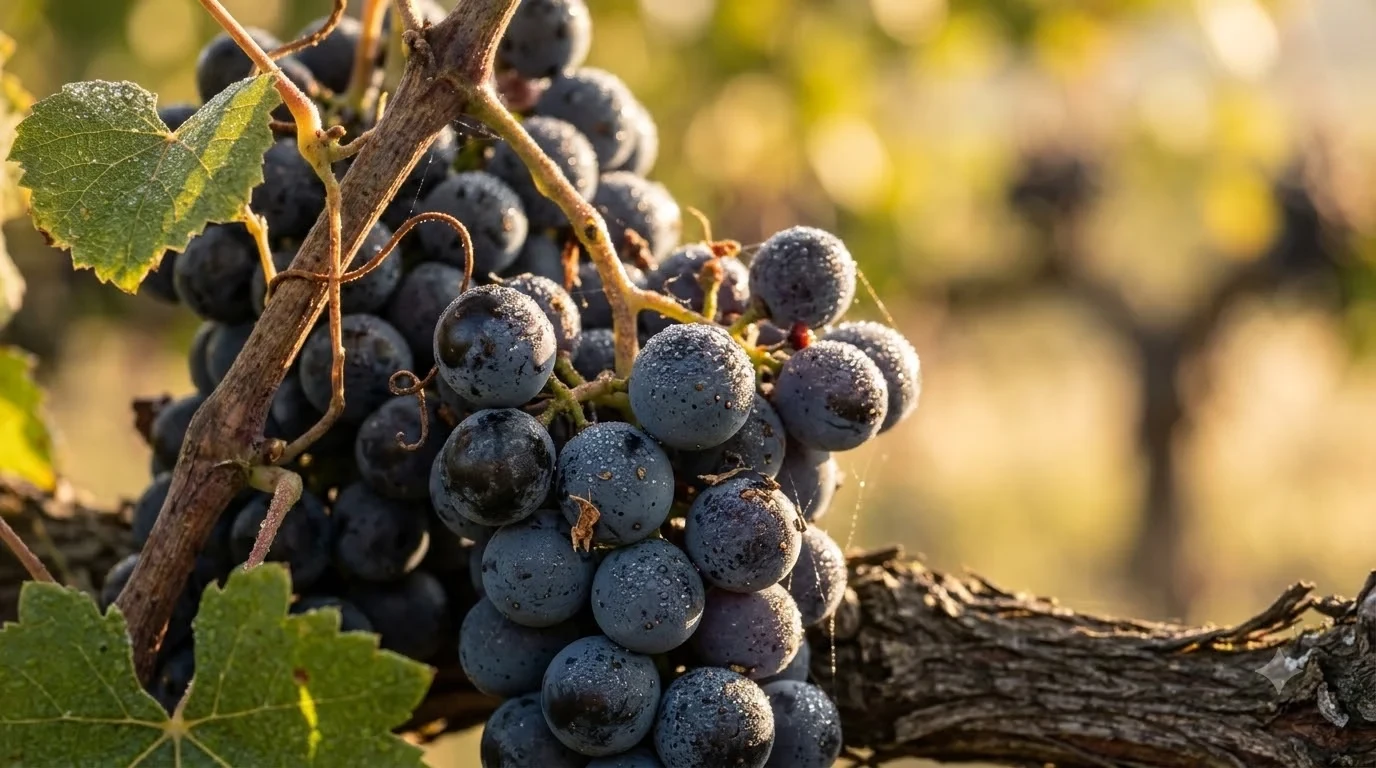
According to Wine Folly’s guide to Châteauneuf-du-Pape, nearly three-quarters of the appellation’s vineyards are planted to Grenache. Unlike many French regions that enforce rigid single-grape rules, Châteauneuf-du-Pape grants winemakers extraordinary blending freedom. Producers can blend one or any combination of 18 permitted grape varieties—even co-fermenting white grapes into red wines to lift aromatics and soften tannins.
Flavor and styles
Red Châteauneuf-du-Pape is a full-bodied, generous wine defined by ripe red and dark berry fruit layered over savory herbs, leather, and warm baking spices. White Châteauneuf-du-Pape, which makes up a tiny fraction of production, trades sharp acidity for lush stone fruit, white flowers, and a rich, oily texture.
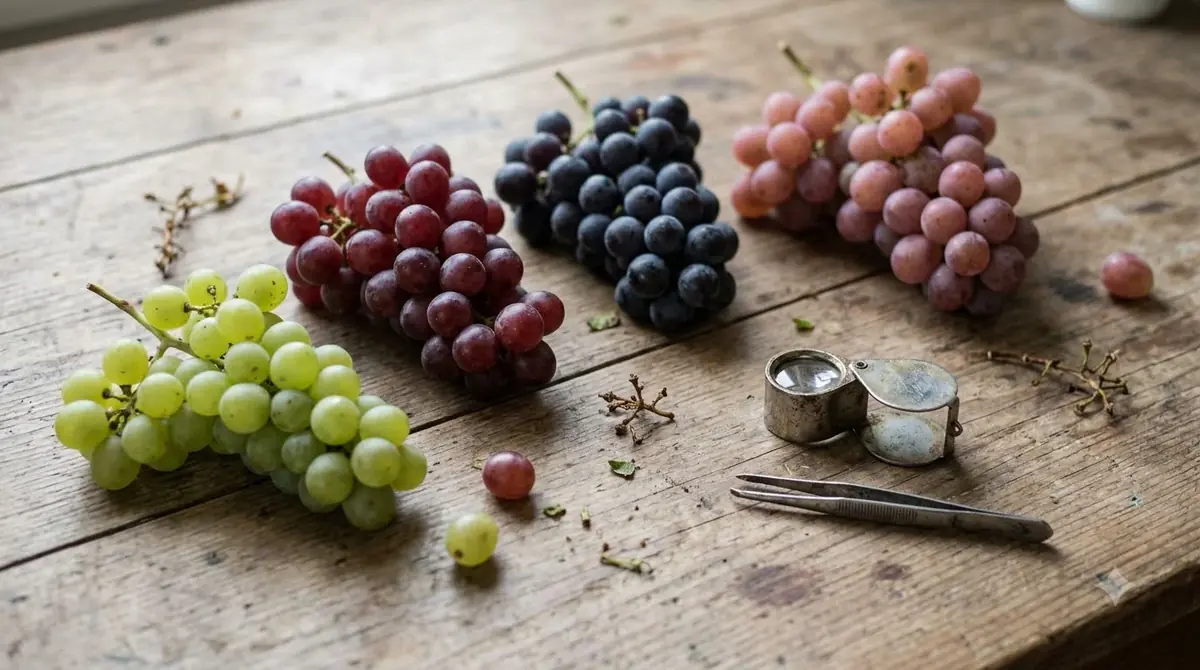
In a young red bottle, Grenache provides juicy waves of raspberry, strawberry, and red plum, accompanied by a characteristic warming finish driven by elevated alcohol levels that often sit at 14 percent ABV or higher. Syrah and Mourvèdre play crucial supporting roles in the blend, contributing darker blackberry and black currant fruit, firm tannic structure, and savory notes of black pepper, smoked meat, and game.
Winemaking choices create noticeable stylistic differences across the appellation. Traditionalists ferment whole clusters in concrete vats and age their wines in massive, neutral oak casks called foudres, preserving pure fruit and earthy, wild-herb notes known locally as garrigue. Modernist producers often destem their grapes and age portions of Syrah and Mourvèdre in smaller French oak barrels, yielding deeper color and hints of vanilla, clove, and toast.
| Wine Style | Primary Grapes | Core Aromas and Flavors | Body and Texture | Aging Potential |
|---|---|---|---|---|
| Châteauneuf-du-Pape Rouge | Grenache, Syrah, Mourvèdre, Cinsault | Raspberry, black cherry, wild thyme, leather, black pepper | Full-bodied, plush, warming, silky tannins | 10 to 20+ years |
| Châteauneuf-du-Pape Blanc | Grenache Blanc, Clairette, Roussanne, Bourboulenc | White peach, Meyer lemon, acacia blossom, macadamia, stone | Full-bodied, creamy, low-to-moderate acidity | Up to 10 years |
Where it grows
The appellation spans five communes in southeastern France near the Mediterranean coast: Châteauneuf-du-Pape, Courthézon, Orange, Bédarrides, and Sorgues. Its famous vineyards are blanketed in large, smooth river stones called galets roulés that absorb daytime heat and radiate warmth back to the vines overnight.
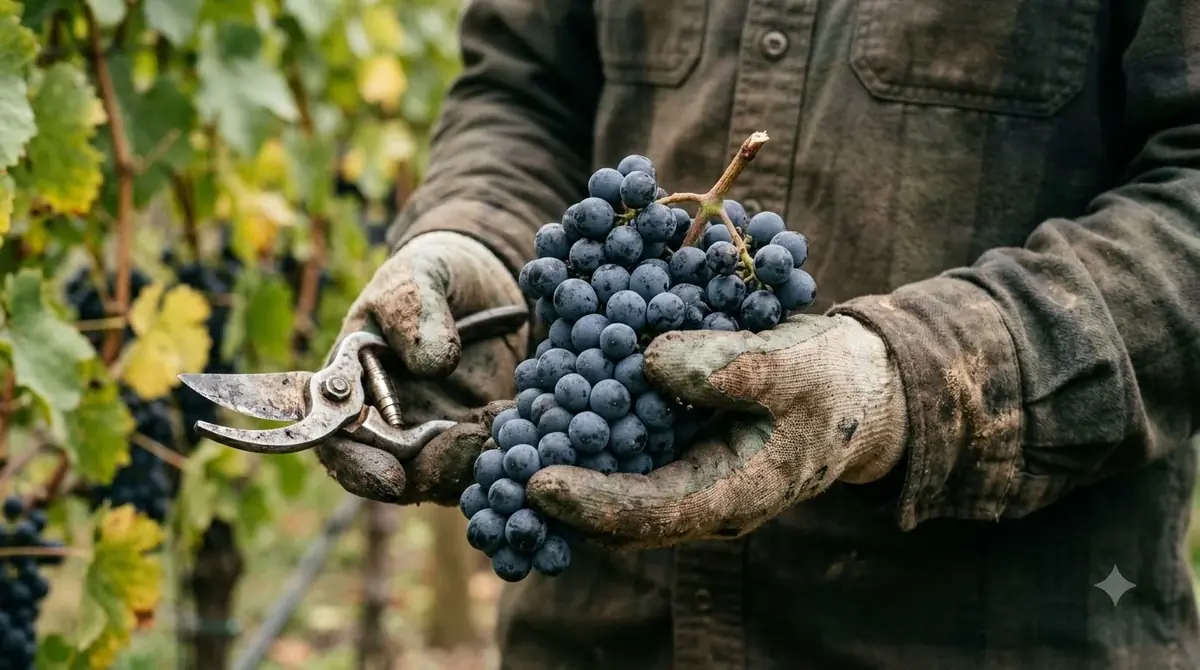
These rounded quartzite pebbles—left behind millennia ago by Alpine glaciers and the Rhône River—act like natural storage heaters. During long, sun-drenched summer days, the stones soak up solar energy and slowly release it after sunset, helping thick-skinned grapes reach full ripeness. Beneath the surface, diverse pockets of red clay, limestone, and sand create distinct micro-terroirs; wines grown on sandy soils tend to be more fragrant and lifted, while clay-heavy sites produce denser, more structured reds.
Equally important to the region’s climate is Le Mistral, a fierce, dry wind that barrels down the Rhône Valley from the north. While strong enough to force growers to train vines as low, sturdy freestanding bushes rather than on trellises, the wind blows away moisture and humidity. This natural ventilation keeps fungal diseases at bay and allows roughly a third of the appellation’s vineyard area to be farmed organically or biodynamically.
How to serve
Serve red Châteauneuf-du-Pape slightly below room temperature at 60 to 65°F (16 to 18°C), and decant young bottles for about one hour before pouring. White bottles show best lightly chilled at 50 to 54°F (10 to 12°C).
Controlling serving temperature is essential for high-alcohol Grenache blends. If poured at a warm 72°F living-room temperature, the alcohol can dominate the nose and make the wine taste hot or jammy. Putting the bottle in the refrigerator for 20 to 30 minutes before dinner brings it right into the ideal window, keeping the fruit vibrant and the tannins balanced.
Aeration plays an equally big role in unlocking the wine’s savory layers. Young reds from recent vintages benefit from an hour in a wide-bottomed decanter to soften grippy tannins and blow off any earthy reduction. For bottles older than ten years, skip aggressive decanting—simply stand the bottle upright a day ahead to let sediment settle, then pour gently into large-bowled glasses so delicate dried-flower and leather aromas stay intact.
Tip: Never serve Châteauneuf-du-Pape Blanc ice-cold straight from the fridge; warming it slightly to cellar temperature brings out its honeyed, nutty texture.
Food pairing
Châteauneuf-du-Pape pairs effortlessly with hearty roasted meats, braised dishes, and richly spiced Mediterranean fare that match its full body and herbal complexity. White versions excel alongside rich seafood, roast poultry, and creamy washed-rind cheeses.
Because Grenache carries natural sweetness and warming spice, red bottles thrive alongside dishes seasoned with rosemary, thyme, garlic, and cumin. Classic regional matches include herb-crusted rack of lamb, slow-braised beef short ribs, duck confit, and wild boar ragù. According to VinePair’s Southern Rhône wine guide, the region’s sun-ripened reds also handle bold, savory flavors without feeling weighed down by overly harsh oak tannins.
Plant-forward cooks have plenty of options as well. Charred eggplant, smoky grilled cauliflower steaks, mushroom risotto, and Moroccan vegetable tagines with green olives mirror the wine’s earthy, savory undercurrents. Avoid pairing red Châteauneuf-du-Pape with fiery chili heat—which amplifies the wine’s alcohol—or delicate poached fish, which will be overwhelmed by the wine’s weight.
How to choose a bottle
Start by checking the bottle’s glass embossing, vintage weather notes, and blend details on the back label to match a producer’s style to your palate. Before browsing the Rhône aisle, brushing up on how to pronounce Côtes du Rhône and its sub-regions can also make navigating French wine shops much easier.
First, look for the raised crest near the shoulder of the bottle; while not legally mandatory, most estate-bottled wines carry the traditional papal seal, signaling authentic appellation bottling. Next, scan the label for clues about vineyard age and grape proportions. Terms like “Vieilles Vignes” indicate old vines that yield deeper, more concentrated fruit, while higher percentages of Mourvèdre or Syrah point toward a darker, firmer, more age-worthy style.
Finally, pay attention to vintage character. Warm, dry years like 2015, 2016, and 2020 produced lush, generous reds that show well early with a short decant, whereas cooler or wetter seasons yield brighter acidity and savory herbal structure suited for the dinner table. Whether you choose a fruit-forward Grenache-dominant bottling or a structured traditional blend, every bottle delivers a distinctive taste of Southern France.
Frequently Asked Questions
Is Châteauneuf-du-Pape a grape or a region?
Châteauneuf-du-Pape is a wine region (appellation) in France’s Southern Rhône Valley, not a single grape variety. Wines labeled with this name are blends made from up to 18 permitted grape varieties, with red Grenache serving as the dominant grape in almost every red bottle.
Is Châteauneuf-du-Pape dry or sweet?
Châteauneuf-du-Pape is a dry wine. While ripe Grenache fruit and higher alcohol levels can create a plush, sweet-berry impression on the mid-palate, fermentation converts virtually all grape sugar into alcohol, leaving a dry, savory finish.
How many grapes are allowed in Châteauneuf-du-Pape?
Appellation rules officially permit 18 distinct grape varieties—counting red, pink-skinned, and white mutations of grapes like Grenache, Piquepoul, and Clairette separately. Traditionally, the region was famous for its “13 grapes,” and modern winemakers still have complete freedom to blend any combination of the approved varieties.
Can you age Châteauneuf-du-Pape?
Yes, Châteauneuf-du-Pape is one of the longest-lived wines of the Southern Rhône. Most red bottles drink beautifully between 8 and 20 years after the vintage, developing complex notes of leather, dried figs, and forest floor, while top cuvées can cellar for 30 years or more.
From its sun-warmed pebble vineyards to its centuries-old papal heritage, Châteauneuf-du-Pape offers an unmistakable combination of ripe Mediterranean fruit and savory Old World complexity. Whether you open a youthful bottle alongside Sunday lamb or cellar a prized vintage for a milestone dinner, it remains one of France’s most rewarding wines to explore.
More in Wine Types & Grapes
 What Does Mourvèdre Taste Like? Flavor Profile, Regions, and PairingsUpdated Nov 20, 2026
 What Does Marsanne Taste Like? Flavors, Styles, and Food PairingsUpdated Nov 20, 2026
 What Does Malvasia Taste Like? Styles, Flavors, and Food PairingsUpdated Nov 20, 2026
 What Does Grenache Blanc Taste Like? Flavor Profile, Styles, and PairingsUpdated Nov 20, 2026
 What Does Garnacha Taste Like? Key Flavors, Styles, and Pairing TipsUpdated Nov 20, 2026
 What Does Fruit Wine Taste Like? A Complete Flavor and Style BreakdownUpdated Nov 20, 2026