

We may earn a commission when you buy through links on this page, at no extra cost to you. Learn more.
The monastrell grape is the Spanish name for Mourvèdre, a late-ripening red variety that makes deeply colored, tannic wines with earthy, savory character. It is one of the great red grapes of Spain’s warm southeast, and it also appears in France and Australia under other names. The grape needs heat to ripen fully, which shapes both where it grows and how the wine tastes.
This guide covers the Monastrell grape itself: its names, where it is planted, what its wines taste like, and how the grape is used in blends. It is written for anyone who sees the name on a Spanish label and wants to know what to expect.
Monastrell and Mourvèdre: one grape, several names
Monastrell is the name used in Spain for a grape that is known as Mourvèdre in France and as Mataro in Portugal and parts of the New World. The name you see on a bottle depends on the country, but the grape is the same. Wikipedia’s entry on Mourvèdre lists more than 90 other names for it worldwide, which is one reason the variety is easy to miss on a label.
Because the names differ, it helps to check the back label for the grape. A Spanish bottle that says Monastrell and a French bottle that says Mourvèdre may both be made from the same variety, even though the wines are styled differently in each country.
Where Monastrell is grown
Spain is the grape’s heartland. Wikipedia reports that Monastrell had about 43,049 hectares planted in Spain in 2015, making it the fourth most widely planted red variety there. It is a primary red grape in several Spanish appellations, including Jumilla, Yecla, Valencia, Almansa and Alicante. Plantings were above 100,000 hectares in 1996, so the area has shrunk since then, but the grape remains central to the southeast.
In France the grape is called Mourvèdre, and it ripens most consistently in Bandol, where red wines must contain at least 50 percent Mourvèdre. Its French plantings grew sharply from the late 1960s, when there were fewer than 900 hectares, to more than 7,600 hectares by 2000. In Australia, where it is known as Mataro, it was established in the Barossa Valley and McLaren Vale in South Australia and is mainly used in GSM blends.
| Country | Name on the label | Main role |
|---|---|---|
| Spain | Monastrell | Primary red in Jumilla, Yecla, Valencia, Almansa and Alicante |
| France | Mourvèdre | Structure in Bandol reds and the GSM blend in the Rhône |
| Australia | Mataro | Blending partner in GSM wines from South Australia |
How Monastrell grows
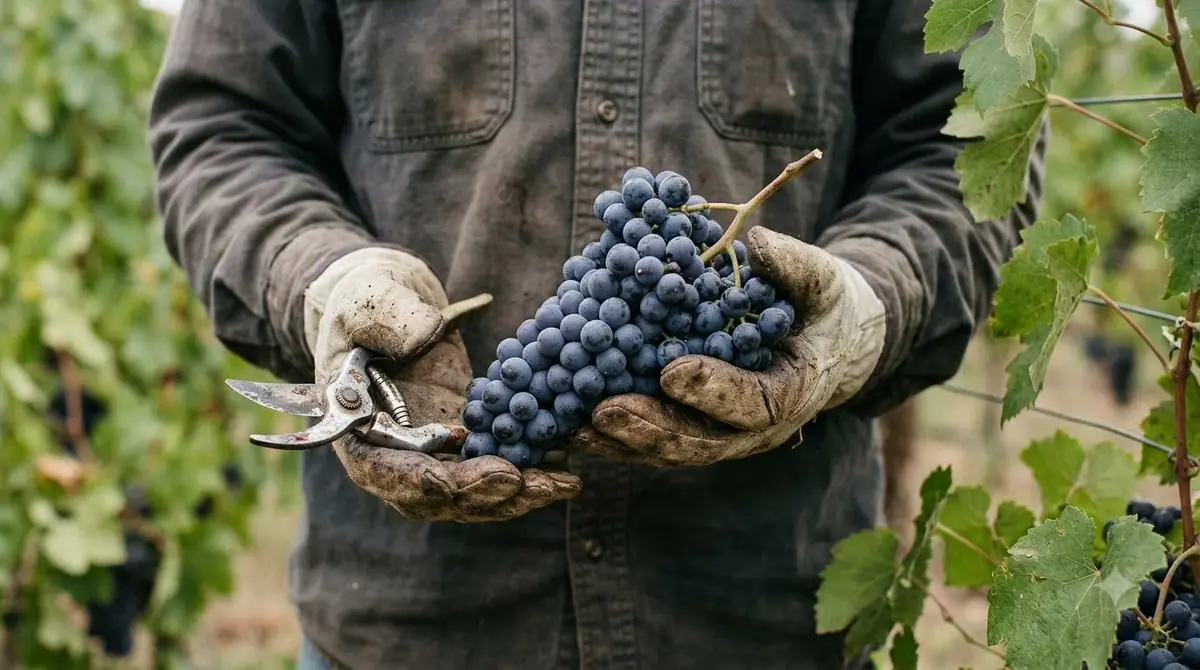
The grape needs a very warm climate. It ripens late in the season, which is why it does best where summers are long and dry. That late ripening also makes it vulnerable to disease, and the grape is susceptible to powdery and downy mildew. Growers in the Spanish southeast work with the heat and the dry soils, and the vines often have to be managed closely to keep the crop healthy.
Yield and vine vigor can vary by site, so the same variety can taste different from one vineyard to the next. Warmer sites tend to give fuller, riper wines, while cooler spots can keep more structure and acidity. The grape’s reputation for depth comes from the way it handles heat when it is planted in the right place.
What Monastrell wine tastes like
Monastrell makes deeply colored wines that are often high in alcohol and firm in tannin. Producers commonly describe the flavors as wild game and earthy notes, with soft red fruit underneath. The character is savory rather than sweet, and it can feel rustic in a way that many drinkers enjoy.
Young wines can show reductive, sulfur-like notes when they are first bottled. These usually soften with time, and the fruit and earthy character become more integrated. That is one reason many Monastrell wines are sold with a little bottle age, and why an older bottle can taste more balanced than a young one.
Monastrell in blends
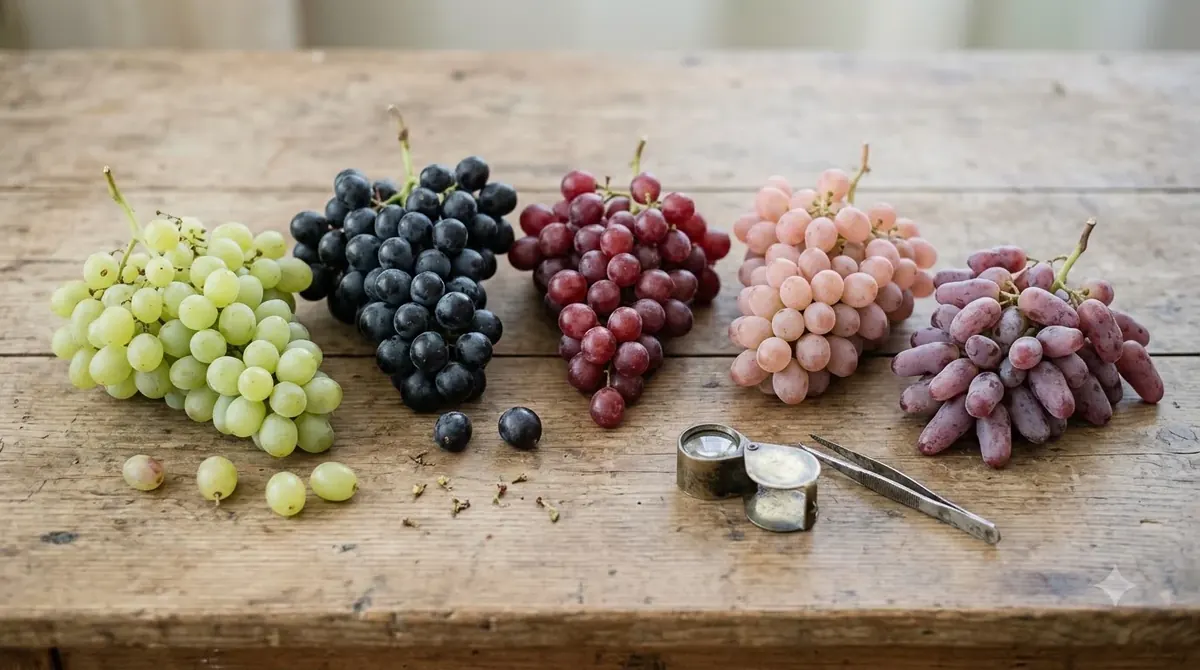
Monastrell is rarely bottled alone in every region, because its tannin and depth are easier to balance in a blend. In Spain it is often combined with other red varieties to soften the structure and add fruit. In France, Mourvèdre plays a key role in the GSM blend of Grenache, Syrah and Mourvèdre that defines much of the southern Rhône. The official Côtes du Rhône site notes that Grenache and Mourvèdre are more prevalent in the south, where the blend is strongest.
In Australia, Mataro is part of GSM blends and sometimes shows up as a supporting variety in other red wines. Blending lets winemakers use the grape’s color, structure and earthiness without letting any single trait dominate. If you enjoy a bottle with a bit of rusticity and depth, a blended Monastrell or Mourvèdre is a good place to start.
Tip: When you see Monastrell on a label, look for a producer’s description of style. Words like structured, savory or ripe usually signal a fuller red, while lighter fruit-forward wines are less common with this grape.
How to serve and pair Monastrell
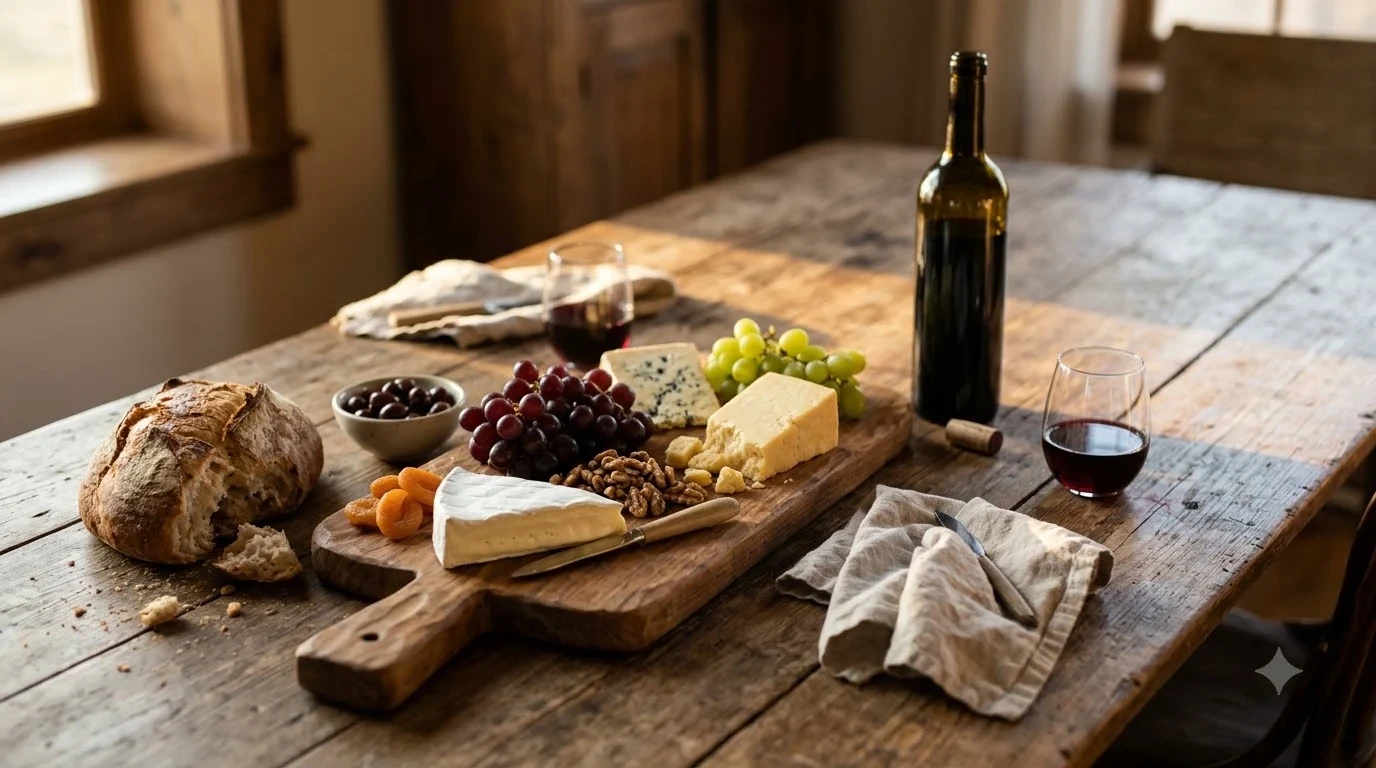
Because Monastrell wines are firm and savory, they suit food with some richness and texture. Grilled and roasted meats are a natural match, and the wine’s earthiness works well with dishes that include mushrooms, herbs and slow-cooked sauces. Game and rich braises tend to suit the flavor profile, since the wine’s savory notes echo the same character in the food.
Serve the red at a cool room temperature and give it a short time to breathe if it is young and tight. Decanting can help soften the reductive notes in a young bottle and open the fruit. A medium to large glass suits the wine well, since it gives the aroma space to develop.
How to choose a Monastrell
Start by checking the region and the producer. A bottle from Jumilla or Yecla usually reflects the warm, dry character of the Spanish southeast, while a Mourvèdre from Bandol can show a more refined structure. The label and the producer’s notes will tell you whether the wine is meant to be drunk young or cellared for a few years.
If you are new to the grape, a blended wine is an easy introduction. It gives you the color and depth without the full tannic weight of a single-variety bottle. Once you know the style, try a varietal Monastrell from a well-regarded producer to see how the grape speaks on its own.
Why the grape is worth knowing
For many drinkers, Monastrell is a way to explore a red that is deeper and more rustic than the fruit-forward reds that dominate supermarket shelves. It rewards patience, both in the cellar and at the table. A young bottle can seem closed and austere, but with food and some time it often opens into a more layered wine.
The grape also shows how a single variety can change with geography. The same vine that gives a firm, earthy red in Spain can give a fuller, more structured wine in Bandol and a bolder, riper style in South Australia. Tasting across those regions is one of the clearest ways to understand how climate and winemaking shape a grape’s character.
Frequently Asked Questions
What is Monastrell grape?
Monastrell is the Spanish name for the Mourvèdre grape. It makes deeply colored, tannic red wines with savory, earthy character and is grown mainly in southeastern Spain, with notable plantings in France and Australia under other names.
Is Monastrell the same as Mourvèdre?
Yes. The two names refer to the same grape. Monastrell is the common name in Spain, Mourvèdre is used in France, and Mataro appears in Australia and Portugal.
What does Monastrell wine taste like?
Expect deep color, firm tannin and often high alcohol. The flavors usually include soft red fruit along with wild game and earthy notes. Young wines can show reductive, sulfur-like aromas that soften with age.
Where is Monastrell grown?
The grape is grown mainly in Spain, where it is a primary red in Jumilla, Yecla, Valencia, Almansa and Alicante. It is also important in Bandol in France and in parts of South Australia, where it is called Mataro.
Monastrell is a grape for drinkers who enjoy structure and savory depth in a red. To compare it with a lighter variety, see the pinot noir grape guide, and for a white contrast, read about the chardonnay grape. The Wine by Type section covers more varieties if you want to keep exploring.
More in Wine Types & Grapes
 Zinfandel Sugar Content: Dry Red vs. White Zinfandel GramsUpdated Nov 21, 2026
 Best Zinfandel Substitute Options for Sipping and CookingUpdated Nov 21, 2026
 Zweigelt Food Pairing: Best Dishes, Cheeses, and Serving TipsUpdated Nov 21, 2026
 Zinfandel Tannins Explained: How Structure Shapes Every BottleUpdated Nov 21, 2026
 Zinfandel Sweetness Level: Dry Red vs. Sweet White Zin ExplainedUpdated Nov 21, 2026
 Xinomavro Food Pairing: Best Dishes, Styles, and Serving TipsUpdated Nov 21, 2026