

We may earn a commission when you buy through links on this page, at no extra cost to you. Learn more.
Middleburg wine country is a scenic wine region in Northern Virginia where visitors can discover distinctive Virginia wines, historic estates, and vineyards in the foothills of the Blue Ridge Mountains. Centered on the town of Middleburg in Loudoun County, this destination includes the officially recognized Middleburg Virginia American Viticultural Area (AVA). Its wineries produce Cabernet Franc, Bordeaux-style blends, Viognier, Norton, and other varieties that reflect the region’s soils and growing conditions. Wine tasting also pairs naturally with the area’s equestrian heritage, historic downtown, and countryside restaurants.
Virginia’s wine scene offers a different experience from the large-scale vineyard destinations of California. Around Middleburg, small towns, horse farms, stone walls, rolling pastures, and vineyards share the landscape. Visitors can spend a morning exploring a historic winery, enjoy an afternoon tasting Virginia-grown grapes, and finish the day with dinner in a traditional country inn. Understanding the area’s geography, signature wines, and winery experiences makes it easier to plan a rewarding visit.
Where Middleburg Wine Country Is Located
Middleburg wine country occupies part of Northern Virginia’s Piedmont, approximately 50 miles west of Washington, DC. Its vineyards extend across the countryside surrounding Middleburg, with the broader wine destination reaching into Loudoun and neighboring Fauquier County.
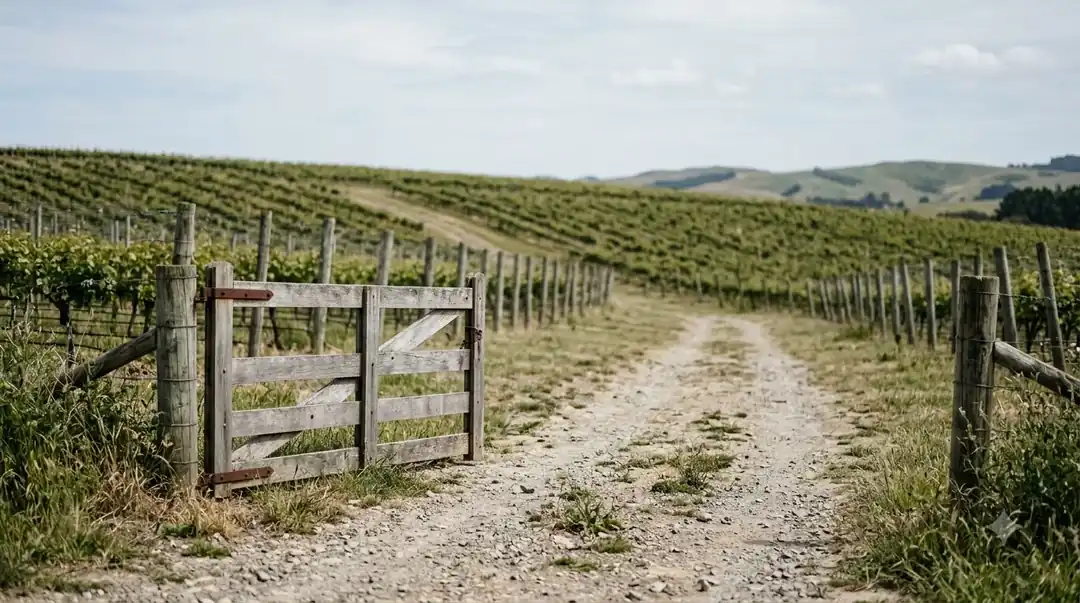
The Middleburg Virginia AVA provides the geographical framework for understanding the region. According to Virginia Wine, this designated wine-growing area covers approximately 190 square miles. Its northern boundary follows the Potomac River, while mountains define its eastern, southern, and western edges. The landscape includes valleys, hillsides, agricultural properties, and elevations that influence how individual vineyard sites develop.
The AVA designation is important because it establishes a recognized geographical identity for wines made from grapes grown within the defined area. It also distinguishes Middleburg from the wider collection of vineyards found throughout Loudoun County and Northern Virginia. A winery located near Middleburg is not automatically within the AVA, so the distinction matters to anyone interested in understanding wine origins.
Virginia Wine identifies approximately 229 acres of commercial vineyards, 24 wineries, and 8 vineyards within the Middleburg AVA. These figures illustrate the area’s relatively compact wine-growing footprint compared with larger American wine regions. The number of individual wineries and tasting experiences makes it possible to explore several producers without treating the destination as a single large estate.
Middleburg is also part of Loudoun County’s larger wine tourism destination, often promoted as DC’s Wine Country. Visit Loudoun identifies a substantial collection of wineries and tasting rooms throughout the county, with estates spread across several communities. Middleburg is particularly attractive for visitors who prefer a countryside setting with historic architecture and equestrian traditions rather than a concentrated collection of commercial tasting rooms.
Leesburg provides another useful starting point for exploring Loudoun. It sits north of Middleburg and offers restaurants, shops, accommodations, and access to wineries farther west. Visitors can combine the two towns, but should remember that the wider county is geographically extensive. Selecting a small group of nearby wineries is usually more enjoyable than trying to cover the entire destination in one day.
For travelers comparing American wine destinations, Middleburg offers a different landscape from Yadkin Valley wine country in North Carolina or the vineyard districts of Pennsylvania. Its defining combination is Virginia Piedmont agriculture, horse country scenery, and a growing collection of distinctive estate wines.
Climate, Geography, and Vineyard Conditions
Middleburg’s wine-growing conditions are shaped by its position in the Virginia Piedmont, where rolling terrain, varied soils, and changing elevations influence grape development. The region’s moderate winters and growing season support several European grape varieties, although vineyard management remains important in a climate with meaningful seasonal variation.

The surrounding mountains and river systems help define the area’s geographical character. The Potomac River lies to the north, and mountain formations surround much of the wider region. Vineyards occupy different slopes and elevations, so two nearby estates can experience different sunlight exposure, drainage, and temperature patterns.
Virginia Wine describes Northern Virginia’s soils as containing material derived from granite and sandstone erosion. These soils can provide useful drainage and create different growing conditions across individual properties. Soil composition matters because vines respond to water availability, root depth, and the physical characteristics of the ground. It is one reason a single grape variety can produce noticeably different wines from different vineyard sites.
The regional climate requires careful attention throughout the growing season. Moderate winters help establish a viable growing cycle, while summer warmth supports ripening. Rainfall, humidity, and changing weather can complicate vineyard management, particularly during flowering, fruit development, and harvest. Growers must monitor canopy growth, fruit health, and ripeness rather than relying on a fixed harvest calendar.
Elevation can also affect the character of individual wines. Higher vineyard positions may experience cooler temperatures and different daily temperature patterns than lower sites. These differences can influence how quickly grapes ripen and how much acidity remains in the fruit. Exposure and slope direction also determine how much sunlight reaches the vines.
For visitors, these geographical differences provide a useful reason to taste wines from multiple estates. A Cabernet Franc from one hillside may have a different balance of fruit, acidity, and structure from a Cabernet Franc grown elsewhere in the region. Rather than assuming that every Middleburg wine tastes the same, consider the producer and vineyard site as part of the wine’s identity.
Tip: Ask tasting-room staff which wines best express their estate’s vineyard conditions. Comparing two Cabernet Franc bottlings or a Viognier and Chardonnay from different producers can reveal how elevation, soil, and winemaking influence the finished wine.
Grapes and Wine Styles to Discover
Middleburg produces a varied selection of wines, but Cabernet Franc, Bordeaux-style red blends, Viognier, Chardonnay, and Norton are especially useful starting points for visitors. These varieties demonstrate how Virginia producers combine internationally recognized grapes with varieties that have a particularly strong regional identity.
Cabernet Franc is one of the most important red grapes to explore. It can produce wines with red and dark fruit, herbal notes, spice, and fresh acidity. Depending on ripeness and winemaking decisions, the wines can range from approachable and fruit-forward to more structured examples suitable for several years of bottle aging.
Bordeaux-style blends are another important part of the area’s identity. These wines typically combine varieties such as Cabernet Sauvignon, Merlot, Cabernet Franc, and Petit Verdot. The precise blend varies between producers and vintages. Cabernet Sauvignon contributes significant tannin and structure, Merlot generally provides softer fruit and a rounder texture, while Petit Verdot can contribute color and additional structure.
Viognier is a particularly interesting white grape in Virginia. It often produces aromatic wines with peach, apricot, floral, and citrus characteristics. Its texture can be generous, making it an appealing alternative to more restrained white wines. Serving it slightly chilled, around 50–55°F, helps preserve its freshness without suppressing its aromas.
Chardonnay offers another perspective on Northern Virginia white wine. Depending on fermentation and aging, it can range from crisp, citrus-driven examples to fuller wines with creamy textures and oak influences. Its medium acidity makes it flexible at the table, particularly alongside roast chicken, seafood, and dishes with moderate richness.
Norton deserves special attention because it is Virginia’s native grape variety. It has a long association with the state’s wine-growing identity and produces distinctive red wines that differ from conventional European varieties. Depending on the producer, Norton can show dark fruit, earthy characteristics, firm structure, and substantial color. It is a worthwhile choice for visitors who want to taste something closely associated with Virginia rather than simply comparing familiar international grapes.
Other varieties grown in the broader Middleburg and Loudoun wine area include Tannat, Sauvignon Blanc, Petit Manseng, Albariño, Syrah, Merlot, and Petit Verdot. Their presence demonstrates the region’s willingness to work with several grape families rather than relying on a single signature variety.
The following table provides a practical starting point when choosing wines at a tasting room. The styles describe general grape characteristics rather than promising an identical result from every producer.
| Grape or wine style | Typical character | Suggested serving temperature | Food pairing |
|---|---|---|---|
| Cabernet Franc | Red fruit, herbs, fresh acidity | 55–60°F | Roast pork, lamb, grilled vegetables |
| Bordeaux-style red blend | Dark fruit, spice, structured tannins | 60–65°F | Beef, short ribs, aged cheese |
| Viognier | Peach, apricot, floral aromas | 50–55°F | Roast chicken, creamy seafood |
| Chardonnay | Citrus, apple, possible oak richness | 50–55°F | Chicken, crab, roasted vegetables |
| Norton | Dark fruit, earthy notes, firm structure | 55–60°F | Barbecue, smoked meats, hard cheese |
| Sauvignon Blanc | Citrus, herbal notes, high acidity | 45–50°F | Goat cheese, salads, shellfish |
| Petit Manseng | Concentrated fruit, lively acidity | 45–50°F for lighter styles | Spiced dishes, fruit-based desserts |
Sweetness is another useful consideration when exploring local wines. Some producers make wines with noticeable residual sugar, while others focus on dry bottlings. A sweeter wine can be an excellent match for spicy food or dessert, provided its sweetness is at least as pronounced as the dish. Ask about the sweetness level rather than assuming that an aromatic white wine is necessarily sweet.
Visitors who already enjoy Virginia wines may also want to compare Middleburg’s offerings with the broader selection of American and international wine regions. Such comparisons help put local varieties into context and make tasting flights more informative.
Notable Wineries Around Middleburg
Middleburg’s surrounding countryside offers several distinctive winery experiences, from Bordeaux-focused estates to producers highlighting Norton and sparkling wine. Greenhill Vineyards, Boxwood Estate Winery, Chrysalis Vineyards, Cana Vineyards, and 50 West Vineyards are useful names to include when researching a first visit.
Greenhill Vineyards
Greenhill Vineyards is known for its estate setting and sparkling wine program. Its Blanc de Blancs has received notable attention, including inclusion in an Academy Awards gift bag. Blanc de Blancs generally refers to sparkling wine made from white grapes, commonly Chardonnay in the traditional French usage. This style can offer citrus, apple, delicate texture, and refreshing acidity.
Greenhill is a good option for visitors interested in exploring sparkling wine alongside the region’s still wines. Compare the wine’s freshness and texture with a local Cabernet Franc or Viognier to appreciate the variety of styles available around Middleburg.
Boxwood Estate Winery
Boxwood Estate Winery is closely associated with Middleburg’s Bordeaux-style wine identity. Its red blends draw on the traditional grape varieties of Bordeaux, making the estate particularly relevant for visitors who enjoy Cabernet Sauvignon, Merlot, and Cabernet Franc.
The winery is also part of the area’s wine-growing identity. Its Bordeaux-inspired approach gives visitors a useful opportunity to compare Virginia-grown grapes with blends from France and other established wine regions. Pay attention to the balance of fruit, acidity, tannin, and oak when comparing the wines.
Chrysalis Vineyards at The Ag District
Chrysalis Vineyards offers a different perspective through its emphasis on Norton, Virginia’s native grape. This makes it particularly interesting for wine drinkers who want to move beyond familiar international varieties.
The estate also offers local cheese, jams, and charcuterie, creating opportunities to explore regional food alongside the wine. A Norton tasting can be especially informative when compared with a Cabernet Franc or Bordeaux-style blend. Look for differences in tannin, fruit expression, acidity, and overall texture.
Cana Vineyards and Winery of Middleburg
Cana Vineyards is another name worth including in a Middleburg itinerary. The winery is associated with winemaker Melanie Natoli and represents the area’s range of estate wine experiences.
Visitors interested in comparing winemaking approaches should consider asking about the winery’s white wines, red varieties, and current tasting selections. Comparing several grape varieties from one producer can reveal how vineyard sourcing and cellar decisions affect the final wine.
50 West Vineyards
50 West Vineyards is known for its elevated setting and countryside views. Its location on a high bluff gives visitors a different visual perspective on the surrounding landscape.
This estate can be a good addition to a visit that combines wine tasting with scenic stops. Allow enough time to enjoy the setting rather than treating every winery as a quick tasting-room visit.
These five estates are also listed among Middleburg’s wine attractions by Visit Loudoun’s official Middleburg destination guide, which provides additional information about the town’s wineries, restaurants, and attractions.
Before setting out, confirm individual winery opening hours, tasting arrangements, food policies, and reservation requirements. Some estates may offer scheduled experiences rather than unrestricted walk-in service, and availability can change with the season.
Best Time to Visit and How to Plan a Wine Trip
Spring and fall are especially appealing seasons for visiting Middleburg, with spring offering fresh vineyard growth and fall bringing harvest activity and changing foliage. Summer can be attractive for outdoor tastings, while winter visits often provide a quieter experience centered on indoor tasting rooms and the historic town.
Spring generally brings greener hillsides and renewed vineyard activity. Budbreak and the development of young shoots make this a particularly interesting time for visitors who want to see how a vineyard begins its annual growing cycle. Temperatures can vary, so comfortable layers are useful for moving between outdoor areas and indoor tasting spaces.
Summer offers longer daylight hours and opportunities to enjoy outdoor seating. Vineyard landscapes are generally at their fullest, although warm afternoons can make shaded seating particularly welcome. Visitors should schedule tastings carefully and allow time for travel between properties rather than rushing through several appointments.
Fall is an excellent season for those interested in the harvest. The countryside takes on autumn colors, and wineries may organize harvest-related activities, food events, or special tasting experiences. Harvest dates vary according to grape variety, weather, and vineyard conditions, so there is no single date that applies to every producer.
Winter can be a good option for visitors who prefer a quieter itinerary. Indoor tasting rooms, historic restaurants, and country inns provide appealing alternatives when vineyard activities are limited. However, individual winery schedules may be reduced during colder months.
Build a manageable tasting itinerary
A comfortable day usually involves two or three winery visits rather than attempting to see every estate in the area. Begin with a morning appointment, have lunch or a planned food stop, and schedule an afternoon tasting. This allows enough time to appreciate the wines and scenery without making the trip feel rushed.
For example, a first-time visitor might organize the day around three different wine interests:
- Morning: Start with Greenhill Vineyards and explore its sparkling wine offerings.
- Midday: Visit Boxwood Estate Winery to compare Bordeaux-style red wines.
- Afternoon: Include Chrysalis Vineyards for an introduction to Norton and local food pairings.
This itinerary combines different wine styles and gives each stop a clear purpose. It should be adjusted to actual appointment availability and driving distances, rather than assuming every property can accommodate an unscheduled visit.
Transportation and practical arrangements
A designated driver or professional wine-tour service is a sensible way to organize a tasting day. The countryside roads around Middleburg are part of the attraction, but wineries are spread across different rural locations. Visitors should plan their route in advance and avoid relying on short distances between tasting rooms.
Reservations are particularly useful for groups, weekend visits, seated tastings, and special experiences. Check whether a winery permits children, pets, outside food, or picnic arrangements. These policies can differ substantially between properties.
It is also useful to bring a notebook or use a tasting record on a phone. Write down the grape, producer, vintage, sweetness, acidity, and favorite characteristics of each wine. With several tastings in one afternoon, small differences can become difficult to remember.
Visitors coming from Washington, DC, should allow additional travel time for traffic. Although Middleburg is approximately 50 miles from the capital, the actual journey depends on the starting point and road conditions.
Food Pairings and Middleburg’s Local Dining
Middleburg’s wine experiences are particularly rewarding when combined with regional food, from Virginia cheeses and charcuterie to roast meats, seafood, and seasonal vegetables. The area’s restaurants and winery tasting rooms offer several ways to connect wine styles with the ingredients and cooking traditions of the Piedmont.
Cabernet Franc is a versatile choice for dishes featuring roasted poultry, grilled pork, mushrooms, and herbs. Its acidity can help balance richer food, while its moderate tannin generally makes it easier to pair than a highly structured Cabernet Sauvignon. For a simple tasting-room pairing, try it with a selection of semi-firm cheeses and cured meats.
Bordeaux-style blends are generally better suited to more substantial meals. Their structure can complement grilled beef, lamb, braised short ribs, and aged cheeses. Cabernet Sauvignon contributes high tannin, so salt and fat in the food can soften its perceived astringency. This makes rich meat dishes particularly effective companions for fuller red wines.
Viognier works well with aromatic dishes and foods that have a moderate level of richness. Roast chicken, grilled shrimp, and creamy seafood preparations can complement its stone-fruit character. However, highly spicy food can make wines with noticeable alcohol feel hotter, so milder seasoning is usually a safer pairing.
Chardonnay offers flexibility because its style can vary substantially. A fresher example can work with oysters, crab, and grilled fish, while a fuller, oak-influenced version may pair better with roast chicken or creamy sauces. The dish’s richness and the wine’s acidity should be considered together.
Norton can accompany grilled meats, barbecue, smoked dishes, and flavorful hard cheeses. Its distinctive fruit and earthy character give it a different relationship with food than a more conventional Cabernet-based blend. Comparing Norton with Cabernet Franc alongside the same cheese selection can be a useful tasting exercise.
Middleburg’s dining scene also adds cultural interest to a wine trip. The Red Fox Inn and Tavern dates to 1728 and is one of the town’s best-known historic establishments. The surrounding downtown includes independent shops, restaurants, and galleries, allowing visitors to make dinner and an evening walk part of the same itinerary.
Chrysalis Vineyards’ emphasis on local cheese, jams, and charcuterie is another example of how wine tourism can connect with regional food. These combinations are particularly useful for visitors who prefer an informal tasting rather than a full restaurant meal.
For a more general comparison, visitors exploring other American countryside wine destinations can also consider Hill Country vineyards, where regional food traditions and wine tourism create a different experience. The contrast highlights how climate, grape selection, and local agricultural culture influence the character of each destination.
Middleburg Beyond the Vineyards
Middleburg is more than a collection of tasting rooms: its historic downtown, equestrian culture, museums, and countryside estates make it a worthwhile destination even for travelers who do not plan to spend every afternoon drinking wine. Combining two winery visits with a town excursion can create a more balanced Virginia getaway.
The town dates to the eighteenth century, and the Red Fox Inn was established in 1728. Its historic character remains visible in the architecture, independent businesses, and traditional streetscape. Visitors can browse boutiques, visit galleries, and enjoy a meal before continuing to the surrounding countryside.
Middleburg is widely associated with Virginia’s horse and hunt country traditions. Horse farms and equestrian properties form an important part of the surrounding landscape, and visitors will encounter the region’s agricultural heritage along rural roads. This heritage gives the area a different character from wine destinations organized primarily around vineyard tourism.
The National Sporting Library and Museum is a notable cultural attraction. Its collections focus on equestrian and outdoor pursuits, and its library contains more than 16,000 books. Visitors interested in the history of horses, sporting culture, and outdoor recreation can add it to a town-centered itinerary.
Accommodations provide another reason to stay overnight. The Salamander Middleburg resort occupies a countryside property, while the area also includes country inns and smaller lodging options. Staying overnight allows visitors to explore wineries without having to return to Washington, DC, after an afternoon of tastings.
Goodstone Inn and Restaurant is another accommodation and dining option associated with the surrounding countryside. Its 265-acre property and 18 guest rooms make it an option for travelers seeking a longer rural getaway. Such properties can help turn a short wine excursion into a more leisurely visit.
Outdoor activities can complement the wine experience as well. Depending on the season and available arrangements, visitors can explore walking routes, enjoy countryside scenery, or seek equestrian experiences. The best approach is to select activities that fit the day’s schedule rather than trying to combine too many winery visits with a full sightseeing program.
Middleburg also provides a useful base for exploring other communities in Loudoun County. Leesburg offers a larger historic downtown, while Purcellville, Bluemont, and Hillsboro provide access to additional wineries and rural attractions. Those looking for a longer regional trip can connect Middleburg with other Northern Virginia wine destinations, provided they account for the driving time involved.
Wine lovers who enjoy exploring the connection between vineyards and local history may also find Pennsylvania wine country interesting. Both destinations demonstrate how regional food, historic towns, and agricultural landscapes can become part of a broader wine tourism experience.
Frequently Asked Questions
What does AVA mean on a Middleburg wine label?
AVA stands for American Viticultural Area, a federally recognized geographical designation for a wine-growing region. Its boundaries are established through the Alcohol and Tobacco Tax and Trade Bureau. The designation identifies the wine’s geographical origin rather than guaranteeing a particular grape variety, production method, or quality level.
Is Middleburg Virginia the same as Loudoun wine country?
No. Middleburg is a town and the namesake of a specific AVA, while Loudoun wine country covers a broader collection of wineries throughout the county. The larger Loudoun destination includes communities such as Leesburg, Bluemont, Purcellville, and Hillsboro. Some wineries in the broader tourism area are outside the Middleburg AVA.
Can Middleburg wines be aged in a home cellar?
Some structured Cabernet Franc and Bordeaux-style red blends can develop additional complexity with bottle age, although aging potential varies by producer and vintage. Wines intended for early drinking are generally best enjoyed young. For bottles selected for storage, a cool environment near 55°F with stable temperatures and limited light is a practical target.
What is Norton wine traditionally associated with?
Norton is an American grape variety with a particularly strong historical association with Virginia and other parts of the eastern United States. It is also known by the name Cynthiana in some wine-growing contexts. Its distinctive character makes it an interesting alternative to the European grape varieties that dominate many international wine lists.
Does Middleburg have wine events beyond regular tastings?
Yes. The broader Loudoun wine destination hosts harvest dinners, educational classes, grape-stomping activities, live music, and special food-pairing events. Middleburg also has annual cultural events, including the Spring Races in April and the Film Festival in October. Individual wineries organize their own programs, so schedules and reservation requirements differ between estates.
Middleburg wine country offers an appealing combination of distinctive Virginia wines, historic estates, and beautiful Piedmont scenery. Whether the priority is discovering Cabernet Franc, exploring Norton, sampling sparkling wine at Greenhill, or enjoying a leisurely afternoon in the historic town, the region provides plenty of reasons to spend more than a few hours among its vineyards. Plan a manageable tasting itinerary, leave time for local food and sightseeing, and take the opportunity to discover what makes Northern Virginia’s wine culture distinctive.
More in Wine Regions
 Willcox Wine Trail: Discover Arizona’s High-Elevation Wine CountryUpdated Nov 20, 2026
 Yakima Valley Wine Region: Find the Best Styles to TryUpdated Nov 20, 2026
 Vosne Romanee Wine Tasting: Identify Aromas and Choose Better PairingsUpdated Nov 20, 2026
 Yakima Valley Wine Festival: Find the Best Seasonal Wine EventsUpdated Nov 20, 2026
 Wales Vineyards: Discover Cool-Climate Wines and Where to VisitUpdated Nov 20, 2026
 Yountville Wine Festival: Discover Napa Wines and Local FoodUpdated Nov 20, 2026