

We may earn a commission when you buy through links on this page, at no extra cost to you. Learn more.
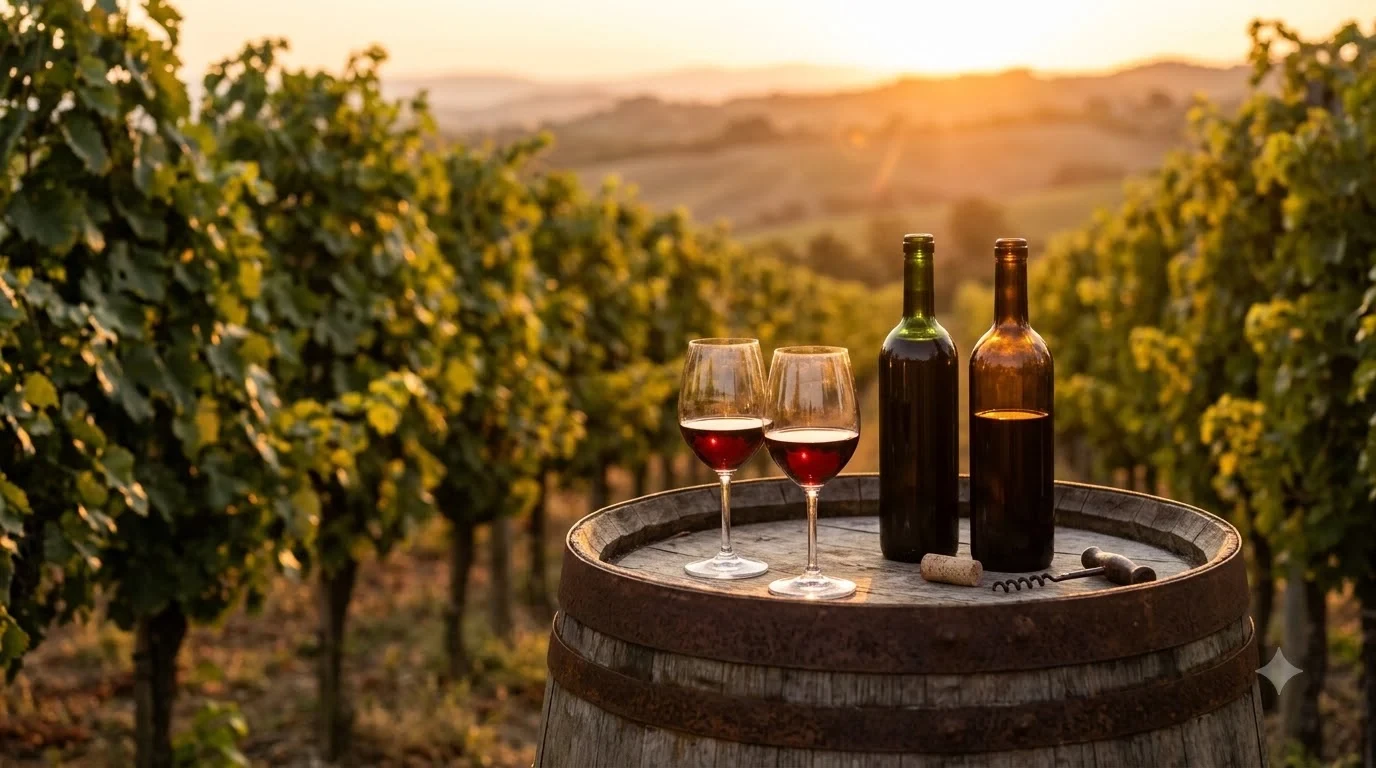
Middleburg wine comes from Virginia’s Middleburg Virginia American Viticultural Area (AVA), a distinctive wine-growing region known for Cabernet Franc, Bordeaux-style blends, Viognier, Norton, and other varieties. Located approximately 50 miles west of Washington, D.C., the region combines rolling Piedmont hills, varied soils, and a moderate growing climate. Its wineries offer opportunities to explore Virginia wine through estate-grown grapes, regional specialties, and tasting experiences surrounded by historic countryside.
Middleburg is best known as Virginia’s horse and hunt country, but its vineyards have established another reason to visit. The surrounding countryside contains wineries producing everything from structured red blends to aromatic whites and distinctive sparkling wines. Understanding the Middleburg AVA, its grape varieties, and its leading producers makes it easier to recognize what distinguishes these wines and choose bottles worth exploring.
What Makes Middleburg Wine Country Distinctive?
Middleburg wine country is a defined American wine-growing region in Northern Virginia, with a landscape shaped by the Potomac River, the Blue Ridge foothills, and the rolling Piedmont countryside. Its combination of agricultural heritage, varied growing conditions, and proximity to Washington, D.C., gives the region a recognizable identity within Virginia’s wine industry.

The Middleburg Virginia AVA was formally established in 2012. According to Virginia Wine, the designated area covers approximately 190 square miles, extends around the Town of Middleburg, and is bounded by the Potomac River to the north and mountains to the east, south, and west. Virginia Wine identifies approximately 229 acres of commercial vineyards, 24 wineries, and 8 vineyards within the AVA. These figures describe the designated wine-growing area rather than the entire surrounding Loudoun County wine scene.
The federal establishment record provides additional historical context. The Alcohol and Tobacco Tax and Trade Bureau published the final rule establishing the Middleburg Virginia Viticultural Area on September 13, 2012, with an effective date of October 15, 2012. The designation recognizes the area’s distinctive geography, geology, soils, and climate as characteristics that distinguish it as a grape-growing region.
Middleburg’s identity also reflects its agricultural history. Horse farms, country estates, historic buildings, and vineyards occupy the same rural landscape. Wine tourism fits naturally into this setting, giving visitors opportunities to combine vineyard visits with restaurants, outdoor activities, museums, and historic downtown attractions.
The wider Loudoun County wine region extends beyond the AVA itself. Middleburg is an excellent starting point for exploring Northern Virginia, but visitors should distinguish between wineries located in the Middleburg area and those situated within the formally designated AVA. The distinction matters because a winery’s address alone does not determine the origin of the grapes in every bottle it produces.
For a broader look at the region’s wineries, countryside, and visitor experiences, explore our article on Middleburg wine country.
Climate, Soil, and the Middleburg Terroir
Middleburg’s terroir reflects the interaction of rolling elevations, mineral-rich soils, seasonal rainfall, and the influence of the surrounding mountains. These conditions help explain why the area supports both aromatic white wines and structured red varieties rather than concentrating on one grape alone.
The Piedmont landscape is particularly important. According to Virginia Wine, Northern Virginia’s rolling hills contain soils formed through ancient granite and sandstone erosion. These geological materials contribute to differences in soil texture, drainage, and water retention from one vineyard site to another. Even vineyards relatively close to each other can experience different growing conditions because of elevation, slope, exposure, and underlying geology.
Drainage is especially relevant in a region that receives seasonal rainfall. Grapevines generally benefit from soils that allow excess water to move away from the root zone rather than remaining saturated. Soil composition also affects how vines access water and nutrients during the growing season. Producers must consider these conditions when selecting vineyard sites and managing their vines.
Virginia Wine describes the region’s moderate winters and generous growing season as favorable conditions for viticulture. A sufficiently long growing season allows several grape varieties to develop ripe fruit, although the timing and quality of ripening vary by variety and vineyard location.
Harvest decisions are particularly important because different grapes do not necessarily reach their ideal balance at the same time. Cabernet Franc, Chardonnay, Viognier, and Norton each have different ripening characteristics and winemaking requirements. Picking too early can leave certain wines with underdeveloped fruit, while excessive ripeness can reduce freshness and increase potential alcohol.
The region’s climate should not be mistaken for a replica of Bordeaux or Burgundy. Although some producers work with familiar European varieties and blending traditions, Virginia has its own seasonal conditions and agricultural challenges. The resulting wines can share recognizable grape characteristics with European examples while expressing a different combination of fruit, acidity, and structure.
Middleburg’s varied terroir also encourages producers to explore different wine styles. Differences in soil, exposure, and harvest timing can influence whether a Sauvignon Blanc feels lean and crisp or whether a Chardonnay develops a fuller texture. Comparing bottles from different producers is an effective way to appreciate these distinctions.
For official regional information, the Virginia Wine Northern Virginia region profile provides an overview of the Middleburg AVA’s geographical boundaries, vineyard landscape, and growing conditions.
Grape Varieties and Signature Middleburg Wine Styles
Middleburg and the surrounding Loudoun County wine country produce a varied collection of grapes. Cabernet Franc, Merlot, Petit Verdot, Viognier, Chardonnay, Norton, and other varieties contribute to a selection that ranges from elegant whites to full-bodied reds and sparkling wines.
Cabernet Franc and Bordeaux-style reds
Cabernet Franc is one of the most important red grapes to explore in Virginia. It can produce medium-bodied wines with red cherry, raspberry, herbal, and peppery notes. Its acidity and generally moderate tannin structure make it useful both as a standalone variety and as a blending component.
Merlot contributes softer fruit and a rounder texture, while Cabernet Sauvignon can provide firmer tannins and darker fruit. Petit Verdot adds color, structure, and intensity to blends. Together, these varieties allow producers to create Bordeaux-inspired wines that reflect the local growing season rather than simply imitate European examples.
Boxwood Estate Winery is particularly associated with Bordeaux-style blends. Visit Loudoun highlights its lush, velvety red wines, making it an interesting destination for visitors who enjoy traditional blended reds. The wines offer an opportunity to understand how several varieties can contribute different structural and aromatic qualities to a finished bottle.
Viognier and aromatic white wines
Viognier is an important white grape in Virginia. It typically produces expressive wines with aromas of peach, apricot, honeysuckle, and citrus. Its texture is often fuller than that of Sauvignon Blanc, and its acidity is generally moderate rather than sharply high.
Chardonnay provides another useful comparison. Depending on the winemaking approach, it can show green apple, pear, citrus, or tropical fruit, with additional texture from lees contact or oak aging. Some versions emphasize freshness, while others offer a richer, creamier profile.
These varieties demonstrate why Middleburg should not be approached as exclusively a red-wine destination. White wines provide a different expression of the local growing environment and can be especially appealing during warm-weather visits.
Norton and distinctive regional reds
Norton is particularly interesting because of its historical connection to American winegrowing. It is a native American grape variety that produces deeply colored red wines with pronounced fruit, acidity, and a distinctive character. Its profile differs from the familiar European varieties commonly used in Bordeaux-style blends.
Chrysalis Vineyards at The Ag District is especially associated with Norton. Visit Loudoun identifies the winery as specializing in this variety, making it a worthwhile stop for anyone interested in discovering a grape that represents a different side of Virginia winemaking.
Norton is also useful for understanding the diversity of American wine grapes. Cabernet Franc and Merlot have well-established international identities, while Norton provides a connection to the development of winegrowing in the United States. Comparing them side by side can reveal substantial differences in aroma, acidity, tannin, and overall style.
Other varieties worth exploring
The wider Loudoun wine scene includes Albariño, Tannat, Nebbiolo, and other varieties. Albariño can offer citrus, stone fruit, and refreshing acidity, while Tannat is known for substantial tannin structure and dark fruit. Nebbiolo brings another combination of acidity, firm tannins, floral aromas, and earthy characteristics.
The following overview summarizes varieties worth looking for when exploring Middleburg and surrounding Northern Virginia vineyards.
| Grape variety | Typical wine style | Common characteristics | Typical structure |
|---|---|---|---|
| Cabernet Franc | Red | Red cherry, herbs, pepper | Medium tannin |
| Merlot | Red | Plum, blackberry, soft texture | Medium, softer tannin |
| Cabernet Sauvignon | Red | Blackcurrant, cedar, dark fruit | High tannin |
| Petit Verdot | Red | Dark fruit, spice, structure | High tannin |
| Norton | Red | Dark fruit, distinctive acidity | Varies by wine |
| Viognier | White | Peach, apricot, floral aromas | Medium acidity |
| Chardonnay | White | Apple, pear, citrus | Medium acidity |
| Albariño | White | Citrus, stone fruit | High acidity |
These characteristics are general grape profiles, not guarantees about every local bottle. Ripeness, vineyard location, fermentation, oak treatment, and blending decisions all influence the finished wine. Exploring several varieties side by side is one of the best ways to understand the range of Middleburg wine.
Notable Middleburg Wineries to Visit
Middleburg’s winery scene includes estate properties, vineyard tasting rooms, and producers with distinct approaches to Virginia grapes. Five particularly recognizable destinations are Boxwood Estate Winery, Cana Vineyards, Chrysalis Vineyards, Greenhill Vineyards, and 50 West Vineyards.
Boxwood Estate Winery
Boxwood Estate Winery is a natural starting point for visitors interested in Bordeaux-inspired wines. Its focus on blended reds provides an opportunity to explore how Cabernet Franc, Merlot, Cabernet Sauvignon, and other traditional Bordeaux varieties can work together in Virginia.
Visit Loudoun describes Boxwood’s wines as lush and velvety Bordeaux-style blends. The Town of Middleburg lists its address as 2042 Burrland Road. Visitors interested in structured red wines should consider including it in their itinerary.
Cana Vineyards and Winery of Middleburg
Cana Vineyards offers another perspective on the local wine scene. Located at 38600 John Mosby Highway, the winery is identified by Visit Loudoun as a notable Middleburg-area destination. The tourism organization also identifies Melanie Natoli as its winemaker.
Its location makes Cana a convenient candidate for a driving itinerary that includes other nearby producers along the same general corridor. Visitors can use a tasting here to compare its selections with Bordeaux-style wines or aromatic whites available elsewhere in the area.
Chrysalis Vineyards at The Ag District
Chrysalis Vineyards is particularly significant for its emphasis on Norton. The winery offers visitors an opportunity to investigate a grape variety that stands apart from the Cabernet-based blends often associated with American fine wine.
The Town of Middleburg lists its address as 39025 John Mosby Highway. Visit Loudoun also describes the property as a place where visitors can find local cheese, jams, and charcuterie, adding a food component to the tasting experience.
Greenhill Vineyards
Greenhill Vineyards is another important Middleburg-area destination, particularly for visitors interested in sparkling and white wines. Visit Loudoun highlights its Blanc de Blancs, a style traditionally made entirely from white grapes and commonly associated with Chardonnay.
The winery is located at 23595 Winery Lane. Its sparkling wine provides a useful comparison with the region’s still white and red selections, especially for visitors who want to understand how acidity and winemaking technique influence the finished wine.
50 West Vineyards
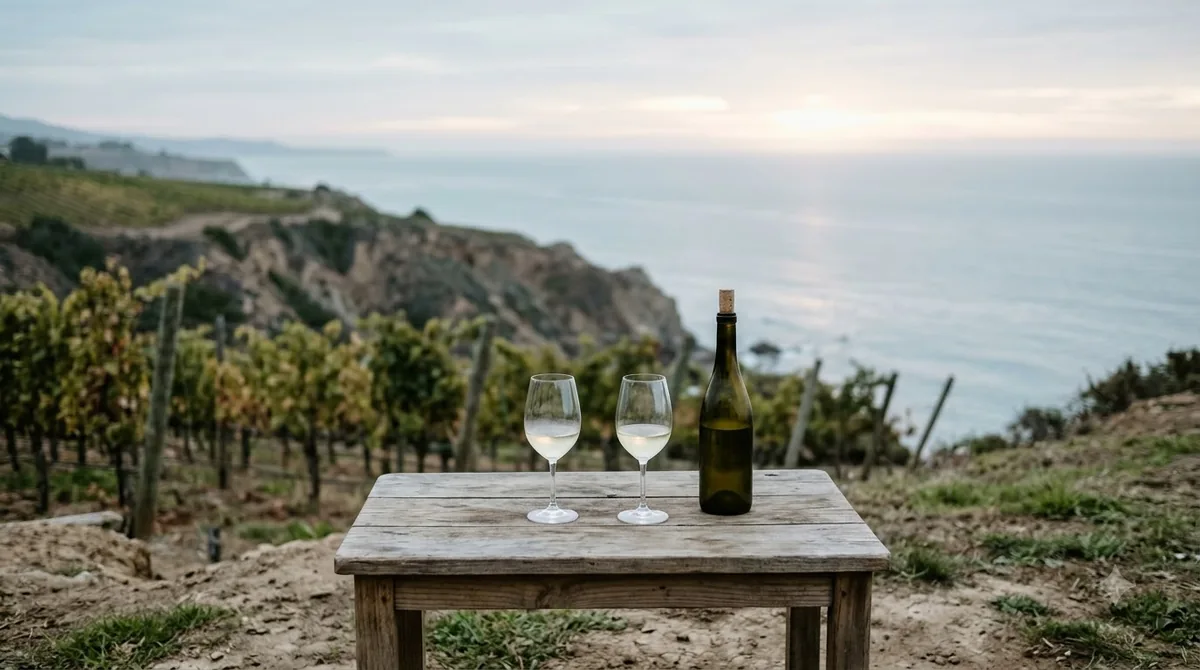
50 West Vineyards is known for its elevated setting and views across the surrounding countryside. Visit Loudoun specifically highlights its bluff location, making it an attractive option for visitors who value scenery as much as the tasting experience.
The Town of Middleburg lists its address as 39060 John Mosby Highway. Its proximity to other wineries along the same general corridor makes it a practical addition to a regional wine itinerary.
Tip: Plan two or three winery visits rather than trying to visit every producer in one afternoon. Allow time between tastings, arrange transportation in advance, and confirm reservations, food availability, and current opening hours directly with each winery.
The Town of Middleburg notes that most of its listed nearby beverage destinations offer food, including lunch. This can make a winery itinerary easier to organize, particularly for visitors who prefer to spend an afternoon at two properties rather than repeatedly driving into town for meals.
For more information about the area’s annual wine celebrations and opportunities to meet local producers, see our coverage of the Middleburg wine festival.
How to Taste, Serve, and Pair Middleburg Wines
The best way to appreciate Middleburg wines is to taste them according to their structure and style. Cabernet Franc and Bordeaux-style blends call for different serving temperatures and foods than Viognier or sparkling Chardonnay, while Norton offers another useful comparison for red wine enthusiasts.
Serving temperatures
Temperature affects the way aromas, acidity, and tannins appear in the glass. Serving a wine too cold can suppress its aromas, while excessive warmth can make alcohol seem more prominent and the wine feel heavier.
For Middleburg wines, use these general serving temperatures:
- Sparkling wines: 40–50 F.
- Light-bodied white wines and rosé: 45–50 F.
- Fuller-bodied white wines: 50–55 F.
- Light-bodied red wines: 55–60 F.
- Full-bodied red wines: 60–65 F.
- Sweet white wines: 43–50 F.
A refreshing Albariño or crisp sparkling wine generally benefits from cooler service. A richer Chardonnay or aromatic Viognier is often more expressive when served slightly warmer. Cabernet Franc and softer Merlot can be served cooler than many people expect, while substantial Cabernet Sauvignon blends benefit from temperatures closer to the upper red-wine range.
Food pairings for regional wines
Cabernet Franc is a versatile partner for food. Its red-fruit flavors, acidity, and moderate tannins complement roast chicken, grilled pork, mushroom dishes, and herb-seasoned vegetables. For a richer version with more structure, try it alongside grilled beef or lamb.
Bordeaux-style blends with Cabernet Sauvignon, Merlot, and Petit Verdot work particularly well with grilled steak, braised short ribs, roasted lamb, and aged hard cheeses. Salt and fat soften the perception of tannin, making richer dishes useful companions for structured reds.
Viognier pairs well with roast chicken, pork tenderloin, mild curries, and dishes featuring stone fruit or aromatic herbs. Chardonnay can accompany roast poultry, seafood with butter-based sauces, and creamy pasta dishes. For wines with higher acidity, consider seafood, salads, and dishes with lemon or fresh herbs.
Norton can work with grilled meats, barbecue, and dishes featuring mushrooms or roasted vegetables. Its particular profile makes it interesting with American regional cooking, especially meals featuring smoky or savory flavors.
For spicy dishes, choose wines carefully. Alcohol and tannin can amplify chili heat, so an intensely alcoholic, tannic red may make a spicy meal seem hotter. A fruit-forward white or a slightly sweet wine can provide a more comfortable contrast.
Sweetness matters when pairing dessert. A wine should generally be at least as sweet as the dessert alongside it. A wine that is less sweet can seem sour or thin after a particularly sugary dish.
Planning a tasting flight
A tasting flight of three or four wines provides a useful introduction to the region. Begin with sparkling wine or a crisp white, continue with a fuller aromatic white, and finish with lighter and more structured reds.
For example, a tasting could include a Blanc de Blancs, a Viognier, a Cabernet Franc, and a Bordeaux-style red blend. Pay attention to acidity, body, aroma, tannin, and finish rather than concentrating only on whether a wine tastes fruity or dry.
Use a consistent pour size of approximately 5 ounces when serving a standard glass of wine. A 750-milliliter bottle provides approximately five such glasses, although smaller tasting pours are more appropriate when comparing several wines.
When opening a young, full-bodied red blend at home, allow approximately 30–60 minutes of decanting if it seems tight or heavily structured. This can give the wine time to open aromatically. Store unfinished bottles in the refrigerator: most opened still wines retain their best qualities for approximately three to five days, depending on the wine and storage conditions.
Planning a Middleburg Wine Country Visit
Middleburg is particularly convenient for visitors combining wine tasting with a countryside getaway. Its location west of Washington, D.C., allows travelers to explore several wineries while also enjoying historic downtown streets, restaurants, museums, and scenic rural roads.
Visit Loudoun places Middleburg approximately 23 miles from Washington Dulles International Airport. Depending on traffic, the drive generally takes between 35 minutes and one hour. From Washington, D.C., the town is approximately 50 miles away, with typical driving times ranging from one hour to one hour and 40 minutes. Leesburg is approximately 18 miles southwest of Middleburg.
Choose the right season
Spring is a pleasant time to explore the vineyards as the countryside becomes green and vines begin their annual growth cycle. Temperatures are generally more comfortable for outdoor tastings and scenic drives than during the hottest part of summer.
Summer offers longer daylight hours and opportunities to enjoy vineyard terraces, outdoor seating, and winery events. However, warm weather can make reservations and transportation planning particularly important on busy weekends.
Fall is especially appealing because it coincides with the grape harvest and autumn foliage. Visitors can enjoy the countryside’s changing colors while learning more about the work involved in picking, sorting, and processing grapes. Harvest activities vary between producers, so special events should be confirmed directly.
Winter provides a quieter alternative. Indoor tasting rooms, restaurant visits, and historic attractions can make a weekend trip enjoyable even when vineyard activity is limited.
Build a manageable itinerary
A sensible one-day itinerary might begin with a morning visit to Greenhill Vineyards, continue with a midday tasting at Boxwood Estate Winery, and finish at Chrysalis Vineyards. This combination offers a useful contrast between sparkling wine, Bordeaux-style blends, and Norton-focused selections.
Another approach is to concentrate on wineries around John Mosby Highway, including Cana, Chrysalis, and 50 West. Keeping visits within a relatively compact area reduces unnecessary driving and leaves more time for tasting and food.
Visitors should also make time for Middleburg itself. The National Sporting Library & Museum offers an opportunity to explore the area’s equestrian and sporting heritage. Visit Loudoun identifies the institution as an important local resource dedicated to equestrian and outdoor pursuits.
The Red Fox Inn & Tavern is another recognizable local destination. Visit Loudoun traces the historic establishment to 1728, when a fieldstone tavern was established in the town. Its history provides a connection between Middleburg’s agricultural past and its present-day food and wine tourism.
Downtown Middleburg also offers boutiques, cafés, restaurants, and galleries along its historic streets. Visitors can combine a morning of wine tasting with an afternoon exploring the town rather than spending the entire day at vineyard properties.
For visitors planning a longer trip, nearby Loudoun County offers additional wineries beyond the boundaries of the Middleburg AVA. This wider wine destination provides opportunities to extend a weekend and compare different Northern Virginia producers without repeating the same tasting experience.
Consider exploring other wine destinations through our Wine Regions collection, which provides additional context for comparing American and international wine-growing areas.
Frequently Asked Questions
Is the Middleburg AVA the same as Loudoun County wine country?
No. The Middleburg AVA is a federally recognized grape-growing region that extends across parts of Northern Virginia, while Loudoun County wine country describes a broader tourism and winery area. A winery can participate in the wider Loudoun wine scene without necessarily being located inside the Middleburg AVA boundary.
Can Middleburg wine be labeled with an AVA designation?
Yes. Under federal American Viticultural Area labeling rules, a wine generally must contain at least 85% grapes grown within the named AVA to use that designation, along with meeting applicable production and labeling requirements. The winery’s location alone does not automatically qualify every bottle for a Middleburg AVA label.
Does Middleburg produce wines from native American grapes?
Yes. Norton is an American grape variety with a significant connection to Virginia winemaking. It is also known by the name Cynthiana in some wine-growing contexts, although usage and labeling conventions can vary. Its historical importance and distinctive wine profile make it an interesting alternative to European varieties such as Cabernet Franc and Merlot.
Is Middleburg wine suitable for aging?
Some bottles are. Structured Cabernet Franc and Bordeaux-style blends with sufficient acidity, tannin, and concentration can develop additional complexity with bottle age. However, aging potential varies by producer, vintage, grape composition, and winemaking approach, so not every regional wine is intended for extended cellaring.
What does Blanc de Blancs mean on a Middleburg sparkling wine?
Blanc de Blancs means white wine made from white grapes. In the traditional Champagne-style usage, it generally refers to Chardonnay-based sparkling wine. Greenhill Vineyards is specifically highlighted for its Blanc de Blancs, making the style a useful introduction to the area’s sparkling wine offerings.
Middleburg wine offers a distinctive introduction to Virginia’s growing wine identity, combining the region’s Piedmont landscape with Cabernet Franc, Bordeaux-style blends, Norton, Viognier, and sparkling wines. Whether exploring a single tasting room or planning a full weekend across Loudoun County, visitors can discover wines that reflect the diversity of Northern Virginia’s vineyards. Start with a few contrasting varieties, enjoy the surrounding countryside, and take time to appreciate what makes this Virginia wine region distinctive.
More in Wine Regions
 Willcox Wine Trail: Discover Arizona’s High-Elevation Wine CountryUpdated Nov 20, 2026
 Yakima Valley Wine Region: Find the Best Styles to TryUpdated Nov 20, 2026
 Vosne Romanee Wine Tasting: Identify Aromas and Choose Better PairingsUpdated Nov 20, 2026
 Yakima Valley Wine Festival: Find the Best Seasonal Wine EventsUpdated Nov 20, 2026
 Wales Vineyards: Discover Cool-Climate Wines and Where to VisitUpdated Nov 20, 2026
 Yountville Wine Festival: Discover Napa Wines and Local FoodUpdated Nov 20, 2026