

We may earn a commission when you buy through links on this page, at no extra cost to you. Learn more.
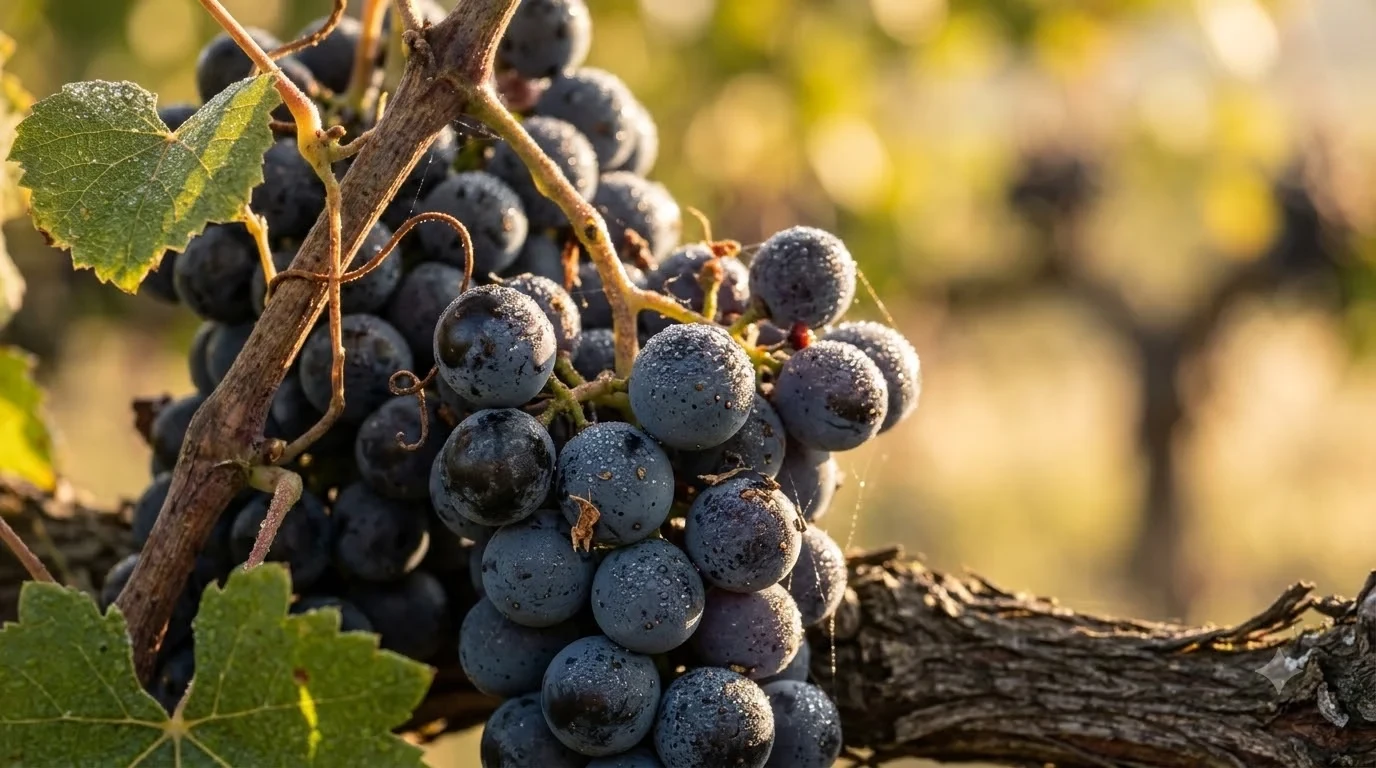
Loudoun County wine comes from a Virginia county with a growing winery sector, where producers make aromatic whites, structured reds and a range of styles in between. One grape that Virginia is known for is Viognier, a dry, full-bodied white with tangerine, peach and honeysuckle aromas. This guide covers the styles you are likely to find, how to read a Virginia label, what to pair with local bottles and how to buy with confidence.
Most people meet Loudoun County wine on a tasting room menu, a restaurant list or a shelf in a local shop, and the range can feel wide. This guide focuses on the decisions that matter most: which styles to look for, how the county’s farm roots shape the wines, and what to ask before you buy a bottle.
What Loudoun County Wine Is Known For
Loudoun County is a Virginia county with a sizable winery sector. Its public profile reports about 40 wineries and says the industry has produced several internationally recognized wines. That breadth is useful for buyers, because it means you can find a mix of approachable everyday bottles and more ambitious wines made in small batches.
The county’s agricultural history also shapes the wines. Farming here goes back well before the vineyards, and many estates sit on land that has long been used for crops and livestock. That connection tends to show up in a grower’s focus on the vineyard, rather than in a single signature style.
Grapes and Styles to Look For
Viognier is one of the grapes most closely associated with Virginia. The Wine Folly grape guide to Viognier describes it as a dry but full-bodied white with an oily texture, and it notes that oak-aged versions can show vanilla and smoke. If you enjoy aromatic whites, Viognier is a strong place to start, especially for a warm evening.
Beyond Viognier, Loudoun producers make other aromatic whites and a range of reds. Whites tend to be fruit-forward and floral, while reds usually show darker fruit and firmer structure. The exact lineup depends on the estate, so the label is the best guide to what is in the bottle.
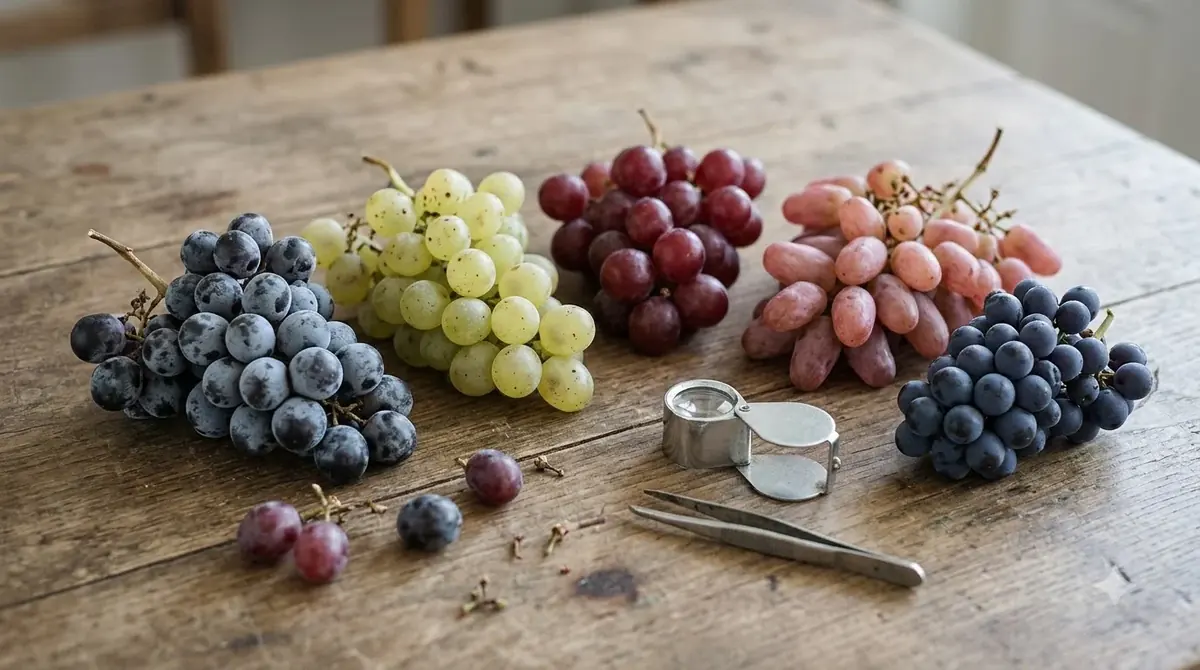
| Style | What to expect | How to serve it |
|---|---|---|
| Viognier | Dry, full-bodied, aromatic with stone fruit and florals | Chilled but not ice cold, so the aromas can show |
| Aromatic white | Bright fruit and floral notes with a crisp finish | Well chilled for warm weather and light dishes |
| Oak-aged white | Richer texture with vanilla or toasty notes | Slightly warmer than a crisp white |
| Structured red | Darker fruit, firmer tannins and a longer finish | Slightly cool rather than warm, with time to open |
How to Read a Virginia Label
A Virginia label usually names the producer, the grape or blend, and the vintage. Some bottles also name a smaller viticultural area, which tells you where the grapes were grown. A single-variety label such as Viognier generally gives a clearer picture of the wine than a blend, because you can compare it with other bottles of the same grape.
Pay attention to sweetness and style words as well. Terms such as dry, off-dry or reserve tell you more than the bottle’s color. If a label does not list sweetness, ask the staff at the tasting room or the shop. They can usually explain whether a wine is crisp, rich or fruit-forward, which is more useful than a general label rating.
The vintage year is another detail worth reading. Weather changes from one season to the next, so the same estate can produce wines with a different balance of fruit and acidity in different years. If you find a style you enjoy, buying the next vintage is a practical way to check whether it has kept the same character. Staff can often tell you whether a recent year was especially fresh or especially ripe, which helps you decide between two bottles that look similar on the shelf.
Pairing Loudoun Wine With Food
Because the county’s wines cover a range of styles, pairing is easier if you match the wine to the weight of the dish. A dry, full-bodied Viognier works well with roasted chicken, creamy pasta or mild cheese. Crisper aromatic whites suit salads, grilled fish and spicy food that needs some freshness on the palate.
Structured reds pair with grilled meats, mushrooms and hearty stews. When you are unsure, start with a simple rule: lighter wine with lighter food, and fuller wine with richer dishes. That approach works across most Virginia bottles and gives you a reliable starting point at home.
Tip: Serve a white wine a little warmer than you would a very crisp Sauvignon Blanc, so the body and aromatic notes come through. Keep the bottle chilled rather than ice cold.
Buying Loudoun County Wine
You can buy Loudoun wine at the estate, at local shops and in restaurants that stock regional bottles. Buying at the winery has an advantage: the staff can tell you what changed in that year’s vintage and which bottles they are proudest of. Ask about the grape, the style and whether the wine is best enjoyed young.
When you are ready to try more than one bottle, buy a small mix rather than a case of one style. That lets you compare a white, a red and a blend from the same producer. Keep notes on what you liked, so your next purchase is easier to choose. Our guide to Loudoun County vineyards covers the estates and how to plan a visit.
How Loudoun Compares With Other Wine Regions
Loudoun wine can be compared with other regions by style rather than by name alone. If you like aromatic whites, you may enjoy exploring other places that grow Viognier or similar varieties. If you prefer reds, look for producers that talk openly about their grapes and their approach in the winery. Tasting notes are a useful bridge between regions, since they describe what you will taste even when the place names are unfamiliar. For a wider picture of how climate and geography shape wine, the wine regions guide is a good next step.
You can also compare Virginia with a very different growing area. Our guide to Amador County wine looks at a region with its own climate, grape mix and tasting culture. Comparing two regions side by side can help you see which style you prefer.
Frequently Asked Questions
What wine is Loudoun County known for?
Loudoun County is known for a range of Virginia wines. Viognier is one of the grapes the state is associated with, and local producers also make aromatic whites and structured reds.
Is Viognier a good starting wine?
Viognier can be a good starting point if you enjoy fruity, aromatic whites. It is usually dry but full-bodied, so it often feels richer than a crisp white such as Pinot Grigio.
How do I tell if a Virginia wine is dry or sweet?
Check the back label for sweetness terms, or ask the staff at the winery or shop. A label that does not list sweetness may still be dry, so a short conversation is often the fastest way to find out.
Should I buy Loudoun wine at the winery or in a shop?
Buying at the winery lets you ask about the vintage and the style directly, which is helpful when you are learning. Local shops and restaurants carry a useful range too, so choose whichever fits your plans.
Loudoun County wine is best approached with curiosity. Start with one Viognier or aromatic white, try a structured red with dinner, and let the bottles you enjoy guide your next purchase.
More in Wine Regions
 Willcox Wine Trail: Discover Arizona’s High-Elevation Wine CountryUpdated Nov 20, 2026
 Yakima Valley Wine Region: Find the Best Styles to TryUpdated Nov 20, 2026
 Vosne Romanee Wine Tasting: Identify Aromas and Choose Better PairingsUpdated Nov 20, 2026
 Yakima Valley Wine Festival: Find the Best Seasonal Wine EventsUpdated Nov 20, 2026
 Wales Vineyards: Discover Cool-Climate Wines and Where to VisitUpdated Nov 20, 2026
 Yountville Wine Festival: Discover Napa Wines and Local FoodUpdated Nov 20, 2026