
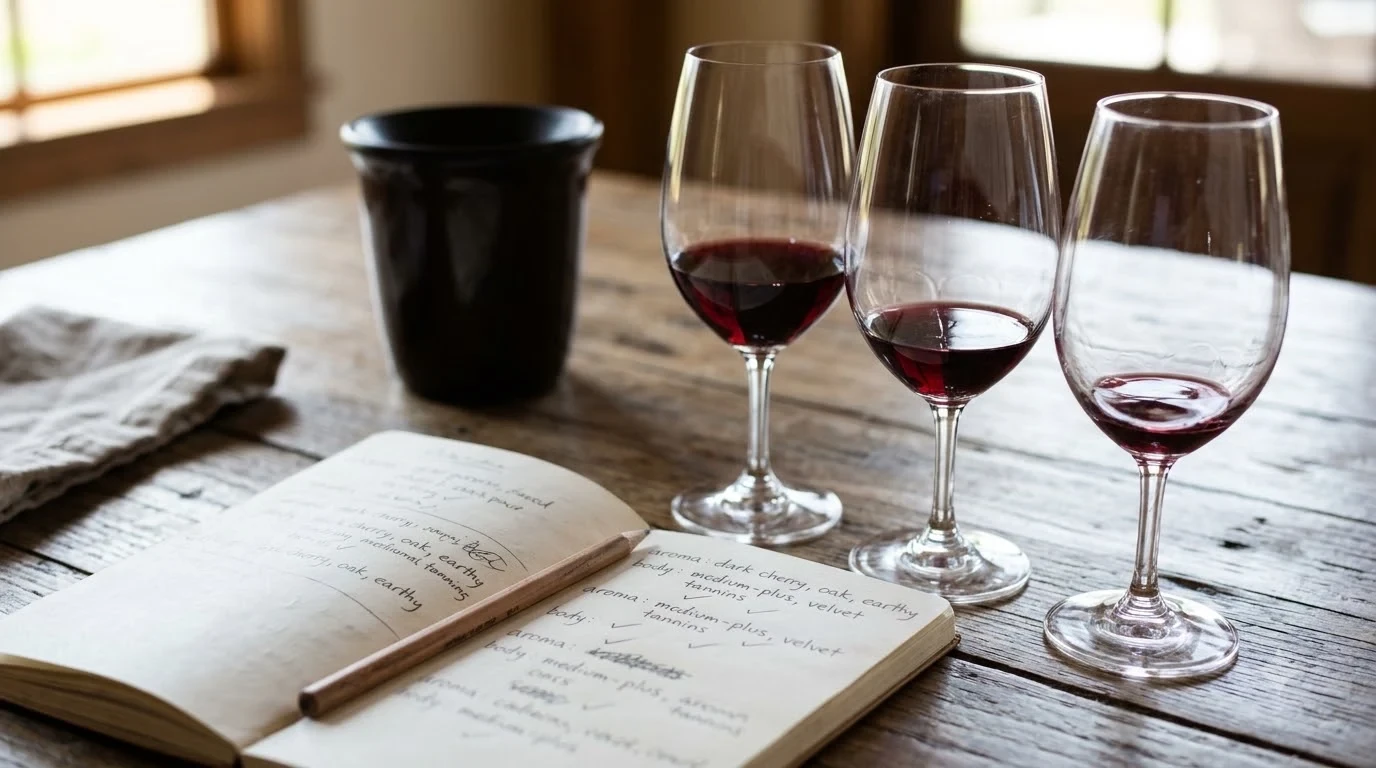

We may earn a commission when you buy through links on this page, at no extra cost to you. Learn more.
Mencia tasting notes center on bright red and dark fruits—most notably sour cherry, raspberry, and blackberry—layered over violet aromatics, cracked black pepper, and a distinct crushed-gravel minerality. Native to the cool, mountainous northwest of the Iberian Peninsula, this medium-bodied red wine combines lively medium-high acidity with smooth yet slightly grippy tannins. Depending on winemaking and vineyard elevation, bottles range from fresh, floral, stainless-steel expressions to structured, oak-aged reds showing earthy herbs, anise, and savory spice.
Pronounced “men-THEE-uh” in Spain and known as Jaen across the border in Portugal, Mencia rewards drinkers who appreciate aromatic, terroir-driven reds over heavy, oak-saturated powerhouses. Whether you are pouring a young, unoaked bottling from Galicia or an old-vine reserve from Bierzo, knowing what to look for in the glass makes every sip easier to read and pair at the table.
What Is Mencia?
Mencia is a dark-skinned red wine grape indigenous to northwestern Spain and northern Portugal, prized for producing aromatic, medium-bodied wines with brisk natural acidity and an unmistakable stony edge. Although its blue-black berries have uncolored flesh, brief or extended skin contact yields hues ranging from translucent ruby to deep, velvety purple.
For decades, Mencia was largely treated as a workhorse variety used for simple, early-drinking table wines. That reputation shifted dramatically in the late twentieth and early twenty-first centuries as a new generation of growers began farming steep, high-altitude old-vine parcels with lower yields and gentler cellar handling. Today, critics frequently compare high-elevation Mencia to Pinot Noir, Gamay, and cool-climate Cabernet Franc because of its lifted perfume, crunchy fruit profile, and linear structure.
According to Wine Folly, the grape owes much of its signature floral perfume to a naturally high concentration of aromatic compounds called terpenes. At the same time, Mencia ripens relatively early—often in mid-to-late September—allowing growers in damp Atlantic-influenced valleys to harvest healthy fruit before autumn rains arrive while locking in vibrant acidity.
Flavor and Styles
Classic Mencia tasting notes balance tart red berries and black fruits with floral lift, herbal savory tones, and a signature peppery, mineral finish. In the glass, the wine typically registers as dry, medium-bodied, and brisk, with alcohol levels generally landing between 12.5 percent and 14.5 percent ABV depending on sun exposure and vintage warmth.

On the nose, primary aromas open with sour cherry, red currant, wild raspberry, and ripe blackberry, immediately followed by fragrant notes of crushed violet and dried mountain herbs. Many bottlings also show a subtle savory or slightly reductive edge upon opening—think wet slate, crushed granite, anise, or a whisper of cured meat—that blows off with air to reveal deeper fruit complexity.
On the palate, Mencia delivers a lively burst of tart red fruit anchored by medium-high acidity and moderate tannins that feel silky on entry before tightening slightly on the finish. Cellar choices divide the grape into two primary stylistic camps:
- Unoaked and stainless-steel styles: Fermented and aged in neutral tanks or concrete, these wines emphasize pure raspberry, tart cherry, violet, and flinty slate minerality with crisp, refreshing tension.
- Oak-aged and old-vine styles: Matured in neutral French oak barrels or large wooden foudres, these structured bottlings soften the grape’s natural grip while adding secondary layers of nutmeg, vanilla bean, cocoa, tobacco, and forest floor.
| Sensory Attribute | Unoaked / Young Mencia | Oak-Aged / Old-Vine Mencia |
|---|---|---|
| Color | Bright ruby to purple-garnet | Deep maroon to velvety purple |
| Primary Fruit | Sour cherry, red currant, raspberry | Blackberry, black cherry, plum |
| Aromatics & Spice | Violet, fresh herbs, crushed slate | Black pepper, anise, vanilla, dried herbs |
| Tannin & Body | Light-to-medium body, snappy grip | Medium body, velvety yet firm tannins |
| Drinking Window | 1 to 4 years from vintage | 5 to 10+ years from vintage |
Where It Grows
Mencia thrives almost exclusively in the cool, rugged northwest corner of the Iberian Peninsula, where mountain ranges buffer Atlantic moisture and steep mineral soils stress the vines. Spain accounts for the lion’s share of plantings, led by Bierzo and neighboring Galician appellations, while northern Portugal cultivates the same variety under the name Jaen.
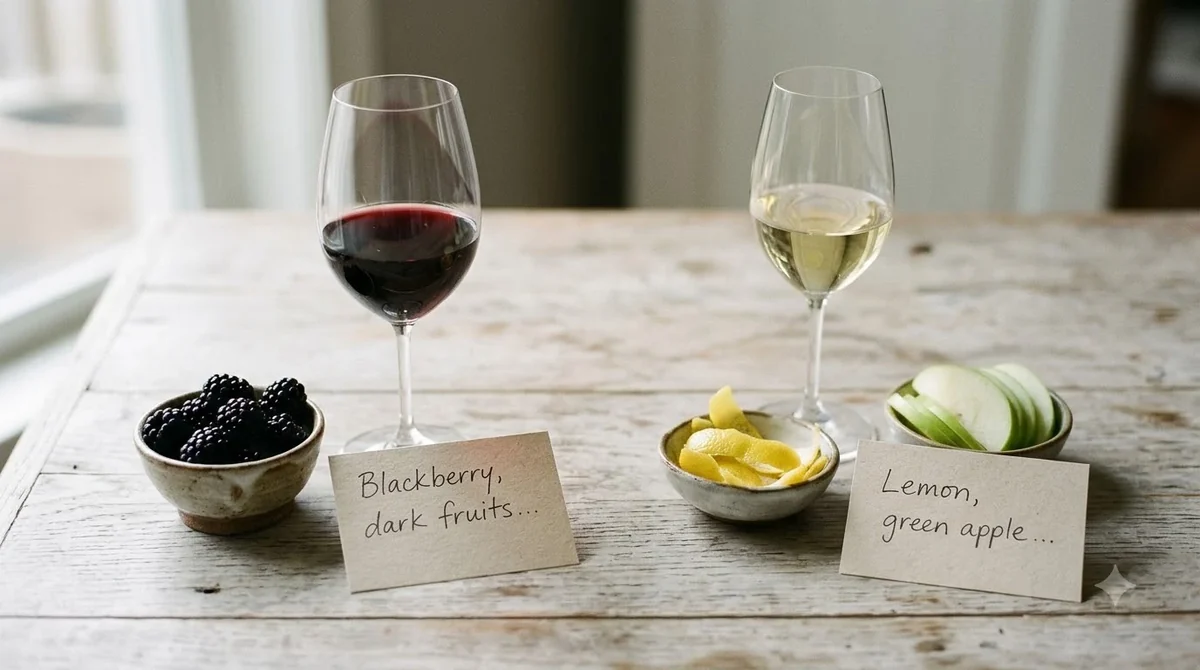
Bierzo (Castilla y Leon, Spain): Positioned in a sheltered mountain basin between Galicia and Leon, Bierzo is Mencia’s spiritual heartland. Vineyards sit on quartz, clay, and slate soils at elevations that preserve nighttime coolness. Bierzo Mencia typically offers the richest, most concentrated expression of the grape, combining dark blackberry and black cherry fruit with firm structure, black pepper, and earthy depth.
Ribeira Sacra & Valdeorras (Galicia, Spain): Just west of Bierzo, Galicia’s steep, river-carved canyons produce Mencia with noticeably lighter body and higher aromatic lift. In Ribeira Sacra, heroic viticulture on vertiginous slate and granite terraces overlooking the Sil and Mino rivers yields ethereal, floral wines brimming with red currant, blood orange, and wet stone. Neighboring Valdeorras, known for granite and slate slopes, produces crisp, mineral-driven bottlings with savory herbal edges.
Dao (Portugal): Across the border in northern Portugal’s granite-rich Dao region, the grape goes by Jaen. Portuguese Jaen is generally softer, lighter in weight, and highly fragrant, highlighting wild strawberry, red cherry, rose petal, and gentle white-pepper spice supported by refreshing acidity. If you enjoy exploring how terroir reshapes familiar red grapes, compare Mencia’s stony restraint against grenache tasting notes from warmer Mediterranean regions.
How to Serve Mencia
Serve Mencia slightly below room temperature at 55°F to 60°F (12°C to 15°C) and give the wine 30 to 60 minutes of aeration before pouring. Serving it too warm dulls its violet perfume and makes the peppery tannins feel sharper, whereas a brief chill keeps the red fruit crisp and balanced.
Because Mencia is prone to mild reduction—meaning tightly wound sulfur or earthy aromas when first uncorked—decanting is especially helpful for both young stainless-steel bottles and structured old-vine reds. Pouring the wine into a standard decanter for 45 minutes to an hour allows closed mineral notes to open into expressive cherry, floral, and herbal aromatics.
A medium-bowled universal wine glass or a Burgundy-style Pinot Noir glass works best. The wider bowl collects Mencia’s delicate terpene-driven florals while directing the wine toward the center of the palate, softening its brisk acidity. Most everyday bottles drink best within three to seven years of the vintage, while top single-vineyard cuvées from Bierzo and Ribeira Sacra can develop savory leather, dried fig, and truffle complexity over ten years or longer.
Tip: Put your bottle of Mencia in the refrigerator for 20 to 25 minutes before opening so it hits the ideal 55°F to 60°F serving window right as you decant it.
Food Pairing
Mencia’s combination of vibrant acidity, moderate tannins, and peppery minerality makes it one of the most versatile food wines in Spain. Unlike heavier reds such as those covered in our petit verdot tasting notes, Mencia complements delicate seafood and earthy vegetables just as easily as grilled meats.
For meat and charcuterie, lean into savory, pepper-seasoned dishes that echo the wine’s natural spice. Steak au poivre, grilled lamb chops, roast pork tenderloin, duck breast, and cured Iberian chorizo or jamon all harmonize with Mencia’s tart cherry core while protein softens its grippy finish.
In its native Galicia, locals famously pair young, chilled Mencia with hearty seafood—most notably pulpo a la gallega (tender octopus dressed with olive oil, sea salt, and smoked paprika) as well as grilled salmon, tuna, and seafood paella. On the vegetarian side, roasted portobello mushrooms, wild mushroom risotto, charred peppers, and aged sheep’s-milk cheeses like Manchego curado or soft Galician Tetilla bring out the grape’s sweet berry fruit.
How to Choose a Bottle
Reading the regional appellation and back-label winemaking details on a bottle of Mencia tells you immediately whether to expect a light, juicy sipper or a cellar-worthy red. Start by checking the origin: choose Ribeira Sacra or Valdeorras when you want high-toned floral aromatics, brisk acidity, and slate-driven finesse, or reach for Bierzo when you prefer deeper blackberry fruit and fuller mid-palate weight.
Next, look for clues about oak aging and vine age. Labels mentioning stainless steel, concrete, or “joven” signal fresh, primary fruit meant for immediate enjoyment, whereas terms like “crianza,” “barrica,” or “viñas viejas” (old vines) indicate greater concentration, subtle vanilla or spice notes, and firmer structure. Keep in mind that regional denominations allow small percentages of local blending partners—such as Alicante Bouschet, Bastardo, or Souson—so check the producer’s notes if you want a 100 percent varietal Mencia.
If you enjoy crisp, mineral-driven whites like those featured in our sancerre tasting notes and want a red that brings that same stony refreshment to the dinner table, Mencia is an ideal crossover choice. You can also browse our broader guide to Wine by Type to see how Mencia stacks up against other medium-bodied international reds.
Frequently Asked Questions
Does Mencia taste similar to Pinot Noir?
Yes, Mencia shares Pinot Noir’s medium body, bright acidity, and red-berry and floral aromatics, making it an easy transition for Pinot lovers. However, Mencia typically shows darker color, a distinct crushed-gravel minerality, and a more pronounced black-pepper and herbal edge on the finish.
Is Mencia a sweet or dry red wine?
Mencia is almost always vinified as a completely dry red wine. Its ripe cherry, raspberry, and blackberry aromatics can give an impression of juicy fruitiness on the mid-palate, but brisk natural acidity and moderate tannins leave a crisp, dry finish.
Why does Mencia sometimes smell earthy or flinty when first opened?
Mencia has a natural tendency toward mild reductive aromas—savory notes of wet slate, flint, or struck match—especially when fermented and aged in stainless steel. Decanting the wine for 45 to 60 minutes introduces oxygen, allowing those tight mineral notes to open into vibrant red fruit and violet perfume.
Are Mencia and Portuguese Jaen the exact same grape?
Yes, DNA profiling confirms that Spain’s Mencia and Portugal’s Jaen (often called Jaen do Dao) are genetically identical. In Portugal’s Dao region, the grape typically produces slightly lighter, softer, and more red-fruited wines compared to the deeper, more structured bottlings from Spain’s Bierzo.
From fragrant, slate-inflected bottles grown on steep Galician terraces to concentrated old-vine reds out of Bierzo, Mencia offers remarkable range for a single indigenous grape. Use its signature cues—tart red berries, violet lift, black pepper, and stony minerality—to pick the right style for your glass and build effortless pairings at your next meal. For deeper regional comparisons, explore Wine Folly’s comprehensive Mencia grape guide alongside VinePair’s tasting overview of Spanish Mencia styles.
More in Wine Types & Grapes
 What Does Ruby Port Taste Like? Flavor Notes, Styles, and Serving TipsUpdated Nov 21, 2026
 What Does Ribolla Gialla Taste Like? Crisp White and Amber Styles ExplainedUpdated Nov 21, 2026
 What Does Semillon Taste Like? Flavor Profile, Styles & PairingsUpdated Nov 21, 2026
 What Does Scuppernong Taste Like? Flavor, Styles, and Pairing GuideUpdated Nov 21, 2026
 What Does Saperavi Taste Like? Flavors, Styles, and Pairing GuideUpdated Nov 21, 2026
 What Does Natural Wine Taste Like? Flavors, Styles, and Serving TipsUpdated Nov 21, 2026