

We may earn a commission when you buy through links on this page, at no extra cost to you. Learn more.
Spain wine is one of the most varied wine stories in Europe, with more than 139 official wine designations and a mix of reds, crisp whites, sparkling Cava, and fortified Sherry. Spain is the third largest wine producer in the world and has the largest land area under vines of any country, so the choice of bottles is wide. This guide explains the main regions, the grapes behind them, and how to pick a Spanish wine that suits what you like to drink.
Many people know Spanish wine mainly through Rioja, but the country has far more to offer. Spanish labels usually lead with the region rather than the grape, which can make shopping feel confusing at first. Once you learn a few regions and their signature grapes, the labels become much easier to read.
The Main Spanish Wine Regions
Spain’s wine regions are often grouped by geography, and each group has its own climate and grape mix. Northwest Spain is green and wet, with zesty white wines and tart, aromatic reds. The Ebro and Duero river valleys hold the country’s best-known reds. The northern Mediterranean coast makes sparkling Cava and powerful reds, while the south and the central plateau produce a wider range of styles.
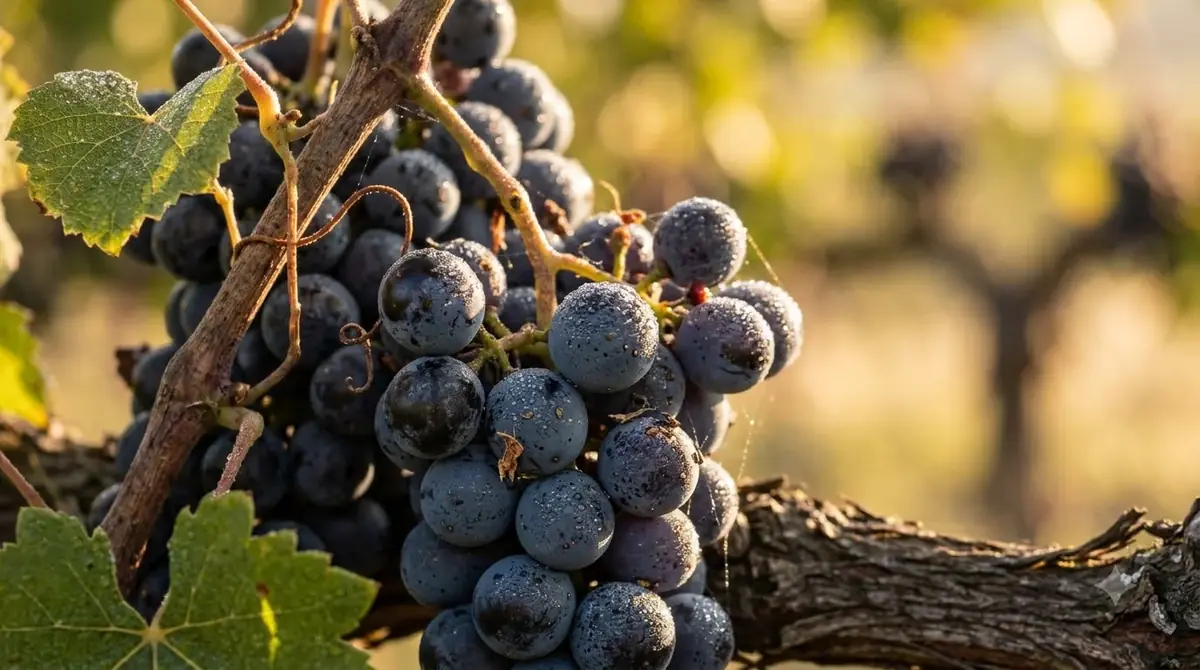
The northwest includes Rías Baixas, Ribeira Sacra, and Bierzo, where Albariño, Mencía, and Godello are the key grapes. The Ebro and Duero valleys include Rioja, Ribera del Duero, Toro, and Rueda. The northern Mediterranean coast includes Cava, Priorat, and Montsant. Andalucía is the home of Sherry, and the Canary Islands and the Balearic Islands add their own local wines.
| Area | Example regions | Key grapes | Typical styles |
|---|---|---|---|
| Northwest | Rías Baixas, Ribeira Sacra, Bierzo | Albariño, Mencía, Godello | Zesty, mineral whites and tart, aromatic reds |
| Ebro and Duero valleys | Rioja, Ribera del Duero, Toro, Rueda | Tempranillo, Garnacha, Verdejo, Viura | Tempranillo reds, age-worthy Rioja, minerally Verdejo |
| Northern Mediterranean coast | Cava, Priorat, Montsant | Macabeu, Parellada, Xarel-lo, Garnacha, Carignan | Sparkling Cava and powerful, slaty reds from Priorat |
| Southern Mediterranean | Utiel-Requena, Jumilla, Yecla | Monastrell, Bobal, Cabernet Sauvignon | Rich, full reds and easy-drinking Bobal |
| Andalucía | Sherry, Montilla-Moriles, Sierras de Málaga | Palomino, Pedro Ximénez, Muscat | Dry Sherries, very sweet Pedro Ximénez, dry Moscatel |
Grapes That Define Spanish Wine
A handful of grapes carry much of Spain’s identity. Learning these names will help you spot a style before you open the bottle. Each grape gives a different character depending on the soil, altitude, and winemaking.
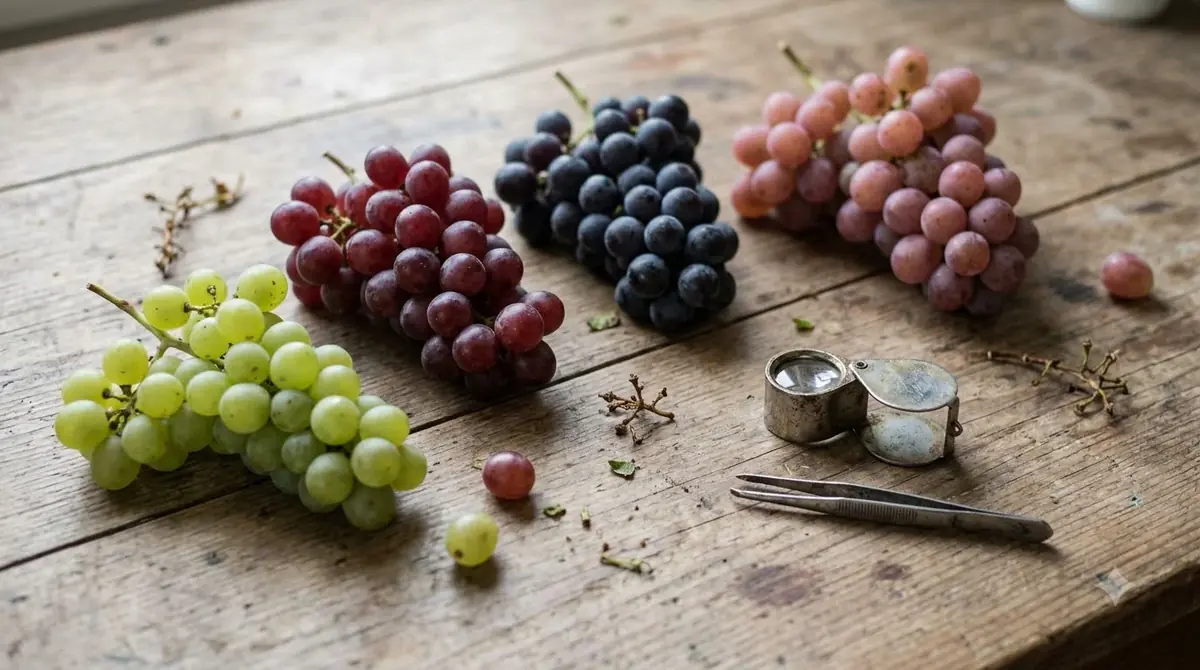
Tempranillo is the country’s signature red. It is the main grape of Rioja and Ribera del Duero, and it gives wines that range from young, fresh, and fruity to aged and powerful. Garnacha is Spain’s second most important red after Tempranillo, and it shows up in many blends and in single-varietal wines from Priorat. Priorat’s reds are full-bodied and often made from Garnacha and Cariñena.
On the white side, Albariño is the signature grape of Rías Baixas in Galicia, where wines are typically crisp and vibrant. Verdejo is the main white of Rueda, known for a minerally character. Viura, also called Macabeo, is a common white in Rioja and in Cava.
Cava is Spain’s sparkling wine. It is made mainly from white grapes such as Macabeo, Parellada, and Xarel-lo, and it is a practical choice for celebrations when you want bubbles without the price of Champagne. Spain also grows more than 600 grape types, although most production focuses on around 20 varieties.
Spanish Wine Styles You Will Meet
Spanish wine covers many styles, so it helps to know what each one tastes like. The Wine Folly map of Spain’s wine regions describes a range that goes from crisp white wines and sparkling Cava to bold reds and Sherry.
Red Spanish wines can be bright and fruit-driven when young, or deeper and more structured after time in oak. Regional guides point to age-worthy Rioja and to the powerful, fruity but slaty reds of Priorat. Southern reds from Jumilla and Utiel-Requena tend to be rich and mouth-coating. For a lighter red, Bobal from the south is often described as easy-drinking.
White wines come in two broad families. Atlantic-influenced whites from the northwest are zesty and mineral, which suits seafood. Whites from the interior, such as Verdejo from Rueda, are fresher and often grassy or stony. Sherry is a special case. Dry styles such as Manzanilla and Amontillado are very different from the sweet Pedro Ximénez from Montilla-Moriles, so check the label before you buy.
How to Serve and Pair Spanish Wine
Spanish wine is built for the table, and it pairs well with the country’s food. Serving temperature and glassware make a noticeable difference, especially with whites and sparkling wine. Chill Albariño and Verdejo, and serve Cava well chilled in a flute or a tulip-shaped glass.
Red wines from Rioja and Ribera del Duero benefit from a short rest out of the fridge before pouring, since very cold reds can taste sharp. Light reds such as Bobal can be served slightly cooler than the big, oaked styles.
For food, match the wine to the region’s cooking. Albariño suits shellfish, while Tempranillo works well with grilled meats and cured sausages. Cava goes with a wide range of tapas, and dry Sherry is a classic partner for olives, almonds, and cured ham. Keep the pairings simple so the wine and the food both stand out.
How to Choose a Spanish Wine
Start with what you like, then choose a region that matches that taste. If you enjoy crisp whites, try Albariño or Verdejo. If you like soft, fruity reds, look for Tempranillo from a younger, fresher style. If you want something bold and full, Priorat or a Monastrell-based red from the south may suit you better.
Read the back label and check the region name. Spanish labels often list the DO or DOCa on the front, and that name tells you a lot about the grapes and the style. If you are new to Spain, a short region guide is a helpful first step. Our Wine Regions hub explains how regions compare across countries, and italy wine offers a useful comparison if you enjoy Mediterranean reds and whites.
Once you have a favorite region, explore a few producers. Two bottles from the same grape can taste very different depending on the winery, so comparing them is part of the fun.
Frequently Asked Questions
What is the most famous Spanish wine?
Rioja is probably the best-known Spanish wine, and it is made mainly from Tempranillo. Cava, the country’s sparkling wine, and Sherry are also widely recognized outside Spain.
What is the difference between Rioja and Ribera del Duero?
Both regions use Tempranillo as the main grape. Ribera del Duero wines are often described as more intense than those from Rioja, which makes them a good choice for bolder red drinkers.
Is Spanish wine usually dry?
Most Spanish table wines are dry, but Sherry and some regional whites and sweet wines range from dry to very sweet. Check the label or the producer’s description when you want a specific sweetness level.
What is Cava, and how is it different from Champagne?
Cava is Spanish sparkling wine made mainly from Macabeo, Parellada, and Xarel-lo grapes, usually on the northern Mediterranean coast. Champagne comes from France and follows its own region and production rules, so the two wines taste and cost differently.
Spanish wine rewards curiosity. Pick one region to start, try a white and a red from it, and you will quickly learn which styles you enjoy most.
More in Wine Regions
 Willcox Wine Trail: Discover Arizona’s High-Elevation Wine CountryUpdated Nov 20, 2026
 Yakima Valley Wine Region: Find the Best Styles to TryUpdated Nov 20, 2026
 Vosne Romanee Wine Tasting: Identify Aromas and Choose Better PairingsUpdated Nov 20, 2026
 Yakima Valley Wine Festival: Find the Best Seasonal Wine EventsUpdated Nov 20, 2026
 Wales Vineyards: Discover Cool-Climate Wines and Where to VisitUpdated Nov 20, 2026
 Yountville Wine Festival: Discover Napa Wines and Local FoodUpdated Nov 20, 2026