

We may earn a commission when you buy through links on this page, at no extra cost to you. Learn more.
The ribera del duero grape is Tempranillo, known locally as Tinto Fino or Tinta del País, and it gives the region’s famous Spanish red wines their deep color, concentrated fruit flavors, and structured tannins. This variety thrives in the high-altitude vineyards of Castilla y León, where hot summers and cool nights help grapes develop ripe flavors while retaining freshness. Although Tempranillo dominates the region, authorized varieties such as Cabernet Sauvignon, Merlot, Malbec, and Garnacha Tinta can also contribute to the final wine.
Ribera del Duero is one of Spain’s best-known red wine regions, and its identity is closely connected to a particular expression of Tempranillo. The grape’s local names, distinctive growing conditions, and traditional aging practices explain why these wines can taste different from Tempranillo produced elsewhere in Spain. Understanding the grape makes it easier to recognize the style, interpret wine labels, and choose bottles for different meals and occasions.
Tempranillo Is the Signature Ribera del Duero Grape
Tempranillo is the principal grape behind Ribera del Duero’s red wines. Local names such as Tinto Fino and Tinta del País refer to this same Spanish variety, which has adapted particularly well to the region’s demanding continental climate.
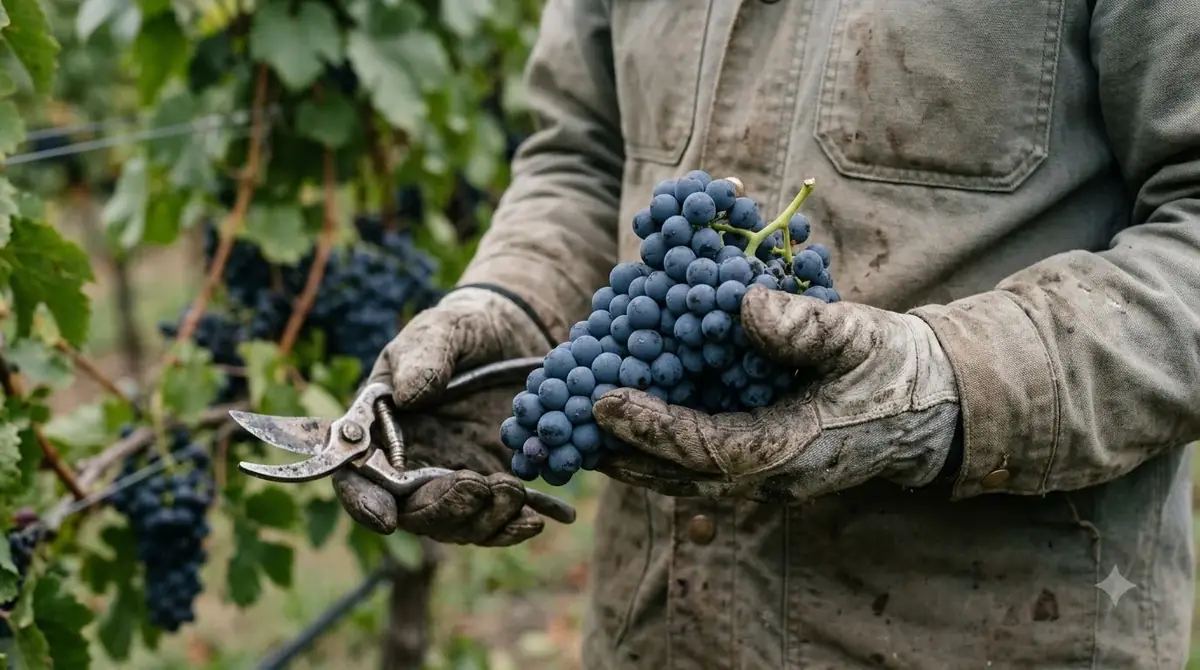
The names can initially cause confusion because wine labels and tasting descriptions do not always use the word Tempranillo. A bottle labeled Tinto Fino or Tinta del País is generally referring to the region’s traditional Tempranillo grape, not introducing an entirely different variety. The regional wine council identifies this grape as the foundation of Ribera del Duero’s characteristic color, aroma, and structure.
Tempranillo is especially important because it can produce both approachable young reds and concentrated wines intended for extended aging. Its natural combination of fruit intensity, tannic structure, and balanced acidity makes it suitable for several winemaking approaches. Producers can emphasize fresh fruit through limited oak aging or develop greater complexity through extended maturation in barrels and bottles.
According to the appellation’s production requirements, Ribera del Duero red wines must contain at least 75% Tempranillo or its recognized regional synonyms. This means that a wine carrying the appellation designation is built around the grape even when its producer chooses to make a blend rather than a single-variety wine. Some producers prefer 100% Tempranillo because they want the vineyard and grape to provide the entire expression.
The grape’s importance is also reflected in its widespread planting throughout the denomination. The regional wine council identifies Tempranillo as the principal variety, while Cabernet Sauvignon, Merlot, Malbec, and Garnacha Tinta play supporting roles. Albillo Mayor, meanwhile, is the principal authorized white grape variety.
For readers exploring Spanish wine terminology, it helps to distinguish the grape from the geographical designation. Tempranillo is the grape variety, while Ribera del Duero identifies the protected wine-producing area and its production requirements. The distinction is similar to understanding the difference between a grape and the wine region where it is grown. Learn more about the designation in this explanation of what is ribera del duero.
High Altitude and Continental Weather Shape the Grapes
Ribera del Duero’s elevation, dry summers, cold winters, and sharp day-to-night temperature changes help shape its Tempranillo. These conditions contribute to concentrated fruit, deep color, structured tannins, and the freshness that distinguishes many wines from the region.
The vineyards extend along the Duero River in the Castilla y León region of north-central Spain. The appellation covers territory in four provinces: Burgos, Valladolid, Soria, and Segovia. According to Wine Enthusiast, most vineyards sit approximately 2,360 to 3,600 feet above sea level. The regional wine council gives a broader altitude range of approximately 720 to 1,100 meters.
That elevation matters because temperature conditions can change considerably between afternoon and nighttime. Summer days may become hot enough to encourage substantial grape ripening, while cooler nights slow the pace of development. This contrast helps grapes develop ripe fruit characteristics without necessarily losing all their natural freshness.
The climate is strongly continental despite the region’s Mediterranean classification. Winters can be severe, summers are generally dry, and rainfall is relatively limited. According to the regional council, annual rainfall is approximately 400 to 500 millimeters, while temperature extremes can range from around minus 20 degrees Celsius to plus 42 degrees Celsius.
These conditions place considerable demands on vineyard management. Spring frost can threaten young shoots, while summer dryness creates challenges for vines during important stages of development. Producers must manage canopy growth, crop size, and water availability carefully to obtain grapes that ripen sufficiently before autumn conditions become unfavorable.
Soil diversity adds another layer of character
Soils across the appellation include clayey sand, limestone, and calcareous concretions. Some vineyards have more limestone-rich ground, while others contain different proportions of clay and sandy material. This variation means that Tempranillo does not produce an identical style throughout the region.
Decanter describes Ribera del Duero as a high-altitude wine region where limestone soils and strong temperature variations contribute to refreshing acidity and concentrated fruit. The publication also explains how differences in altitude and vineyard conditions influence the expression of Tinto Fino. Its report on Ribera del Duero’s high-altitude vineyards provides additional context about these growing conditions.
Vineyard elevation, soil composition, exposure, vine age, and crop management all contribute to the final result. A Tempranillo grown on one hillside may develop a different balance of fruit, acidity, and tannin from one grown in another village. Consequently, the region is better understood as a collection of varied vineyard sites than as a place with one uniform wine style.
Tip: When comparing two Ribera del Duero wines, look beyond the grape name. Differences in vineyard altitude, soil, harvest conditions, and oak aging can explain why two wines made primarily from Tempranillo taste quite different.
Flavor, Aroma, Color, and Structure of Tinto Fino
Ribera del Duero Tempranillo typically produces deeply colored red wines with blackberry, dark forest fruit, ripe plum, and structured tannins. Depending on ripeness and winemaking, the wine can also show fresh red-fruit notes, savory characteristics, and oak-derived aromas.
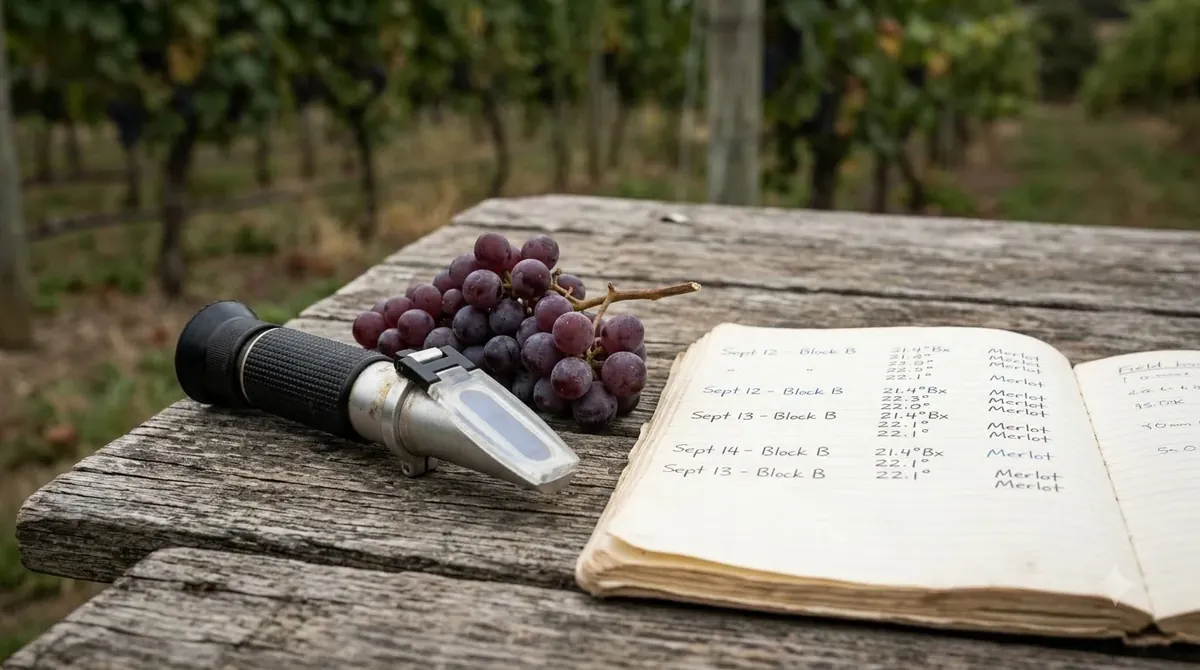
The regional wine council describes Tempranillo as providing the characteristic color, aroma, and structure of Ribera del Duero wines. This profile is particularly recognizable in wines where the grape is allowed to express its fruit without excessive oak influence.
Young examples often emphasize fruit. Blackberry, black cherry, plum, and other dark-fruit characteristics can dominate the aroma and palate. Some wines also show red cherry, raspberry, and herbal notes, depending on vineyard conditions and harvest timing.
The grape’s tannins provide much of its structure. Tannin creates a drying or gripping sensation along the gums and cheeks, helping give red wine its framework. In Ribera del Duero, this structure can be noticeable in younger wines, although careful ripening and aging can produce a smoother overall impression.
Oak aging introduces another set of aromas and flavors. Depending on the barrel’s origin, age, toast level, and time of contact, the wine may develop notes of vanilla, cedar, spice, toast, and smoke. These characteristics complement the fruit rather than replacing it when barrel use is well managed.
How the wine changes with age
A young Tempranillo generally emphasizes primary fruit characteristics. Its blackberry and plum flavors can be prominent, and its tannins may feel firmer. Such wines can be enjoyable with food soon after release, especially when the winemaker has prioritized freshness over extensive barrel maturation.
With additional time in oak and bottle, the wine can develop greater aromatic complexity. Fruit aromas may become more integrated with savory, earthy, tobacco-like, dried-herb, and spice characteristics. The tannins can also feel less aggressive as the wine matures.
Not every bottle is intended for long-term cellaring. Some producers make fresh, fruit-driven wines designed for relatively early enjoyment, while others select particular vineyard parcels and harvest conditions for wines with greater aging potential. The producer’s style and the wine’s structure are important considerations when deciding whether to open or cellar a bottle.
For a closer look at the aromas, flavors, and texture commonly associated with this Spanish red, explore these ribera del duero tasting notes.
Other Grapes and Blending Rules in the Appellation
Tempranillo dominates Ribera del Duero, but it is not the only permitted variety. Cabernet Sauvignon, Merlot, Malbec, and Garnacha Tinta can contribute to red and rosé wines, while Albillo Mayor provides the foundation for the region’s white wines.
The minimum Tempranillo requirement is particularly important for understanding regional blends. Red wines must contain at least 75% Tempranillo, Tinto Fino, or Tinta del País under the appellation specification. The remaining proportion can include other authorized grapes, subject to the applicable production rules.
These varieties provide different characteristics that winemakers can use to adjust the final wine. Cabernet Sauvignon is associated with pronounced tannin, high acidity, and sometimes green pepper aromas. Merlot generally produces softer wines with medium tannin and medium acidity. Malbec can contribute dark-fruit characteristics, acidity, and additional structure.
Garnacha Tinta offers another possible direction. Its inclusion can change the balance of a blend rather than simply adding more dark-fruit intensity. The specific contribution depends on the grape’s ripeness, vineyard location, and proportion in the final wine.
Albillo Mayor occupies a different role because it is an authorized white variety. Ribera del Duero white wines must contain at least 75% Albillo Mayor. The grape produces wines associated with apple, peach, and other orchard-fruit aromas, along with relatively moderate acidity.
Comparison of the principal varieties
The following table summarizes the main grape varieties associated with the appellation and their typical contributions. These descriptions are general tendencies rather than guarantees about every bottle.
| Grape variety | Color | Typical characteristics | Role in Ribera del Duero |
|---|---|---|---|
| Tempranillo | Red | Blackberry, plum, violet, structured tannins | Principal red grape; minimum 75% in red wines |
| Cabernet Sauvignon | Red | Black fruit, green pepper, pronounced tannin | Authorized blending variety |
| Merlot | Red | Black fruit, medium tannin, medium acidity | Authorized blending variety |
| Malbec | Red | Dark fruit, noticeable acidity, additional structure | Authorized blending variety |
| Garnacha Tinta | Red | Ripe red fruit, aromatic character | Authorized blending variety |
| Albillo Mayor | White | Apple, peach, orchard-fruit aromas | Principal white grape; minimum 75% in white wines |
The table illustrates why a bottle of Ribera del Duero does not necessarily taste exactly like another bottle from the same appellation. Even when Tempranillo provides the majority of the blend, the supporting grapes can change the wine’s acidity, tannin, fruit expression, and aromatic profile.
It is also useful to distinguish Ribera del Duero’s principal grape from other Spanish wine varieties. For example, Airén is a white grape widely associated with Spanish wine production, but it is not the principal variety of this appellation. Readers interested in that different Spanish variety can explore the airen grape and its characteristics.
Oak Aging Creates Different Ribera del Duero Styles
Ribera del Duero Tempranillo can range from fresh, young red wine to extensively matured Reserva and Gran Reserva bottles. The region’s traditional aging categories help explain how long a wine has matured and how much time it has spent in oak.
Young wines generally emphasize primary fruit and can be made without extended oak aging. Wines described as Roble or Barrica receive barrel treatment, introducing additional spice and texture while retaining much of their youthful fruit character. Under the appellation specification, wines using these terms require at least three months in barrels.
Crianza, Reserva, and Gran Reserva indicate progressively longer minimum aging requirements for red wines. These categories are particularly useful when comparing traditional Spanish wines because they provide specific information about the minimum time spent maturing before release.
The appellation requirements for red wines are as follows:
| Wine category | Minimum total aging | Minimum oak aging | General style |
|---|---|---|---|
| Young / Cosecha | No fixed extended-aging minimum | None required for unoaked wine | Fresh fruit and youthful character |
| Roble / Barrica | At least 3 months in barrel | 3 months | Fruit with some oak influence |
| Crianza | 24 months | 12 months | Integrated fruit and oak |
| Reserva | 36 months | 12 months | Greater maturity and complexity |
| Gran Reserva | 60 months | 24 months | Extended maturation and developed aromas |
These are minimum requirements, not promises that every wine within a category will have identical flavor or quality. Two Crianza wines can differ considerably because of their vineyard sources, harvest conditions, barrel choices, and individual winemaking decisions.
The type of oak also matters. Some producers use American oak to introduce characteristic vanilla and sweet spice notes, while others prefer French oak for a different aromatic and textural contribution. Barrel age and toast level influence the final result, too. New barrels generally contribute more obvious oak flavors than older barrels that have already been used for several vintages.
Extended aging does not automatically make a wine better for every drinker. Someone who prefers blackberry and fresh plum may enjoy a younger Tempranillo, while a drinker looking for tobacco, spice, and integrated tannins may prefer a mature Reserva or Gran Reserva.
When choosing a bottle, consider whether you want fruit-forward wine or a more developed expression. The aging category is a useful starting point, but the producer and vintage remain important parts of the decision.
Food Pairings and Serving Temperature for Tempranillo
Ribera del Duero Tempranillo pairs especially well with grilled red meat, roasted lamb, pork, mushrooms, and aged cheeses. Its concentrated fruit and structured tannins work particularly well with dishes containing savory flavors, protein, and enough richness to balance the wine.
Grilled beef is a natural match because the meat’s savory flavors complement the dark fruit in the wine. A grilled steak with rosemary, black pepper, and roasted potatoes is a straightforward pairing. The protein and fat also soften the perception of tannin, making a structured red wine feel more balanced.
Roasted lamb is another excellent choice. Lamb has enough richness and flavor to stand alongside a concentrated Tempranillo without overwhelming its fruit characteristics. Garlic, rosemary, thyme, and roasted vegetables provide additional complementary flavors.
For pork, consider slow-roasted shoulder, grilled pork chops, or sausages with paprika. These dishes can work especially well with younger, fruit-forward examples. A more mature Reserva may be better suited to roasted pork with mushrooms or a savory herb sauce.
Cheese, vegetables, and lighter meals
Aged Manchego is a particularly useful Spanish pairing. Its firm texture and savory, nutty flavor complement the wine’s fruit and tannin. Other firm aged cheeses can also work, especially when their saltiness and fat help soften the sensation of a structured red wine.
Mushroom dishes provide another good option. Roasted mushrooms, mushroom risotto, and grilled portobello can complement the earthy and savory notes that develop in aged Tempranillo. Herbs such as thyme and rosemary can bring the food and wine together without creating excessive sweetness.
Some lighter preparations also work with younger examples. Grilled vegetables, tomato-based dishes, and moderately seasoned poultry can be suitable choices when the wine has a fresher, less heavily oaked profile.
Be more cautious with very spicy food. Chili heat can become more pronounced alongside alcohol and tannin, so strongly spiced dishes may make a powerful Ribera del Duero red taste harsher. Oily fish can also be difficult with tannic reds because the combination may create an unpleasant metallic impression.
Temperature and glassware
Serving temperature affects how Tempranillo expresses its fruit, acidity, alcohol, and tannin. A full-bodied Ribera del Duero red is generally best served at approximately 60–65°F rather than at a warm room temperature.
Pour approximately 5 ounces into a standard wine glass. A 750-milliliter bottle provides about five such servings. Give the wine enough room in the glass for its aromas to develop, and avoid filling the glass to the rim.
Young, full-bodied reds can benefit from 30–60 minutes of decanting. This allows the wine to receive oxygen and can help soften the initial impression of firm tannins. Older bottles should be handled more carefully because extended exposure to oxygen can cause delicate aromas to fade.
For storage, keep unopened bottles on their sides in a cool, dark location near 55°F, with minimal temperature fluctuation. Once opened, reseal the bottle and refrigerate it. Most opened still wines remain enjoyable for approximately three to five days, depending on their condition and storage.
How to Choose a Ribera del Duero Tempranillo
Choosing the right Ribera del Duero wine starts with understanding the style you prefer. Look at the grape composition, aging category, producer, and vintage rather than relying on the regional name alone.
If you enjoy fresh blackberry and plum flavors, a young Tempranillo or Roble may be a good starting point. These wines generally emphasize fruit, with Roble adding some oak influence. They are also versatile choices for casual meals and grilled foods.
If you prefer a balance between fruit and oak, Crianza offers a useful middle ground. Its minimum 24-month aging period and 12 months in oak provide time for the wine to develop additional complexity while retaining recognizable Tempranillo characteristics.
Reserva is a reasonable choice for drinkers seeking more mature aromas and a greater degree of integration. With a minimum 36 months of total aging, including at least 12 months in oak, these wines can offer a combination of developed fruit, spice, and savory complexity.
Gran Reserva is generally intended for a more mature style. Its minimum 60-month aging requirement, including at least 24 months in oak, allows considerably more time for the wine to evolve before release. This does not mean every Gran Reserva will be preferable to a younger wine, but it does indicate a different maturation approach.
Vintage is another consideration. Weather conditions change between harvests, and Ribera del Duero’s continental climate can produce significant differences in growing conditions. Temperature extremes, frost, rainfall, and ripening conditions all influence the final grape quality.
Producer style matters just as much. Some wineries prefer powerful, concentrated wines with noticeable new oak, while others emphasize freshness, fruit purity, and more restrained barrel influence. Reading producer descriptions and comparing wines from different vineyard areas can help identify the style you enjoy most.
It is also useful to explore the wider selection of wine by type when comparing Ribera del Duero with other Spanish reds. Rioja Tempranillo, for example, may offer a different balance of fruit, acidity, tannin, and oak because its growing conditions and traditional winemaking practices are not identical.
The best bottle depends on the occasion. A young wine may be ideal for a weeknight dinner, a Crianza can suit grilled meat, and a mature Reserva or Gran Reserva may be appropriate for a longer meal with richer dishes.
Frequently Asked Questions
Is Tinto Fino genetically different from Tempranillo?
Tinto Fino is the traditional regional name for Tempranillo in Ribera del Duero. The name reflects the local identity and adaptation of the variety rather than a separate grape classification. Regional growers and winemakers often use the name to emphasize the distinctive expression of Tempranillo produced in their vineyards.
Why is the grape called Tempranillo?
The name Tempranillo comes from the Spanish word temprano, meaning early. It refers to the variety’s relatively early ripening compared with some other Spanish red grapes. This characteristic is particularly useful in regions where autumn temperatures can fall quickly and frost presents a vineyard risk.
Can Ribera del Duero wine be made entirely from Albillo Mayor?
Albillo Mayor is an authorized white grape variety in Ribera del Duero, and the appellation permits white wines containing at least 75% of this variety. It is therefore possible to find wines made entirely from Albillo Mayor. These white wines offer a different expression of the region from its famous Tempranillo-based reds.
Are all Ribera del Duero vineyards planted with old bush vines?
No. Traditional bush-trained vines, also known as goblet-trained vines, remain part of the region’s viticultural heritage, but trellised vineyards are also present. The regional council’s promotional material identifies approximately 49% of vineyards as bush grown. Vineyard training choices depend on factors such as site conditions, vine management, and producer preferences.
How much wine can be produced from 100 kilograms of harvested grapes?
The appellation specification limits extraction to no more than 72 liters of wine or must for every 100 kilograms of harvested grapes. This production requirement helps regulate the amount of liquid obtained during winemaking. It is separate from the vineyard’s permitted grape yield per hectare and the minimum Tempranillo percentage required for red wines.
The ribera del duero grape is the region’s defining Tempranillo, a variety that combines concentrated dark fruit, distinctive regional character, and the structure needed for both youthful reds and mature wines. Its local names, high-altitude growing conditions, authorized blending partners, and aging categories explain the diversity found across the appellation. Whether you choose a fresh young bottle or an extended-aged Reserva, understanding Tinto Fino makes it easier to appreciate what makes Ribera del Duero distinctive.
More in Wine Types & Grapes
 Zinfandel Sugar Content: Dry Red vs. White Zinfandel GramsUpdated Nov 21, 2026
 Best Zinfandel Substitute Options for Sipping and CookingUpdated Nov 21, 2026
 Zweigelt Food Pairing: Best Dishes, Cheeses, and Serving TipsUpdated Nov 21, 2026
 Zinfandel Tannins Explained: How Structure Shapes Every BottleUpdated Nov 21, 2026
 Zinfandel Sweetness Level: Dry Red vs. Sweet White Zin ExplainedUpdated Nov 21, 2026
 Xinomavro Food Pairing: Best Dishes, Styles, and Serving TipsUpdated Nov 21, 2026