

We may earn a commission when you buy through links on this page, at no extra cost to you. Learn more.
Ribera del Duero wine is a red from a high plateau in north-central Spain, where the local Tinto Fino, the region’s name for Tempranillo, makes structured, age-worthy reds with dark cherry, dried fig and cedar notes. The region sits in Castile and León along the Duero River and is one of Spain’s most respected appellations, known for serious reds that reward cellaring and food.
Ribera del Duero shows up on many wine lists, but the name can be confusing on a label. This guide explains where the region is, which grape defines it, what the aging terms mean, and how to serve and pair these reds at home.
What makes Ribera del Duero distinct
Ribera del Duero is a Denominación de Origen, or DO, which is Spain’s formal system for protecting regional wines. The region follows the river valley of the Duero through the high plains of Castile and León. Its best-known vineyards are concentrated around towns such as Peñafiel and Roa de Duero, and the central town of Aranda de Duero anchors the production area.
What sets the region apart is altitude and climate. According to the Ribera del Duero DO’s own website, the vineyards are planted at high altitude and in a severe climate. The Wikipedia entry on the region gives an elevation range of roughly 750 to 911 meters, or about 2,460 to 2,989 feet, above sea level. Those conditions slow ripening, which helps the grapes keep acidity and produce wines with depth.
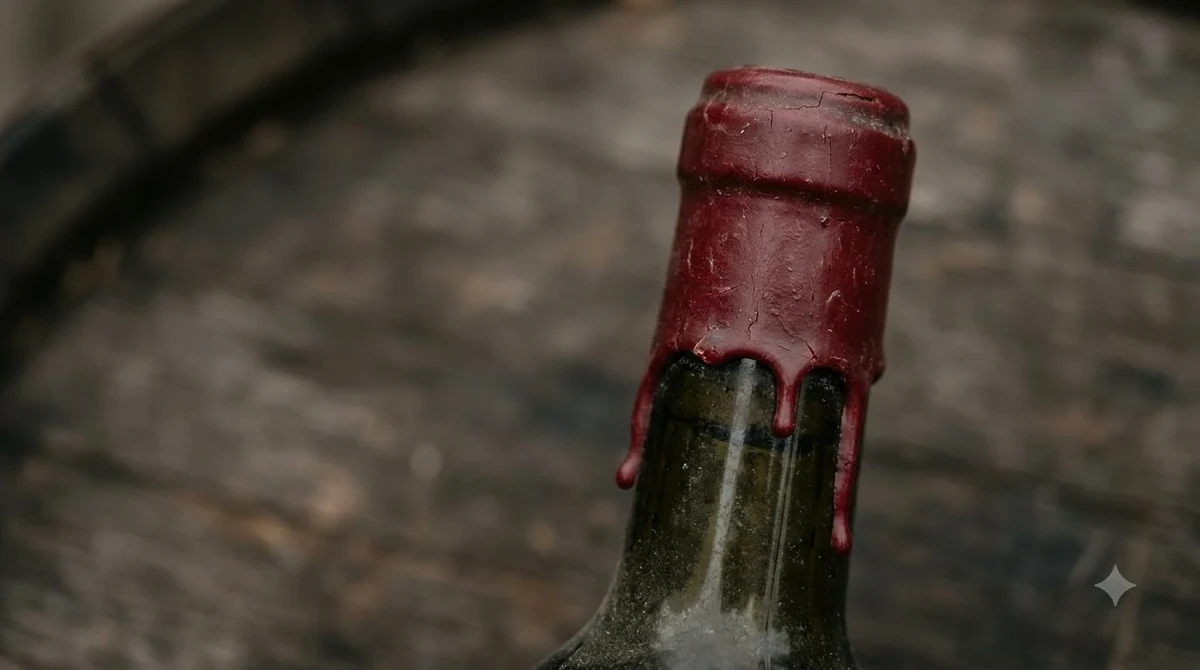
The region’s modern identity is more recent than its vineyards. Wikipedia’s entry notes that viticulture likely arrived with Benedictine monks from Cluny in the twelfth century, but the Denominación de Origen itself was founded on 21 July 1982, when a group of producers set out to raise quality standards across the area. That shift from local farming to a regulated quality system is the reason the label now carries clear rules on grapes and aging.
The grape: Tinto Fino, or Tempranillo
Most of the region’s red wine comes from Tinto Fino, the local name for Tempranillo. The Wine Folly Tempranillo profile describes the grape as Spain’s most widely planted red and notes that the Ribera del Duero version is called Tinta del País, which means “country red.” Its typical flavors include cherry, dried fig, cedar, tobacco and a hint of dill, with medium-full body and medium-high tannins.
The Ribera del Duero DO also authorizes other red grapes, including Cabernet Sauvignon, Merlot, Malbec and Garnacha Tinta, and it permits a single white variety, Albillo. In practice, though, most wines in the region are built around Tinto Fino, and the best bottles usually come from producers who focus on it. When you see a label that names Tinto Fino, you are looking at the region’s signature style.
| Category | Minimum aging rule | What to expect |
|---|---|---|
| Crianza | Two years in total, with 12 months in oak | Fresh fruit with soft oak and a ready-to-drink profile |
| Reserva | At least three years, with at least 12 months in oak | More structure, deeper fruit and a polished finish |
| Gran Reserva | Five years before release, with two of them in oak | The most aged style, with complex, mature flavors and softer tannins |
Understanding the aging categories
The aging terms on Ribera del Duero labels follow the DO’s rules, and they tell you how long the wine has spent in barrel and bottle before release. A crianza is a good everyday choice because it is ready to drink with less cellar time. A reserva adds more structure and usually shows more depth, which suits a special dinner. A gran reserva has spent the longest time aging and is meant for patient drinkers or for a collector’s table.
Keep in mind that older is not always better for every bottle. Some wines are made to be enjoyed young, and the label category is only one guide. If you want a lively bottle for a weeknight dinner, a crianza is often the easiest place to start.
How to serve Ribera del Duero
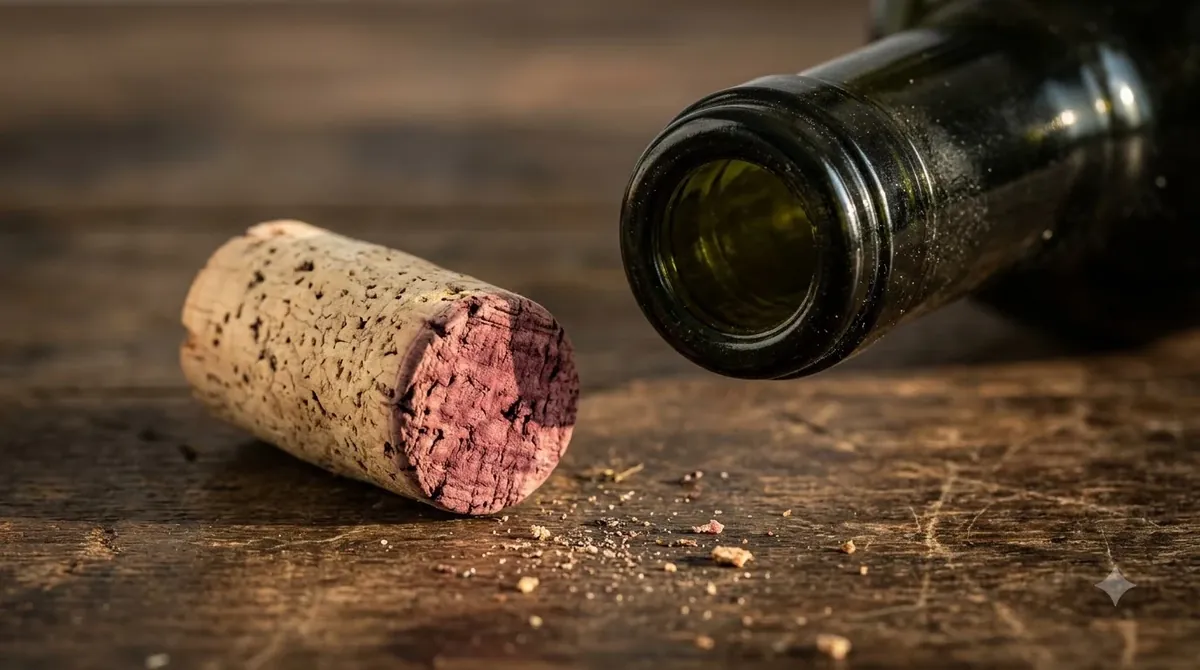
Serving temperature matters with these structured reds. Wine Folly suggests serving Tempranillo between 60 and 68 degrees Fahrenheit, about 15 to 20 degrees Celsius, which lets the fruit show without the alcohol feeling heavy. Typical alcohol levels for the grape fall around 13.5 to 15 percent by volume, so a generous glass helps the aromas open.
Many reds from the region benefit from a short rest or a gentle decant, particularly reservas and gran reservas, which can carry sediment or firmer tannins. Pour a small amount first, swirl it, and give it a few minutes before you judge the balance. If the wine tastes sharp or tight, it often needs a little more air.
Tip: Check the vintage and aging category together. A young crianza from a good year can be more enjoyable than an older bottle from a weaker one, so look at both before you buy.
Food pairings for Ribera del Duero
The structure of these reds makes them natural partners for food. Roasted and grilled meats, especially lamb and beef, match the wine’s tannins and dark fruit. Hearty stews, cured meats and aged cheeses work well too, and they bring out the dried fig and tobacco notes that appear in many examples. For a simpler dinner, try the wine with roasted vegetables, mushrooms or a rich tomato sauce.
Because the region is also known for its food culture, a plate of roasted meat with local-style sides is an easy way to explore the wine in a familiar setting. Lighter styles such as a crianza can also suit grilled chicken or pork.
How to choose a Ribera del Duero bottle
Start with what you want from the wine. If you want fresh fruit and a relaxed style, choose a crianza. If you want more depth and time in the bottle, look at a reserva. Producers in the region range from large houses with wide distribution to small estates focused on single vineyards, and the difference is usually clear on the label and the producer’s website.
The DO’s website notes that the region has more than 300 wineries and about 2,500 brands, so the choice can feel overwhelming. Narrowing by aging category and grape is a simple way to shorten your list. Reading a few tasting notes from trusted reviewers can also help you find a style that matches your taste.
Frequently Asked Questions
What grape is Ribera del Duero wine made from?
Most wines are made from Tinto Fino, the local name for Tempranillo. Other red grapes such as Cabernet Sauvignon, Merlot, Malbec and Garnacha Tinta are also permitted under DO rules.
What is the difference between crianza and reserva?
A crianza must age at least two years in total, with 12 months in oak. A reserva must age at least three years, with at least 12 months in oak, so it usually shows more structure and depth.
Where is Ribera del Duero located?
The region sits on a high plateau in Castile and León in north-central Spain, along the Duero River. Aranda de Duero is the central town, and Peñafiel and Roa de Duero are known for prominent vineyards.
Should Ribera del Duero be served chilled?
Serve it slightly cool rather than cold. Wine Folly suggests 60 to 68 degrees Fahrenheit, about 15 to 20 degrees Celsius, which keeps the fruit lively and the tannins in balance.
Ribera del Duero is a good region to explore if you want structured Spanish reds with a clear regional identity. Start with a crianza for an everyday dinner, then try a reserva to see how time in oak changes the wine. For more on where to visit, see our Ribera del Duero wineries guide, or compare it with other regions in the Wine Regions hub.
More in Wine Regions
 Willcox Wine Trail: Discover Arizona’s High-Elevation Wine CountryUpdated Nov 20, 2026
 Yakima Valley Wine Region: Find the Best Styles to TryUpdated Nov 20, 2026
 Vosne Romanee Wine Tasting: Identify Aromas and Choose Better PairingsUpdated Nov 20, 2026
 Yakima Valley Wine Festival: Find the Best Seasonal Wine EventsUpdated Nov 20, 2026
 Wales Vineyards: Discover Cool-Climate Wines and Where to VisitUpdated Nov 20, 2026
 Yountville Wine Festival: Discover Napa Wines and Local FoodUpdated Nov 20, 2026