

We may earn a commission when you buy through links on this page, at no extra cost to you. Learn more.
Ribera del Duero tasting notes center on concentrated black fruit—blackberry, black cherry, cassis, and dark plum—layered over savory oak spice, tobacco, cocoa, and firm, fine-grained tannins. Grown on Spain’s high-altitude Castilian plateau, these full-bodied reds rely on local Tempranillo (called Tinto Fino) to deliver dense structure balanced by crisp, mountain-driven acidity. Depending on oak aging, flavors shift from juicy bramble fruit in youth to dried fig, leather, and cedar in aged Reservas and Gran Reservas.
If you enjoy bold, structured red wines with real grip and savory depth, understanding what shows up in a glass from this northern Spanish region makes shopping and pairing much easier. Rather than leaning on sweet fruit or heavy jamminess, Ribera del Duero pairs ripe dark berries with an unmistakable mineral tension and earthy finish.
What It Is
Ribera del Duero is a Denominación de Origen (DO) wine region in north-central Spain’s Castilla y León, best known for full-bodied, age-worthy red wines made primarily from Tempranillo. Locally named Tinto Fino or Tinta del País, the grape adapts to the harsh highland climate by developing smaller berries and thicker skins than it does elsewhere in Spain.
Under regional appellation rules, red wines from Ribera del Duero must contain at least 75% Tempranillo, though many producers bottle 100% varietal expressions. Winemakers are also permitted to blend in small portions of Cabernet Sauvignon, Merlot, Malbec, and Garnacha Tinta, alongside up to 5% of the native white grape Albillo Mayor.
Because thick grape skins hold high concentrations of color pigments and phenolic compounds, Ribera del Duero pours a deep, opaque ruby or near-black purple in the glass. Typical bottles sit around 14% to 15% ABV, yet the region’s cool nighttime temperatures lock in brisk natural acidity so the alcohol rarely feels heavy or flabby.
Flavor and Styles
Across the board, Ribera del Duero delivers dark berry fruit, structural tannins, and savory barrel notes, but the exact flavor profile changes dramatically based on how long the wine ages in oak and bottle.
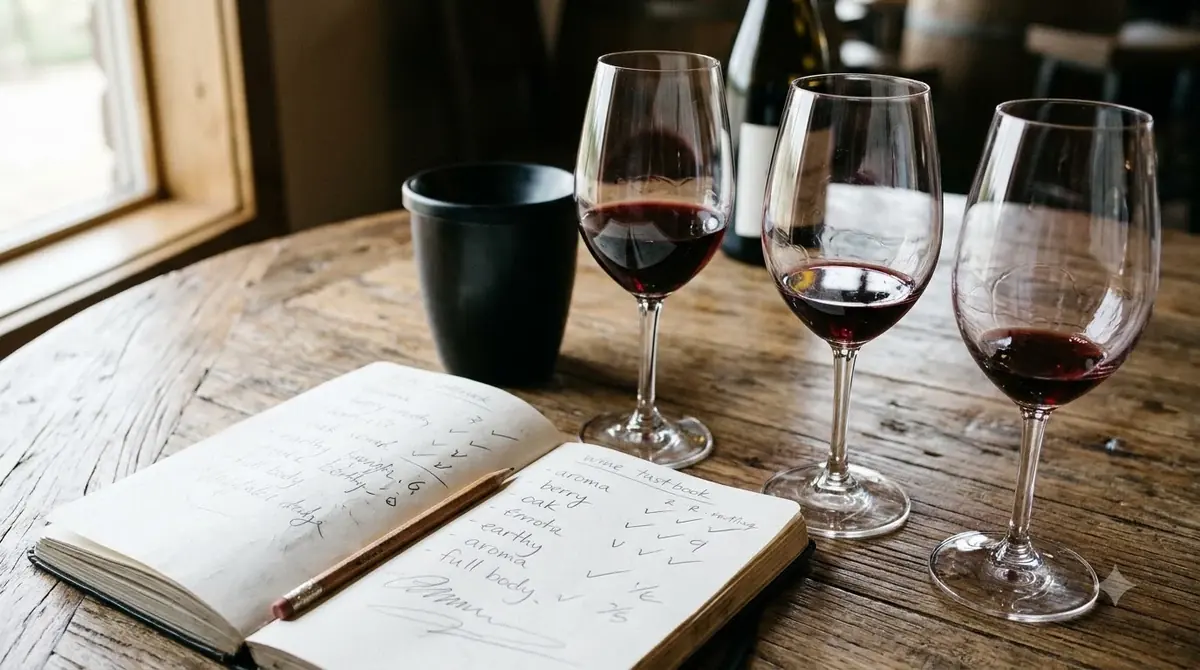
In youth, unaged Joven and lightly oaked Roble bottlings showcase vibrant primary fruit. Reviewers at Decanter highlight the “moreish, vibrant bramble fruit” in young, unoaked styles, where notes of crushed blackberry, wild strawberry, black cherry, and cracked black pepper jump right out of the glass. Roble wines spend a short stint—typically around four months—in barrel, adding just a whisper of vanilla and toast without muting the fresh berry core.
As wines step up into Crianza, Reserva, and Gran Reserva tiers, extended maturation transforms primary fruit into secondary and tertiary complexity. French oak is widely favored across the region, lending savory accents of dark chocolate, espresso, cedarwood, clove, and toasted hazelnut rather than the sweeter coconut character often associated with American oak. Mature bottles develop layered notes of dried fig, prune, cured leather, cigar box, turned earth, and stony minerality.
| Aging Tier | Minimum Total Aging | Minimum Oak Aging | Dominant Tasting Notes |
|---|---|---|---|
| Joven | No minimum | None (unoaked) | Fresh blackberry, black cherry, wild berries, black pepper, bright acidity |
| Roble / Barrica | Under 24 months | Typically 3–6 months (under 12) | Ripe plum, dark cherry, bramble fruit, subtle vanilla, light toast |
| Crianza | 24 months | 12 months | Blackberry, cassis, baking spice, cocoa, vanilla, firm youthful tannins |
| Reserva | 36 months | 12 months | Stewed dark plum, mocha, cedar, tobacco leaf, leather, integrated tannins |
| Gran Reserva | 60 months | 24 months | Dried fig, prune, cigar box, roasted coffee, truffle, silky long finish |
If you want a side-by-side look at how this Spanish clone compares to other global expressions, exploring the ribera del duero grape in detail shows how thick skins separate Tinto Fino from softer reds. You can also compare its dark, savory profile against red-fruited Spanish counterparts in our breakdown of grenache tasting notes.
Where It Grows
Ribera del Duero stretches roughly 70 miles along the Duero River in northern Spain, where extreme elevation and dramatic day-to-night temperature swings forge the wine’s signature balance of ripe fruit and bright acidity.
Vineyards sit on a windswept plateau between 700 and 1,000 meters (roughly 2,300 to 3,300 feet) above sea level, making them some of the highest-altitude winegrowing sites in Europe. The region experiences an extreme continental climate marked by scorching, dry summer days and freezing winter frosts, receiving only 15 to 20 inches of rainfall per year. During summer and early autumn, diurnal temperature swings can reach up to 25°C (45°F) between afternoon highs and chilly nights. Intense daytime sun pushes the grapes to full phenolic ripeness, while cold nights halt sugar spikes and preserve tart malic acidity.
Soils vary along the river valley and directly shape the texture of the finished wine. Alluvial gravel and sand near the riverbed warm up quickly, yielding rounder, softer, fruit-forward reds. Further up the slopes, clay-limestone and chalky soils restrict vine vigor and force roots deep underground—especially among old bush vines exceeding 60 to 80 years of age. Clay provides muscular body and tannic density, while active limestone imparts a chalky, saline freshness on the finish.
Across the four provinces that make up the appellation, subtle regional differences emerge. In Valladolid to the west—home to the famed “Golden Mile”—slightly warmer conditions produce powerful, structured wines built for long cellaring. Burgos forms the heartland of production around villages like La Horra and Roa, delivering dark, concentrated, spicy reds. Further east in Soria, the highest and coolest vineyards yield lighter-bodied, aromatic bottles with crisp acidity and lifted floral notes.
How to Serve
Serving Ribera del Duero slightly cooler than room temperature and giving it time to breathe softens its firm tannins and keeps its high-altitude aromatics crisp and expressive.
Aim for a serving temperature between 60°F and 65°F (15°C to 18°C). Young Joven and Roble bottles shine near the lower end of that range, around 60°F to 62°F, which accentuates their crunchy blackberry and cherry notes. Older Reservas and Gran Reservas open up best around 64°F to 65°F. If a bottle sits at a warm 72°F kitchen temperature, the alcohol can taste hot and overwhelm delicate violet, cedar, and spice aromas.
Because Tinto Fino packs dense tannins, decanting plays a major role in unlocking the wine’s texture. For a young Crianza or a tightly wound Reserva, decant the bottle for 45 to 60 minutes before pouring so oxygen can smooth out the grip and reveal layers of mocha and dark fruit. For fragile Gran Reservas older than 15 years, decant gently just before serving to separate natural sediment without tiring out subtle tertiary notes.
Tip: Put your bottle of Ribera del Duero in the refrigerator for 20 to 30 minutes before dinner to bring it down from room temperature into the ideal 60°F–65°F cellar window.
Food Pairing
Ribera del Duero’s combination of brisk acidity, dark berry fruit, and structural tannins makes it a natural partner for rich, fatty, smoky, and protein-heavy dishes.
In its homeland of Castilla y León, the classic table companion is lechazo asado—milk-fed roast lamb cooked until the skin turns crisp and the meat is tender. The wine’s fine-grained tannins bind to the rich lamb fat, cleansing the palate between bites while echoing rosemary, thyme, and wood-smoke flavors. Grilled ribeye steak, lamb chops, seared duck breast, and slow-braised short ribs or oxtail work on the exact same principle.
For casual boards and tapas, pair younger Joven or Crianza bottles with aged Manchego cheese (cured six to twelve months), acorn-fed Jamón Ibérico, or smoky chorizo. If you are cooking meatless meals, skip delicate salads and lean into savory umami: wild mushroom risotto, roasted eggplant, grilled portobello mushrooms, and hearty lentil stews match the earthy, forest-floor undertones of aged Tinto Fino. Avoid pairing these structured reds with delicate white fish or fiery chili dishes, as tannins can clash with seafood and amplify spicy heat.
How to Choose a Bottle
Reading the back label for the official aging classification—and knowing a few benchmark producers—helps you match the bottle’s flavor profile to your occasion and meal.
If you want a bright, fruit-driven wine for weeknight grilling or charcuterie, look for bottles labeled Joven, Cosecha, or Roble. These deliver juicy black cherry and plum fruit with minimal oak influence and softer tannins. When you want the classic balance of dark fruit, vanilla, cocoa, and firm structure, reach for a Crianza—widely considered the sweet spot of the region. For special dinners requiring layered notes of leather, tobacco, and dried fruit, choose a Reserva or Gran Reserva from a strong vintage such as 2019 or 2021.
As Wine Enthusiast notes in its regional overview, Ribera del Duero’s calling card is an amalgamation of dark black-fruit aromas, strapping tannins, and blazing acidity framed by high-quality French oak. Historic estates and benchmark producers frequently cited in regional tastings include Vega Sicilia, Dominio de Pingus, Tinto Pesquera, Bodegas Protos, Emilio Moro, Pago de Carraovejas, Bodegas Arzuaga, and Aalto.
To learn more about the region’s history and classification laws before you shop, read our full overview of what is ribera del duero, or browse how full-bodied reds stack up across Wine by Type.
Frequently Asked Questions
Is Ribera del Duero sweet or dry?
Ribera del Duero is a completely dry red wine. While ripe blackberry, black cherry, and vanilla oak notes can give the impression of richness on the mid-palate, fermentation converts virtually all grape sugars into alcohol, leaving a crisp, savory, tannic finish.
How do Ribera del Duero tasting notes differ from Rioja?
Although both regions rely on Tempranillo, Ribera del Duero’s higher altitude and extreme temperature swings produce thicker-skinned grapes with darker blackberry and cassis notes, firmer tannins, and deeper color. Rioja typically shows brighter red cherry fruit, softer structure, and sweeter coconut-vanilla spice from traditional American oak aging.
Why does Ribera del Duero taste so bold yet still feel fresh?
Vineyards sit at high elevations between 700 and 1,000 meters where hot daytime sun ripens dark fruit flavors while freezing night temperatures lock in natural acidity. Combined with chalky limestone soils, that diurnal shift prevents the wine from tasting heavy or jammy.
Do you need to decant Ribera del Duero before drinking?
Decanting is highly recommended for Crianza and young Reserva bottlings, as 45 to 60 minutes of air softens dense tannins and brings out secondary aromas of dark chocolate, cedar, and spice. Unoaked Joven wines can be poured straight from the bottle, while very old Gran Reservas only need gentle decanting to remove sediment.
Whether you pour a fresh, berry-packed Roble or a cellar-aged Reserva layered with leather and dark cocoa, Ribera del Duero rewards drinkers who appreciate structure and intensity. Chill the bottle slightly, give it a little air, and pair it with something savory off the grill to see Spanish Tempranillo at its boldest.
More in Wine Types & Grapes
 Zinfandel Sugar Content: Dry Red vs. White Zinfandel GramsUpdated Nov 21, 2026
 Best Zinfandel Substitute Options for Sipping and CookingUpdated Nov 21, 2026
 Zweigelt Food Pairing: Best Dishes, Cheeses, and Serving TipsUpdated Nov 21, 2026
 Zinfandel Tannins Explained: How Structure Shapes Every BottleUpdated Nov 21, 2026
 Zinfandel Sweetness Level: Dry Red vs. Sweet White Zin ExplainedUpdated Nov 21, 2026
 Xinomavro Food Pairing: Best Dishes, Styles, and Serving TipsUpdated Nov 21, 2026