


We may earn a commission when you buy through links on this page, at no extra cost to you. Learn more.
Matua wine is a New Zealand brand, and the style this guide uses as its reference is New Zealand Sauvignon Blanc, a crisp, high-acid white with bright citrus, gooseberry and tropical fruit notes. Wine Folly describes New Zealand Sauvignon Blanc as medium-light in body with racy acidity, and it recommends serving it cold, at 45 to 55 degrees Fahrenheit, in a white wine glass. It is a food-friendly bottle for lighter meals, herbs, fresh vegetables and soft cheeses.
If you have seen Matua wine on a shop shelf and wondered whether it is worth buying, this guide focuses on what the bottle is likely to taste like, how the New Zealand style works, how to serve it, and which foods make the best match. It also explains what to check on the label, since a brand name alone does not tell you the grape or the region.
What kind of wine Matua is
Matua is a New Zealand wine brand, and New Zealand is best known internationally for Sauvignon Blanc. For shoppers, the important point is that the brand sits in a category where the grape and the region tell you more than the brand name does. A New Zealand white is usually built on freshness and aromatic intensity, so the bottle will generally feel brighter than a rounder Chardonnay from a warm region.
VinePair notes that the grape’s flavors shift with climate. Cooler sites often show green and herbal notes, while warmer sites bring riper, tropical fruit. A New Zealand white tends toward the crisp end of that range, and the labels often name the sub-region, such as Marlborough, which is the best-known area for this style.
Because the brand name alone does not describe the liquid, it helps to think in terms of grape, region and vintage. A bottle that names Sauvignon Blanc and a cool New Zealand region gives you a clear picture of what to expect. A bottle with a more general or blended description may taste softer or rounder, so reading the back label is the quickest way to know what you are buying.
How New Zealand Sauvignon Blanc tastes
Wine Folly lists gooseberry, honeydew, grapefruit, white peach and passion fruit as the primary flavors of Sauvignon Blanc. The wine has a medium-light body and high acidity, which the same source describes as racy. That acidity is the defining feature: it makes the wine feel lively and mouthwatering, and it is why these whites pair so well with food.
VinePair adds that the grape can show tart green apple and cut grass when grown in cool conditions, or riper passion fruit and guava in warmer places. The article also describes the grape as one of the two countries that anchor the global Sauvignon Blanc conversation, alongside France, and notes that Marlborough wines are louder and more fruit-forward than many other versions.
Wine Folly’s notes on Marlborough describe the style as vibrant and sharp in acidity, with aromas that can include bell pepper, gooseberry, passion fruit, tomato stalk, citrus, and freshly cut grass. The same source describes the style as more citrus-focused than big and tropical. In practice, that means a Matua Sauvignon Blanc should feel fresh and zesty rather than heavy or sweet.
| Trait | What to expect from New Zealand Sauvignon Blanc |
|---|---|
| Body | Medium-light |
| Acidity | High, often described as racy |
| Core flavors | Gooseberry, grapefruit, passion fruit, citrus |
| Green notes | Freshly cut grass, bell pepper, tomato stalk |
| Sweetness | Dry, often with only a gram or two of residual sugar |
Tip: If a bottle tastes flat, it is often served too warm. A short time in the fridge before opening usually brings back the lift and the fruit.
How to serve it
Wine Folly recommends serving New Zealand Sauvignon Blanc at 45 to 55 degrees Fahrenheit, or 7 to 12 degrees Celsius. That range keeps the acidity lively and the fruit crisp. Served too cold, the wine can feel closed and muted, so take it out of the fridge a few minutes before pouring if the bottle has been chilled for a long time.
A white wine glass is the usual choice. Its shape directs the wine to the front of the palate, where the acidity is most noticeable, and it lets the citrus and green aromas reach your nose. No decanting is needed, and the wine is best drunk young and fresh, while the fruit is at its most vivid.
Food pairing for Matua wine
Sauvignon Blanc works best with food that has herbs, acidity or delicate fresh flavors. Wine Folly suggests herb-driven sauces over chicken, tofu or fish, along with feta, chèvre, and herb-based Thai or Vietnamese dishes. Light proteins such as chicken, turkey, pork, halibut, crab, lobster and salmon also suit the wine’s crisp profile.
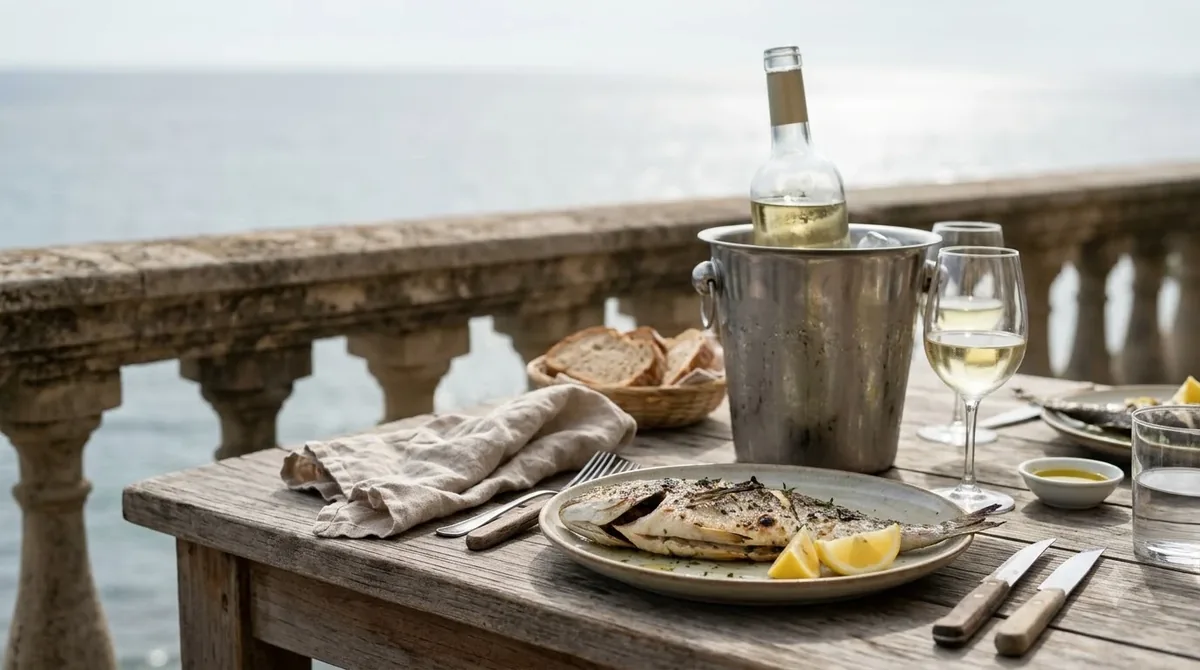
Soft cheeses such as warm goat cheese, burrata and mozzarella di bufala are a good match, and so are green vegetables such as peas, arugula, zucchini and asparagus. For seasoning, the same source lists mint, dill, basil, thyme and garlic. A simple dinner of grilled fish with lemon and herbs, or a salad of goat cheese and green vegetables, shows what this style does best.
Avoid pairing it with very rich, heavily oaked, or spicy dishes, which can overpower the wine’s freshness. A dish with a lot of butter or cream usually calls for a fuller white, while this style is better with lighter sauces and vinaigrettes.
How to choose a bottle
When you pick up a Matua bottle, check the grape name, the vintage, and the region on the back label. If the label says Sauvignon Blanc and names a cool New Zealand region, expect a crisp, high-acid style. If the label names another grape or a different region, the flavor profile may change, so read the description before you buy.
It also helps to compare the bottle with other whites on the same shelf. Shoppers looking for a softer, rounder white may prefer a different grape or a warmer region, while those who like a zesty, herbal style will usually stay with New Zealand Sauvignon Blanc. For a wider look at how different brands approach white and red wine, the Wine Brands guide is a useful starting point.
If you want to compare a few established producers with distinct house styles, the Pedernales wine and Spottswoode wine pages show how different wineries handle structure and fruit. For a very different, sweeter style to compare against, Stella Rosa Red makes a useful contrast when you are deciding what you like.
For a detailed look at Sauvignon Blanc itself, Wine Folly’s Sauvignon Blanc guide covers the flavor range, serving notes, and food pairings that this article draws on.
Frequently Asked Questions
Is Matua wine dry?
New Zealand Sauvignon Blanc is usually dry, with high acidity and only a small amount of residual sugar. Check the bottle’s description if you want a particular sweetness level, since styles vary by producer.
How cold should Matua Sauvignon Blanc be served?
Wine Folly recommends 45 to 55 degrees Fahrenheit (7 to 12 degrees Celsius). Chill the bottle well, then let it sit for a few minutes before pouring to bring out the aromas.
What foods go best with a New Zealand Sauvignon Blanc?
Grilled fish, chicken with herb sauce, goat cheese, fresh salads and green vegetables are good matches. Thai and Vietnamese dishes with fresh herbs also suit the wine’s acidity.
Should I decant Matua wine?
No. Sauvignon Blanc is meant to be enjoyed fresh and young, and decanting is not needed. Keep the bottle cold and pour it into a white wine glass when you are ready.
Matua wine is a practical choice for anyone who wants a fresh, food-friendly white from New Zealand. Serve it cold, pour it into a white wine glass, and pair it with herbs, fresh vegetables or light fish. Check the grape and region on the label, and compare it with other whites to find the style you prefer.
More in Wine Brands
 Underwood Wine Price: Compare Bottles, Cans, and Pack SizesUpdated Nov 21, 2026
 Zenato Wine Price: Compare Styles and Choose the Right BottleUpdated Nov 21, 2026
 Zuccardi Wine Price: Compare Bottles and Find the Right RangeUpdated Nov 21, 2026
 Yellow Tail Moscato Review: Taste, Sweetness and Serving TipsUpdated Nov 21, 2026
 Wolf Blass Yellow Label Review: Choose Your Best StyleUpdated Nov 21, 2026
 Wolffer Estate Rose Review: Choose the Right Bottle for Your TableUpdated Nov 21, 2026