

We may earn a commission when you buy through links on this page, at no extra cost to you. Learn more.
Stella Rosa red is a semi-sweet, lightly sparkling wine from the Stella Rosa brand, which is produced and marketed by San Antonio Winery in Los Angeles. The brand’s wines are made in Italy’s Asti region in Piedmont and finished with a method that gives them a gentle fizz. This guide explains what the brand is, how its sweetness and sparkle work, how to serve it, and what to pair it with.
Stella Rosa is one of the most recognizable semi-sweet wines on American shelves, and it is often the first sparkling bottle people buy for a casual evening. Knowing how it is made helps you decide whether it suits your table or your taste.
Who makes Stella Rosa
San Antonio Winery produces and markets the Stella Rosa brand. Reference material on the brand notes that the winery is based in Los Angeles and was founded in 1917 by Santo Cambianica. The brand itself does not have a separate founding date on the winery’s description, so the winery’s history is the best way to trace the line.
Because the winery has been around for more than a century, it has a long record of producing wine at volume. That scale is part of why the brand is so easy to find in stores across the United States.
Why Stella Rosa tastes semi-sweet and lightly sparkling
The brand is described as semi-sweet, and its wines are made using arrested fermentation. The process stops the yeast before all the sugar turns into alcohol, which leaves residual sweetness in the glass.
The wines are also made with the Charmat method, a tank-based process that produces a light, frizzante texture rather than the strong bubbles of a Champagne-style wine. That is why Stella Rosa is usually described as lightly sparkling. It has bubbles, but they are softer and less aggressive than a traditional sparkling wine.
Where the grapes come from
The grapes used for Stella Rosa come from Italy’s Asti region in Piedmont, where the wines are produced. Asti is best known for its sweet, aromatic sparkling wine, so the brand’s sweet and gently fizzy style fits within the wider tradition of the area.
The available brand description does not name every grape variety used across the line, so if you want to know the exact grape in a given bottling, check the label on that bottle.
| Feature | What it means for your glass |
|---|---|
| Semi-sweet | Noticeable sweetness, closer to a fruit-forward style than a dry wine |
| Charmat method | Tank-fermented bubbles that feel light rather than sharp |
| Frizzante texture | A gentle sparkle that suits casual drinking |
| Asti, Piedmont | The Italian region where the wines are produced |
How to serve Stella Rosa
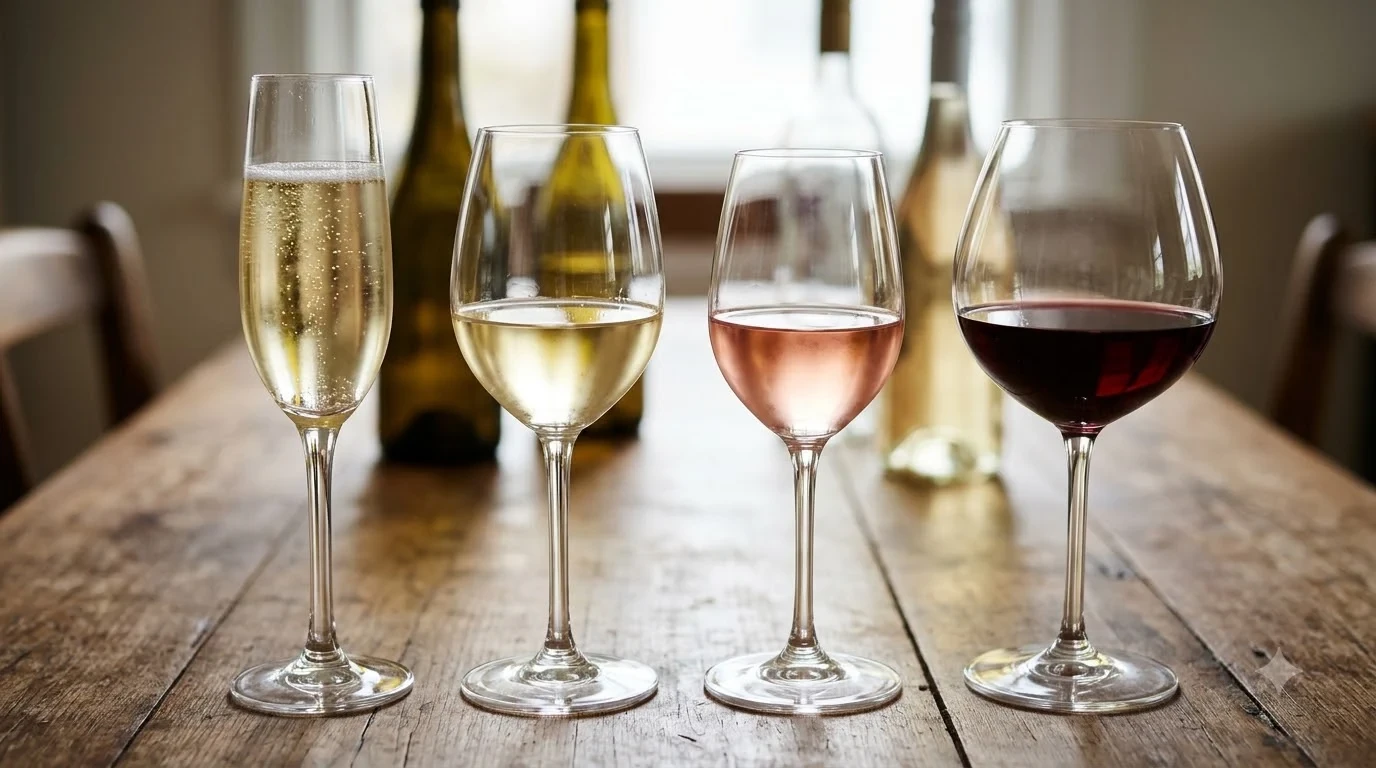
Serve Stella Rosa chilled. Cold temperatures keep the sweetness from tasting cloying and help the light bubbles stay lively. A standard wine glass works well, since it keeps the aroma close and lets the fizz show.
Open the bottle close to when you plan to drink it. Sparkling wines lose their lift over time, so a bottle left open for a long evening will taste flatter than one poured fresh.
Tip: Chill the bottle for a few hours before serving rather than dropping it into ice at the last minute. A steady cold keeps the texture even from the first glass to the last.
Food pairings for a semi-sweet sparkling wine
Semi-sweet wines work well with food that has some heat or salt, because the sweetness balances the spice. Spicy takeout, salty snacks, and mildly spiced grilled chicken are reliable choices. Fruit-based desserts also pair naturally, especially those built on berries or stone fruit.
Avoid pairing it with very dry or heavily tannic dishes. A big steak or a dry Cabernet-style meal will make the sweetness feel out of place, so keep the menu lighter and more playful.

Its place in the American market
Stella Rosa is widely described as one of the best-selling semi-sweet wines in the United States. Nielsen sales data cited in brand materials placed it among the most popular wines by total sales in 2020, and it was noted as one of the fastest-growing wines that year.
Popularity does not tell you whether a bottle will suit your taste, though. If you usually drink dry wines, a semi-sweet sparkling bottle will feel very different, and it helps to try a small bottle first before buying a case.
How Stella Rosa compares with dry sparkling wine
Many shoppers compare semi-sweet sparkling wine with dry styles, and the difference is mostly about sugar. A dry sparkling wine finishes crisp and clean, while a semi-sweet one leaves a rounder, fruitier impression. Neither is better in general; it depends on the meal and the mood.
The Charmat method is also used for many dry Italian sparkling wines, so the process itself does not decide sweetness. What makes Stella Rosa sweet is the arrested fermentation that leaves sugar in the wine. That is a useful thing to remember when you read labels, because the sparkle alone does not tell you how sweet the bottle will taste.
Planning a menu around a sweet sparkler
Semi-sweet sparkling wine works well at brunch, at a casual party, or as a lighter alternative to dessert wine. Serve it early in the evening if you want it as an opener, or later with fruit and cake if you want it to finish the meal. Because the style is approachable, it suits guests who do not usually drink wine.
If you are hosting, buy a bottle or two more than you think you need. Sparkling wine is best opened close to serving, so it helps to have spare bottles chilled and ready rather than trying to reopen a half-finished one.
Learn more about the wine’s origin
The producer’s own site, San Antonio Winery, describes a family business that has operated for more than a century, with tasting and dining sites in Southern California and estate vineyards in several California regions. It lists Stella Rosa as one of its brands, which is a useful reminder that the brand sits within a larger winery rather than standing alone.
For a general overview of the brand and its history, the entry on Stella Rosa on Wikipedia summarizes the Asti sourcing and the brand’s rise in the American market. Use it as a starting point, then check the label on the bottle you plan to buy for the current details.
Shoppers who want a sweeter bottle for a special night can also compare the brand with other semi-sweet sparkling wines on the shelf. Reading the label for sweetness, bubble style, and the producer name makes it easier to choose the right bottle for the occasion.
Frequently Asked Questions
Is Stella Rosa a sweet wine?
Yes. The brand is described as semi-sweet, so it tastes noticeably sweeter than a dry wine. The sweetness is balanced by light, gentle bubbles.
Is Stella Rosa sparkling?
It is lightly sparkling. The wines are made with the Charmat method and have a frizzante texture, which is softer than a traditional Champagne-style sparkle.
Where is Stella Rosa made?
The grapes come from Italy’s Asti region in Piedmont, and the brand is produced and marketed by San Antonio Winery, which is based in Los Angeles.
How should I serve Stella Rosa?
Serve it well chilled in a standard wine glass, and open it close to when you plan to drink it so the bubbles stay lively.
For more on the brands on American shelves, browse our wine brands guide. If you prefer a dry red after dinner, compare this bottle with a Texas red to see how sweetness and structure change the experience.
More in Wine Brands
 Underwood Wine Price: Compare Bottles, Cans, and Pack SizesUpdated Nov 21, 2026
 Zenato Wine Price: Compare Styles and Choose the Right BottleUpdated Nov 21, 2026
 Zuccardi Wine Price: Compare Bottles and Find the Right RangeUpdated Nov 21, 2026
 Yellow Tail Moscato Review: Taste, Sweetness and Serving TipsUpdated Nov 21, 2026
 Wolf Blass Yellow Label Review: Choose Your Best StyleUpdated Nov 21, 2026
 Wolffer Estate Rose Review: Choose the Right Bottle for Your TableUpdated Nov 21, 2026