

We may earn a commission when you buy through links on this page, at no extra cost to you. Learn more.
Matua wine alcohol content typically falls around 12% to 13% ABV for its standard Sauvignon Blanc, although the exact percentage depends on the wine, vintage, and bottling. Matua Marlborough Sauvignon Blanc appears at 12.5% ABV in one retail listing and 13% ABV in another. Its other varieties, including Pinot Noir and Chardonnay, can have different alcohol levels, so the percentage printed on the individual bottle is the most reliable figure.
Matua is a New Zealand winery particularly associated with Sauvignon Blanc from Marlborough. Its wines are known for fresh fruit character, lively acidity, and approachable styles that work well with everyday meals. Understanding their alcohol percentages helps you compare different bottles, estimate the alcohol in a serving, and choose a wine that suits your preferred style. This guide explains the figures, what affects them, and how to serve Matua wines properly.
Typical Alcohol Content in Matua Sauvignon Blanc
Matua Sauvignon Blanc generally contains approximately 12% to 13% alcohol by volume, with 12.5% and 13% appearing in documented retail listings. These figures provide a useful starting point when comparing standard Marlborough bottles, although individual vintages can differ.
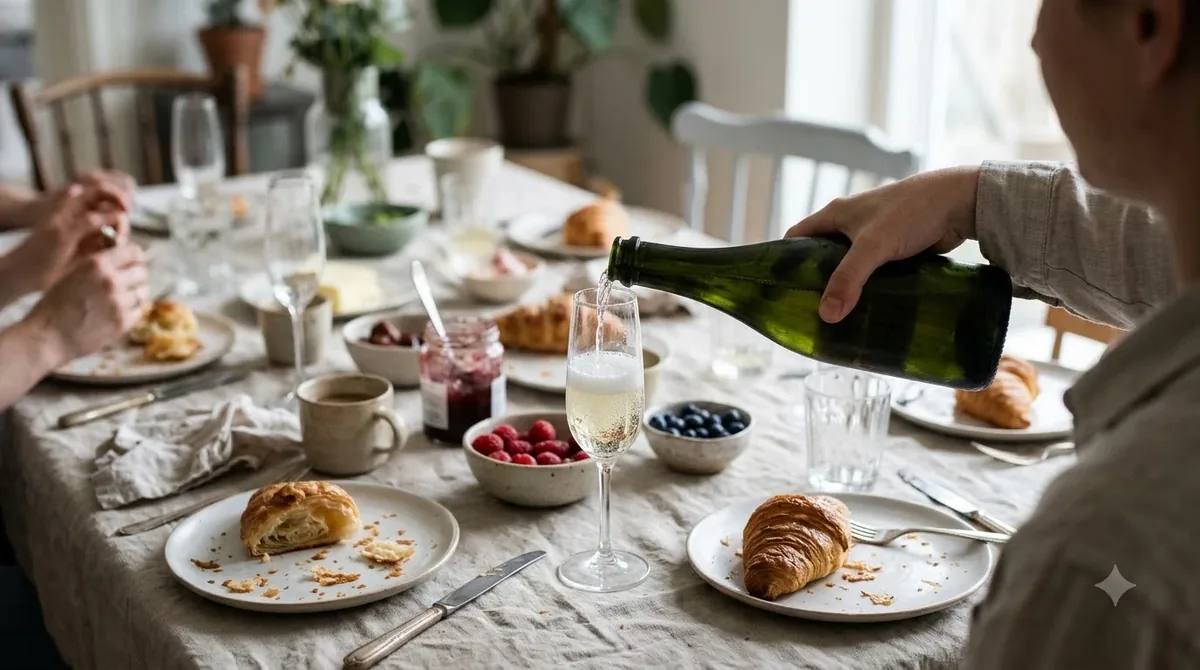
Two published listings illustrate why shoppers sometimes encounter different numbers for what appears to be the same wine. BevMo lists its Matua Sauvignon Blanc in a 750 ml bottle at 13.0% ABV. The Société des alcools du Québec (SAQ), meanwhile, lists a 750 ml Matua Marlborough Sauvignon Blanc at 12.5% ABV. Both are credible product listings, but they should not be treated as proof that every Matua bottle has an identical alcohol percentage.
The distinction matters because wine alcohol content is not permanently fixed by the grape variety or brand name. A Sauvignon Blanc made in one vintage may have a slightly different alcohol level from a bottle produced using grapes harvested in another season. Fermentation conditions and the composition of the harvested grapes also influence the finished wine.
For a practical comparison, consider 12.5% to 13% ABV a useful reference for the standard Matua Marlborough Sauvignon Blanc listings discussed here. If you are choosing between two bottles, compare their printed ABV figures rather than relying on the front label or the winery’s general reputation.
Why the two published figures differ
A difference of half a percentage point is relatively small, but it is still measurable. A 750 ml bottle at 12.5% ABV contains approximately 93.75 ml of pure alcohol by volume, while the same bottle at 13% contains approximately 97.5 ml. That is a difference of 3.75 ml of pure alcohol across the entire bottle.
Retail listings may also reflect different vintages, markets, or production lots. A retailer might retain an older product description while stocking a newer vintage with a different alcohol percentage. Imported wines can also have different available listings in the United States, Canada, and other markets.
The winery itself acknowledges this variation. In its official Matua frequently asked questions, the producer explains that alcohol content varies by wine and vintage. This is the central point to remember: a brand-wide ABV estimate is useful for shopping, but the individual bottle provides the definitive figure.
Alcohol Content Across Different Matua Wine Varieties
Matua produces more than one style of wine, and the alcohol percentage of a Sauvignon Blanc should not automatically be applied to its Pinot Noir, Chardonnay, rosé, or other releases. Grape variety, growing conditions, harvest maturity, and winemaking decisions all influence the final strength.
Matua’s range includes Sauvignon Blanc from Marlborough and wines associated with other New Zealand growing regions, including Nelson and Central Otago. The winery’s official information emphasizes that different wines and vintages can have different ABV figures. This means variety-specific comparisons are more useful than assuming every bottle shares the same alcohol content.
Matua Sauvignon Blanc
Sauvignon Blanc is the best-known style associated with Matua. Its Marlborough expression is typically fresh and aromatic, with citrus, tropical fruit, and herbaceous characteristics. Published listings place the standard 750 ml version at 12.5% or 13% ABV.
The SAQ identifies one Marlborough bottling as 100% Sauvignon Blanc, with 12.5% alcohol, 3.5 grams per liter of sugar, and a dry taste profile. These details help explain why the wine can taste crisp and refreshing without being a low-alcohol product. Its acidity and fruit character create an impression of freshness that is separate from its actual alcohol concentration.
Matua Pinot Noir
Matua Pinot Noir is a red wine rather than a white wine, and it has a different flavor and structural profile. Pinot Noir commonly has low-to-medium tannin and relatively high acidity compared with fuller-bodied red varieties such as Cabernet Sauvignon.
Its alcohol level should be assessed independently rather than assumed to match the Sauvignon Blanc figure. The exact percentage can change between bottlings and vintages. For someone comparing the two varieties, the difference in texture, acidity, tannin, and serving temperature may be just as important as the difference in ABV.
Matua Chardonnay and other releases
Chardonnay generally has medium acidity and can range from lean, citrus-driven styles to fuller wines with more rounded fruit and oak influence. Matua’s Chardonnay should therefore be considered separately from its Sauvignon Blanc when comparing alcohol content and food compatibility.
Rosé and other specialty releases also require individual attention. A rosé may share the fresh, fruit-oriented character associated with New Zealand wines, but that does not mean it has the same alcohol concentration as the winery’s flagship white wine. Limited releases and alternative packaging formats can introduce further differences.
Tip: Compare the ABV printed on the specific bottles rather than assuming that all Matua wines contain 12.5% or 13% alcohol. The grape variety and brand name alone cannot establish the exact percentage.
Matua Wine Alcohol Content Compared With Bottle Size and Serving
Alcohol percentage describes the concentration of alcohol in a wine, not the total amount of alcohol in the bottle. Bottle volume therefore matters when estimating how much alcohol is present in a particular serving or package.
A standard 750 ml bottle contains five traditional 5 oz wine servings. At 12.5% ABV, each 5 oz serving contains approximately 0.625 oz of pure alcohol. At 13% ABV, the equivalent serving contains approximately 0.65 oz of pure alcohol.
The following table uses the two documented Matua Sauvignon Blanc percentages to illustrate how the numbers change with serving size. The alcohol quantities are mathematical estimates based on the stated ABV, not separate laboratory measurements.
| Measurement | At 12.5% ABV | At 13% ABV |
|---|---|---|
| Alcohol per 100 ml | 12.5 ml | 13 ml |
| Alcohol per 5 oz serving | 0.625 oz | 0.65 oz |
| Alcohol per 750 ml bottle | 93.75 ml | 97.5 ml |
| Approximate 5 oz servings per bottle | 5 | 5 |
| Alcohol per 150 ml serving | 18.75 ml | 19.5 ml |
| Alcohol per 1.5 L package | 187.5 ml | 195 ml |
How to calculate alcohol in a serving
The basic calculation is straightforward:
Pure alcohol in milliliters = wine volume in milliliters × ABV percentage ÷ 100.
For example, a 150 ml glass of Matua Sauvignon Blanc at 12.5% ABV contains 18.75 ml of pure alcohol by volume. At 13% ABV, the same serving contains 19.5 ml.
This calculation works for any bottle size. It also makes it easier to compare different wines without relying on taste, sweetness, or body as indicators of strength.
Standard bottles and larger formats
A 750 ml bottle is the familiar standard wine format in the United States. Matua also describes a 1.5-liter Bagnum format, which contains the equivalent volume of two standard bottles. At the same ABV, a 1.5-liter package contains twice as much total alcohol as a 750 ml bottle.
For instance, a 1.5-liter package at 12.5% ABV contains 187.5 ml of pure alcohol by volume. The same package at 13% contains 195 ml. The larger format does not make the wine stronger; it simply holds more wine.
Serving size is another important distinction. A 5 oz pour and a 6 oz pour from the same bottle have identical alcohol concentration, but the larger glass contains more total alcohol. Keeping bottle volume, serving size, and ABV separate makes comparisons much clearer.
What Influences the Alcohol Level of Matua Wines?
The alcohol concentration of Matua wine is influenced primarily by grape ripeness, natural sugar levels, fermentation, and the particular winemaking decisions used for each release. This explains why the same variety can have different ABV figures across vintages and bottlings.
Wine alcohol develops as yeast converts fermentable grape sugars into alcohol and carbon dioxide during fermentation. Grapes harvested with more natural sugar generally have the potential to produce wine with more alcohol if fermentation converts that sugar into alcohol. However, the final result also depends on the winemaking process.
Grape ripeness and growing conditions
Matua works with grapes from several New Zealand regions. Its official information identifies Marlborough, Nelson, and Central Otago among the areas supplying grapes for its wines. These regions do not necessarily produce identical growing conditions or fruit characteristics.
Weather, sunshine, rainfall, temperature, and harvest timing can all affect grape development. A longer growing season can allow grapes to develop their flavors while retaining acidity. Warmer conditions or later harvesting may result in higher sugar levels, although the outcome depends on the vineyard and growing season.
Marlborough Sauvignon Blanc is particularly associated with aromatic intensity and fresh acidity. The wine’s lively character should not be confused with low alcohol. A crisp, citrus-driven wine can still contain 12.5% or 13% ABV.
Fermentation and winemaking decisions
During fermentation, yeast consumes grape sugar and produces alcohol. The amount of sugar available and the way fermentation proceeds influence the final concentration. Winemakers can make decisions about fermentation conditions to achieve the intended balance of fruit, acidity, texture, and alcohol.
Not every wine is fermented under exactly the same conditions. Temperature, yeast selection, fermentation duration, and decisions about stopping fermentation can influence the finished product. These factors help explain why two wines made from the same grape variety can differ in alcohol concentration and sweetness.
Vintage variation
Vintage refers to the year in which the grapes were harvested. Changes in weather and growing conditions can produce differences in grape composition from one harvest to another. This can influence both the flavor profile and potential alcohol level of the resulting wine.
For example, two Matua Marlborough Sauvignon Blanc bottles from different harvests may both be dry and citrus-forward while displaying slightly different ABV figures. Such variation does not necessarily indicate a change in the winery’s overall style or a different grape variety.
For shoppers, the most useful approach is to compare the actual bottles rather than relying on a remembered percentage from a previous purchase. This is especially helpful when buying the same wine from different retailers or comparing bottles imported into different markets.
How Matua Compares With Other New Zealand Sauvignon Blanc Wines
Matua belongs to a well-known category of New Zealand Sauvignon Blanc wines that emphasize fresh acidity, citrus, tropical fruit, and aromatic intensity. Comparing its alcohol content with other brands requires looking at individual bottlings, because Sauvignon Blanc does not have one universal ABV.
Its documented 12.5% and 13% listings place the standard Matua Marlborough Sauvignon Blanc in a familiar range for a dry, fruit-forward white wine. Other New Zealand producers can offer similar alcohol levels, but differences in vintage, region, and winemaking may produce different results.
Matua and Kim Crawford
Kim Crawford Sauvignon Blanc alcohol content is a useful comparison for shoppers considering another recognizable New Zealand Sauvignon Blanc. Both brands are associated with fresh, aromatic wines, although the alcohol concentration can differ by bottling and vintage.
Rather than assuming one producer is always stronger, compare the ABV figures on the specific bottles. A half-percentage-point difference can be noticeable in a numerical comparison without necessarily producing a dramatic difference in the overall tasting experience.
Acidity and fruit intensity also influence how a wine feels. Sauvignon Blanc with pronounced citrus acidity can seem particularly crisp, while ripe tropical fruit flavors can give a wine a rounder impression. Neither characteristic independently establishes the alcohol percentage.
Matua and other everyday white wines
Shoppers comparing Matua with Pinot Grigio brands may also find useful information in our guides to Black Box Pinot Grigio alcohol content and Cavit Pinot Grigio alcohol content.
Pinot Grigio often emphasizes citrus, pear, apple, and a lighter impression on the palate. Sauvignon Blanc generally offers more pronounced acidity and characteristic herbal or tropical notes. Both styles can have comparable ABV figures, so flavor and body should be considered alongside alcohol concentration.
When comparing wines from different producers, use three main criteria: the printed ABV, the grape variety, and the intended style. This approach provides a more accurate comparison than relying on the brand name alone.
For more brand-specific information, visit our Wine Brands section, which covers alcohol content and characteristics across popular bottles.
Serving Temperature, Food Pairings, and Storage for Matua Wine
Matua Sauvignon Blanc is best enjoyed chilled, generally around 45–50°F, while Matua Pinot Noir benefits from a slightly warmer serving temperature of approximately 55–60°F. Proper serving conditions help the wine show its intended aromas, acidity, and texture.
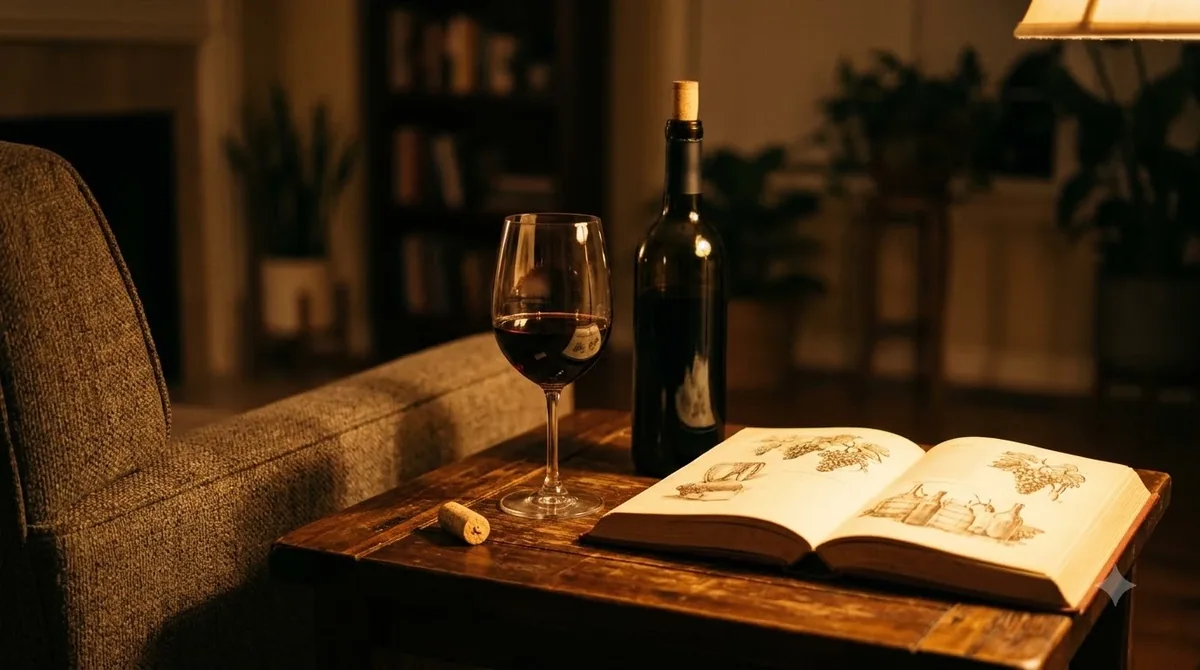
The SAQ lists a serving temperature of 6–8°C, approximately 43–46°F, for its Matua Marlborough Sauvignon Blanc. This is consistent with the general practice of serving light white wines well chilled. A bottle that is too warm can seem heavier and less refreshing, while excessive chilling can make aromas less noticeable.
Serving Matua Sauvignon Blanc
For Matua Sauvignon Blanc, start with a serving temperature of approximately 45–50°F. Refrigerate the bottle before serving and allow it to warm slightly in the glass if the citrus and tropical fruit aromas initially seem muted.
The Chill Check snowflake on selected Matua bottles is designed to indicate when the wine has reached its intended chilled temperature. Matua explains that the snowflake changes color when the wine is ready to pour. This provides a convenient visual reference for serving without having to measure the bottle temperature.
Serving Matua Pinot Noir
Pinot Noir is generally served cooler than room temperature, around 55–60°F. This temperature range helps preserve the wine’s freshness and allows its fruit aromas to remain expressive.
Unlike fuller reds such as Cabernet Sauvignon, Pinot Noir generally has lower tannin and relatively high acidity. Serving it slightly cool can make its red-fruit character and texture particularly appealing. If the bottle has been refrigerated, give it some time to move toward the appropriate serving temperature.
Food pairings for Matua Sauvignon Blanc
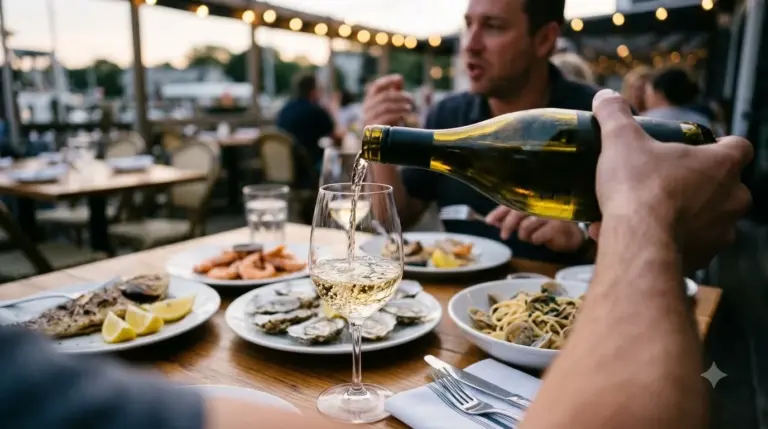
Sauvignon Blanc is especially versatile with seafood, salads, fresh vegetables, and dishes featuring citrus or herbs. Matua itself recommends seafood, fresh salads, citrus-based dishes, and a little spice with its Sauvignon Blanc.
Good pairing choices include:
- Grilled shrimp: The wine’s lively acidity complements the natural sweetness of seafood.
- Oysters: Fresh citrus and mineral-like impressions work well with the delicate flavors of shellfish.
- Salmon tartare: The freshness of Sauvignon Blanc can complement the fish’s texture and light seasoning.
- Green salads: Fresh herbs, cucumber, and citrus dressings suit the wine’s aromatic character.
- Grilled vegetables: Zucchini, asparagus, and eggplant provide flavorful vegetable-based options.
Acidity matters when pairing wine with acidic food. A dish with lemon or vinegar generally works better with a wine that has equal or greater acidity. Sauvignon Blanc’s fresh profile makes it a practical choice for many citrus-based preparations.
Be cautious with very spicy dishes. Chili heat can seem more intense alongside wines with noticeable alcohol, so heavily spiced food may overwhelm the fresh fruit character of a 12.5% to 13% Sauvignon Blanc. Mild seasoning, fresh herbs, and moderate heat are usually easier matches.
Food pairings for Matua Pinot Noir
Pinot Noir works well with grilled chicken, roasted pork, mushrooms, and moderately rich dishes. Its relatively soft tannin and fresh acidity make it more flexible with food than some heavily structured red wines.
Matua specifically recommends grilled meats and mushrooms with its Pinot Noir. Mushroom risotto, herb-roasted chicken, grilled pork tenderloin, and roasted vegetables are useful options.
Oily fish can be more challenging with tannic red wines, so lighter Pinot Noir may offer a better starting point than a strongly tannic Cabernet Sauvignon. Consider the preparation and richness of the dish rather than choosing a wine solely by its color.
Storage after opening
Matua recommends resealing opened bottles, storing them in the refrigerator, and enjoying standard bottles within a few days for the freshest flavor. This applies to red wines as well as whites and rosés.
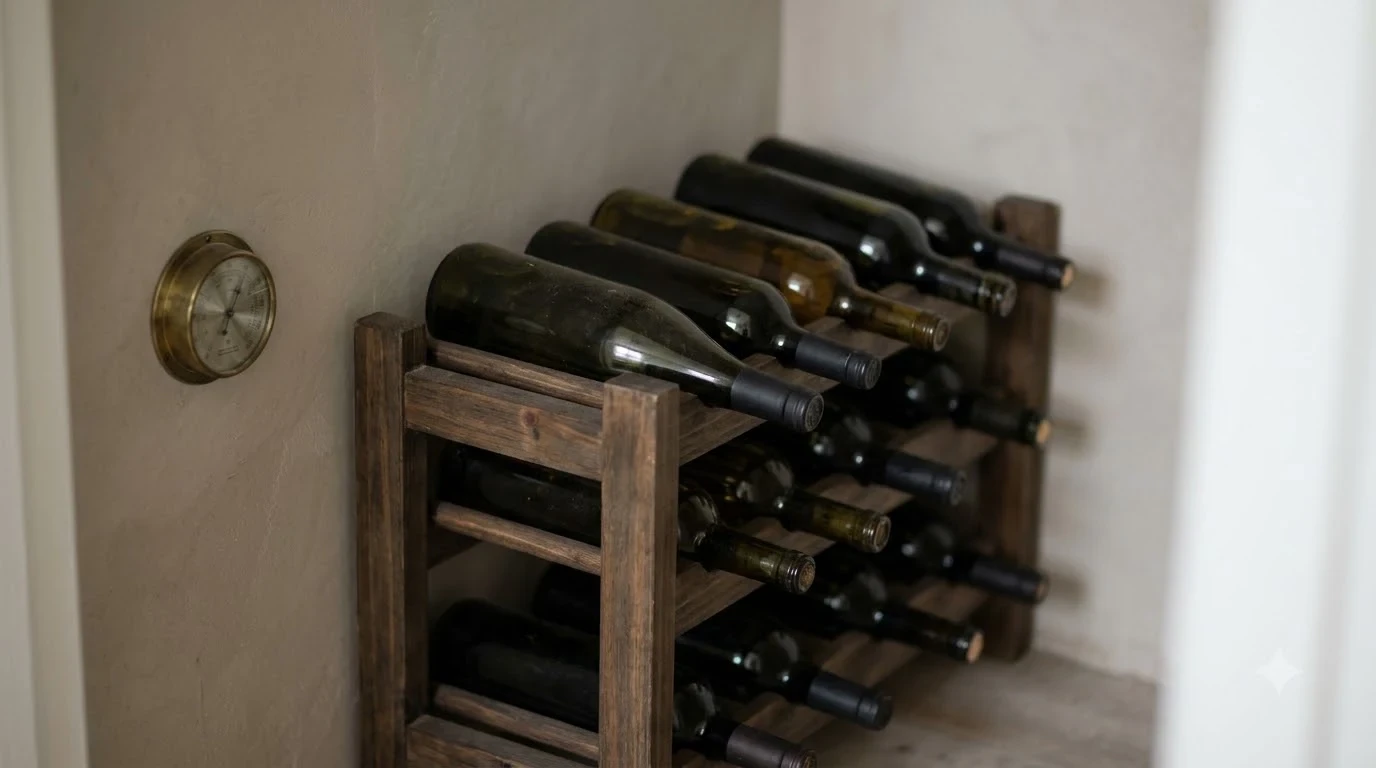
For unopened bottles, a cool, dark storage location with a stable temperature is preferable. A temperature near 55°F is a useful general target for wine storage, and bottles with natural cork closures are commonly stored on their sides.
For everyday drinking, there is no need to decant Matua Sauvignon Blanc. Its fresh, aromatic style is generally intended to be enjoyed without extended aeration. Pinot Noir also usually requires less decanting than young, full-bodied red wines with substantial tannin.
Frequently Asked Questions
Does Matua wine contain sulfites?
Yes. Matua explains that sulfites occur naturally during winemaking and may also be added in small amounts to help preserve freshness and quality. Bottles containing sulfites are labeled accordingly. Sulfites are a separate component from alcohol and do not determine the wine’s ABV.
Does Matua Sauvignon Blanc use a screw cap?
Matua identifies screw caps as one of its closure options and explains that they help protect wine from oxygen. The winery also highlights their convenience because they can be opened and resealed without a corkscrew. Closure type does not change the alcohol percentage of the wine.
What does the Matua Moko illustration represent?
Matua explains that its Moko illustration draws inspiration from the traditional Māori art of tā moko. The winery describes the design as representing its connection to New Zealand, its heritage, and its pioneering history. It is a brand identity feature rather than an indication of alcohol strength or grape variety.
Does Matua offer its wine in cans?
Yes. Matua identifies Cooler cans among its packaging formats, alongside classic bottles and the 1.5-liter Bagnum. Availability depends on the particular wine and market. A can’s volume and ABV should be considered together when comparing its alcohol quantity with a standard bottle.
Where did Matua first produce its Sauvignon Blanc?
Matua traces its beginning to West Auckland, where it started producing New Zealand Sauvignon Blanc in 1974. The winery describes its first production as a small batch of 400 bottles. It subsequently became associated with Marlborough, a region that helped establish New Zealand Sauvignon Blanc’s international reputation.
Matua wine alcohol content is best understood as a range rather than one fixed percentage: standard Marlborough Sauvignon Blanc listings show 12.5% and 13% ABV, while other varieties and vintages can differ. Compare the individual bottle’s ABV, serving size, and wine style to make an accurate choice. For more comparisons, explore our wine brand guides and variety-specific alcohol content articles.
More in Wine Brands
 Fetzer Gewurztraminer Wine Review: Flavor, Sweetness and Food PairingsUpdated Nov 21, 2026
 Fetzer Wine Review: Find the Right Bottle for Your TasteUpdated Nov 21, 2026
 Estancia Cabernet Review: Flavor, Quality and Buying TipsUpdated Nov 21, 2026
 Fess Parker Wine Price: Compare Bottles and Find Your Best FitUpdated Nov 21, 2026
 Eroica Riesling Review: Flavor, Sweetness and Food PairingsUpdated Nov 21, 2026
 Estancia Wine Review: How to Choose the Right BottleUpdated Nov 21, 2026