

We may earn a commission when you buy through links on this page, at no extra cost to you. Learn more.
The best martinborough wineries for wine lovers include Ata Rangi, Martinborough Vineyard, Poppies Martinborough, Schubert Wines, and Margrain Vineyard, offering distinctive Pinot Noir, aromatic whites, and welcoming cellar-door experiences. Martinborough is a compact wine destination in New Zealand’s Wairarapa region, with more than 20 cellar doors and many tasting rooms close to the village square. The best choice depends on whether you prioritize serious Pinot Noir, guided vineyard experiences, relaxed tastings, or a winery lunch.
Martinborough deserves a place on the itinerary of anyone interested in cool-climate New Zealand wine. Its reputation rests largely on Pinot Noir, but Sauvignon Blanc, Chardonnay, Riesling, and other aromatic varieties add plenty of diversity. Some wineries offer intimate, educational tastings, while others make it easy to spend an afternoon enjoying wine and food among the vines. This guide compares the leading options and explains how to plan a worthwhile visit without trying to squeeze every cellar door into one day.
Who This Is For: Choosing Martinborough’s Best Wineries
The best Martinborough wineries depend on your wine interests and preferred tasting experience. Pinot Noir enthusiasts should prioritize established producers such as Ata Rangi and Martinborough Vineyard, while visitors seeking a relaxed vineyard setting may prefer Poppies or Margrain.

Martinborough is particularly appealing to travelers who want to explore several wineries without spending an entire vacation driving between distant estates. According to the Wairarapa wine region’s official tourism information, the area has more than 20 cellar doors, most within walking or cycling distance of the village square. That concentration makes it possible to organize a tasting-focused visit with a relatively small amount of transportation.
For serious Pinot Noir enthusiasts, Ata Rangi deserves an early place on the itinerary. Its Signature Experience includes a vineyard walk and a guided tasting, providing an opportunity to understand the relationship between vineyard sites and the wines. The winery also offers a more casual wine-shop experience for visitors who prefer to taste current releases without reserving a hosted session. The intimate group limit makes the guided experience particularly appealing to visitors who enjoy asking detailed questions about wine production.
Martinborough Vineyard is another important stop for visitors interested in the district’s history. Established in 1980, it was one of the area’s pioneering Pinot Noir producers. Its Home Block and Te Tera wines offer different expressions of the producer’s approach, while The Runholder provides a convenient place to explore Martinborough Vineyard and Te Kairanga wines together.
Visitors interested in a less formal afternoon should consider Poppies Martinborough. Its cellar door is set among the vines, with personally guided tastings and the option of vineyard platters. Schubert Wines is another strong candidate for people who want to learn more about organic vineyard practices and winemaking techniques rather than simply sample a few glasses.
Martinborough is also a worthwhile destination for travelers who enjoy aromatic whites. Margrain Vineyard offers varieties beyond the area’s signature red, including Grüner Veltliner and Chenin Blanc. Exploring these alternatives helps explain why the region should not be treated as a one-grape destination.
If you are comparing New Zealand with American wine destinations, our guides to the best Temecula wineries and best Paso Robles wineries provide useful comparisons of different winery experiences.
Key Factors to Compare at Martinborough Cellar Doors
Compare wineries by wine selection, tasting format, accessibility, food options, and booking requirements. A producer offering a highly specialized Pinot Noir tasting may be more rewarding for an enthusiast than a larger venue with a broader but less focused experience.
The first consideration is wine style. Martinborough’s reputation is closely connected to Pinot Noir, but the region also produces Sauvignon Blanc and aromatic white wines. A worthwhile itinerary should include at least one producer with a serious Pinot Noir focus and another offering a broader selection.
The second consideration is the tasting format. Some cellar doors provide casual drop-in tastings, while others offer reserved sessions with a host. Ata Rangi, for example, offers a Signature Experience limited to six people. Poppies welcomes visitors for standard tastings without reservations, although groups of 10 or more should arrange their visit in advance.
Food availability is another important difference. Poppies offers seasonal vineyard platters, while The Runholder combines its tasting room with a restaurant. Ata Rangi concentrates on wine education and tastings rather than providing its own food offering. Knowing these distinctions helps prevent an itinerary from leaving visitors without a convenient lunch stop.
| Winery | Wine focus or experience | Published visit details | Booking consideration |
|---|---|---|---|
| Ata Rangi | Pinot Noir and hosted vineyard experience | Wine shop, 10 a.m.–4 p.m. daily | Advance booking for Signature Experience |
| Martinborough Vineyard | Pinot Noir and Te Kairanga wines | The Runholder, open 7 days | Bookings recommended for tastings |
| Poppies Martinborough | Guided tastings and vineyard platters | 11 a.m.–4 p.m. daily | Book platters in advance |
| Schubert Wines | Organic vineyard practices and wine education | 11 a.m.–3 p.m. Friday–Sunday during stated winter hours | Required for groups of 6 or more |
| Margrain Vineyard | Pinot Noir and aromatic varieties | Cellar door open 7 days | Advance booking for winery tours |
| The Runholder | Wine, food, and gin experiences | Open 7 days, with varying hours | Bookings recommended |
Opening schedules can change with seasons, holidays, and special events. The regional wine association specifically advises visitors to review individual winery websites because cellar-door hours change frequently. The table is a planning comparison rather than a guarantee of availability, so verify the relevant tasting session before traveling.
Accessibility also deserves consideration. The compact geography makes cycling practical for some visitors, but a cycling itinerary should account for the distance between individual properties, road conditions, and the number of tastings planned. Anyone intending to sample several wines should arrange a sober driver or other transportation rather than relying on cycling or driving after drinking.
Finally, consider the amount of time you want to spend at each winery. A brief tasting may take less than an hour, while a hosted vineyard experience, winery tour, or lunch can occupy a substantial part of the afternoon. Two or three carefully selected stops are often more enjoyable than rushing through a long list.
Step-by-Step: How to Plan a Martinborough Winery Visit
A successful Martinborough wine trip starts with choosing a central base, identifying two or three priority wineries, and checking their current tasting arrangements. A little advance planning makes it easier to enjoy both the wine and the surrounding countryside.
-
Start with your preferred wine style.
Decide whether Pinot Noir is your main interest or whether you want a wider selection. Pinot Noir enthusiasts can begin with Ata Rangi and Martinborough Vineyard, while visitors interested in aromatic whites should include Margrain.
-
Choose your first appointment carefully.
If a guided experience is a priority, reserve it before arranging the rest of the day. Ata Rangi’s Signature Experience begins at 11 a.m. and includes a vineyard walk and hosted tasting during its November-to-April schedule. Its limited capacity makes advance planning important. Review the official Ata Rangi cellar-door information for the current experience details and reservation arrangements.
-
Check cellar-door opening hours.
Compare the official schedules for Poppies, Schubert Wines, The Runholder, and your other selected destinations. Poppies lists daily hours of 11 a.m. to 4 p.m., while Schubert’s stated winter schedule has different weekday and weekend arrangements.
-
Arrange transportation.
Martinborough’s central cellar doors are relatively close together, and walking or cycling can work for some itineraries. However, plan a designated driver or alternative transport if wine tasting is part of the day. Do not assume that every property is equally convenient to reach without a vehicle.
-
Plan a meal or tasting break.
Reserve a vineyard platter at Poppies if you want lunch surrounded by vines. Alternatively, consider The Runholder for a restaurant experience alongside its wine and gin offerings. Poppies explains its tasting and platter arrangements on its official cellar-door page.
-
Allow time for questions and comparisons.
Ask about vineyard sites, vintage differences, fermentation choices, and the producer’s preferred serving conditions. These details can make a Pinot Noir tasting more informative than simply comparing fruit aromas.
-
Finish with a bottle-selection decision.
Think about which wines you enjoyed most and whether they are suitable for your intended occasion. Consider buying a Pinot Noir alongside an aromatic white to remember the region’s range rather than taking home several bottles with nearly identical styles.
Tip: Build your day around one reserved tasting and one or two flexible cellar-door visits. For example, schedule Ata Rangi’s hosted experience first, then consider Poppies for a relaxed afternoon tasting and vineyard platter. Always confirm the current schedules and transportation arrangements before setting out.
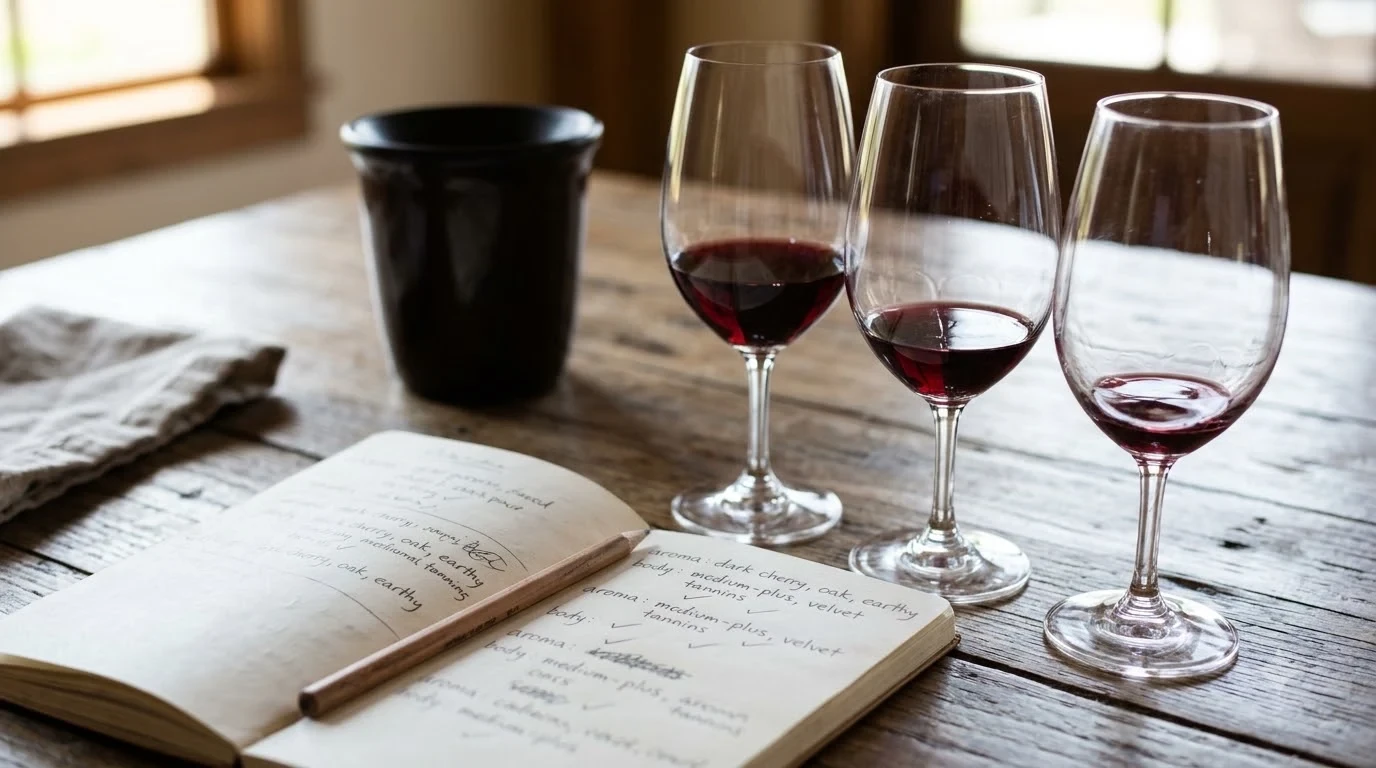
It is also sensible to keep a record of the wines sampled. Note the producer, grape variety, vintage, and a few descriptive impressions. For Pinot Noir, record whether the wine seemed particularly bright and red-fruited, darker and more structured, or savory and earthy. These distinctions will help you choose bottles later, especially if you encounter several producers working with the same grape.
Types of Martinborough Wine and Tasting Experiences Explained
Martinborough offers more than one way to understand its wine identity. Pinot Noir is the leading attraction, but Sauvignon Blanc, Riesling, Chardonnay, and other aromatic varieties provide valuable comparisons across different vineyard conditions and winemaking approaches.
Pinot Noir: The Region’s Signature Red
Pinot Noir is the most important variety to explore when visiting Martinborough. The Wairarapa regional wine association highlights the area’s free-draining soils, alluvial gravels, clay silts, and cool, dry climate as important characteristics of its winegrowing environment. These conditions contribute to the region’s reputation for concentrated, characterful wines.
Compared with high-tannin varieties such as Cabernet Sauvignon, Pinot Noir generally has low-to-medium tannin and relatively high acidity. Its structure makes it versatile at the dinner table, particularly alongside roast poultry, duck, mushrooms, and salmon. A serving temperature around 55–60 F is a useful starting point for light-bodied reds.
Ata Rangi and Martinborough Vineyard are useful starting points for visitors who want to explore the district’s Pinot Noir identity. Their tasting experiences also provide an opportunity to compare how different producers interpret the grape.
Sauvignon Blanc: Freshness and Aromatic Character
Sauvignon Blanc offers a different experience from Pinot Noir. Its high acidity and aromatic profile make it an appealing option for visitors who prefer fresh white wines. Depending on the producer and vintage, aromas can include citrus, green fruit, herbs, and tropical notes.
It works particularly well with seafood, salads, fresh goat cheese, and lighter vegetable dishes. Serve a light, fresh white at approximately 45–50 F to preserve its refreshing character without making the aromas difficult to appreciate.
Chardonnay: Texture and Structure
Chardonnay is another worthwhile variety to investigate, particularly for visitors interested in how winemaking choices influence texture. Some expressions emphasize fresh citrus and orchard fruit, while others may show more rounded texture or oak-derived notes.
Margrain and the wider Martinborough producer community provide opportunities to explore wines beyond the region’s headline red grape. Fuller-bodied whites are generally best served around 50–55 F rather than directly from an extremely cold refrigerator.
Riesling and Other Aromatic Varieties
Riesling and other aromatic grapes give Martinborough visitors another reason to explore several producers. Riesling can range from dry and crisp to noticeably sweet, with acidity playing an important role in balancing its fruit character.
Margrain is particularly interesting because its range includes Grüner Veltliner and Chenin Blanc alongside Pinot Noir. Grava is another producer identified by the regional wine association for its Pinot Noir, Riesling, and Sauvignon Blanc. These varieties make a useful contrast for anyone who wants to understand the breadth of local wine production.
For a wider comparison of American wine regions and their tasting-room experiences, see our guide to the best Fredericksburg wineries. The climates, grapes, and visitor experiences differ considerably, making the comparison useful for travelers who enjoy planning winery trips in multiple destinations.
Common Mistakes When Visiting Martinborough Wineries
The biggest planning mistakes are trying to visit too many cellar doors, overlooking booking requirements, and assuming that every winery offers the same tasting format. Martinborough’s compact layout makes several visits possible, but a slower itinerary usually provides a better understanding of the wines.
Trying to Visit Every Winery
With more than 20 cellar doors in the wider destination, it can be tempting to create a long list of stops. However, each tasting takes time, and conversations with winery staff are part of the experience. Rushing through six or seven destinations can turn a pleasant wine trip into a schedule-driven exercise.
Choose two or three priority wineries instead. If you have an entire weekend, divide your visits across separate days. This gives you more time to appreciate the wines and explore the village between appointments.
Assuming Every Tasting Is a Walk-In Experience
Some cellar doors welcome spontaneous visitors, but others operate with limited hosted sessions or appointment-based arrangements. Ata Rangi requires advance booking for its Signature Experience, while Schubert Wines asks groups of six or more to reserve. Poppies welcomes ordinary tasting visits without a booking but requires reservations for vineyard platters.
Do not confuse permission to walk in with a guarantee that a particular experience will be available. A hosted tasting, private tour, or group session may require advance arrangements even when the main cellar door is open.
Ignoring Differences in Food Service
Not every winery operates a restaurant or serves substantial food. Ata Rangi specifically focuses on wine tastings and wine education rather than offering its own food service. Visitors who want a meal should plan a separate stop rather than assume lunch will be available at every tasting room.
Poppies offers vineyard platters, and The Runholder has a restaurant. These are useful options for incorporating food into the itinerary. A planned meal also creates a natural break between tastings.
Overlooking White Wines
Another common mistake is concentrating exclusively on Pinot Noir. The region’s Sauvignon Blanc and aromatic varieties offer a broader picture of its winegrowing character. Visiting a producer such as Margrain or Grava can introduce visitors to wines that might otherwise be missed.
Forgetting Transportation and Seasonal Changes
Walking and cycling can be practical around the village, but not every winery is equally close to every other one. Check distances and transportation before the visit, and arrange a sober driver when necessary.
Also remember that cellar-door hours can change with the season. Schubert’s winter schedule, for example, distinguishes between weekday appointment visits and weekend opening hours. Holiday closures and special events can affect other producers as well.
Wine Care, Storage, and Tasting Tips After Your Visit
Good storage and serving practices help preserve the character of Martinborough wines after they leave the cellar door. Keep purchased bottles away from heat and sunlight, and serve each style at a temperature appropriate to its structure rather than treating every wine as a room-temperature drink.
For bottles intended for longer storage, a consistent environment near 55 F is a useful target. Store cork-finished bottles on their sides to keep the cork from drying out, and avoid locations with frequent temperature fluctuations. A dark wine cabinet or suitable cellar is preferable to a warm kitchen shelf or sunny countertop.
Pinot Noir is often more enjoyable when served slightly cool. A range of 55–60 F works well for lighter reds, allowing fruit and savory aromas to develop without making the alcohol seem overly prominent. If a bottle has been stored at typical room temperature, a short period in the refrigerator can help bring it closer to the preferred serving range.
White wines require different treatment. Light Sauvignon Blanc and other fresh whites are generally best served around 45–50 F. Fuller Chardonnay expressions can benefit from a slightly warmer 50–55 F serving range. Serving very cold wine can suppress its aromas and make it harder to distinguish differences between producers.
Once opened, still wines generally keep for around three to five days in the refrigerator when properly recorked. The exact period depends on the wine, storage conditions, and how much oxygen has entered the bottle. If a wine begins to lose its fruit or develop an unpleasant oxidized character, it may no longer provide the experience intended by the producer.
For visitors purchasing several bottles, consider the order in which they will be enjoyed. Fresh aromatic whites are excellent choices for near-term meals, while a well-structured Pinot Noir may be worth setting aside for a suitable dinner. If you buy a wine specifically because of a particular vintage or vineyard expression, record that information before removing its label or storing the bottle.
Food pairing is another way to get more from a Martinborough purchase. Pinot Noir works well with roast chicken, duck, mushroom dishes, and salmon. Sauvignon Blanc complements fresh seafood, herbs, and salads. Riesling can work with dishes that have a little sweetness or spice, provided the wine’s sweetness and acidity are considered alongside the food.
When matching wine with dessert, select a wine at least as sweet as the dessert itself. For acidic dishes, look for wine with equal or higher acidity. These simple principles help prevent food from making a wine taste unexpectedly flat, sour, or harsh.
Finally, keep a tasting notebook or digital list of your purchases. Record the producer, grape, vintage, and the occasion for which you bought each bottle. This makes it easier to revisit a favorite Martinborough wine or choose a different producer the next time you travel through Wairarapa.
Frequently Asked Questions
What makes Martinborough Pinot Noir different from other New Zealand Pinot Noir?
Martinborough is particularly associated with wines from its free-draining terrace soils and cool, dry growing conditions. Its Pinot Noir reputation is built around concentration, structure, and distinctive savory character. Comparisons with Central Otago or Marlborough can be interesting because each region has different growing conditions and stylistic tendencies.
Is Martinborough suitable for a weekend wine trip from Wellington?
Yes. Martinborough is a popular wine getaway for Wellington visitors, and its concentration of cellar doors makes it practical for a short stay. The Wairarapa region also has accommodation, restaurants, and other rural attractions, so visitors can plan activities beyond wine tasting. Arrange transportation in advance if you intend to sample wine throughout the weekend.
Can visitors buy older vintages directly from Martinborough wineries?
Some producers offer access to older wines through selected experiences or cellar-door releases. Ata Rangi’s Signature Experience can include older vintages from its wine cellar that are not part of its regular retail offering. Availability varies, so visitors interested in particular vintages should contact the venue before traveling.
What is the Martinborough Terrace?
The Martinborough Terrace is an important winegrowing area associated with the region’s distinctive alluvial soils. Its gravel-rich terrain and free-draining characteristics are part of the explanation for Martinborough’s established Pinot Noir reputation. The terrace also provides the setting for several historic vineyards, including Martinborough Vineyard’s Home Block.
Are there wineries in Martinborough that offer experiences for non-drinkers?
Some venues offer alternatives to wine tasting, although the selection differs by property. The Runholder combines its winery experience with Lighthouse Gin and restaurant facilities, while individual venues may have other drinks or food available. Contact the winery beforehand if a member of your group needs a specific nonalcoholic option.
The best Martinborough wineries reward visitors who take time to compare producers rather than rushing between tasting rooms. Start with Ata Rangi or Martinborough Vineyard for Pinot Noir, add Poppies or The Runholder for a relaxed food-and-wine experience, and include Margrain or Schubert Wines for a broader understanding of the region. With a few well-chosen stops and confirmed reservations, Martinborough makes an excellent introduction to the wines of Wairarapa.
More in Wine Buying Guides
 Riesling Gift: Choose a Bottle They’ll LoveUpdated Nov 21, 2026
 Sweet Red Wine Gift: Choose a Bottle They’ll LoveUpdated Nov 21, 2026
 Malbec Gift: How to Choose a Memorable Bottle for Any OccasionUpdated Nov 21, 2026
 Sherry Gift Ideas That Match Every Wine LoverUpdated Nov 21, 2026
 Moscato Gift: How to Choose a Sweet Wine They’ll LoveUpdated Nov 21, 2026
 Merlot Gift: How to Choose a Bottle They’ll AppreciateUpdated Nov 21, 2026