

We may earn a commission when you buy through links on this page, at no extra cost to you. Learn more.
The wairarapa wine region in southeastern New Zealand’s North Island is best known for elegant, structured Pinot Noir, distinctive Sauvignon Blanc, and boutique wineries across Martinborough, Gladstone, and Masterton. Located a little over an hour from Wellington, this compact wine-producing area benefits from a relatively dry climate, warm summers, cool nights, and free-draining river terraces. Its combination of distinctive vineyard sites and small-scale producers makes it one of New Zealand’s most interesting destinations for Pinot Noir lovers.
Wairarapa offers considerably more than its best-known red wine. Its vineyards produce expressive Chardonnay, aromatic whites, Syrah, and dessert wines, with meaningful differences between the region’s three principal growing areas. Understanding the landscape, climate, grapes, and individual subregions makes it easier to recognize what distinguishes a bottle of Wairarapa wine and which styles deserve attention.
Where the Wairarapa Wine Region Is Located
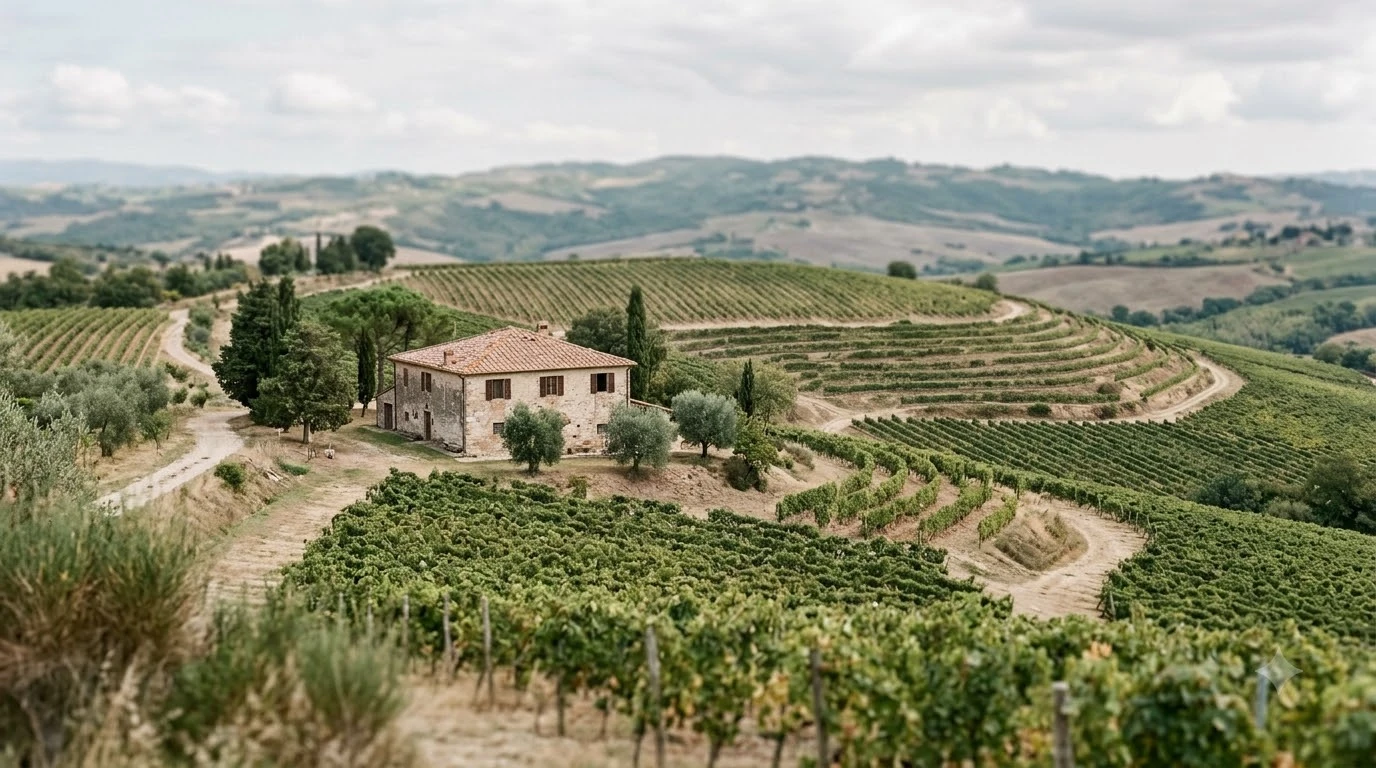
Wairarapa occupies the southeastern part of New Zealand’s North Island, east of Wellington and beyond the Tararua and Rimutaka ranges. Its position between inland mountain country and the Pacific-influenced coastline creates a distinctive growing environment for cool-climate grape varieties.
The region takes its name from the Māori expression commonly translated as glistening waters. The Ruamahanga River is an important geographical feature, running through the wine-growing districts before reaching Palliser Bay. Its historical river systems have deposited gravels, silt, and clay across the surrounding terraces, creating different soil conditions for vineyards.
Wairarapa is close enough to Wellington to make wine tourism practical without requiring a long domestic flight or an extended road journey. The drive generally takes a little over an hour, depending on the destination and traffic. Martinborough is particularly popular with visitors from the capital, while Gladstone and Masterton offer additional opportunities to explore vineyards outside the best-known wine village.
The region is comparatively small in the context of New Zealand’s national wine industry. That limited scale is part of its identity: boutique wineries, distinctive vineyard sites, and relatively small production volumes contribute to a strong emphasis on individual producers rather than mass-market wine styles.
Wine drinkers familiar with the broader geography of New Zealand can also explore the Tasmania wine region for another southern-hemisphere comparison of cool-climate varieties and maritime influences. Although Tasmania is in Australia, its Pinot Noir and Chardonnay provide an interesting contrast with Wairarapa’s North Island expressions.
For a wider understanding of geographical influences on wine styles, the site’s Wine Regions resource provides useful context for comparing climates, soils, grape varieties, and regional identities.
Climate, Soil, and the Character of Wairarapa Wine
Wairarapa’s wines are shaped by a semi-maritime climate, pronounced differences between daytime and nighttime temperatures, and frequent exposure to strong winds. Free-draining alluvial terraces and variations in clay and silt create additional distinctions between vineyard sites.
The Tararua ranges to the west help shelter the growing area from some incoming weather systems, contributing to relatively dry conditions. Summers are generally warm, while nights remain comparatively cool. This temperature variation supports the gradual development of grape flavors while helping preserve natural acidity.
Strong winds are another important part of the region’s viticulture. Wind exposure can reduce fruit set and yields, particularly during flowering, and can encourage thicker grape skins. For Pinot Noir, these conditions can contribute to concentrated fruit, more pronounced structure, and noticeable but finely developed tannins.
Soils vary considerably. Martinborough’s famous terraces contain alluvial gravels and clay silts, while Gladstone has stony silt loams mixed with clay. Masterton also contains a range of soil types, including gravelly river deposits, limestone, and areas with higher clay content.
These differences matter because drainage influences vine growth and water availability. A well-drained gravel terrace can produce a different expression of Pinot Noir from a vineyard with greater clay content, even when both sites experience broadly similar weather.
According to New Zealand Wine’s regional information, Wairarapa receives approximately 1,915 hours of annual sunshine and 979 millimeters of average annual rainfall. These figures help illustrate the combination of sunshine and relatively dry growing conditions that characterizes the region.
Tip: When comparing Wairarapa Pinot Noir, pay attention to the vineyard location as well as the producer. Wines from Martinborough, Gladstone, and Masterton can differ in fruit expression, acidity, texture, and overall structure, even when made from the same grape variety.
These environmental characteristics also explain why Wairarapa is frequently compared with Burgundy. Both regions have developed reputations for Pinot Noir and Chardonnay, although their individual vineyard conditions, weather patterns, and winemaking traditions are not identical. The comparison is most useful as a reference for understanding the emphasis on site expression and structured, cool-climate wines.
Martinborough: The Region’s Famous Pinot Noir District
Martinborough is the southernmost of Wairarapa’s three principal wine subregions and the name most closely associated with the area’s international wine reputation. Its free-draining terraces, cool and relatively dry conditions, and concentration of boutique wineries make it an important destination for Pinot Noir.
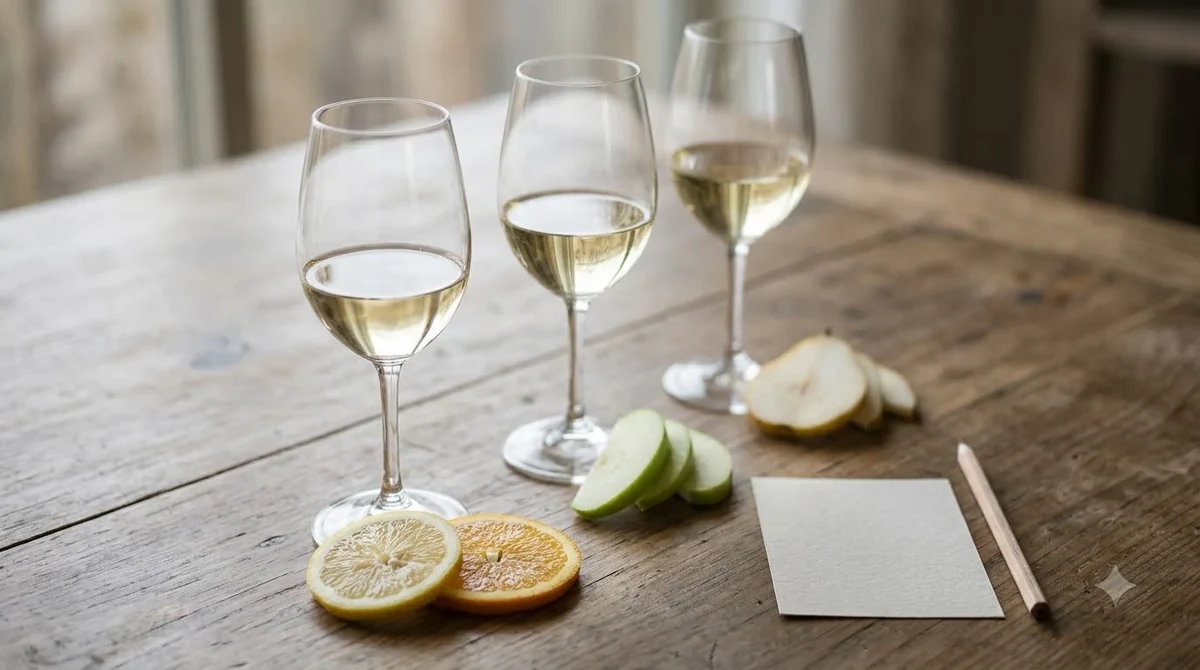
The modern wine industry around Martinborough developed in the late 1970s and early 1980s. Dr. Derek Milne investigated New Zealand’s climatic conditions and identified the area as particularly promising for grape growing, partly because of its similarities to Burgundy. Martinborough Vineyards, Dry River, and Ata Rangi were among the pioneering producers that helped establish the district’s reputation.
The area’s alluvial terraces contain gravel and clay silt. These soils provide drainage while supporting the production of small, concentrated berries. The resulting Pinot Noir can show a combination of red and dark fruit, earthy or savory details, spice, and fine tannins.
Martinborough Pinot Noir is not simply about ripe fruit. Many examples emphasize freshness and savory complexity, with acidity helping balance the wine’s texture and structure. Depending on the producer, vineyard, and vintage, the wine may display cherry, raspberry, plum, dried herbs, mushroom, or subtle earthy notes.
Several established producers help demonstrate the range of Martinborough styles:
- Ata Rangi: One of the pioneering producers associated with the modern development of Martinborough Pinot Noir.
- Dry River: An early regional winery known for its contribution to Martinborough’s reputation for distinctive wines.
- Martinborough Vineyard: One of the original modern wine ventures in the district.
- Escarpment: A producer associated with the Te Muna Road area and site-focused Pinot Noir.
- Palliser Estate: Another established name in the Martinborough wine community.
Martinborough is also particularly convenient for wine tourism. The local wine association identifies more than 20 cellar doors, many within walking or cycling distance of the village square. This makes it possible to visit several tasting rooms without driving between every winery.
Visitors can find more information about the district’s geography and wineries through the official Martinborough regional wine guide.
Although Pinot Noir is the leading attraction, Sauvignon Blanc, Chardonnay, Syrah, and aromatic whites are also produced. These wines provide a useful opportunity to compare different expressions of the same local climate and vineyard landscape.
Gladstone and Masterton: Two Other Important Subregions
Gladstone and Masterton extend Wairarapa’s wine identity beyond Martinborough, offering different vineyard settings and a broader selection of wine styles. Both areas benefit from the region’s warm summers and cool nights, but their individual soils and weather patterns influence the wines they produce.
Gladstone: River Terraces and Aromatic Wines
Gladstone lies south of Masterton and is associated with free-draining river terraces, stony silt loams, and clay-influenced soils. The combination provides suitable conditions for Pinot Noir, Sauvignon Blanc, and aromatic grape varieties.
Compared with Martinborough’s more internationally recognized wine village, Gladstone has a quieter agricultural character. Its vineyards are spread across a rural landscape, with the Ruamahanga River and its historical deposits contributing to the area’s viticultural identity.
Pinot Noir remains important, but Gladstone also deserves attention for its white wines. Sauvignon Blanc can show fresh acidity and aromatic intensity, while other aromatic varieties provide alternatives for people who prefer floral, citrus-driven, or fruit-focused wines.
The Gladstone Vineyard describes strong northwesterly winds as an important influence on its growing conditions. These winds can reduce crop levels during flowering and contribute to smaller berries, while warm summer days and cool nights support the development of balanced fruit flavors.
The area’s harvest festival takes place each March, providing a seasonal opportunity to discover local wine and food. Producers such as Gladstone Vineyard and Urlar help demonstrate the diversity of the district.
Masterton: Historic Plantings and Varied Soils
Masterton is Wairarapa’s largest town and the northernmost of its three principal wine subregions. It has a particularly important place in the region’s history because it was the first area where grapes were planted.
The Lansdown Estate site is associated with New Zealand’s earliest Pinot Noir plantings in the 1880s. Although the modern industry developed much later, this early history illustrates how long the area has been considered suitable for grape growing.
Masterton experiences early morning frosts during cooler months, while summer temperatures can be among the warmest in Wairarapa. Its proximity to the Tararua ranges and its range of vineyard elevations and soil conditions create opportunities for different expressions of Pinot Noir, Sauvignon Blanc, and other varieties.
Opaki is an important rural wine-growing area near Masterton. Its vineyards sit among agricultural land, and local soils include gravelly deposits, clay, and limestone. These differences can influence wine weight, acidity, and aging potential.
Matahiwi is one of the larger producers associated with the northern district, while smaller vineyard holdings contribute additional variety. Masterton may receive less attention from international Pinot Noir enthusiasts than Martinborough, but it is an important part of understanding Wairarapa as a whole.
The three subregions should therefore be viewed as complementary rather than interchangeable. Martinborough provides the region’s most recognizable Pinot Noir identity, Gladstone contributes a distinct rural vineyard character, and Masterton adds historical depth and a wider range of growing conditions.
Principal Grapes and Wine Styles to Discover
Pinot Noir is the signature variety of Wairarapa, but Sauvignon Blanc, Chardonnay, Pinot Gris, Syrah, and other aromatic grapes contribute to the region’s overall identity. The best way to understand its range is to consider the characteristic style of each variety rather than assuming every bottle tastes alike.
Pinot Noir
Pinot Noir is the region’s most important red grape and the variety most closely associated with Martinborough’s reputation. Wairarapa examples commonly combine red cherry, raspberry, plum, savory herbs, spice, and earthy characteristics.
The wines generally have low-to-medium tannin compared with varieties such as Cabernet Sauvignon or Syrah, but their acidity and fine structure can provide considerable persistence. Better examples can develop additional complexity with bottle age, including dried fruit, forest-floor, and mushroom-like notes.
Producer choices are important. Some wines emphasize fresh red fruit and immediate appeal, while others use vineyard selection, oak maturation, and extended aging to create more structured expressions.
Sauvignon Blanc
Wairarapa Sauvignon Blanc is an excellent alternative to the more widely recognized New Zealand examples from Marlborough. It typically displays lively acidity, citrus, herbaceous aromas, and tropical fruit, with a textural or mineral dimension.
Expect possibilities such as grapefruit, lime, passion fruit, fresh herbs, and green citrus. The balance between fruit intensity and freshness makes the variety suitable for seafood, salads, and dishes featuring herbs or citrus dressings.
Chardonnay
Chardonnay offers another important expression of the region’s cool-climate conditions. Wairarapa examples can combine citrus, stone fruit, savory characteristics, minerality, and balanced acidity.
Winemaking choices can make a substantial difference. Some examples emphasize fresh fruit and clean acidity, while others use oak maturation or lees contact to introduce additional texture and complexity.
Pinot Gris and Aromatic Whites
Pinot Gris is particularly interesting because the region’s growing season allows producers to explore several styles. Dry examples can be fresh and rounded, while late-harvest and botrytized wines offer greater richness and sweetness.
Riesling and Gewürztraminer are additional aromatic varieties worth exploring. Depending on the wine, they can offer floral aromas, citrus, orchard fruit, spice, and different levels of residual sugar.
Syrah and Other Reds
Syrah is a smaller but interesting part of the regional wine portfolio. It generally produces a more structured red than Pinot Noir, with darker fruit, pepper, spice, and more noticeable tannins.
Its character makes it particularly useful for comparing the differences between Wairarapa’s lighter, more aromatic red wines and its fuller-bodied expressions.
| Grape variety | Typical characteristics | Style and structure |
|---|---|---|
| Pinot Noir | Cherry, raspberry, spice, earth | Light to medium body; low-medium tannin |
| Sauvignon Blanc | Citrus, herbs, tropical fruit | Fresh, aromatic, high acidity |
| Chardonnay | Citrus, stone fruit, savory notes | Medium body; medium acidity |
| Pinot Gris | Pear, apple, citrus, floral notes | Dry to sweet; generally medium acidity |
| Riesling | Lime, citrus, floral aromas | High acidity; dry to sweet |
| Syrah | Black fruit, pepper, spice | Medium-plus to high tannin |
| Gewürztraminer | Floral aromas, lychee, spice | Aromatic; dry to off-dry or sweet |
These are general style descriptions rather than fixed rules. Climate, vineyard location, harvest conditions, and cellar techniques can all influence the final wine. For a broader comparison of regional varieties, the Savoie wine region also offers an interesting perspective on how mountain conditions influence the character of cool-climate wines.
How to Pair Wairarapa Wines with Food
Wairarapa wines are particularly versatile at the dinner table because the region produces both fresh, high-acidity whites and structured but relatively elegant reds. Matching the wine’s acidity, tannin, body, and sweetness to the food is more useful than relying solely on grape names.
Pinot Noir with Meat and Mushrooms
Wairarapa Pinot Noir works particularly well with roasted chicken, duck, pork tenderloin, grilled salmon, and mushroom-based dishes. Its moderate body and relatively restrained tannins allow it to complement food without overwhelming delicate flavors.
Mushroom risotto is another particularly good pairing. The savory character of the mushrooms complements the earthy qualities that can appear in Pinot Noir, while the wine’s acidity helps balance the richness of butter and cheese.
For a more substantial meal, consider roast lamb with rosemary or grilled pork with roasted vegetables. These dishes provide enough flavor to match the wine’s structure without requiring the powerful tannins associated with fuller-bodied reds.
Sauvignon Blanc with Seafood and Vegetables
Sauvignon Blanc is a natural choice for oysters, grilled white fish, shrimp, scallops, and dishes featuring fresh herbs. Its high acidity provides a refreshing contrast to seafood and helps balance citrus-based sauces.
It also pairs well with goat cheese, asparagus, green salads, and vegetable dishes seasoned with parsley, basil, or coriander. The key is to match the acidity of the wine with the acidity of the food, particularly when lemon juice or vinegar is involved.
For a simple meal, grilled fish with lemon and herbs is a dependable option. The wine’s freshness complements the seafood while its aromatic character echoes the seasoning.
Chardonnay with Richer Dishes
Wairarapa Chardonnay can accompany roast chicken, grilled lobster, creamy pasta, and seafood prepared with butter-based sauces. The wine’s texture and acidity provide enough substance to complement richer ingredients without making the pairing feel heavy.
More restrained Chardonnay styles are especially good with simply prepared fish and shellfish. Fuller examples can work with roasted poultry, grilled vegetables, and dishes featuring mushrooms or cream.
Pinot Gris and Aromatic Wines with Spicy Food
Dry Pinot Gris and aromatic whites are useful with Asian-inspired dishes, lightly spiced poultry, and vegetable preparations. Wines with a little residual sweetness can work particularly well with moderately spicy food because the sweetness helps soften the perception of heat.
For strongly spicy dishes, avoid choosing a highly alcoholic, tannic red. Alcohol and tannin can amplify the sensation of chili heat, making the meal less comfortable. A fresh, lower-alcohol aromatic white is generally a better starting point.
Syrah with Grilled and Roasted Dishes
Wairarapa Syrah can accompany grilled lamb, beef, sausages, and roasted vegetables. Its darker fruit and peppery character work particularly well with herbs, black pepper, and savory seasoning.
Salt and fat can soften the perception of tannin, making grilled meats and richer preparations useful companions for more structured red wines. However, tannic reds are less suitable for oily fish, where the combination can create an unpleasant metallic impression.
Sweet wines require a different approach. A late-harvest Pinot Gris or botrytized white should generally be at least as sweet as the dessert. Fruit tarts, poached pears, and blue cheese can provide interesting alternatives to very sweet desserts.
Serving, Storing, and Visiting Wairarapa Wines
Proper serving temperatures and storage conditions help preserve the freshness and aromatic character of Wairarapa wines. Visiting the region also offers a useful way to understand the differences between individual vineyards and producers.
Serving Temperatures
Pinot Noir should generally be served slightly cool rather than at warm room temperature. A temperature of 55–60°F helps preserve its freshness and makes its red-fruit and savory characteristics easier to appreciate.
Fuller-bodied Syrah can be served at approximately 60–65°F. Serving it too warm can emphasize alcohol, while excessive chilling can make the tannins seem more prominent and reduce aromatic expression.
Sauvignon Blanc is best served around 45–50°F, while Chardonnay generally benefits from a slightly warmer 50–55°F range. Pinot Gris can also be served around 45–50°F, depending on its body and sweetness.
Storage and Decanting
Store unopened bottles in a cool, dark location with a relatively consistent temperature near 55°F. Bottles with natural cork closures should generally be kept on their sides to maintain contact between the cork and the wine.
Young, structured Pinot Noir does not always require decanting, but a more concentrated example may benefit from approximately 15–30 minutes of aeration. Young, full-bodied Syrah can benefit from a longer decant of 30–60 minutes.
Once opened, still wines generally remain in good condition for approximately three to five days when properly resealed and refrigerated. The exact period depends on the wine’s age, structure, and exposure to oxygen.
Planning a Wine Visit
Martinborough is the most straightforward starting point for a first visit. With more than 20 cellar doors and many located within walking or cycling distance of the village square, visitors can arrange a relaxed tasting itinerary without spending the entire day traveling between vineyards.
For visitors interested in the wider region, Gladstone and Masterton offer a different experience. Their more dispersed vineyards provide opportunities to discover smaller producers and compare wines from different soil conditions.
A practical itinerary can begin in Martinborough, continue north toward Gladstone, and finish around Masterton. This allows visitors to experience all three principal wine areas while also enjoying the rural landscapes and towns that give Wairarapa its identity.
It is sensible to arrange tasting appointments in advance, especially for smaller wineries or group visits. Cellar-door schedules can vary, and some producers operate primarily by appointment or on selected days.
For a first visit, a focused tasting of two or three wines at each stop is often more useful than trying to visit too many wineries. Comparing a Martinborough Pinot Noir with one from Gladstone, followed by a regional Sauvignon Blanc and Chardonnay, provides a practical introduction to the area’s main styles.
Allow time for food as well as wine. The towns and vineyard properties offer opportunities to enjoy local dining, making the region suitable for a relaxed weekend rather than simply a short series of tasting appointments.
Frequently Asked Questions
What does Wairarapa mean in Māori?
Wairarapa is commonly translated as “glistening waters.” The name is associated with the region’s waterways and the landscape surrounding the Ruamahanga River. The Māori name reflects the area’s geographical identity and its longstanding connection with local rivers and natural resources.
How many official wine regions does New Zealand have?
New Zealand has 11 official wine regions recognized through geographical indications. These include Wairarapa, Marlborough, Hawke’s Bay, and Central Otago. Geographical indications provide a framework for identifying the origin of wines and distinguishing recognized growing areas.
What is the best-known annual wine event in Martinborough?
Toast Martinborough is a well-known annual wine and food festival associated with the district. It brings together local wineries and food producers for a regional celebration. Festival arrangements and participation can vary, so visitors should consult the event’s official information before planning a trip.
Is Wairarapa recognized as a geographical indication?
Yes. Wairarapa is a recognized New Zealand geographical indication, and its named subregions include Martinborough and Gladstone. These geographical names help identify the origin of wine grapes and provide consumers with information about regional provenance.
Which New Zealand wine region is geographically closest to Wairarapa?
Wellington is a recognized wine region located in the broader lower North Island area, and its wine-growing districts are geographically associated with the same general part of the country. Wairarapa is also relatively close to Hawke’s Bay to the north. The exact distance depends on the vineyard and town used as the starting and ending points.
The Wairarapa wine region combines a distinctive Pinot Noir tradition with a diverse selection of white wines, Syrah, and smaller-scale specialist producers. Martinborough provides the best-known introduction, while Gladstone and Masterton reveal the additional vineyard character that makes the wider region interesting. For wine drinkers seeking expressive New Zealand wines beyond the familiar names of Marlborough and Central Otago, Wairarapa deserves a place on the tasting list.
More in Wine Regions
 Willcox Wine Trail: Discover Arizona’s High-Elevation Wine CountryUpdated Nov 20, 2026
 Yakima Valley Wine Region: Find the Best Styles to TryUpdated Nov 20, 2026
 Vosne Romanee Wine Tasting: Identify Aromas and Choose Better PairingsUpdated Nov 20, 2026
 Yakima Valley Wine Festival: Find the Best Seasonal Wine EventsUpdated Nov 20, 2026
 Wales Vineyards: Discover Cool-Climate Wines and Where to VisitUpdated Nov 20, 2026
 Yountville Wine Festival: Discover Napa Wines and Local FoodUpdated Nov 20, 2026