

We may earn a commission when you buy through links on this page, at no extra cost to you. Learn more.
Martinborough wine comes from a small, cool-leaning valley in New Zealand’s Wairarapa region, and it is best known for Pinot Noir. The town is in the Wairarapa, and its vineyards follow old riverbeds where free-draining soils suit Pinot Noir, Sauvignon Blanc and Syrah. Most bottles are made by small family estates, so the styles vary more than the region’s size would suggest.
This guide explains what Martinborough wine tastes like, why the valley’s climate matters, which producers are worth knowing about, and how to enjoy the wines at home or on a visit. It is written for buyers who see the name on a shelf and want to know what they are getting.
What Martinborough wine is
Martinborough wine is simply wine grown in and around the town of Martinborough, which is part of the larger Wairarapa wine region on New Zealand’s North Island. The town began as a rural service centre for nearby farms, and grape growing expanded over the decades until it became the identity of the place. Today the valley is recognized as one of New Zealand’s most distinctive red wine districts.
The name appears on labels from a number of estates, some of them small enough to sell most of their output through a cellar door or a local mailing list. That is part of the appeal. Martinborough is not a region of very large brands, so drinkers tend to meet the people who made the wine.
Where Martinborough grows its grapes
The vineyards sit on a warm micro-climate with hills to the east and west. Rows form thin strips on the northern and eastern edges of town and run along the Dry River to the south, following the dry riverbeds that left gravelly, well-drained soils behind. Good drainage matters here because it keeps vines from waterlogging and helps the grapes ripen steadily.
The regional climate is often compared with Burgundy, and the comparison is useful for buyers. Cool nights and a long, slow ripening period help the wines keep their acidity, which is one reason Martinborough reds can feel precise rather than heavy. The valley’s cooler, drier conditions also reduce the risk of rot, so growers can pick the fruit when the flavors are ready.
Key grapes and styles
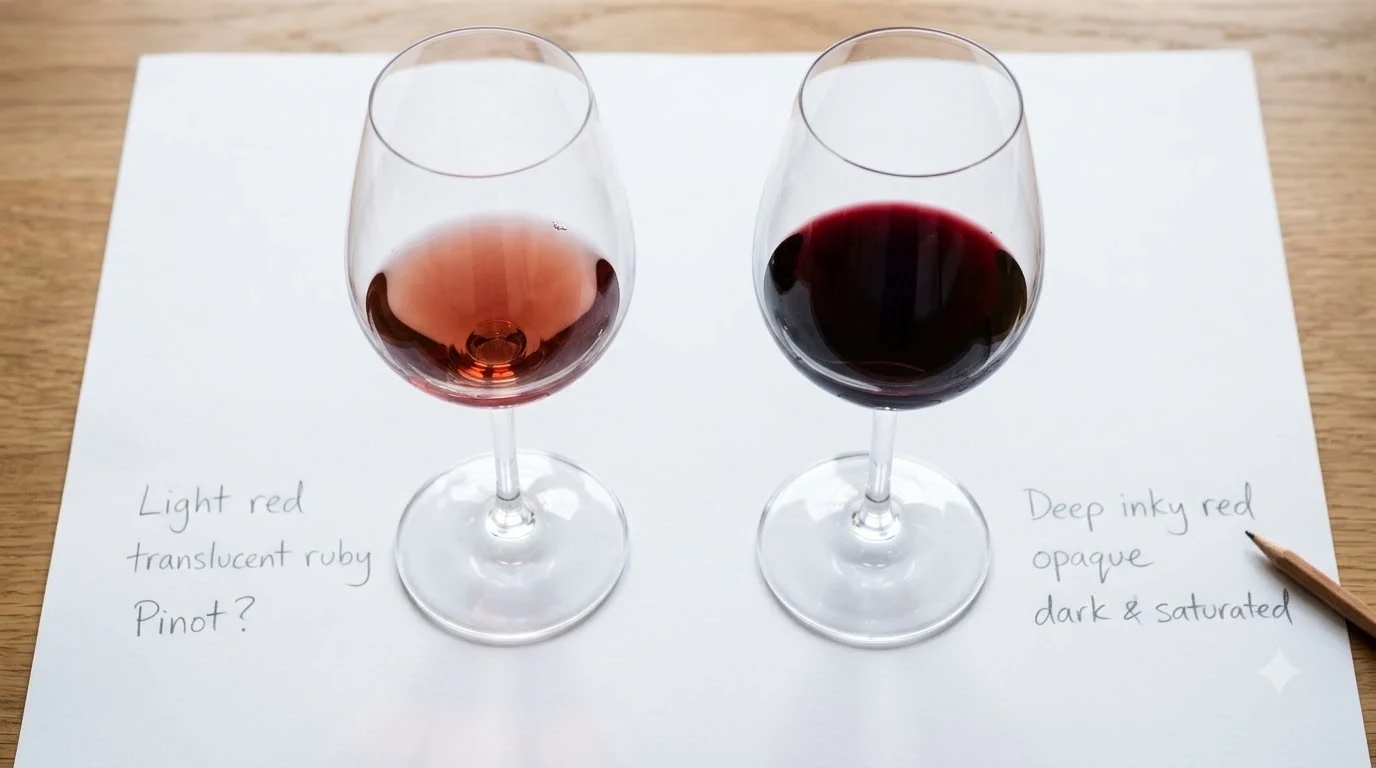
Pinot Noir is the region’s signature. Wine producers in the Wairarapa describe it as the flagship red, with a rich, warm, savoury profile. In Martinborough the fruit often shows red cherry, plum and earthy notes, with silky tannins and enough acidity to carry a meal. Syrah appears in smaller quantities and tends toward dark fruit and pepper.
Sauvignon Blanc is the region’s bright white. Producers describe it as intense and vivid, with a mix of herbal and tropical notes. Chardonnay is more complex, with good acidity, citrus and savoury flavors. Pinot Gris and aromatic whites round out the list, and a few producers make dessert wines when conditions allow.
| Wine | Typical profile | Good with |
|---|---|---|
| Pinot Noir | Red cherry, earth, silky tannins | Roast chicken, mushrooms, salmon |
| Sauvignon Blanc | Herbal, citrus, tropical fruit, crisp acidity | Goat cheese, shellfish, green salads |
| Chardonnay | Citrus, savoury notes, balanced oak or none | Creamy pasta, roast pork, grilled fish |
| Syrah | Dark fruit, black pepper, smoky finish | Lamb, barbecue, hard cheese |
Tip: If you are new to the region, start with a Pinot Noir and a Sauvignon Blanc from different producers. The two wines show the valley’s range faster than any single bottle.
Notable producers
Several estates have helped define the valley. Ata Rangi, Martinborough Vineyard, Palliser Estate, Dry River, Te Kairanga, Schubert and Craggy Range are among the names that appear most often in regional coverage. Each has its own approach, from older vines and hand-harvested fruit to more modern winemaking, so tasting across a few houses is the easiest way to learn the local style.
Because production is small, supply can change quickly from year to year. Check the producer’s website or cellar door for current releases, and do not be surprised if a favorite vintage sells out early.
Visiting Martinborough
The town is compact and easy to explore on foot or by bike. Many cellar doors are a short walk from the square, and tasting is often relaxed, with staff happy to explain how a wine was made. Plan for a full day if you want to visit more than three or four estates.
Timing matters. The Toast Martinborough wine festival takes place each November and draws large crowds, so expect busy tasting rooms and book accommodation early. Spring and autumn are quieter, and the vineyards look especially good when the vines are in leaf. Many visitors combine a day of tastings with a walk along the Dry River track, which gives a clear view of how the gravel terraces and vine rows sit in the landscape. If you are driving, plan your tastings with a designated driver or a shuttle, and leave the wine you do not finish with someone who will not be driving.
How to serve and pair Martinborough wine
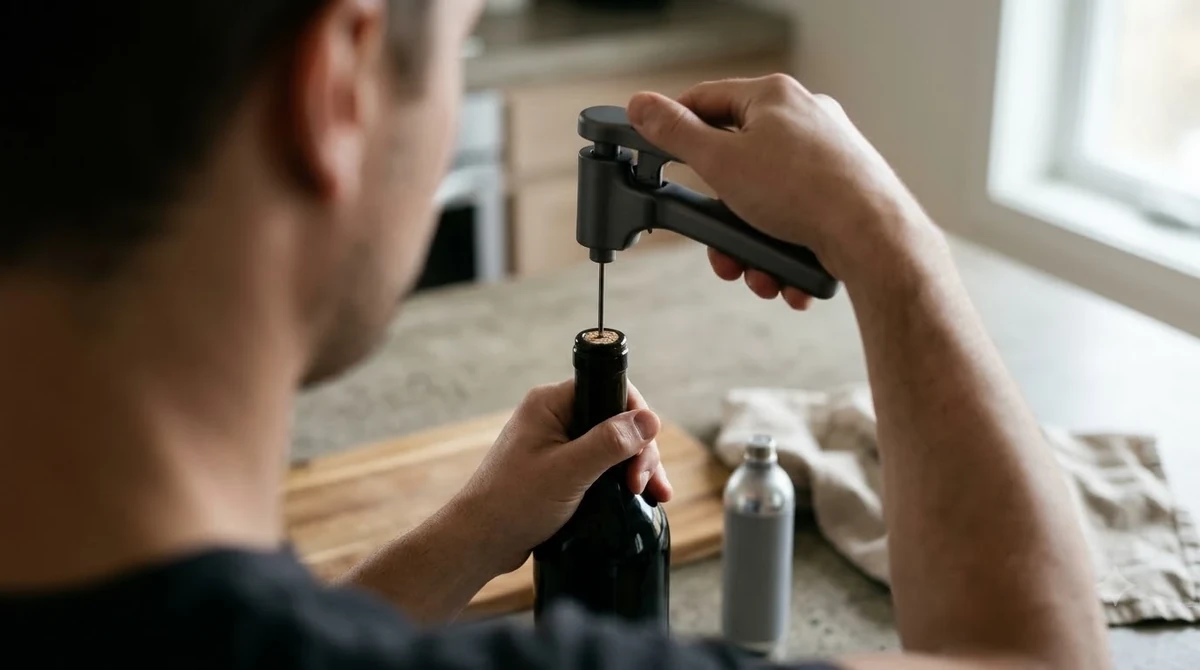
Serve Pinot Noir slightly cool, not cold, and open the bottle about 20 minutes before drinking if it is young and firm. Sauvignon Blanc should be chilled but not icy, so its aromas can come through. A Syrah from the valley can benefit from a short decant if it is young.
For food, Pinot Noir works with a wide range of dishes, from mushroom risotto to roast duck. Sauvignon Blanc matches goat cheese, seafood and fresh herbs. If you are buying a bottle to take to a dinner, a Martinborough Pinot Noir is usually a safe choice for mixed guests.
Common mistakes when buying Martinborough wine
The most common mistake is treating Martinborough as a single style. Two Pinot Noirs from neighboring estates can taste quite different because of clone choice, vine age, the share of whole-bunch fermentation and how long the wine spent in oak. Reading the producer’s tasting notes and checking the vintage will tell you more than the region name alone.
Another mistake is assuming that a young Pinot Noir should be cellared for many years. Many bottles are made to be enjoyed within a few years of release, while top estates can improve with age. Ask the cellar staff or check the producer’s recommended drinking window before you decide to store a bottle.
Buyers also sometimes overlook the white wines. Sauvignon Blanc from the Wairarapa has a distinct character that many people find more expressive than other New Zealand styles, and it is a practical choice for a warm afternoon or a seafood dinner.
Frequently Asked Questions
Is Martinborough known for red or white wine?
Red wine, especially Pinot Noir, is the region’s best-known style. White wines, particularly Sauvignon Blanc and Chardonnay, are also widely made and well regarded.
Why is Martinborough compared to Burgundy?
The valley has a climate and soil profile often described as similar to Burgundy’s, with cool, dry conditions and free-draining soils. Growers use that similarity to explain why Pinot Noir does well there.
How does Martinborough compare with other Pinot Noir regions?
Martinborough Pinot Noir is usually described as elegant and savoury rather than heavy. Styles differ by producer, so tasting a few bottles side by side is more useful than comparing regions on paper.
When is the best time to visit Martinborough for wine?
November brings the Toast Martinborough festival, but it is also the busiest month. Autumn and spring offer quieter visits with easier access to cellar doors and less crowding in town.
Martinborough rewards curiosity. Start with the region’s Pinot Noir, add a Sauvignon Blanc for contrast, and then explore the producers that interest you. For more background on the valley’s neighbors and other wine areas, see the Wine Regions guide, and if you plan to visit in person, the martinborough vineyards page is a good next step. For the broader regional picture, the New Zealand Wine regional guide to Wairarapa describes the climate and key styles in more detail.
More in Wine Regions
 Willcox Wine Trail: Discover Arizona’s High-Elevation Wine CountryUpdated Nov 20, 2026
 Yakima Valley Wine Region: Find the Best Styles to TryUpdated Nov 20, 2026
 Vosne Romanee Wine Tasting: Identify Aromas and Choose Better PairingsUpdated Nov 20, 2026
 Yakima Valley Wine Festival: Find the Best Seasonal Wine EventsUpdated Nov 20, 2026
 Wales Vineyards: Discover Cool-Climate Wines and Where to VisitUpdated Nov 20, 2026
 Yountville Wine Festival: Discover Napa Wines and Local FoodUpdated Nov 20, 2026