


We may earn a commission when you buy through links on this page, at no extra cost to you. Learn more.
The martinborough wine festival, officially known as Toast Martinborough, is a celebrated New Zealand wine, food, and music event showcasing Martinborough and the wider Wairarapa wine region. It brings together established wineries, distinctive regional wines, food producers, and live entertainment for a festival experience centered on New Zealand wine culture. The event’s move to a single-site format at The Runholder has also created a different way to explore participating producers without traveling between individual vineyard venues.
Martinborough is one of New Zealand’s best-known destinations for Pinot Noir, but its appeal extends well beyond a single grape variety. Its boutique vineyards, distinctive growing conditions, and welcoming village atmosphere make the region an appealing destination for wine enthusiasts. Understanding the festival’s format, participating producers, regional wine styles, and travel arrangements helps visitors plan a rewarding experience, whether attending the main celebration or extending their stay into a longer Wairarapa wine-country visit.
What Makes Toast Martinborough a Special Wine Festival?
Toast Martinborough brings together wine, food, and entertainment in a celebration of the Wairarapa region’s wine culture. Its identity is closely connected to Martinborough’s reputation for quality vineyard production and the community of producers responsible for its distinctive wines.
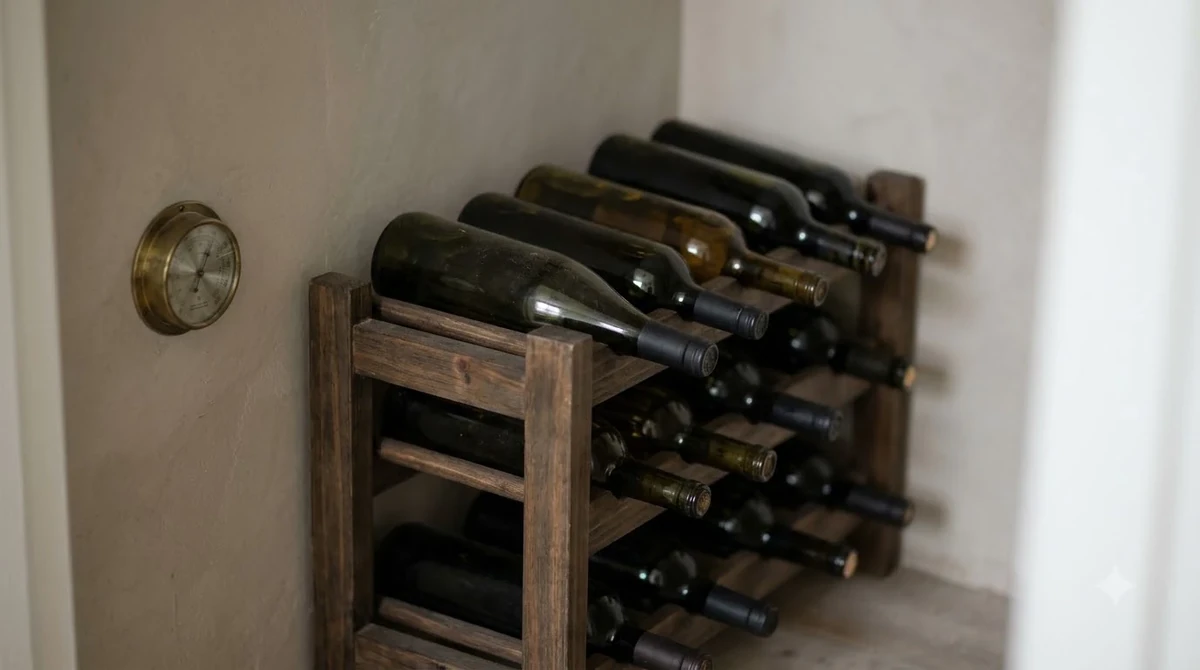
The festival has a history extending beyond three decades. It developed a following among New Zealand wine enthusiasts by combining vineyard visits, regional hospitality, and opportunities to discover wines from producers that have helped establish Martinborough’s reputation. The event has traditionally been associated with the late-spring wine-country calendar, attracting visitors from Wellington and other parts of New Zealand.
One important development is the move to a centrally organized festival. Previously, visitors experienced Toast through multiple vineyard venues, moving between participating wineries throughout the day. The newer format brings the celebration together at The Runholder, creating a central destination for wine bars, food vendors, performances, and gathering spaces.
According to the official festival FAQs, the single-site arrangement is intended to create a more cohesive experience, improve accessibility, and strengthen cooperation between wineries and food partners. Instead of organizing a route between several vineyards, attendees can explore participating producers within one festival setting. This is particularly convenient for visitors who want to sample different regional wines while spending time with friends and enjoying the entertainment. The official Toast Martinborough festival FAQs provide further information about the format, participating wineries, and event arrangements.
The 2026 event took place on Saturday, November 14, from noon until 6 p.m. at The Runholder. Its program included wine, gin, local beer, food, and live performances. This edition also marked a change from the traditional Sunday format to Saturday, providing more flexibility for visitors planning their return journeys and weekend accommodation.
Although the festival has evolved, its central purpose remains connected to the wines and hospitality of the Wairarapa region. Visitors interested in comparing different wine destinations can also explore events such as the Indiana wine festival, which offers a different perspective on regional wine culture in the United States.
Martinborough’s Wine Region and Its Distinctive Terroir
Martinborough is the southernmost of the three principal Wairarapa wine subregions, alongside Gladstone and Masterton. Its cool, relatively dry growing conditions and free-draining alluvial soils have helped establish its reputation for expressive Pinot Noir and other carefully produced wines.

The vineyards surrounding Martinborough benefit from distinctive geological conditions. Alluvial gravels and clay silts across the terraces provide relatively free-draining soils, while the region’s climate supports a long growing season. According to the Wairarapa Wine Association, these conditions encourage the development of small, concentrated grape berries with distinctive character.
Climate is particularly important for Pinot Noir, a variety that responds sensitively to growing conditions. Martinborough’s cool, dry environment allows growers to produce wines with a balance of ripe fruit, freshness, and savory complexity. Rather than relying entirely on powerful fruit concentration, many regional examples emphasize structure, aromatic detail, and a sense of place.
The wider Wairarapa region has a fascinating agricultural history. New Zealand Wine records early vineyard plantings in 1883, followed by the loss of much of that early winegrowing activity during the temperance movement in 1905. Modern commercial development began in the late 1970s, when producers helped reestablish the area’s reputation as an important New Zealand wine destination.
Martinborough is especially interesting because its wine identity is not limited to one large commercial operation. The region includes numerous boutique producers, many with close connections to their vineyards and local communities. This gives the area a distinctive character compared with larger wine-producing destinations.
The wider Wairarapa region also includes important winegrowing communities beyond Martinborough. Gladstone is known for its river terraces, stony silt loams, and Pinot Noir production, while Masterton has a longer history of grape growing and a pronounced difference between warm summer days and cooler nights. These neighboring areas contribute to the diversity of wines associated with Wairarapa.
For visitors, understanding this regional geography provides useful context when approaching the festival. Although Toast Martinborough is centered on Martinborough, its participating wineries and wine partners can introduce visitors to styles and producers from outside the immediate village. The New Zealand Wine Wairarapa region profile provides additional information about the area’s subregions, grape varieties, and wine tourism.
Wines and Grape Varieties to Discover
Pinot Noir is Martinborough’s signature red wine, but the region also produces Sauvignon Blanc, Chardonnay, Syrah, Pinot Gris, and other aromatic varieties. Exploring several styles rather than concentrating exclusively on Pinot Noir gives visitors a fuller appreciation of the region.
Pinot Noir: The Regional Signature
Martinborough Pinot Noir is the natural starting point for understanding local wine. The variety is particularly well suited to the area’s growing conditions, and its wines often combine red cherry, raspberry, subtle earthy notes, and savory complexity.
Texture is an important part of the experience. Pinot Noir generally has lower to medium tannin compared with varieties such as Cabernet Sauvignon or Syrah, allowing its acidity and aromatic character to remain prominent. Martinborough examples can show structure and depth without necessarily becoming heavy or excessively powerful.
Producers associated with the region include Ata Rangi, Martinborough Vineyard, Escarpment, Te Kairanga, Palliser Estate, and Schubert Wines. These names appeared among the confirmed winery participants for the 2026 Toast Martinborough gathering.
Sauvignon Blanc: Freshness and Aromatics
Wairarapa Sauvignon Blanc provides a different perspective on New Zealand’s most internationally recognized white grape. While the variety is strongly associated with Marlborough, Wairarapa examples offer their own interpretation, often emphasizing citrus, herbs, mineral textures, and tropical fruit.
Its naturally high acidity makes Sauvignon Blanc particularly useful alongside food. Seafood, fresh goat cheese, herb-based dishes, and vegetable preparations can work well with its lively profile. The wine’s freshness also provides a useful contrast to richer food options served at wine festivals.
Chardonnay and Other Regional Styles
Chardonnay adds another dimension to the regional lineup. Wairarapa examples are associated with citrus, savory flavors, acidity, and minerality. Depending on the producer and winemaking approach, visitors may encounter fresh, restrained wines or fuller examples with more developed texture.
Syrah is another worthwhile variety to explore. It generally produces wines with more noticeable tannin and darker fruit characteristics than Pinot Noir. Its peppery, savory qualities can provide an interesting contrast when comparing red wines from different vineyard sites.
Pinot Gris and aromatic varieties also deserve attention. These wines can offer floral aromas, pear, stone fruit, and varying levels of richness. Their range of styles makes them useful options for visitors who prefer white wines or want something different from the region’s better-known reds.
Tip: Start a regional tasting with Sauvignon Blanc or another lighter white before moving to Chardonnay, Pinot Noir, and Syrah. This progression makes it easier to recognize differences in acidity, body, tannin, and aromatic intensity.
Participating Wineries and Producers Worth Knowing
One of the main attractions of Toast Martinborough is the opportunity to discover multiple wine producers in one location. The participating wineries offer a useful introduction to Martinborough’s established wine community and provide opportunities to compare different approaches to regional varieties.
The confirmed 2026 lineup included several prominent Martinborough names. Ata Rangi, Martinborough Vineyard, Te Kairanga, Palliser Estate, Escarpment, and Schubert Wines were among the producers represented at The Runholder.
Each name provides a different starting point for understanding the region. Ata Rangi is closely associated with Martinborough’s international Pinot Noir reputation. Martinborough Vineyard is another established regional name, while Escarpment and Schubert Wines provide additional opportunities to explore the area’s red-wine character.
Te Kairanga and Palliser Estate are also useful names for visitors interested in comparing regional styles beyond Pinot Noir. Looking at the wines offered by several producers can help reveal how grape selection, vineyard conditions, and winemaking choices influence the final result.
The 2026 event also included Vavasour, Mt Difficulty, Craggy Range, Halite Wines, and Big Sky Wines. Champagne Taittinger was another confirmed participant, adding an international sparkling-wine dimension to the gathering.
This combination of local and outside producers creates an interesting tasting environment. Visitors can compare Martinborough Pinot Noir with wines from other New Zealand regions and explore how different producers interpret varieties such as Chardonnay and Sauvignon Blanc.
The following overview identifies some of the producers and styles that make the regional wine community particularly interesting.
| Producer | Wine or regional connection | What to explore |
|---|---|---|
| Ata Rangi | Martinborough | Pinot Noir and regional character |
| Martinborough Vineyard | Martinborough | Pinot Noir and other regional varieties |
| Te Kairanga | Martinborough | Regional red and white wines |
| Palliser Estate | Martinborough | Pinot Noir and Chardonnay |
| Escarpment | Martinborough | Pinot Noir and vineyard expression |
| Schubert Wines | Martinborough | Pinot Noir and aromatic varieties |
| Craggy Range | New Zealand | Comparisons across wine regions |
| Champagne Taittinger | Champagne, France | Traditional-method sparkling wine |
These producers should be viewed as starting points rather than an exhaustive list of every wine available. Festival participation can change between editions, and the precise selection of bottles and tasting opportunities depends on the organizers’ arrangements for each event.
For anyone planning a longer regional visit, Martinborough has more than 20 cellar doors, according to the Wairarapa Wine Association. Many are within walking or cycling distance of the village square, making it possible to explore additional producers beyond the main festival gathering.
Food, Entertainment, and the Festival Atmosphere
Toast Martinborough combines wine tasting with food and live entertainment, making it more than a conventional vineyard tasting event. The format encourages visitors to spend several hours enjoying different producers, dishes, and performances in a shared outdoor setting.
Food is an important part of the festival experience because it gives visitors opportunities to compare wines with different flavors and textures. Fresh seafood, grilled dishes, cheese, seasonal vegetables, and savory preparations are natural companions for the regional wine styles, although the precise vendor selection varies between events.
Pinot Noir is particularly adaptable to food. Its moderate structure and relatively restrained tannin can work with roasted poultry, mushroom dishes, grilled vegetables, and lighter red-meat preparations. Sauvignon Blanc is a useful alternative for seafood and herb-forward dishes because its acidity provides freshness alongside delicate flavors.
Food pairing becomes more interesting when visitors compare several wine styles with the same dish. A savory mushroom preparation, for example, can complement the earthy character of Pinot Noir, while a citrus-based seafood dish may work better with Sauvignon Blanc or a fresh Chardonnay.
The festival also features drinks beyond wine. The 2026 lineup included Lighthouse Gin and Martinborough Brewery craft beer, together with nonalcoholic options available at festival bars. This broader selection allows groups with different beverage preferences to enjoy the same event.
Live Music and Entertainment
Music is another defining part of Toast Martinborough. The 2026 entertainment program featured Sir Dave Dobbyn as its headline performer, supported by The BeatGirls, Sweet Mix Kids, and DJ Takas.
The scheduled entertainment helped structure the six-hour event. The BeatGirls opened the program at noon, Sir Dave Dobbyn performed at 2:30 p.m., and Sweet Mix Kids were scheduled for 4:25 p.m. DJ Takas provided music between performances.
The combination of performances and wine bars creates a relaxed festival atmosphere. Visitors can move between food areas, seating spaces, and wine stations without needing to organize an independent vineyard itinerary.
The Runholder setting also provides outdoor gathering areas, including open grass spaces, shaded locations, and areas where visitors can enjoy the scenery. The organizers allowed picnic blankets and chairs, although crowd management could require guests to use designated seating areas rather than placing blankets directly in front of the stage.
For visitors who enjoy both regional wine and live entertainment, this combination is an important part of the event’s appeal. It creates a social experience that differs from a conventional winery appointment, where the focus is generally on a smaller group and a more structured tasting.
Location, Transportation, and Practical Planning
The Runholder is located at 89 Martins Road in Martinborough, making it the central destination for the newer Toast Martinborough format. Visitors can reach the wider Wairarapa region from Wellington in just over an hour by road or through a train journey followed by local transport.
Transportation deserves particular attention because festivalgoers may be visiting several wine producers and sampling different beverages throughout the afternoon. Organizing a return journey in advance makes the day more convenient and avoids the need to arrange transport at the last minute.
Getting There from Wellington
Wellington is the principal urban gateway for many visitors traveling to Martinborough. The journey crosses the scenic Remutaka Range before reaching the Wairarapa region. Driving provides flexibility, while public transport and organized shuttle services can be more convenient for people who do not want to manage a vehicle during a wine event.
For the 2026 event, organizers offered return bus services from Wellington and several Wairarapa towns. The listed pickup locations included Wellington Railway Station, Petone, Lower Hutt, Upper Hutt, Masterton, Carterton, Greytown, and Featherston.
These scheduled services were designed to bring visitors directly to The Runholder for the midday opening. Return departures were arranged shortly after the festival finished at 6 p.m. The availability and departure locations of these services should be checked again when planning a future edition.
Local Festival Shuttles and Parking
The 2026 event also provided complimentary shuttle buses between Martinborough Square and The Runholder. According to the organizers’ transport information, these shuttles circulated approximately every 10 minutes between 11:45 a.m. and 6:30 p.m.
This service was particularly useful for visitors staying in the village. Rather than walking the full distance or organizing separate transport, attendees could use the local shuttle to reach the festival entrance and return to the square.
Parking was available near the venue, with the 2026 transport arrangements identifying Martins Vineyard across the road from The Runholder entrance as a parking area. Overnight parking was also permitted. Anyone planning to drive should arrange a designated sober driver before attending.
Accommodation and Weekend Planning
Accommodation in Martinborough can become difficult to secure around the festival weekend. The organizers specifically warn that local rooms can book quickly, so visitors should arrange their stay early rather than relying on finding accommodation immediately before the event.
Greytown, Carterton, Featherston, and Masterton provide additional accommodation possibilities within the wider Wairarapa area. The return bus services offered for the 2026 festival also made these towns practical alternatives for visitors who could not find a suitable room in Martinborough itself.
A weekend itinerary can include a day in Wellington, travel through the Remutaka Range, an evening in Martinborough, and additional vineyard visits after the festival. Visitors interested in exploring more regional celebrations can also compare the experience with the Livermore wine festival or discover the wider selection of American wine destinations through Wine Regions.
Weather preparation is another practical consideration. Toast Martinborough goes ahead rain or shine, and the organizers recommend bringing a poncho if wet conditions are expected. Comfortable footwear is also useful for spending several hours outdoors, particularly when moving between food, wine, and entertainment areas.
Finally, visitors should understand the event’s entry restrictions. The 2026 festival was an R18 event, meaning attendees needed to be at least 18 years old. Pets and children were not permitted on the festival site.
How to Make the Most of a Martinborough Wine Festival Visit
A successful festival visit starts with a little preparation and a willingness to explore different producers. Rather than concentrating on one famous winery or grape variety, visitors can use the gathering to develop a broader understanding of Martinborough’s wine identity.
Begin by familiarizing yourself with the participating producers. Names such as Ata Rangi, Escarpment, Martinborough Vineyard, Palliser Estate, and Schubert Wines provide a useful introduction to the region’s established wine community. Having a few producers in mind can make it easier to plan tastings without feeling compelled to visit every available bar.
It is also useful to compare wines by grape variety. Try two or three Pinot Noirs from different producers before moving to Sauvignon Blanc or Chardonnay. Notice differences in acidity, fruit intensity, tannin, and texture rather than judging wines only by personal preference.
Temperature influences how wines express their characteristics. Sparkling wines are generally best served around 40 to 50 degrees Fahrenheit, while light whites and rosé are commonly served around 45 to 50 degrees Fahrenheit. Full-bodied whites generally benefit from slightly warmer serving temperatures of 50 to 55 degrees Fahrenheit.
For red wines, lighter styles such as Pinot Noir are generally enjoyable around 55 to 60 degrees Fahrenheit. Fuller reds can be served around 60 to 65 degrees Fahrenheit. These temperatures help preserve freshness and aromatic detail, especially in an outdoor setting where weather conditions may influence the drinking experience.
Food choices can also improve the tasting experience. Match the acidity of the wine with the acidity of the food, and remember that salt and fat can soften the perception of tannin. Pinot Noir can complement mushroom dishes and roasted poultry, while Sauvignon Blanc is a natural companion for seafood and fresh herbs.
Visitors should also allow time for entertainment and conversation. A festival is not simply a series of tasting appointments, and the performances, food vendors, and outdoor spaces are important parts of the experience. Taking breaks between tastings makes it easier to appreciate individual wines and enjoy the wider program.
For visitors who have time beyond the festival itself, a separate cellar-door visit can provide a more detailed understanding of individual producers. Martinborough’s concentration of more than 20 cellar doors makes it particularly attractive for a dedicated wine-country itinerary. Check individual winery visiting arrangements and make reservations where required rather than assuming every tasting room operates on the same schedule.
The most useful approach is to treat Toast Martinborough as an introduction to the region rather than a substitute for exploring its vineyards. A festival tasting can introduce new producers and varieties, while a later cellar-door visit offers more time to understand particular wines and the people behind them.
Frequently Asked Questions
Is Martinborough part of the Wellington wine region?
Martinborough belongs to the Wairarapa wine region, which is located in the southeastern part of New Zealand’s North Island. Wellington is an important nearby gateway, but it is a separate urban region from Martinborough’s winegrowing area. The Wairarapa wine region includes Martinborough, Gladstone, and Masterton as its principal subregions.
What does the name Wairarapa mean?
New Zealand Wine explains that Wairarapa means glistening waters in Māori. The name reflects the region’s geographical identity and its relationship with the waterways that shape the surrounding landscape. The Ruamahanga River is an important feature of the wider region, connecting its valleys, plains, and winegrowing communities.
Is Martinborough Pinot Noir suitable for aging?
Some well-made Martinborough Pinot Noir wines can develop additional complexity with bottle age, although the appropriate aging period depends on the producer, vintage, vineyard, and winemaking style. Mature examples can develop more pronounced earthy, savory, and secondary aromatic characteristics. Visitors interested in cellaring should seek producer-specific recommendations rather than applying one aging period to every bottle.
Can visitors explore Martinborough without renting a car?
Yes. Martinborough’s compact village layout makes some wine tourism activities possible without a car. The Wairarapa Wine Association identifies more than 20 cellar doors in the area, with many within walking or cycling distance of the village square. Visitors can also arrange local taxis or private transfers for destinations outside their preferred walking or cycling distance.
Does Martinborough produce dessert wines?
Yes. The wider Wairarapa region produces dessert wines in addition to its better-known dry red and white styles. New Zealand Wine notes that the region’s long growing season can support late-harvest and botrytised Pinot Gris. These wines provide an interesting alternative for visitors who enjoy sweeter wine styles and want to explore something beyond Pinot Noir.
The Martinborough wine festival offers an inviting introduction to one of New Zealand’s most distinctive wine destinations, bringing together regional producers, food, and entertainment. Its central festival format makes discovering multiple wineries more convenient, while the surrounding Wairarapa countryside provides plenty of reasons to extend a visit beyond the main event. For the next edition, the best starting point is the official Toast Martinborough website, where visitors can follow announcements about dates, participating wineries, tickets, and transport arrangements.
More in Wine Regions
 Willcox Wine Trail: Discover Arizona’s High-Elevation Wine CountryUpdated Nov 20, 2026
 Yakima Valley Wine Region: Find the Best Styles to TryUpdated Nov 20, 2026
 Vosne Romanee Wine Tasting: Identify Aromas and Choose Better PairingsUpdated Nov 20, 2026
 Yakima Valley Wine Festival: Find the Best Seasonal Wine EventsUpdated Nov 20, 2026
 Wales Vineyards: Discover Cool-Climate Wines and Where to VisitUpdated Nov 20, 2026
 Yountville Wine Festival: Discover Napa Wines and Local FoodUpdated Nov 20, 2026