

We may earn a commission when you buy through links on this page, at no extra cost to you. Learn more.
The livermore wine festival experience in downtown Livermore centers on the wine portion of the Downtown Street Fest, a two-day downtown celebration with local winery pours, craft beer, music, food, and shopping. The organizer’s official name for the event is Downtown Street Fest, so that is the name to use when checking its schedule and map. Its published 2026 program listed eight local wineries, four breweries, and wine-and-beer lounges at two downtown locations. It is a casual public festival rather than a traditional winery tasting: a drink token covers one glass, not a flight of samples.
Livermore sits about 30 miles east of San Francisco and has a wine history stretching back to the 19th century. The downtown celebration offers an easy first look at local labels, while the surrounding valley gives visitors a reason to plan a longer winery visit.
Understanding the Livermore Wine Festival Name
“Livermore Wine Festival” is a useful search phrase, but it is not the formal name printed on the city’s current downtown event page. The wine component is part of the annual Downtown Street Fest, a broader community event that combines wine and beer service with live entertainment, food, retail vendors, and arts and crafts.
That distinction matters when you are choosing what kind of day to plan. Downtown Street Fest concentrates its pours in two locations—Stockmen’s Park and Bankhead Plaza—rather than moving guests between vineyard tasting rooms. The 2026 program lists eight local wineries and more than 120 vendors, making it a lively downtown introduction rather than a full day of winery appointments.
Livermore Valley Winegrowers Association events follow a different model. Its regional calendar includes winery-hosted tastings and seasonal gatherings, while its signature food-and-wine programming has included multi-day events with individual experiences at participating estates. Those are better choices for visitors who want a structured pairing, a guided tasting, or time with a winemaker. For a relaxed route between tasting rooms outside festival weekend, use the Livermore wine trail as a separate planning resource.
What Happens at the Downtown Street Fest
The downtown festival combines a compact local wine lineup with music, neighborhood restaurants, shopping, and a large vendor market. The organizer’s published program lists eight wineries, four breweries, more than 120 vendors, and two live entertainment areas, so wine is an important feature but not the only reason to attend.
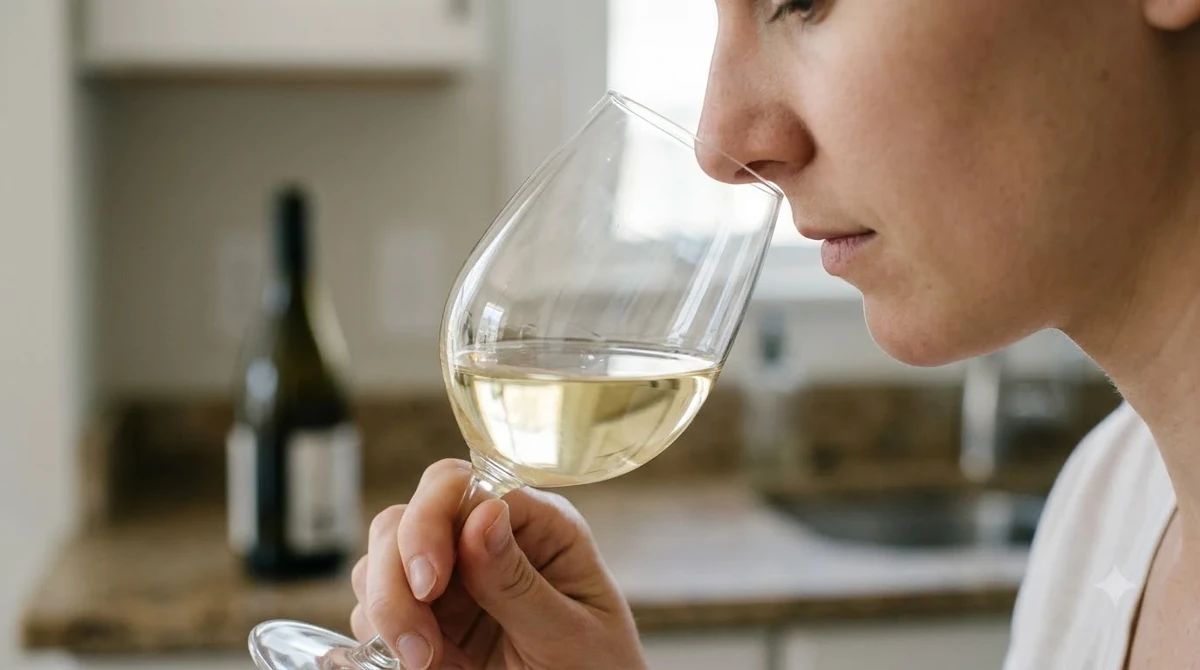
Wine and beer are poured at two central hubs, Stockmen’s Park and Bankhead Plaza. The 2026 listing assigns six wine names or brands to Stockmen’s Park—Charles R Vineyards, Cuda Ridge Wines, Steven Kent Winery, Wood Family Vineyards, JMC Cellars with Big White House Cellars, and New Vintage Beverage. Bankhead Plaza hosts a second group of local winery pours, and four local breweries are listed across the two spaces. Participating lineups can change, so treat those names as a guide to the published program, not a permanent roster.
One practical detail can prevent a mismatch in expectations: the organizer says a drink token buys a glass of wine or beer and explicitly notes that there is no tasting service. This is not a walk-around flight in which a single ticket gives you small pours from every winery. If your priority is comparing several varietals in measured samples, book a winery tasting on another day; if you want one glass while listening to music or browsing booths, the street-festival format fits better. The official Downtown Street Fest event page is the place to confirm the next date, wine locations, and map.
| Published 2026 schedule | Saturday, May 16 | Sunday, May 17 |
|---|---|---|
| Festival hours | 10:00 a.m.–6:00 p.m. | 10:00 a.m.–5:00 p.m. |
| Wine and beer service | 11:00 a.m.–5:00 p.m. | 11:00 a.m.–4:00 p.m. |
| Ticket sales close | 4:30 p.m. | 3:30 p.m. |
The schedule separates general festival hours from alcohol service. Arriving near opening gives you time to browse before the pours begin; arriving late leaves less time to visit both lounges. Later schedules may use different times.
The Livermore Valley Behind the Glass
The festival introduces wines from a region with unusually deep roots in California wine history. The Livermore Valley American Viticultural Area was established in 1982, lies about 30 miles east of San Francisco, and stretches roughly 15 miles east to west by 10 miles north to south.
According to the Livermore Valley Winegrowers Association, Robert Livermore planted wine grapes in the 1840s, while Carl H. Wente and James Concannon founded wineries in 1883. Charles Wetmore established Cresta Blanca in 1882, and his Livermore Valley dry white wine won the Grand Prix at the 1889 International Paris Exposition. These milestones help explain why the region is often discussed as one of California’s foundational wine districts rather than a recent tasting-room destination.
Livermore’s east-west orientation lets marine air move inland from San Francisco Bay and the Pacific. The association describes a pattern of warm days and cool nights, with gravel-based soils that drain readily. Those conditions support a broad mix of grapes rather than a single house style. More than 50 wineries operate in the valley, while the association’s Wine Heritage District map identifies 44 wineries within that mapped district. For a wider explanation of American wine appellations and how they relate to place, see our overview of Wine Regions.
Wine Enthusiast’s introduction to Livermore points to the region’s influence on California plantings: Wente Chardonnay material has supplied budwood for a majority of the state’s Chardonnay plantings, while Concannon has played a similar role for Cabernet Sauvignon. The region’s historical importance is therefore not limited to old buildings or early medals; its grape material helped shape what California growers planted elsewhere.
Regional Grapes and Wines to Look For
Livermore’s local wine range includes Chardonnay, Sauvignon Blanc, Cabernet Sauvignon, Petite Sirah, and Bordeaux-style blends. A festival pour list changes from year to year, but knowing these regional varieties helps you ask better questions and recognize the styles that have shaped the valley.
Chardonnay is an especially meaningful local reference because of the Wente heritage. Depending on the producer and élevage, the wine may lean toward fresh apple, citrus, and firm acidity or show a rounder texture with oak and richer fruit. Sauvignon Blanc offers a contrasting white-wine profile, often with bright acidity and citrus notes. If you are comparing two whites, taste the more delicate or citrus-driven wine first, then move to a richer Chardonnay so its texture does not cover the lighter wine.
For reds, Cabernet Sauvignon and Petite Sirah are useful benchmarks. Cabernet typically brings firmer tannin and dark-fruit character, while Petite Sirah is commonly deep in color with substantial structure. Merlot and Bordeaux-inspired blends can offer a softer route into the region’s red wines. Ask whether a bottle is a single-variety wine or a blend, and whether oak aging is prominent; those details often explain more about style than the grape name alone.
Use the table as a quick tasting prompt, not a promise that every variety will appear at the festival. The organizer’s current pour list names participating wineries, but it does not guarantee a particular grape or vintage at every lounge.
| Grape or style | What to notice | Useful comparison |
|---|---|---|
| Chardonnay | Apple, citrus, texture, and possible oak influence | Compare a leaner style with a rounder one |
| Sauvignon Blanc | High acidity, citrus, and herbal or mineral notes | Try before a richer white wine |
| Cabernet Sauvignon | Dark fruit, oak, and high tannin | Compare with a softer Merlot |
| Petite Sirah | Dark color, concentrated fruit, and firm structure | Notice how tannin changes with food |
| Bordeaux-style blend | How Cabernet, Merlot, and other grapes combine | Ask which grape leads the blend |
Tip: Keep a short note on the winery name, grape, and one impression for each glass. With several producers pouring at two downtown hubs, a few written cues will help you remember which wines you want to revisit at a tasting room.
How to Plan Your Festival Visit
A little planning makes the downtown layout easier to manage. The official street-festival map identifies the pouring tents, ticket booths, music stages, restrooms, and other event features, so check it before choosing where to start. Because wine is served at both Stockmen’s Park and Bankhead Plaza, decide whether you want to visit one lounge first or compare the two before spending time at the vendor booths.
The 2026 published schedule ran from 10 a.m. to 6 p.m. on Saturday and 10 a.m. to 5 p.m. on Sunday, while alcohol service began at 11 a.m. on both days. That creates a useful rhythm: arrive early for shopping and food, visit one wine hub after service opens, then cross to the other location before the afternoon gets crowded. The organizer also set earlier token-sale cutoffs than the end of the festival, so do not leave the first purchase until the final hour.
Because this is an urban street event, think in terms of walking between blocks rather than driving between vineyards. Wear comfortable shoes, bring a layer for changing Bay Area conditions, and agree on a meeting point if people browse separately. A designated driver or non-drinking travel plan is sensible for any wine-centered outing. Companions can also enjoy the music, food, crafts, and shopping without using the wine lounges.
The event page’s detailed schedule lists May 16–17, 2026, as its published weekend. Those dates have passed, and the page does not provide a later confirmed weekend in the schedule reviewed here. Treat the hours in this article as an example of the published program, not a guarantee for the next festival; verify the new date, pouring hours, participating wineries, ticket arrangements, and map before making reservations or travel plans.
Food, Music, and Extending the Visit
The best reason to treat the event as more than a tasting stop is the mix of downtown experiences around the wine lounges. The street-festival program highlights food, outdoor dining, boutique shopping, craft vendors, and live music, while the surrounding city offers a different pace from a day spent entirely at winery estates.
Food also gives you a useful way to think about the wines. Salty snacks and richer foods can soften the impression of tannin in Cabernet Sauvignon or Petite Sirah, while bright, acidic dishes tend to work better with high-acid Sauvignon Blanc than with a soft, low-acid white. A burger or grilled meat is a natural partner for a structured red; lighter seafood or a crisp salad is easier with a lively white. Very spicy food can make alcoholic, tannic reds seem hotter, so choose a lower-tannin wine or a refreshing white if the dish carries serious chile heat.
For visitors with time beyond the festival, the valley’s wineries are spread across vineyards and tasting rooms. Wine Enthusiast names Wente Vineyards and Concannon Vineyard among the region’s established stops and mentions the Livermore Wine Trolley as a way to visit wineries and have lunch. A separate winery day lets you taste a broader flight, ask about vineyard sites, and spend longer with a producer than a busy pour station allows.
The Livermore Valley Winegrowers Association calendar is another way to build a return visit. It lists regional events such as Wine Wednesday and Holidays in the Vineyards, alongside winery-specific programs that may focus on seasonal shopping, music, seated food pairings, or special releases. Choose an event designed around tastings if a deeper look at local wines is your main goal.
Livermore also works well as a short Bay Area getaway. Its position east of San Francisco makes it possible to combine a downtown event with a separate visit to a winery, a meal in town, or a night nearby. Visitors comparing wine celebrations in different states may find a useful contrast in the format of an Indiana wine festival, but the defining feature here is the way Livermore’s local producers share a downtown gathering while their vineyards remain close enough for a second day of exploration.
Frequently Asked Questions
How many bands were listed for the 2026 Downtown Street Fest?
The organizer’s event page listed 14 bands across two live entertainment areas. The performance schedule ran from 10:30 a.m. to 6 p.m. on Saturday and 11:30 a.m. to 5 p.m. on Sunday.
Does the festival include activities for children?
Yes. The organizer’s feature list includes a Kids Zone, making the event broader than the wine and beer areas alone. Families should review the current map and activity details before attending because specific activities can change between years.
Is there a farmers market during the event?
The organizer’s map description identifies a Sunday farmers market among the locations shown on the festival map. It gives visitors another reason to explore the downtown area beyond the winery and brewery pouring hubs.
Which breweries were listed in the 2026 pouring areas?
The program lists Del Cielo Brewing Co. and Altamont Beer Works at Stockmen’s Park, plus Heady Works and Del Cielo Brewing Co. at Bankhead Plaza. Del Cielo Brewing Co. appears at both locations.
Which wineries were assigned to Bankhead Plaza?
The published lineup lists Arroyo Cellars, McGrail Vineyards & Winery, Sakura Winery, and Omega Road Winery at Bankhead Plaza. The names are useful when deciding which of the two pouring hubs to visit first.
The Livermore wine festival experience is best approached as a lively introduction to local wine, not a substitute for a full winery tasting. Check the Downtown Street Fest organizer’s next confirmed schedule, use the map to plan both wine stops, and leave time to explore the valley’s vineyards on another visit.
More in Wine Regions
 Willcox Wine Trail: Discover Arizona’s High-Elevation Wine CountryUpdated Nov 20, 2026
 Yakima Valley Wine Region: Find the Best Styles to TryUpdated Nov 20, 2026
 Vosne Romanee Wine Tasting: Identify Aromas and Choose Better PairingsUpdated Nov 20, 2026
 Yakima Valley Wine Festival: Find the Best Seasonal Wine EventsUpdated Nov 20, 2026
 Wales Vineyards: Discover Cool-Climate Wines and Where to VisitUpdated Nov 20, 2026
 Yountville Wine Festival: Discover Napa Wines and Local FoodUpdated Nov 20, 2026