

We may earn a commission when you buy through links on this page, at no extra cost to you. Learn more.
The marechal foch grape is a cold-hardy, early-ripening French-American hybrid red wine grape developed in Alsace, France, in 1911. Named after World War I French Marshal Ferdinand Foch, it produces deeply pigmented red wines with aromas of black cherry, blackberry, mocha, and earth, paired with bright acidity and soft tannins. While largely absent from modern European vineyards, the variety has earned a dedicated following across cool-climate regions of the United States and Canada.
Pronounced “mar-esh-shall fosh” and sometimes labeled simply as Foch or by its breeding code Kuhlmann 188-2, this grape bridges the gap between European winemaking traditions and extreme North American winters. Whether vinified as a light, Beaujolais-style pour or aged in oak into a savory, concentrated red, it offers wine drinkers an approachable entry point into hybrid wine by type.
What It Is: Origins and Ampelography of the Marechal Foch Grape
The marechal foch grape is an interspecific hybrid created in 1911 by Alsatian viticulturist Eugène Kuhlmann at the Oberlin Institute in Colmar, France, and introduced to the United States in 1946. Originally cataloged as Kuhlmann 188-2, it was renamed to honor Ferdinand Foch, the Supreme Allied Commander during the First World War.
According to Wine Enthusiast, the exact genetic parentage of Maréchal Foch remains a subject of debate among ampelographers. Early breeding records listed it as a cross between the European Vitis vinifera variety Goldriesling—itself a cross of Riesling and Courtiller Musqué—and a rootstock hybrid of the North American species Vitis riparia and Vitis rupestris. Later genetic profiling has suggested that Oberlin 595 may also play a role in its lineage, though its status as a resilient French-American hybrid is settled.
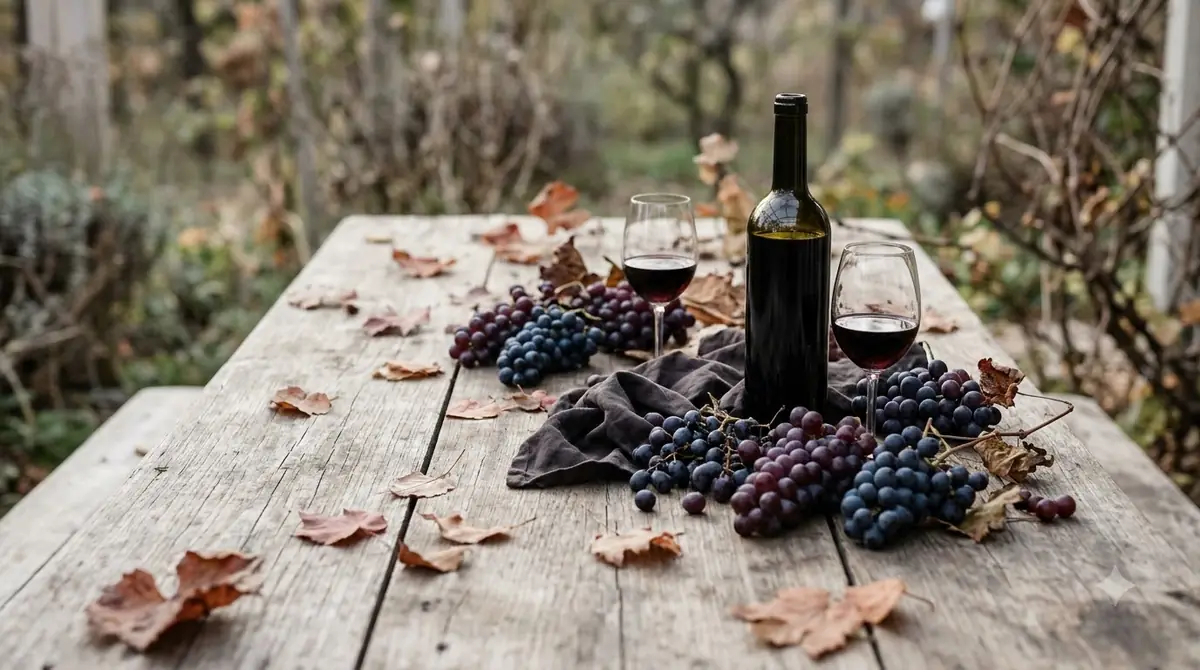
In the vineyard, Maréchal Foch exhibits physical traits that directly shape its performance in the cellar. The vines produce small, tight clusters of dark blue-black berries with a high skin-to-juice ratio, yielding deeply colored musts from the outset. As noted by the Missouri Wine and Grape Board, Maréchal Foch is classified as a teinturier variety, meaning both its skins and its pulp contain red anthocyanin pigments rather than the clear juice found in most red grapes.
Beyond its color, growers value the grape for three major viticultural advantages: extreme winter hardiness down to roughly minus 25 degrees Fahrenheit, natural resistance to common fungal diseases, and an unusually early ripening window. Because it completes its growing cycle in a very short season, vineyards in frost-prone areas can harvest ripe fruit before autumn freezes arrive.
Flavor Profile and Winemaking Styles
Maréchal Foch wines generally combine plush dark-berry fruit, roasted coffee or cocoa notes, and earthy undertones with crisp acidity and gentle tannins. Unlike many older North American native varieties, it avoids heavy “foxy” or musky aromas when harvested at full phenolic ripeness.
On the nose and palate, drinkers commonly encounter black cherry, blackberry, ripe plum, and blueberry layered over savory accents of woodsmoke, tobacco leaf, baking spice, and bitter chocolate. Because the grape naturally retains brisk acidity while keeping astringent skin tannins relatively low, its texture feels smooth and lively rather than drying. Alcohol levels vary noticeably by climate and harvest timing, ranging from light, quaffable bottlings around 10.5 to 12.5 percent ABV up to riper, oak-aged expressions reaching 13.5 to 14.8 percent ABV.
That structural flexibility lets winemakers take Maréchal Foch in several distinct directions, much like how regional traditions shape other high-acid reds such as the baga grape in Portugal. Depending on fermentation techniques and vessel choices, a single vineyard’s harvest can yield starkly different wines:
| Wine Style | Winemaking Approach | Tasting Profile | Best Drinking Window |
|---|---|---|---|
| Nouveau / Carbonic Red | Whole-cluster carbonic maceration in stainless steel | Bright red cherry, cranberry, juicy acidity, very light tannin | 1 to 3 years from vintage |
| Classic Oak-Aged Dry Red | Destemmed fermentation with French or American oak aging | Blackberry, mocha, vanilla bean, tobacco, medium-to-full body | 2 to 5 years from vintage |
| Dry or Off-Dry Rosé | Brief skin contact followed by cool stainless fermentation | Fresh strawberry, tart raspberry, crisp mineral finish | 1 to 2 years from vintage |
| Fortified Port-Style | Fermentation arrested with neutral grape spirit, barrel aged | Stewed dark cherry, fig, roasted almond, sweet spice | 10 to 20 years from vintage |
Winemakers also frequently use Maréchal Foch as a blending partner. Even a small percentage added to lighter red hybrids—such as Léon Millot, Baco Noir, or Chancellor—deepens the color of the finished wine and contributes mid-palate dark fruit without adding harsh bitterness.
Where It Grows Around North America
Although bred in Alsace, Maréchal Foch is almost exclusively cultivated in North America today, where its cold tolerance and early ripening make it a cornerstone of cool-climate viticulture. European Union regulations historically restricted commercial planting of interspecific hybrids, shifting the grape’s center of gravity across the Atlantic.
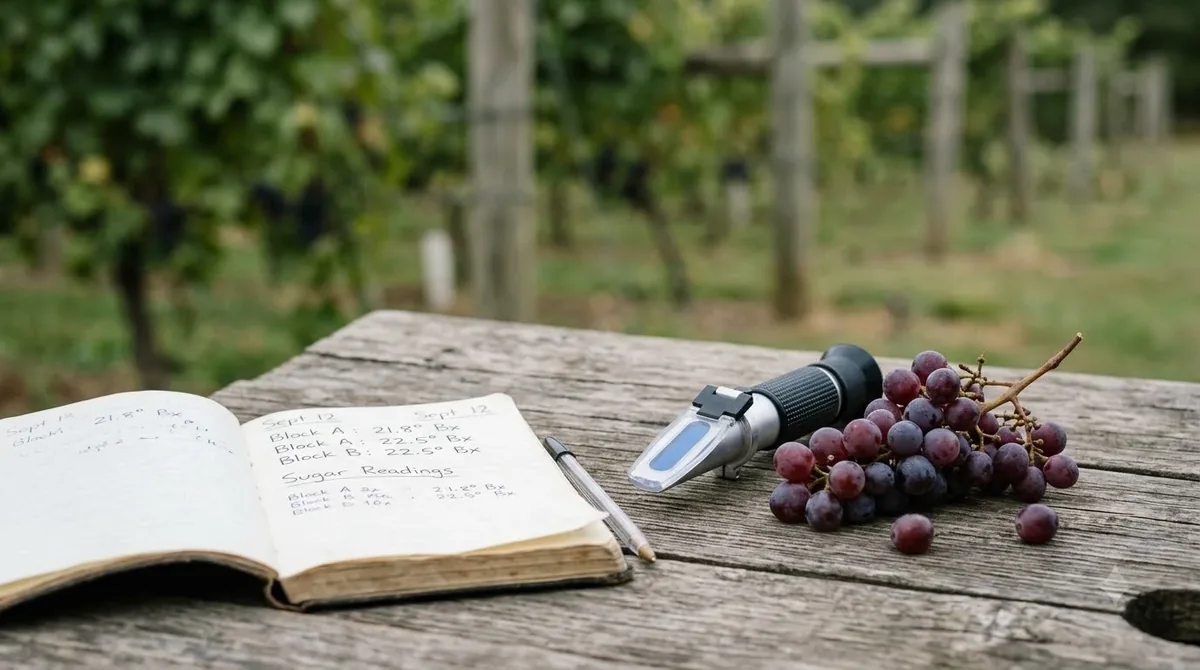
In the United States, Maréchal Foch thrives across the Upper Midwest, the Great Lakes, the Northeast, and parts of the Pacific Northwest. States with meaningful plantings include Minnesota, Wisconsin, Michigan (notably on the Leelanau Peninsula and in Tip of the Mitt), New York (across the Finger Lakes, Lake Erie, and the Hudson River Region), Ohio, Pennsylvania, Vermont, Missouri, and Oregon’s Willamette Valley. Growers in these regions rely on the vine’s ability to survive sub-zero winter temperatures and ripen reliably during short summers.
Canada has emerged as an equally important home for the variety, particularly in British Columbia’s Okanagan Valley, Ontario’s Niagara Peninsula, Québec, and Nova Scotia. In British Columbia, several estates steward mature blocks planted in the late 1970s and mid-twentieth century. These older vines naturally restrict yields, concentrating sugar, acid, and savory complexity in the small berries and demonstrating that hybrid grapes can produce age-worthy, terroir-expressive wines.
How to Serve Maréchal Foch Wine
Maréchal Foch shows best when served slightly cooler than room temperature, with serving temperature and aeration adjusted to match the wine’s body and oak influence. Overheating the bottle dulls its fresh berry acidity and can emphasize alcohol on the finish.
For light, unoaked, or carbonic-macerated bottlings, chill the bottle to between 55 and 60 degrees Fahrenheit—roughly 20 to 30 minutes in the refrigerator before pouring. This slight chill highlights the grape’s cranberry and cherry snap while keeping the palate refreshing. For fuller-bodied, oak-aged reserves, aim for cellar temperature around 60 to 65 degrees Fahrenheit, which allows aromatics of cocoa, smoke, and dried herbs to open cleanly.
Decanting is optional for young, fruit-forward styles, which are ready to pour straight from the bottle into a standard medium-bowled red wine glass. Older-vine or barrel-aged Maréchal Foch, however, benefits from 30 to 60 minutes in a decanter to soften any earthy reduction and integrate toasted oak notes.
Tip: If you are pouring a nouveau-style Maréchal Foch on a warm evening, treat it just like Beaujolais—give the bottle a 20-minute chill in the fridge so its bright acidity stays crisp.
Food Pairing Ideas
Thanks to its lively natural acidity and low-to-moderate tannins, Maréchal Foch is a versatile dinner-table partner that pairs smoothly with rich meats, earthy vegetables, and savory cheeses. Because it lacks aggressive astringency, it rarely clashes with smoky glazes, tangy sauces, or moderately spiced dishes.
Winemakers and sommeliers frequently recommend matching oak-aged Maréchal Foch with classic cold-weather comfort foods. Roast beef, braised lamb shanks, duck breast, venison, and pork sausages echo the wine’s dark cherry fruit and subtle gamey, smoky undertones. Mushroom-driven dishes—such as wild mushroom risotto, steak with sautéed creminis, or sausage and mushroom pizza—also latch onto the grape’s forest-floor and tobacco notes.
Lighter expressions work well alongside grilled salmon, tuna niçoise, charcuterie boards, and tomato-based Italian pasta dishes. On the cheese board, aged cheddar, Gouda, and pungent blue cheeses balance the wine’s juicy berry profile, while fortified Port-style Foch bottlings complement dark chocolate desserts and spiced nut tarts.
How to Choose a Bottle of Maréchal Foch
Shopping for a bottle of Maréchal Foch comes down to checking the label for clues about oak aging, vine age, and regional origin. Because producers craft everything from crisp porch-pounders to structured barrel reserves, a quick look at the front and back labels helps match the bottle to your palate.
Start by looking for terms like “Old Vines,” “Reserve,” or mentions of French or American oak aging if you prefer a richer, more savory red with mocha, vanilla, and spice notes. Conversely, labels reading “Nouveau,” “Carbonic,” or listing lower alcohol levels around 11 to 12.5 percent ABV point toward a brighter, fruit-driven wine meant for immediate enjoyment.
Regional origin also offers reliable guidance. Bottles from British Columbia’s Okanagan Valley and New York’s Finger Lakes often showcase balanced ripeness and polished oak integration, while bottlings from Minnesota, Wisconsin, and Michigan highlight vibrant acidity and pure dark-berry character. If you enjoy exploring distinctive cool-climate whites alongside lesser-known reds, pairing a bottle of Foch with crisp Italian carricante grape wines or Spanish godello grape bottlings makes for an educational tasting flight.
Frequently Asked Questions
How do you pronounce Maréchal Foch?
Maréchal Foch is pronounced “mar-esh-shall fosh.” The name comes from the French military title and surname of Ferdinand Foch, the World War I Allied commander honored when the grape was named in Alsace.
Is Maréchal Foch a sweet or dry wine?
Most single-varietal Maréchal Foch wines are fermented completely dry, though their ripe black-cherry and plum fruit can create an impression of lushness on the mid-palate. Winemakers also occasionally use the grape to produce off-dry rosés, sweet ice wines, and fortified Port-style wines.
What popular grape does Maréchal Foch taste like?
Lighter, unoaked styles of Maréchal Foch closely resemble Gamay from Beaujolais, offering bright red fruit, brisk acidity, and soft tannins. When grown on older vines and aged in oak, it takes on deeper blackberry, earth, and spice notes reminiscent of cool-climate Pinot Noir or Syrah.
Can you age Maréchal Foch wine?
Fruit-forward, unoaked Maréchal Foch is best enjoyed within one to three years of the vintage while its berry aromas are freshest. High-quality, oak-aged, or old-vine bottlings can develop added savory complexity over three to five years, while fortified expressions can age for a decade or more.
From its origins in a French breeding institute to its modern revival in North American vineyards, the marechal foch grape proves that hybrid varieties can deliver genuine depth and regional character. Whether chilled for a casual weeknight meal or decanted alongside roasted meats, it remains one of cool-climate wine’s most rewarding discoveries.
More in Wine Types & Grapes
 Zinfandel Sugar Content: Dry Red vs. White Zinfandel GramsUpdated Nov 21, 2026
 Best Zinfandel Substitute Options for Sipping and CookingUpdated Nov 21, 2026
 Zweigelt Food Pairing: Best Dishes, Cheeses, and Serving TipsUpdated Nov 21, 2026
 Zinfandel Tannins Explained: How Structure Shapes Every BottleUpdated Nov 21, 2026
 Zinfandel Sweetness Level: Dry Red vs. Sweet White Zin ExplainedUpdated Nov 21, 2026
 Xinomavro Food Pairing: Best Dishes, Styles, and Serving TipsUpdated Nov 21, 2026