

We may earn a commission when you buy through links on this page, at no extra cost to you. Learn more.
What is pinot noir? It is a red grape from Burgundy, France, that makes dry, medium-bodied red wine with cherry, raspberry, and earthy notes. It is known for its silky texture, moderate tannins, and food-friendly acidity, and it is planted around the world in cool-climate regions.
Pinot noir has a reputation for being delicate and a little difficult to grow, which is one reason it is prized by wine lovers. If you are new to red wine, it is often a gentle introduction because it is lighter than many bold reds. This guide covers where the grape comes from, how it tastes, how to serve it, and which foods bring out its best.
Where pinot noir comes from
Pinot noir is the signature red grape of Burgundy, in eastern France. According to Wine Folly’s Pinot Noir grape guide, the most prized vines of the region grow on a narrow, east-facing slope south of Dijon. Cistercian monks tended the region’s vineyards in the Middle Ages, and the page notes that the grape’s roots in Burgundy run deep.
The grape has spread far beyond Burgundy. Wine Folly ranks it as the sixth most planted red grape variety in the world. Large plantings exist in France, the United States, Germany, New Zealand, Italy, and Australia, and the page reports more than 1,000 registered clones. That variety of clones is one reason pinot noir can taste so different from one bottle to the next.
The name is also a clue to its character. Pinot noir means “pine black,” a reference to the tight, dark clusters of the grape. Its thin skins make it more sensitive to weather and disease than many other red varieties, which helps explain why the grape does best in cool, carefully chosen sites.
What pinot noir tastes like
Typical pinot noir shows cherry and raspberry, with red fruit, earthy forest-floor notes, and sometimes tea leaves or a hint of clove. Wine Folly adds that oak aging brings vanilla and smoke, while older bottles can develop mushroom and leather flavors. The range of flavors is wide, and that breadth is part of the grape’s appeal.
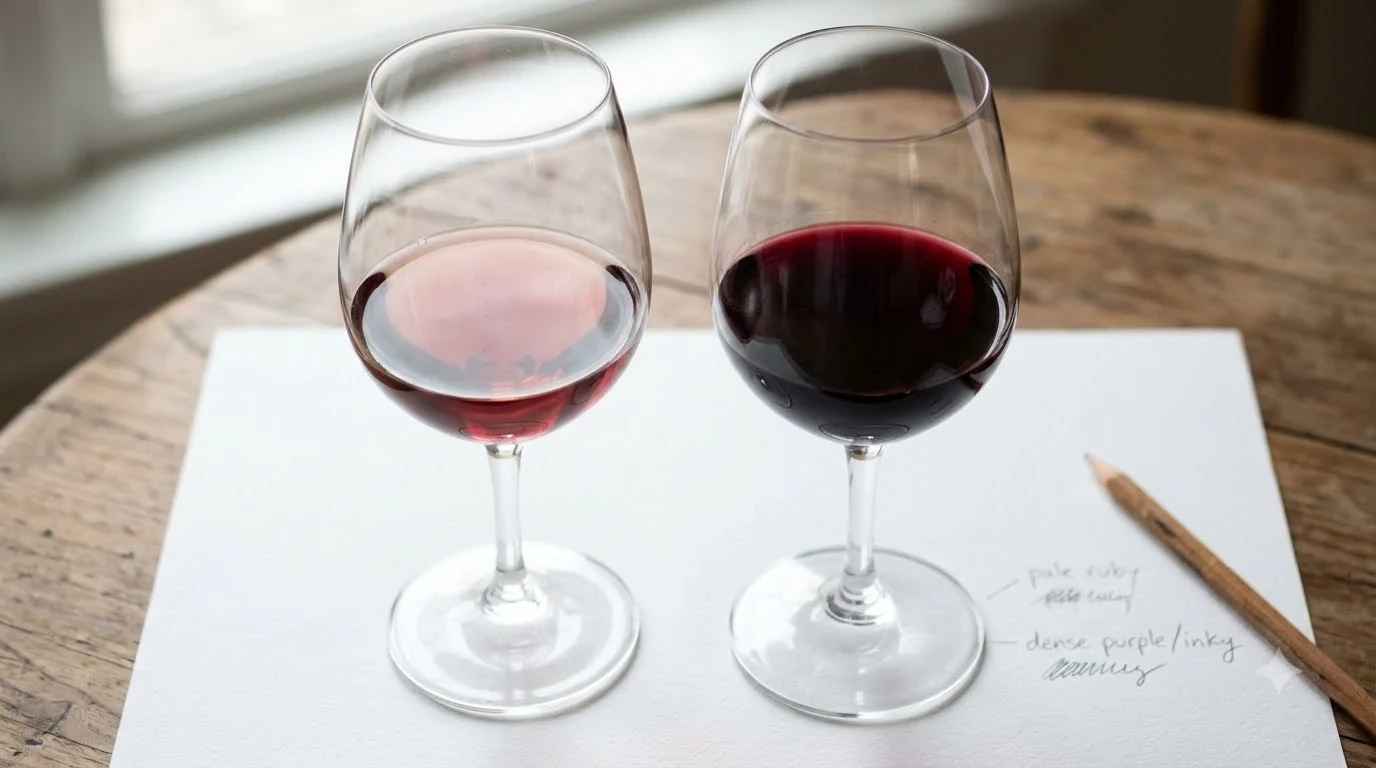
The wine is pale to medium in color, which surprises many drinkers who expect a dark red. It is dry and medium-bodied, with low tannins and medium-high acidity. That combination gives pinot noir a smooth, silky texture and a bright finish, so it feels refreshing rather than heavy. The alcohol is usually 12 to 14 percent ABV.
In sparkling wine, pinot noir adds strawberry and raspberry notes and structure. Many Champagne-style and sparkling wines use it as one of their main grapes, which shows that the variety is useful well beyond still red wine.
| Feature | Typical pinot noir |
|---|---|
| Color | Pale to medium |
| Body | Medium, dry |
| Tannin and acidity | Low tannin, medium-high acidity |
| Alcohol | About 12 to 14 percent ABV |
| Main aromas | Cherry, raspberry, earth, tea leaves |
Where pinot noir grows best
Pinot noir prefers intermediate climates with long, cool growing seasons. Wine Folly says it often thrives in protected valleys or near large bodies of water, where the air stays cool enough to preserve acidity while the fruit ripens. This is why the grape is so closely tied to regions like Burgundy, the Willamette Valley in Oregon, and parts of New Zealand.
Warm weather can push the wine toward jammy fruit and lower acidity. That makes site selection important, and it explains why buyers often look for the region on the label as a guide to style. A pinot noir from a cool site tends to be more restrained and savory, while one from a warmer site may show riper fruit and a softer structure.
Because the grape is sensitive, growers pay close attention to the vineyard. Careful farming and gentle winemaking help keep the fruit’s character clean. For a buyer, this means the producer’s approach matters as much as the grape itself.
How to serve pinot noir
Pinot noir is best served slightly cool. Wine Folly recommends 55 to 60 degrees Fahrenheit, or about 12 to 15 degrees Celsius. That range keeps the fruit lively and the acidity fresh, and it prevents the wine from tasting flat or warm. A short time in the refrigerator before opening can help if your room is warm.
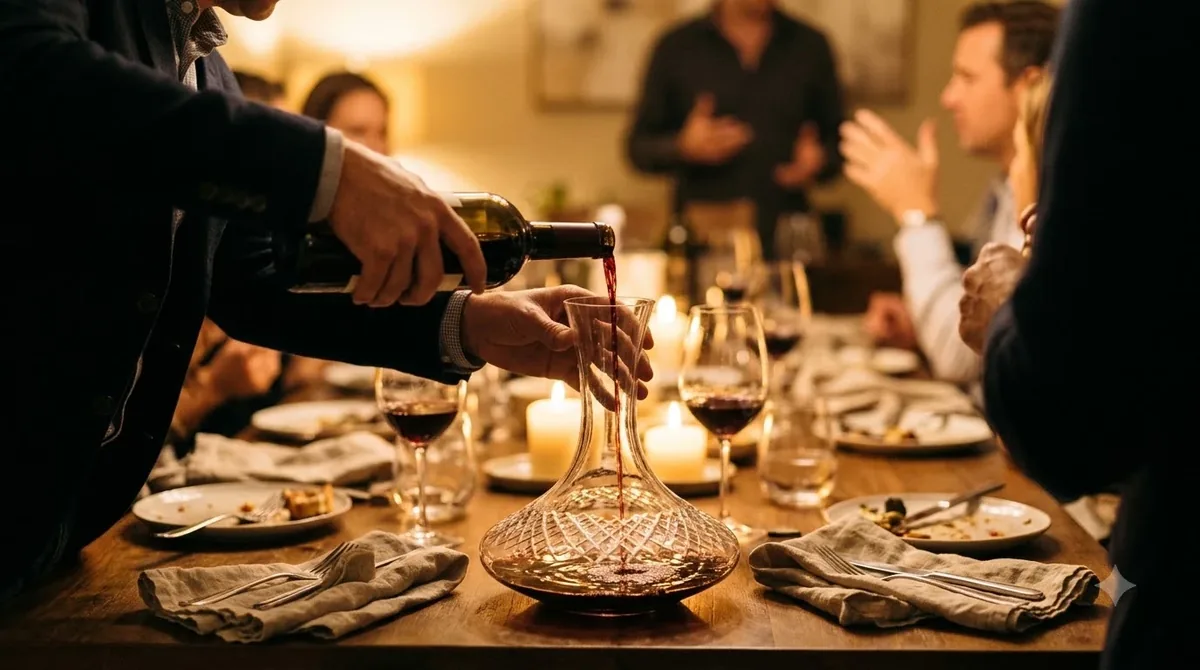
Use a glass with a wide bowl, which lets the aromas develop. Many young pinot noirs benefit from decanting for about 30 minutes, although some delicate bottles open fully within minutes of pouring. The wine can be enjoyed now, but most bottles evolve over five to ten years in the cellar, and top versions can mature for much longer.
Tip: If you want to know whether pinot noir should be chilled, the answer is yes, slightly. A cool glass shows the bright fruit and keeps the wine from feeling soft or hot on the palate.
Food pairings for pinot noir
Pinot noir is one of the most food-friendly red wines because its acidity and low tannins suit a wide range of dishes. Wine Folly names duck, especially spiced duck, as an excellent match, since the wine’s red fruit balances the richness of the meat. Salmon is another classic partner, and the wine’s gentle structure keeps the fish from feeling overpowered.
Earthy dishes are a natural fit as well. Mushroom-based meals, roasted root vegetables, and savory sauces bring out the forest-floor notes in the wine. Wine Folly describes pinot noir as one of the most versatile red wines for food, which is why it appears so often on dinner menus.
How to choose a pinot noir
Start with the region. A bottle from Burgundy usually shows the most restrained and earthy style, while bottles from cool-climate New World regions often highlight brighter fruit. If you enjoy oak flavors, look for a bottle that mentions oak aging, since vanilla and smoke will be more noticeable. If you prefer fresh fruit, a younger, unoaked style may suit you better.
Next, think about the meal. A pinot noir is a flexible choice for a dinner party because it pairs with many dishes. For a richer dish such as duck or mushroom risotto, a more structured bottle will hold its own. For lighter fare, a simpler and fruitier wine often feels more balanced.
If you are still learning how to pronounce the name, our how to pronounce pinot noir guide covers the basics. For a lighter style, the pinot noir rose wine page explains how the grape works in pink wine. You can also read whether pinot noir should be chilled in more detail, and the Wine by Type guide places it among other red styles.
Pinot noir rewards patience and curiosity. Taste a few bottles from different regions and notice how the same grape can move from bright cherry to deep earth. That range is what makes the variety so interesting to explore.
Frequently Asked Questions
Is pinot noir a light or heavy red wine?
Pinot noir is usually considered a light to medium-bodied red. It has low tannins and bright acidity, so it feels smoother and lighter than bold reds like Cabernet Sauvignon, even though its flavors can be deep.
What does pinot noir taste like?
Most pinot noir tastes of cherry and raspberry, with earthy notes and sometimes tea leaves or clove. Oak aging adds vanilla and smoke, and older bottles can develop mushroom and leather flavors.
Should pinot noir be served chilled?
Yes, slightly. Wine Folly recommends 55 to 60 degrees Fahrenheit, which keeps the fruit fresh and the acidity lively. Serving it too warm can make the wine taste soft.
What food goes well with pinot noir?
Duck, salmon, and mushroom-based dishes are classic pairings. The wine is versatile and works with many savory meals because its acidity and low tannins are easy to match.
Pinot noir is an excellent red for learning how wine works, because its flavors and structure are easy to notice. Start with a bottle from a cool region, serve it slightly chilled, and try it with a dish that brings out its earthy side.
More in Wine Types & Grapes
 Zinfandel Sugar Content: Dry Red vs. White Zinfandel GramsUpdated Nov 21, 2026
 Best Zinfandel Substitute Options for Sipping and CookingUpdated Nov 21, 2026
 Zweigelt Food Pairing: Best Dishes, Cheeses, and Serving TipsUpdated Nov 21, 2026
 Zinfandel Tannins Explained: How Structure Shapes Every BottleUpdated Nov 21, 2026
 Zinfandel Sweetness Level: Dry Red vs. Sweet White Zin ExplainedUpdated Nov 21, 2026
 Xinomavro Food Pairing: Best Dishes, Styles, and Serving TipsUpdated Nov 21, 2026