

We may earn a commission when you buy through links on this page, at no extra cost to you. Learn more.
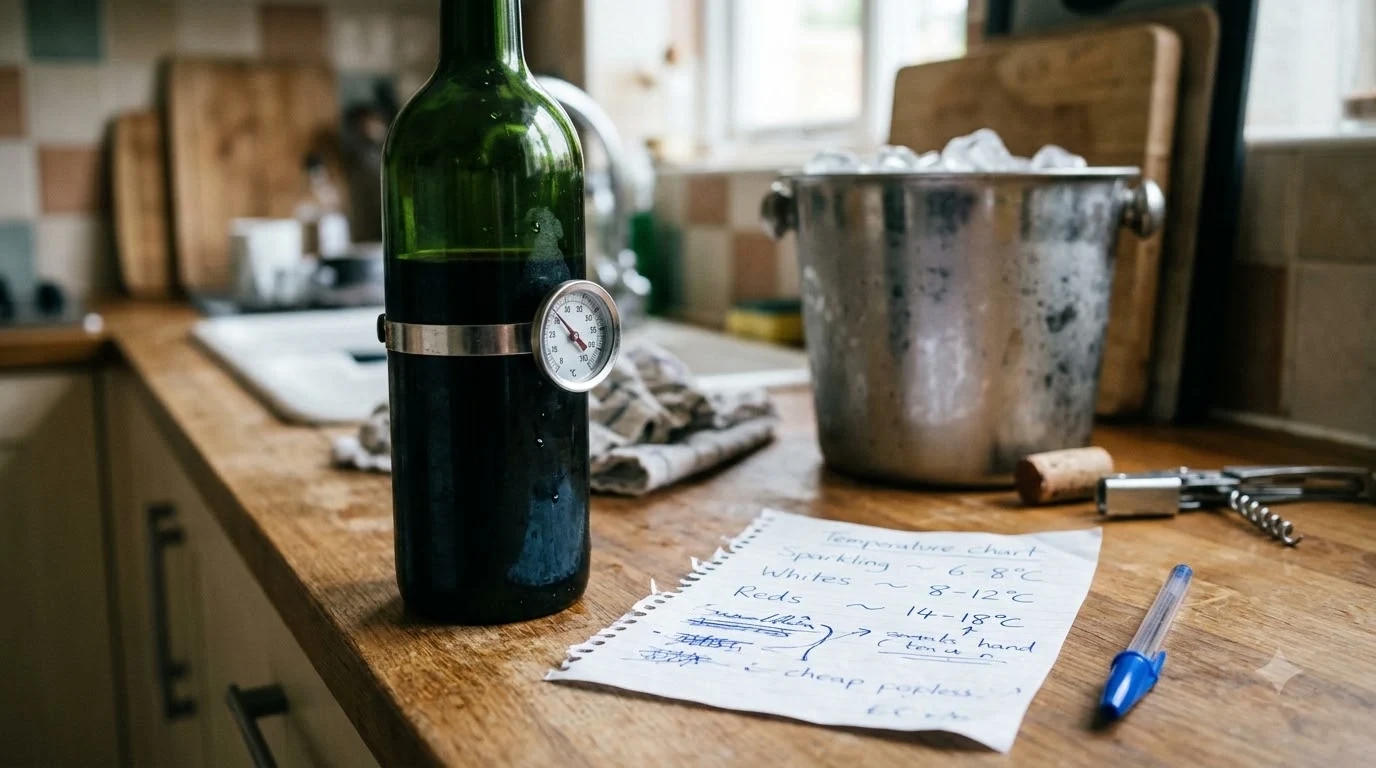
Should pinot noir be chilled? Yes, lightly. Pinot noir is best served slightly cooler than room temperature, around 55 to 60°F (12 to 15°C), which keeps its red-fruit aromas lifted and stops the alcohol from feeling hot. A short time in the refrigerator is usually enough. Serving it too warm can make the wine taste flat and heavy, while a little chill brings the fruit forward.
Pinot noir is one of the most popular red wines in the world, and it is also one of the most sensitive to serving temperature. Many people keep red wine at room temperature by habit, but pinot noir is a light-bodied red with low tannins, so it benefits from a cooler setting than a big cabernet or a syrah. This guide covers the right temperature, how long to chill it, and a few simple habits for serving it well.
Pinot noir serving temperature
The most common recommendation for pinot noir is a range of 55 to 60°F (12 to 15°C). Wine Folly’s pinot noir guide describes the wine as best savored slightly cooler than room temperature within that range. At this temperature, the bright cherry and raspberry notes stand out, while the earthy and spicy notes stay in balance.
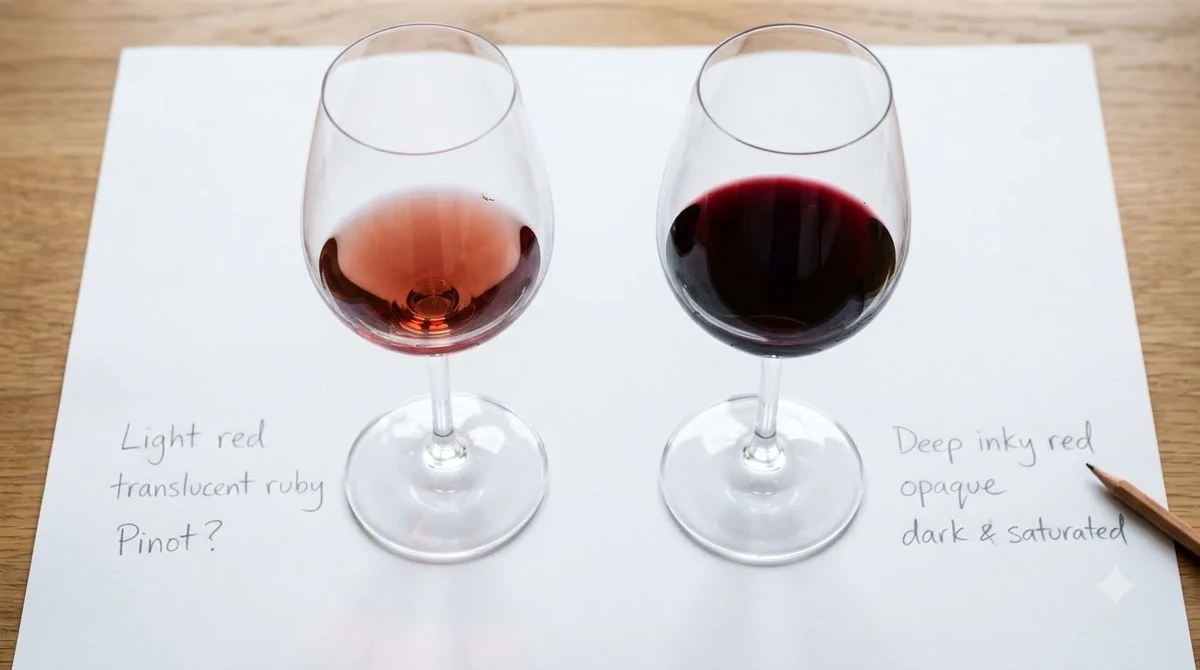
| Serving style | Approximate temperature | What you notice |
|---|---|---|
| Too warm | Warmer than the recommended range | Alcohol feels hot and fruit can taste muted |
| Recommended | 55 to 60°F (12 to 15°C) | Red fruit is lively and the body feels balanced |
| Too cold | Colder than the recommended range | Aromas are muted and acidity can feel sharp |
In practice, most people take a bottle out of a cool cellar or a wine fridge, or chill it in the refrigerator for a short time before pouring, checking the temperature by feel rather than the clock. Because the wine warms quickly in the glass, pour a small amount first and let it settle. If the glass warms up over a long dinner, you can return the bottle to the fridge between pours.
Does pinot noir need to breathe?
Many young pinot noirs benefit from a short period of air. Wine Folly suggests that many young bottles benefit from about 30 minutes of decanting to bring out their aromas. The wine opens up as oxygen reaches it, which can soften the fruit and let the earthier notes come through.
Not every bottle needs this. Older pinot noirs with some bottle age can be more fragile, and they may lose their aromas quickly once poured. If you are unsure, pour a glass, wait a few minutes, and taste again to see how the wine changes before deciding whether to decant the rest.
What glass for pinot noir
Pinot noir is usually served in an aroma collector glass, a wide bowl with a narrower rim. Wine Folly recommends this shape because it lets the wine breathe while directing the aromas toward your nose. A wide bowl also gives the wine room to show its fruit and spice as it warms slightly in the glass.
The shape matters because pinot noir is an aromatic wine. Much of what people describe as its charm, from fresh strawberry to forest floor, reaches the nose through the air above the glass. A wider bowl gives those aromas space to collect, while the tapered rim keeps them focused as you raise the glass. Many tasters also find that a glass with a thin rim feels more pleasant on the lips, which adds to the sense of a smooth, light-bodied red.
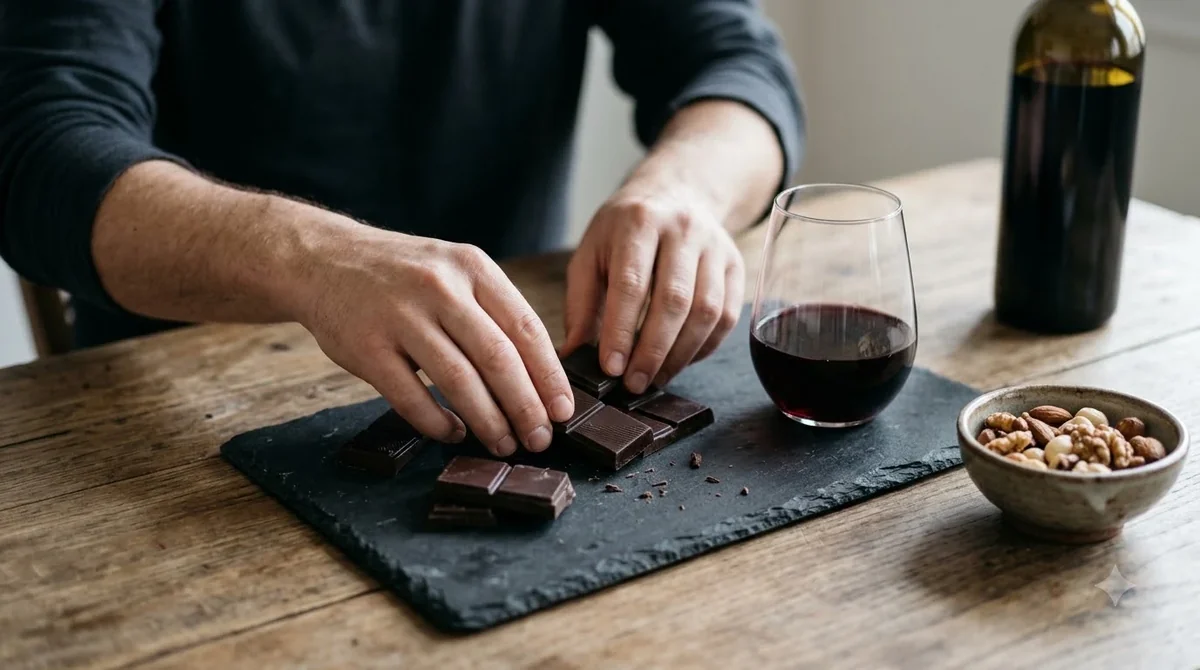
A large Burgundy-style glass works well for most people, and a standard wine glass with a generous bowl is also fine. The key is avoiding a small, narrow glass, which can trap the aromas and make the wine seem thinner than it is.
How to store pinot noir
Store an unopened bottle on its side in a cool, dark place with steady temperature. Pinot noir is a delicate wine that is sensitive to heat and light, so a closet away from the stove or a wine fridge is a better home than a sunny kitchen counter. Wine Folly notes that most bottles evolve well over five to ten years of cellaring, and some top examples can keep maturing for longer. Bottles stored at a steady, moderate temperature age more predictably than those that swing between warm and cold, so consistency matters as much as the exact number on the thermometer.
Once a bottle is open, the wine starts to change more quickly. Recork it, keep it cool, and drink it within a short window. The source does not give a fixed timeline for opened bottles, so treat any number you see online as a rough guide and rely on your own senses: if the fruit fades and the wine tastes flat or vinegary, it is time to finish it in a cooking pot or pour it out.
How long does pinot noir last after opening?
Lighter pinot noirs are usually more fragile after opening than bigger reds, so they are best finished fairly soon after opening. Older bottles tend to fade faster once opened, because their delicate aromas are already close to their peak. A simple habit helps: recork the bottle tightly, store it in the refrigerator, and let it come back to a cool temperature before serving.
For a wine with this kind of delicate structure, it is also worth knowing how red wine behaves when cold. Temperature also changes how the wine feels in the mouth. A cooler pinot noir tends to show its acidity more clearly, which is part of why it works so well with a meal, while a warmer glass can make the texture feel softer and the finish a little shorter. Small changes in temperature therefore shift the balance between fruit, earth, and structure, and that is why a short chill is worth the effort.
The guide on should red wine be chilled covers the general rules, and the chardonnay page shows how a different style of wine handles temperature.
Frequently Asked Questions
Is pinot noir supposed to be served cold?
It is served cool rather than cold. The recommended range is 55 to 60°F (12 to 15°C), which is cooler than most room temperatures but well above fridge temperature. A short chill is usually enough.
Why does pinot noir taste hot when it is too warm?
When red wine is served too warm, the alcohol can stand out and the fruit can seem muted. A little chill helps the aromas show more clearly and brings the body into balance.
Should you decant pinot noir?
Many young bottles benefit from about 30 minutes of decanting or simply breathing in the glass. Older bottles can be more delicate, so taste a small pour first before deciding.
How do you say pinot noir correctly?
The name is usually said as “pee-noh nwar” in English, with the final syllable close to “nwar.” Many people in the United States say it with a softer ending, and nobody at the table will mind. For more detail on the sound of the name and a few common variations, see the how to pronounce pinot noir page.
Pinot noir rewards a little attention to temperature, glassware, and air. Chill it lightly, pour it into a wide glass, and taste it as it warms to find the style you enjoy most. For a broader look at the main red and white styles, the Wine by Type guide is a good next stop. Keep a notebook or a note on your phone with the temperature and the glass you used, so each bottle teaches you something for the next one.
More in Wine Types & Grapes
 Zinfandel Sugar Content: Dry Red vs. White Zinfandel GramsUpdated Nov 21, 2026
 Best Zinfandel Substitute Options for Sipping and CookingUpdated Nov 21, 2026
 Zweigelt Food Pairing: Best Dishes, Cheeses, and Serving TipsUpdated Nov 21, 2026
 Zinfandel Tannins Explained: How Structure Shapes Every BottleUpdated Nov 21, 2026
 Zinfandel Sweetness Level: Dry Red vs. Sweet White Zin ExplainedUpdated Nov 21, 2026
 Xinomavro Food Pairing: Best Dishes, Styles, and Serving TipsUpdated Nov 21, 2026