

We may earn a commission when you buy through links on this page, at no extra cost to you. Learn more.
Should chardonnay be chilled? Yes, most styles should, but not ice cold. Lean, unoaked styles taste best at about 45°F (7°C), while richer oaked chardonnays are better closer to 55°F (12°C). Sparkling chardonnay is the coldest of the group, at 38 to 45°F (3 to 7°C). Serving any style too cold mutes its fruit and makes the acidity feel harsh.
Chardonnay is one of the most widely planted white grapes, and it covers a huge range of styles. A bright, mineral Chablis and a buttery, toasty Burgundy-style bottle can both be chardonnay, which is why the question of temperature has no single answer. This guide explains the right serving range for each style, how to get the temperature right at home, and how to store a bottle once it has been opened.
Why temperature changes the way chardonnay tastes
Temperature changes how much acidity, fruit and oak you notice in a glass. Cold wine feels crisper and hides some of its aromas, while wine that is too warm can taste flat, alcoholic and heavy. Chardonnay sits in a useful middle ground. It has enough body to hold up at slightly warmer temperatures, but it still needs some cooling to keep its acidity lively.
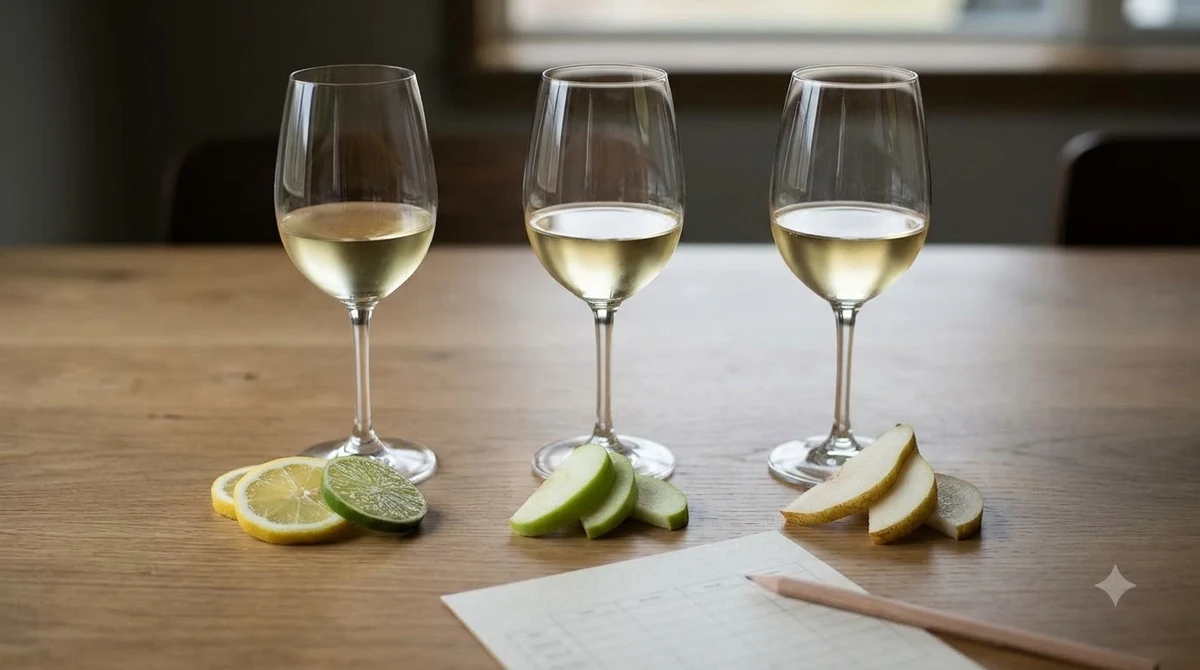
The Wine Folly chardonnay guide draws a clear line between the two main families. Unoaked chardonnay is lean and crisp, with green apple, pear and citrus notes and often a chalky or mineral edge. Oaked chardonnay has a fuller body and a creamy texture, with flavors of butter, vanilla and baking spice layered over stone fruit. Those two profiles call for different temperatures.
Serving temperature by style
The right temperature depends on which style is in your glass. The table below gives a practical starting point for each one, and you can adjust from there to suit your own taste.
| Style | Typical example | Serving temperature | Suggested glass |
|---|---|---|---|
| Sparkling chardonnay | Blanc de blancs | 38 to 45°F (3 to 7°C) | Flute, or a white wine glass |
| Lean, unoaked | Chablis | About 45°F (7°C) | Universal white wine glass |
| Oaked, full-bodied | Burgundy-style or oaked California | About 55°F (12°C) | Aroma collector glass |
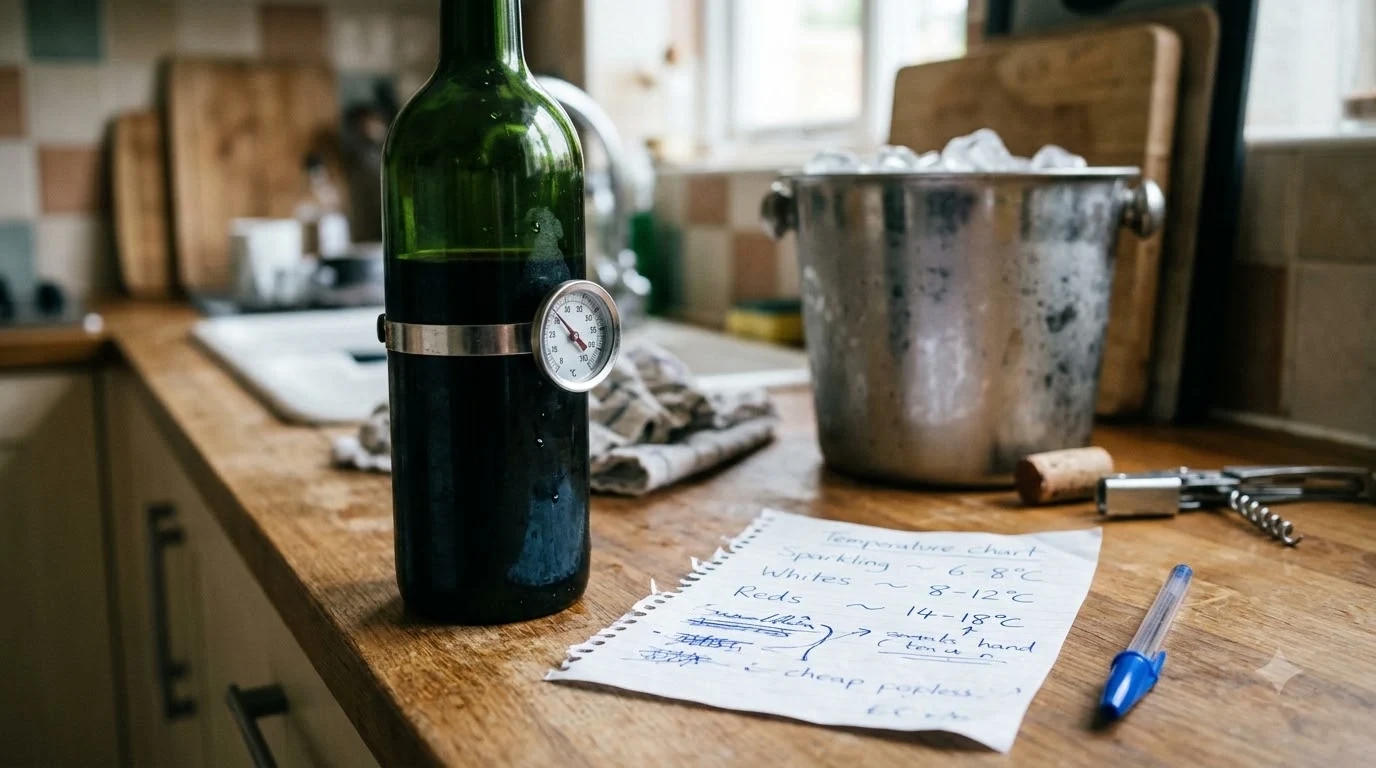
The simplest way to reach these numbers is to chill the bottle in the refrigerator for a couple of hours before you pour. Pull it out a few minutes before serving if it feels too cold to show its aromas. Cold chardonnay should warm slightly in the glass, so the wine opens up as you drink it. If you are serving a crowd, an ice bucket will keep a lean bottle at the right temperature, but avoid letting an oaked bottle sit in ice for long, since it can then taste closed.
Does chardonnay need to breathe?
Most chardonnay does not need decanting. The Wine Folly guide notes that most chardonnays need decanting only when they are quite old, and that is the main exception to remember. Young oaked bottles may show more aroma after a short time in the glass, but a long decant is rarely necessary. For everyday bottles, pour, swirl once or twice, and taste.
If you are unsure whether a bottle has settled, take a small sip at serving temperature and then another after a few minutes. A wine that tastes shut at first often opens as it warms slightly, and this is a better guide than any fixed rule.
How to store chardonnay before and after opening
An unopened bottle should be kept somewhere cool, dark and steady, away from heat and direct sunlight. Most everyday chardonnay is made to be enjoyed within a few years of release. Top oaked examples can keep longer, and the same Wine Folly guide notes that some of the finest chardonnays in every style improve with age, with a cellar window of five to ten years for many examples.
Once a bottle is open, the clock starts. Reseal it tightly, keep it in the refrigerator, and drink it sooner rather than later. Oxygen slowly dulls the fruit and flattens the texture, so the wine tastes less lively with each day. A vacuum stopper can slow that process, but it cannot restore freshness. Oaked chardonnay tends to hold up a little better than a light, unoaked bottle, though neither will taste its best for long once it has been opened.
Food pairing and the right chill
Serving temperature also depends on what you are eating. Lean, unoaked chardonnay works well with seafood, goat cheese, roast chicken and dishes with fresh herbs, and it is easy to enjoy with a light salad. Oaked chardonnay stands up to lobster, pork, creamy pasta and dishes with browned butter, where its body and toasty notes can match the richness of the food.
The same thinking helps with other wines. Light reds, for example, often taste better slightly cooler than many people expect, and the reasoning behind that is covered in should red wine be chilled. If you enjoy pinot noir as well, the notes on should pinot noir be chilled show how a lighter red handles the same question.
Glassware for chardonnay
Glass shape matters less than temperature, but it still shapes what you smell and taste. A universal white wine glass, with a moderate bowl, works well for lean, unoaked styles. An aroma collector glass has a wider bowl that gathers the toasty, floral and vanilla notes of oaked bottles. A flute suits sparkling chardonnay because it keeps the bubbles lively, although many people enjoy sparkling chardonnay from a white wine glass as well.
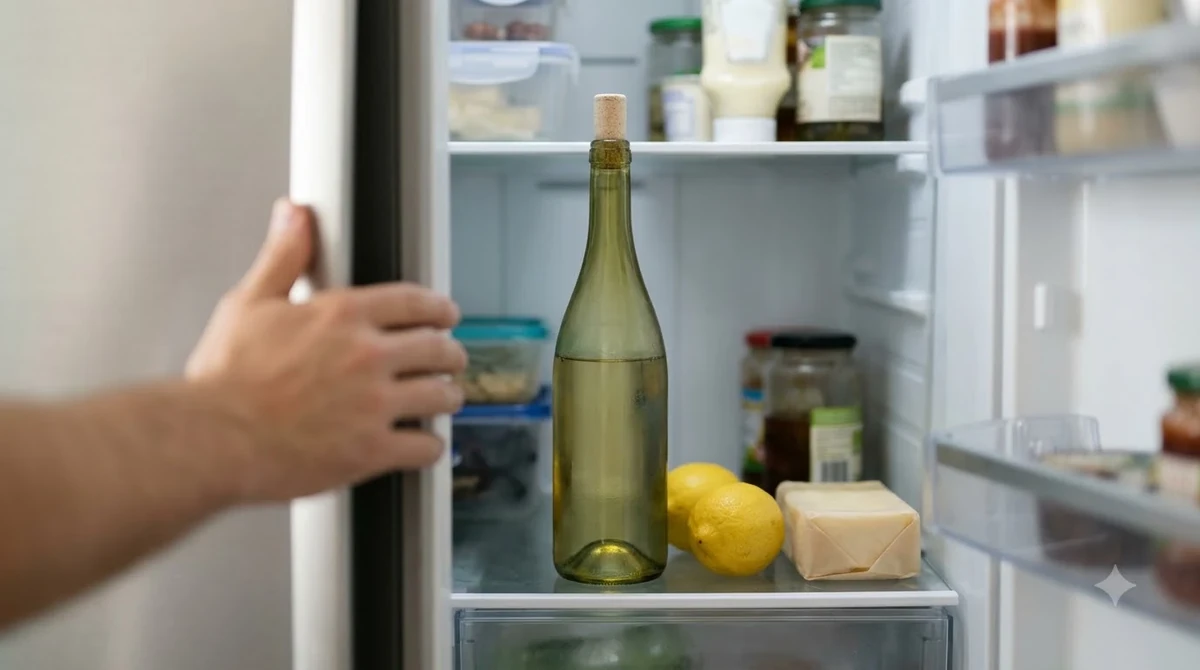
Tip: If you are not sure which style you have, pour a small taste at refrigerator temperature, then taste again after five minutes in the glass. The wine will show you where it wants to sit.
Labels can also help you guess the style before you open the bottle. Terms such as “unoaked,” “stainless steel fermented,” or a region known for lean wines usually point to a crisp, cooler-served bottle. Words such as “barrel fermented,” “malolactic,” or “reserve” often signal a richer, oaked style that rewards a little more warmth. When a label gives no hints, start somewhere between the lean and oaked targets, and adjust after the first few sips. That small step keeps the wine from tasting too cold or too flat while you learn what the bottle wants.
Frequently Asked Questions
Is chardonnay served cold or at room temperature?
Neither extreme is ideal. Lean chardonnay is usually served around 45°F (7°C), and oaked chardonnay closer to 55°F (12°C). Room temperature is too warm for most styles, while a bottle straight from the freezer is too cold to show its flavor.
How long should chardonnay sit in the fridge before serving?
A couple of hours in the refrigerator usually brings a bottle to the right range for most styles. If the bottle is already cold, a few minutes on the counter before pouring is enough to bring out its aromas.
Does chardonnay get better when it is opened early?
Most chardonnay does not need to be opened early. Young oaked wines may open up slightly in the glass, but most bottles are best poured as they are. Decanting is generally reserved for older bottles, according to the Wine Folly guide.
Can chardonnay be served too cold?
Yes. When chardonnay is too cold, its fruit and oak become hard to detect and its acidity can feel sharp. Sparkling chardonnay is the one style that is meant to be served at the cold end of the scale, roughly 38 to 45°F (3 to 7°C).
Chardonnay rewards a little attention to temperature, and the right serving range changes with the style in your glass. Start with the table above, use the refrigerator to bring the bottle down, and let it warm slightly as you drink. If you want to see how chardonnay fits among other white and red styles, the Wine by Type section groups the main grapes so you can compare them side by side.
More in Wine Types & Grapes
 Zinfandel Sugar Content: Dry Red vs. White Zinfandel GramsUpdated Nov 21, 2026
 Best Zinfandel Substitute Options for Sipping and CookingUpdated Nov 21, 2026
 Zweigelt Food Pairing: Best Dishes, Cheeses, and Serving TipsUpdated Nov 21, 2026
 Zinfandel Tannins Explained: How Structure Shapes Every BottleUpdated Nov 21, 2026
 Zinfandel Sweetness Level: Dry Red vs. Sweet White Zin ExplainedUpdated Nov 21, 2026
 Xinomavro Food Pairing: Best Dishes, Styles, and Serving TipsUpdated Nov 21, 2026