

We may earn a commission when you buy through links on this page, at no extra cost to you. Learn more.
What is ice wine? It is a very sweet dessert wine made from grapes that freeze naturally on the vine. The grapes must be picked and pressed while frozen, which concentrates their sugar and acid into a small amount of juice. The result is a rich, intense wine with a moderate alcohol level, usually around 10 to 11.5% ABV, and it is served chilled in small glasses.
If you have seen ice wine on a dessert menu or a gift shelf and wondered why it costs more than a standard bottle, this guide explains how it is made, what it tastes like, and how to serve it. The style is rare because the weather has to cooperate, and that rarity shapes both its price and its reputation.
How ice wine is made
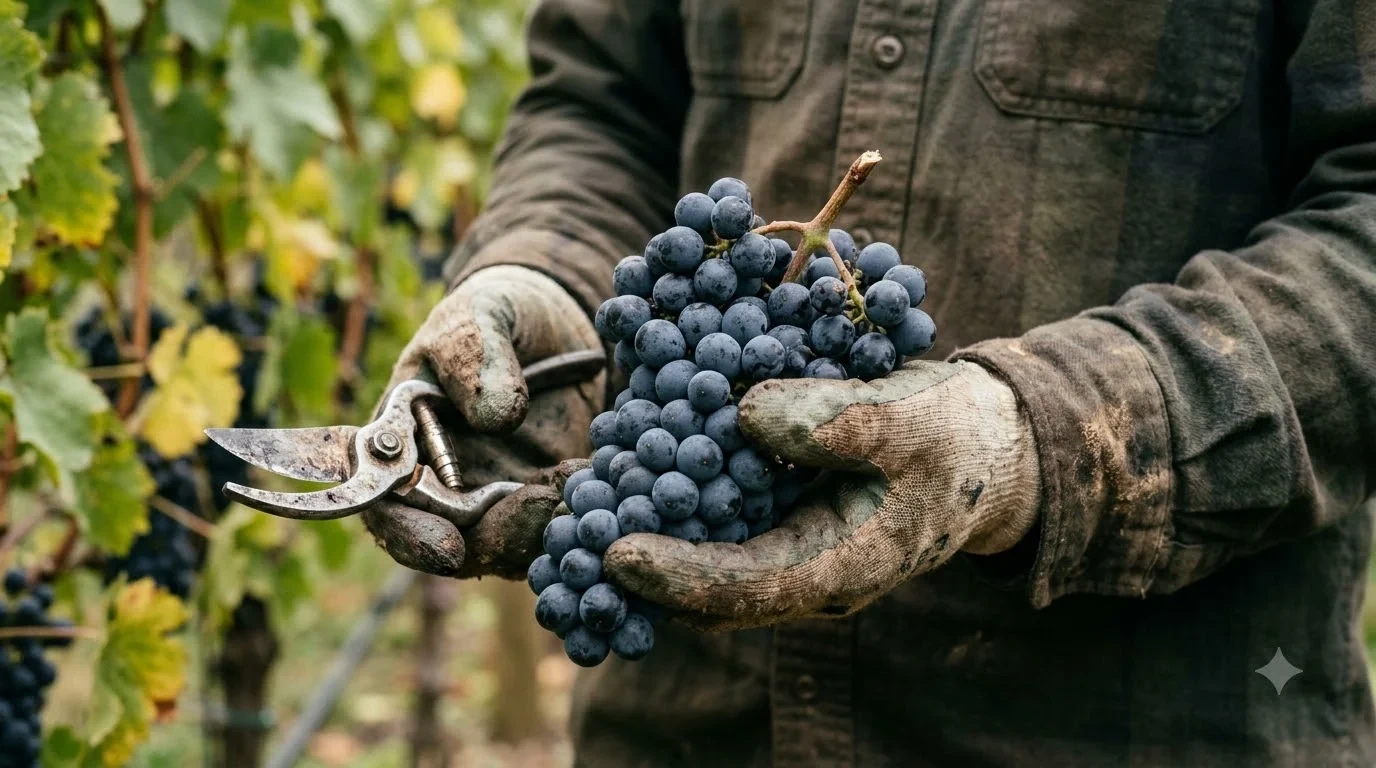
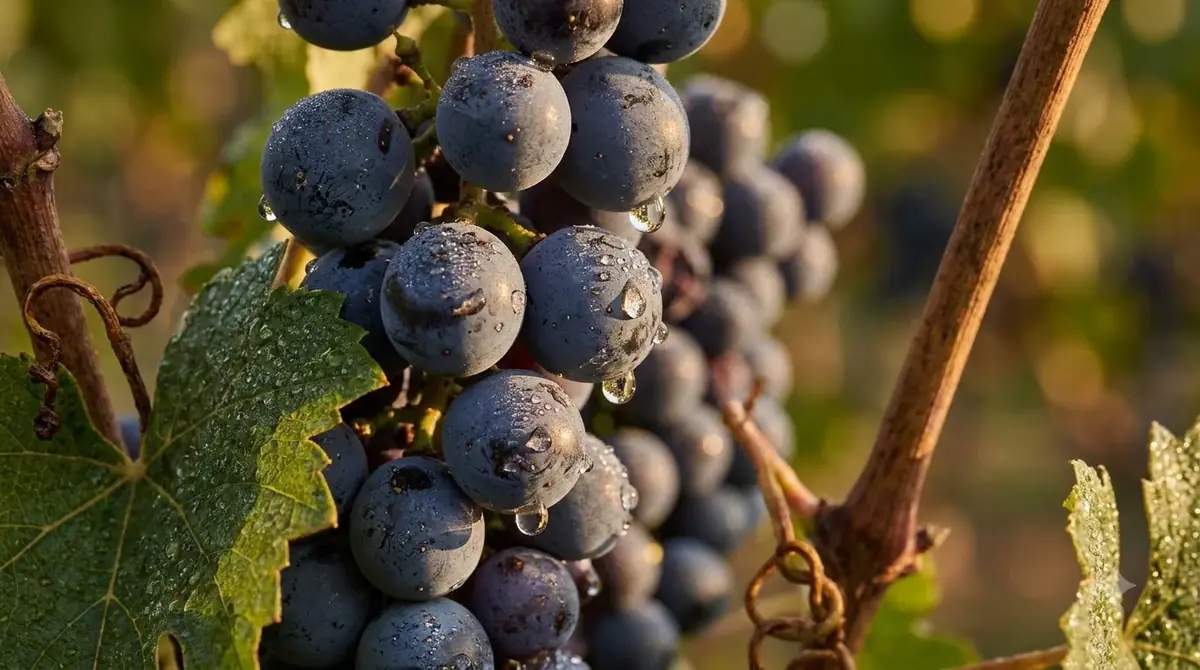
Ice wine begins in the vineyard, not the cellar. The grapes are left on the vine into the winter, and they must freeze naturally for the wine to qualify. Winemakers cannot simply chill the fruit afterward and call it ice wine. The grapes have to reach a low temperature on the vine itself, and Wine Folly lists a minimum of -8°C (17.6°F) for the process.
Once the grapes are frozen, they are harvested, usually in the cold of night or early morning, and pressed while still solid. The water in each berry stays frozen as ice crystals, and the press squeezes out only the concentrated sugar and acid. This is why the yield is so small: a large amount of fruit produces only a little juice.
The fermentation is slow, and the wine often stops with a high level of residual sugar. That sugar is what gives ice wine its signature sweetness. Winemakers then age the wine and bottle it, and the finished product is a concentrated, syrupy wine that is quite unlike a standard table wine.
What ice wine tastes like
Ice wine is intensely sweet, and most descriptions use the word “very sweet” to capture its character. The sweetness is balanced by acidity, which keeps the wine from feeling cloying, so a well-made bottle tastes bright as well as rich.
Wine Folly describes ice wine as having a medium-full body and medium-high acidity, with no tannins to speak of. That combination gives it a smooth, viscous mouthfeel and a long finish. The aromas usually lean toward ripe tropical or stone fruit, honey, and dried apricot, with a lift from the acidity that keeps the sweetness in check.
Because the wine has so little tannin, it does not dry the mouth the way a red wine does. That makes it an easy glass for people who find some dessert wines too heavy, but it also means the balance between sugar and acid is the key to whether a bottle tastes good.
| Feature | Ice wine | Standard dessert wine |
|---|---|---|
| How the grapes are harvested | Frozen on the vine, pressed while frozen | Picked ripe or late harvest |
| Sweetness | Very sweet | Varies from off-dry to sweet |
| Alcohol | About 10 to 11.5% ABV | Varies widely by style |
| Tannin | None to speak of | Varies |
| Serving | Chilled, in a small dessert glass | Varies by style |
Grapes used for ice wine
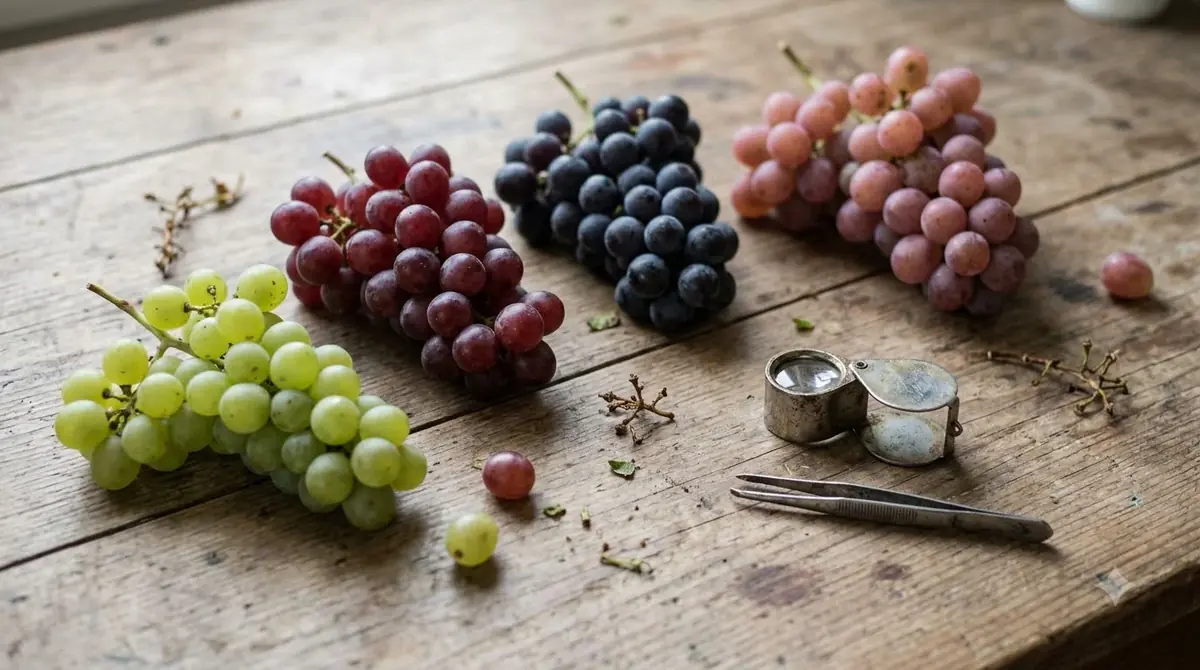
Ice wine can be made from several white grape varieties, and the grape affects the final flavor. Wine Folly names Riesling, Vidal, and Cabernet Franc as examples. Riesling tends to bring high acidity and a clean, floral character, while Vidal is valued for its ability to hold acidity in cold conditions. Cabernet Franc is less common in the style, and it can add a red-berry note that stands out against the sweetness.
The grape choice is one reason ice wines differ so much from one another. Two bottles that are both labeled ice wine can taste quite different, so it helps to read the grape on the label and think about the flavors you prefer.
How to serve ice wine
Ice wine is served cold, but not ice-cold. Wine Folly recommends serving it at 45 to 55°F (7 to 12°C), in a dessert glass. The cool temperature keeps the sweetness fresh and brings out the acidity, which might otherwise taste flat at warmer temperatures.
Decanting is not necessary, since the wine is already smooth and does not carry much sediment. A small pour is the rule here. Because the wine is so sweet and concentrated, a few ounces is enough for most people, and the remainder can be recorked and kept cold for a few days.
Tip: Serve ice wine after a meal, not before. Its sweetness can overpower a savory dish, and it works best when it is the final course.
Food pairings for ice wine
The best pairings with ice wine are desserts that do not compete with its sweetness. Fruit tarts, lemon desserts, and plain cakes or cookies let the wine stand out. A soft, creamy cheese or a mild blue cheese can also work well, because the wine’s acidity cuts through the richness.
Some people enjoy ice wine with foie gras or pâté as a savory-sweet contrast, though this is a matter of taste. Avoid pairing it with spicy dishes, since heat and very high sweetness often clash. When in doubt, choose a simple dessert with fruit and let the wine carry the flavor.
How ice wine differs from port
People sometimes group ice wine with port wine because both are sweet and often served after dinner. They are made very differently. Port is a fortified wine, with brandy added during fermentation to stop it and keep sugar in the wine. Ice wine is not fortified. Its sweetness comes from the frozen grapes themselves, and the alcohol stays moderate.
That difference changes the feel of each wine. Port is usually richer in alcohol and can have a warming, sometimes nutty character. Ice wine is lighter in alcohol and more focused on fruit and acidity. If you enjoy one, the other is worth trying as a comparison, especially with a dessert course.
How to choose an ice wine
Look for the words “ice wine” or “icewine” on the label, and check whether the bottle is a true frozen-grape style rather than a late-harvest wine. The label often names the grape, the region, and the vintage, which helps you compare bottles.
Because ice wine is produced in small quantities and poured in small amounts, a single bottle can last a long time at the table. Storage is simple: keep the bottle cool, out of direct sunlight, and recork it after opening. Wine Folly gives a cellaring window of three to five years for this style, so there is no need to keep it for a decade. For a broader look at sweet wines, see Wine by Type, which compares styles across the range.
If you want to read a full, independent overview of the style, the Wine Folly ice wine guide covers the grapes, temperature, and serving details in more depth.
Frequently Asked Questions
What is ice wine made from?
Ice wine is made from white grapes such as Riesling and Vidal, and sometimes Cabernet Franc. The grapes must freeze naturally on the vine before they are harvested and pressed.
Is ice wine very sweet?
Yes. Ice wine is described as very sweet because the frozen grapes give a concentrated juice with a high level of sugar. Good bottles are balanced by acidity, which keeps the wine from tasting heavy.
How should ice wine be served?
Serve it chilled at about 45 to 55°F (7 to 12°C) in a small dessert glass. It is best after a meal, with a simple dessert, and it does not need decanting.
Is ice wine the same as port?
No. Port is fortified with brandy, while ice wine is not. Ice wine gets its sweetness from naturally frozen grapes and has a moderate alcohol level of roughly 10 to 11.5% ABV.
Ice wine is a small pour with a big flavor, and it rewards a slow glass at the end of a meal. Start with a small bottle from a trusted producer, serve it cold, and pair it with something simple to see what the style offers.
More in Wine Types & Grapes
 Zinfandel Sugar Content: Dry Red vs. White Zinfandel GramsUpdated Nov 21, 2026
 Best Zinfandel Substitute Options for Sipping and CookingUpdated Nov 21, 2026
 Zweigelt Food Pairing: Best Dishes, Cheeses, and Serving TipsUpdated Nov 21, 2026
 Zinfandel Tannins Explained: How Structure Shapes Every BottleUpdated Nov 21, 2026
 Zinfandel Sweetness Level: Dry Red vs. Sweet White Zin ExplainedUpdated Nov 21, 2026
 Xinomavro Food Pairing: Best Dishes, Styles, and Serving TipsUpdated Nov 21, 2026