

We may earn a commission when you buy through links on this page, at no extra cost to you. Learn more.
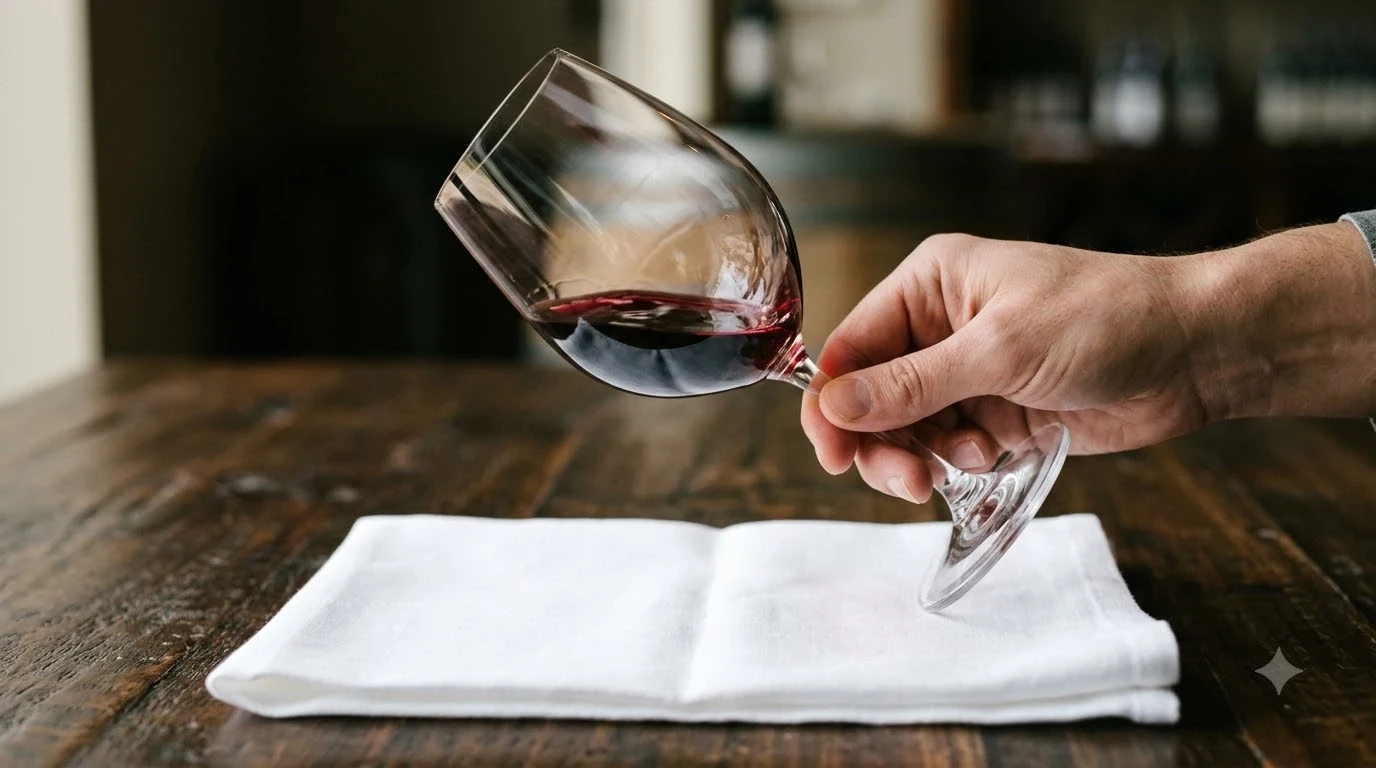
Malbec vs sangiovese comes down to fruit-forward richness versus bright acidity and savory character: Malbec is generally softer, plumper, and more focused on dark fruit, while Sangiovese is typically more tart, structured, and food-friendly. Malbec is an excellent choice for grilled steak, barbecue, and hearty dishes that benefit from ripe fruit. Sangiovese is especially appealing with tomato-based pasta, pizza, roasted vegetables, and traditional Italian meals. Both are dry red wines, but their differences in acidity, tannin, and flavor make them suited to different occasions.
Choosing between these two grapes is easier when you understand what each contributes to the glass. Malbec is strongly associated with Argentina, particularly Mendoza, although its origins are French. Sangiovese is Italy’s best-known Tuscan red grape, appearing in famous wines such as Chianti and Brunello di Montalcino. Their regional identities influence how producers grow the grapes and make the wines. However, the practical differences are just as important: how heavy each wine feels, how much freshness it brings to food, and whether its fruit or savory character better suits dinner.
Malbec and Sangiovese: The Main Differences
Malbec generally delivers darker fruit, a rounder mouthfeel, and softer tannins, whereas Sangiovese emphasizes cherry-like fruit, higher acidity, and firmer structure. If you want a generous red that feels smooth and approachable, Malbec is usually the easier starting point; if you prefer freshness and savory complexity, Sangiovese deserves attention.
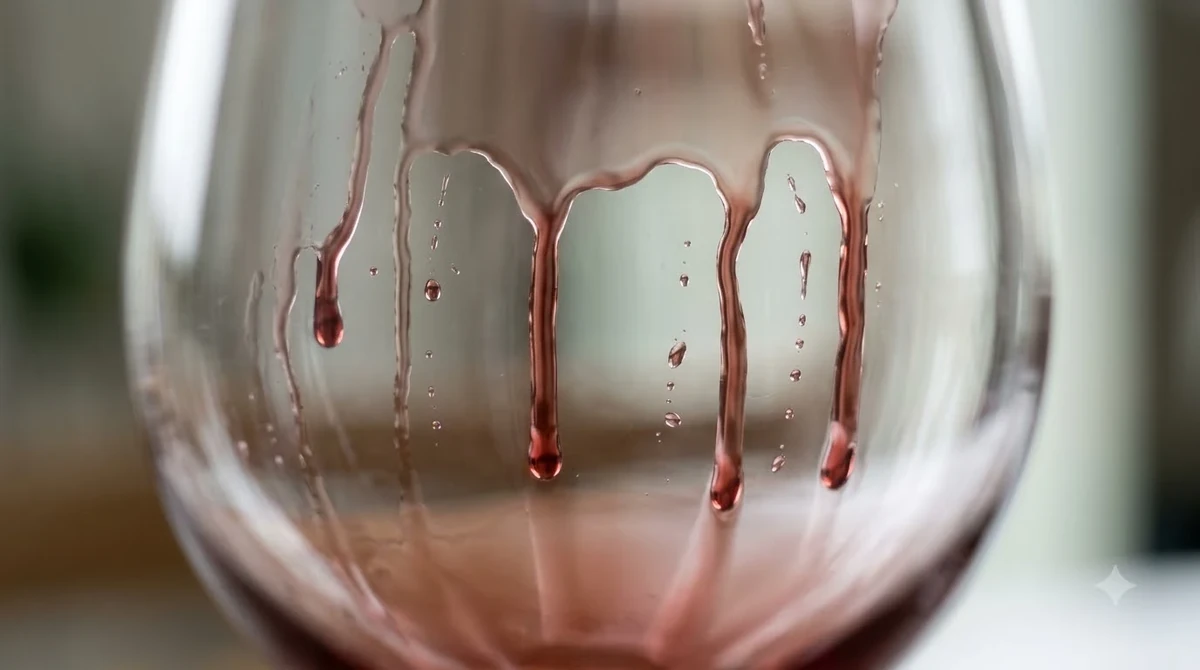
Malbec is most familiar as an Argentine red, particularly from Mendoza and the vineyards near the Andes. Its typical flavor profile includes plum, blackberry, black cherry, and sometimes violet. The wines often have a deep purple or ruby appearance and a medium-to-full body. Depending on the producer and growing conditions, Malbec can feel juicy and approachable or more concentrated and structured. Oak-aged examples may also show vanilla, tobacco, and sweet spice.
Sangiovese has a different personality. Its most recognizable expression comes from Tuscany, where it is used for Chianti and Brunello di Montalcino. Red cherry, sour cherry, plum, dried herbs, and earthy or savory notes are common descriptors. Its naturally high acidity gives the wine freshness, while its tannins can create a firm, slightly drying sensation. The combination makes Sangiovese particularly effective alongside meals rather than simply as a wine to sip without food.
These are typical tendencies, not absolute rules. A cooler-climate Malbec can be fresher and more restrained than an intensely ripe example, while a carefully matured Sangiovese can be rounder and more polished than a young, firmly structured bottle. Winemaking, vineyard elevation, harvest timing, oak, and blending all influence the finished wine.
| Characteristic | Malbec | Sangiovese |
|---|---|---|
| Best-known region | Mendoza, Argentina | Tuscany, Italy |
| Typical fruit | Black plum, blackberry, black cherry | Red cherry, sour cherry, red plum |
| Acidity | Medium | High |
| Tannin | Medium, often softer | Medium to high, often firmer |
| Body | Medium to full | Medium to full |
| Color | Deep ruby to purple | Pale ruby to deep ruby or garnet |
| Common aromas | Plum, blackberry, violet, vanilla | Cherry, herbs, earth, dried flowers |
| Serving temperature | 60–65°F for fuller styles | 60–65°F for fuller styles |
| Best food matches | Steak, lamb, barbecue | Pizza, tomato pasta, roasted meats |
| Typical wine style | Fruit-forward and generous | Fresh, savory, and structured |
The most useful distinction is the relationship between fruit and acidity. Malbec tends to make ripe fruit the center of attention, while Sangiovese uses acidity and tannin to create a more energetic, structured impression. Neither grape is automatically better. The right choice depends on whether you want a softer, darker-fruited wine or one with more freshness and savory definition.
Flavor, Aroma, and Mouthfeel
Malbec usually tastes like dark fruit with a rounded texture, while Sangiovese tends toward red fruit, herbal notes, and a more noticeable acidic lift. Their aroma profiles can overlap, but the difference becomes clear when you compare the wines side by side.
Malbec’s signature flavors include black plum, blackberry, black cherry, and sometimes raspberry. In Argentine examples, floral aromas such as violet may accompany the fruit. Some bottles also show fresh herbs, including thyme and oregano. These characteristics can vary considerably across Argentina because the grape is cultivated over a large geographical area and at widely differing elevations.
Oak aging introduces another dimension. Barrels, large oak vessels, or oak alternatives can contribute vanilla, tobacco, and sweet spice. The amount of oak influence depends on the wood’s origin, toast level, and contact time. A Malbec aged with significant new oak may taste richer and more layered, while an unoaked or lightly oaked bottle generally puts the fruit first.
Sangiovese tends to emphasize cherry rather than blackberry. Expect red cherry, sour cherry, plum, dried herbs, and sometimes earthy or floral notes. The fruit may feel less sweet and more tart, even though the wine is technically dry. Its higher acidity gives the palate a lively sensation that can make the mouth water and prepare it for another bite of food.
The grape’s color range is also different. The Court of Master Sommeliers describes Sangiovese’s range as pale ruby through deep ruby to garnet. Malbec is commonly darker, often showing purple or deep ruby tones. These visual differences are useful clues, but they should not be treated as definitive proof of grape variety because extraction, age, and production choices affect color.
What does each wine feel like?
Malbec often feels broad and generous across the palate. Its softer tannins can make it seem smoother, particularly when the fruit is ripe. That does not mean every Malbec is low in tannin. A concentrated example, especially one with substantial oak influence, can still have considerable structure.
Sangiovese usually feels more energetic. Its acidity gives it a firm backbone, while its tannins can leave a drying impression along the gums. The combination can make the wine seem leaner or more angular than Malbec, even when both have comparable body. A mature Sangiovese may develop softer textures and more complex savory aromas.
Tip: When comparing the two, taste them at similar temperatures and use the same type of glass. Try a small sip of water between wines, then pay attention to whether the main impression is dark fruit and softness or cherry, acidity, and tannin.
Acidity, Tannins, Alcohol, and Body
The structural difference is one of the strongest reasons to choose Sangiovese over Malbec or vice versa. Malbec usually has medium acidity and relatively approachable tannins, while Sangiovese is known for high acidity and firmer tannic structure.
Acidity determines how fresh and lively a wine tastes. It can make a red wine feel crisp rather than heavy, especially when served with food. Sangiovese’s higher acidity is particularly useful with tomato sauces, which also have substantial acidity. The wine is less likely to taste flat beside the food because its freshness can keep pace with the dish.
Malbec’s medium acidity creates a different balance. The wine often feels rounder and less sharply refreshing, allowing its ripe fruit to take the lead. This quality makes it attractive with grilled meat and dishes featuring roasted flavors. It can also work with foods that have some richness, since the wine’s fruit provides contrast without relying on high acidity.
Tannin is the drying sensation associated with compounds extracted from grape skins, seeds, and sometimes oak. Malbec often has moderate, softer-feeling tannins, although growing conditions and winemaking can create more structured examples. Sangiovese generally has firmer tannins, giving it a grip that can complement protein-rich food.
Neither grape has one fixed alcohol level. Ripeness, climate, vineyard altitude, harvest timing, and fermentation choices all influence the final alcohol content. Warmer growing conditions and later harvesting can produce riper fruit and potentially higher alcohol, while cooler conditions may preserve freshness. For this reason, it is better to compare individual bottles than assume one variety always contains more alcohol than the other.
How body affects the drinking experience
Body describes the overall weight of wine in the mouth. Both Malbec and Sangiovese can range from medium-bodied to full-bodied, depending on where they are grown and how they are made. A young, fruit-focused Malbec may feel generous without being especially heavy, while a structured Sangiovese may have substantial concentration despite its brighter acidity.
Oak can change the perception of body in both wines. Extended maturation in oak may add texture and flavor complexity, while extraction during fermentation can influence tannin and concentration. Large neutral barrels are one possible Sangiovese winemaking approach, alongside blending. These methods can shape the wine without necessarily creating a strong vanilla or toasted-wood flavor.
If you prefer a smooth red without a strong drying sensation, begin with a fruit-forward Malbec. If you enjoy wines that feel fresh, firm, and more structured, explore Sangiovese. Those preferences are more useful than simply choosing by color or alcohol percentage.
Where Malbec and Sangiovese Are Grown
Malbec is internationally associated with Argentina, while Sangiovese is most closely identified with Tuscany. Their geographic identities help explain why the grapes produce such different wine styles, even though both can be made into dry red wines suitable for everyday meals or special occasions.
Malbec originally comes from France and became particularly successful in Argentina after arriving during the mid-19th century. Mendoza is its best-known Argentine home, with vineyards distributed across different elevations and growing conditions. The Andes influence the region’s continental climate, and low rainfall and relatively poor soils are important features of the broader Argentine wine-growing environment.
Argentine Malbec is not one uniform style. Vineyard altitude, temperature differences, soil composition, and exposure can change the character of the grapes. Lower-elevation or warmer sites may produce riper fruit and a more generous texture, while higher sites can preserve freshness and produce more restrained expressions. Argentina’s Malbec-growing territory extends for more than 2,000 kilometers, with vineyards ranging from approximately 280 to 3,100 meters above sea level. The Mendoza wine guide to Malbec provides additional detail on the grape’s regional range, aromas, and serving recommendations.
France remains important to Malbec’s identity, especially Cahors in southwestern France. French examples can offer a more restrained or structured interpretation than many familiar Argentine bottles. This makes Cahors a useful comparison for drinkers who enjoy Malbec but want to explore how regional conditions affect the same grape.
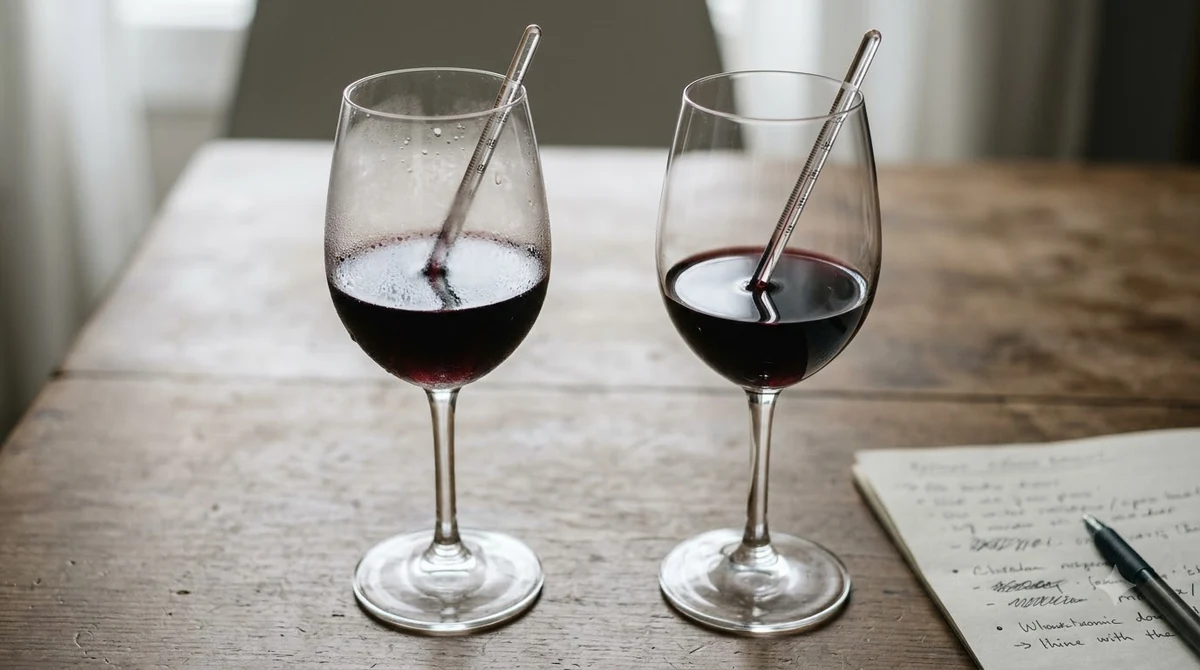
Sangiovese is strongly associated with Tuscany, where it forms the foundation of several important wine traditions. Chianti, Chianti Classico, and Brunello di Montalcino are among its best-known regional associations. The wines can differ substantially in structure, concentration, aging, and regional expression, but the grape’s characteristic acidity and cherry-driven character remain important reference points.
Chianti Classico is a particularly useful example of Sangiovese’s regional identity. Its official product specification describes the wine as ruby red, with an intense floral aroma and a dry, fresh, slightly tannic taste. The minimum total alcoholic strength specified for Chianti Classico is 12% by volume.
Some prestigious Tuscan wines have specific grape-composition rules. For Chianti Classico Gran Selezione, the specification calls for Sangiovese to account for 90–100% of the grape composition, with certain other native varieties permitted within the remaining allowance. This is one reason the name on the bottle matters: a regional designation can communicate more than the grape variety alone.
For further comparisons between Italian reds, see montepulciano vs sangiovese. To understand another Argentine grape comparison, explore malbec vs zinfandel. Both comparisons help explain how differences in fruit character, structure, and regional style affect the finished wine.
Food Pairing: Steak, Pasta, Pizza, and More
Malbec is generally the stronger match for grilled steak, lamb, and barbecue, while Sangiovese is especially good with tomato-based pasta, pizza, and Italian dishes featuring herbs and roasted vegetables. The best pairing depends on the food’s acidity, fat, salt, seasoning, and cooking method rather than the grape name alone.
Malbec’s dark fruit and softer tannins work well with grilled beef. The caramelized exterior of a steak provides savory flavors that complement the wine’s ripe fruit. Salt and fat also soften the perception of tannin, helping a structured red feel more balanced. Ribeye, strip steak, grilled short ribs, and beef burgers are all practical choices.
Lamb and grilled goat are other good options. Their savory flavors and substantial textures suit Malbec’s medium-to-full body. Roasted vegetables, especially eggplant, mushrooms, peppers, and onions, can also provide useful flavor connections. A Malbec with noticeable herbal aromas may be particularly appealing alongside rosemary or thyme-seasoned meat.
Sangiovese has a natural advantage with tomato-based dishes. Tomato sauce has noticeable acidity, and Sangiovese’s high acidity helps it retain freshness beside the food. Try it with spaghetti and marinara, lasagna, baked ziti, meatballs in tomato sauce, or a simple pizza topped with tomato, mozzarella, and basil.
Its savory side also complements roasted vegetables and grilled meats. Tuscan-style dishes with rosemary, garlic, beans, mushrooms, and roasted peppers can work particularly well. A medium-bodied Sangiovese can be a better choice than a heavier Malbec when the meal includes several vegetable-based courses or a tomato-rich sauce.
Pairing by cooking method
Cooking method can matter as much as the main ingredient. A plain grilled steak generally favors Malbec, while beef braised with tomatoes may favor Sangiovese because the sauce introduces acidity. Similarly, grilled lamb with herbs can work with either grape, but a tomato-based lamb stew is likely to be more comfortable alongside Sangiovese.
For fatty or salty foods, both wines can work because salt and fat soften tannin. A heavily seasoned barbecue dish, however, may favor fruit-forward Malbec if the seasoning is smoky or slightly sweet. Sangiovese is a strong alternative when the sauce is tomato-based, herbal, and acidic.
Spicy food requires more care. Chili heat can become more pronounced with alcohol and tannin, so very hot dishes may make either wine seem harsher. If the meal includes substantial chili heat, consider a milder preparation rather than relying on a full-bodied red to offset the spice.
Here is a practical comparison of common dishes:
| Food | Better starting choice | Why it works |
|---|---|---|
| Grilled ribeye | Malbec | Dark fruit and softer tannins suit rich beef. |
| Lamb chops with rosemary | Malbec | Ripe fruit complements the savory grilled flavors. |
| Spaghetti marinara | Sangiovese | High acidity works with tomato sauce. |
| Margherita pizza | Sangiovese | Cherry fruit and freshness suit tomato and basil. |
| Beef lasagna | Sangiovese | Acidity balances tomato, cheese, and meat. |
| Barbecue ribs | Malbec | Dark fruit complements smoky and savory flavors. |
| Roasted mushrooms | Sangiovese | Savory character and acidity complement earthy flavors. |
| Grilled peppers | Either | Both can work, depending on seasoning and preparation. |
One important exception is seafood. Tannic red wines can clash with oily fish, creating an unpleasant metallic or harsh impression. Neither Malbec nor Sangiovese is the obvious first choice for a rich serving of oily fish. A fresh white wine is generally a more reliable match.
Serving Temperature, Decanting, and Storage
Both wines are best served slightly cooler than typical room temperature, particularly in warm environments. A fuller Malbec or Sangiovese generally benefits from a serving temperature of 60–65°F, which helps preserve freshness while allowing the aromas to develop.
Many people serve red wine too warm. At higher temperatures, alcohol can become more noticeable, and ripe fruit may seem heavy or less defined. A short period in the refrigerator before serving can help bring a bottle into the recommended range. If the wine becomes too cold, give it a few minutes in the glass to warm gradually.
Malbec’s ideal serving temperature depends partly on its style. A young, lighter Argentine example can be served closer to the lower end of the light-red range, around 55–60°F. A fuller, oak-aged Malbec generally works better around 60–65°F. The Mendoza wine education guide gives approximate recommendations of 14–16°C for young Malbec and 16–18°C for Reserva or Gran Reserva examples.
Sangiovese is also best served around 60–65°F for fuller examples. Younger, lighter versions can be served a little cooler, particularly during warm weather. Avoid serving either wine excessively warm, because high serving temperatures can make alcohol seem more prominent and reduce the impression of freshness.
Should you decant Malbec or Sangiovese?
Decanting is optional for both grapes, but it can be useful for young, concentrated reds. A young full-bodied red may benefit from approximately 30–60 minutes of aeration before serving. This gives the wine time to open aromatically and can make its texture seem more integrated.
A young, fruit-forward Malbec may need little or no decanting. A more concentrated example with significant oak influence can benefit from some time in a decanter. Sangiovese varies just as much: a straightforward young Chianti may be ready shortly after opening, while a more structured bottle may benefit from additional air.
Older bottles require more care. Decanting an aged wine is not automatically beneficial because extended oxygen exposure can cause delicate aromas to fade. If sediment is present, careful separation from the sediment may be more important than prolonged aeration.
How to store opened bottles
After opening, reseal both wines and keep them in the refrigerator. Most opened still wines remain enjoyable for approximately 3–5 days, although their fruit and aroma gradually change as oxygen interacts with the wine. A smaller bottle with less air space can help reduce oxidation.
For unopened bottles, store wine away from direct sunlight, heat sources, and vibration. A relatively stable environment near 55°F is a useful target, and bottles with natural cork closures are generally stored on their sides. Not every Malbec or Sangiovese is intended for extended aging, so the wine’s structure, producer, and intended style matter when deciding whether to cellar it.
For a simple comparison at home, serve the two wines in equal 5-ounce pours and use the same glassware. A standard 750 ml bottle provides approximately five such servings, making it easy to compare one bottle of each without changing the serving conditions.
Which Wine Should You Choose?
Choose Malbec if you want a dark-fruited, generous red with approachable tannins, especially for grilled meat and hearty dishes. Choose Sangiovese if you prefer high acidity, cherry-driven flavors, and savory structure that works particularly well with Italian food.
Malbec is often a comfortable introduction to red wine for drinkers who enjoy ripe fruit and a relatively smooth texture. Its familiar plum and blackberry character can make it easy to appreciate without extensive tasting experience. A bottle from Mendoza is a useful starting point, while Cahors offers a chance to explore a more structured French expression of the grape.
Sangiovese is especially appealing to drinkers who enjoy freshness and food-driven wines. Its acidity can make it feel more refreshing alongside a meal, and its savory character offers something different from the dark-fruit emphasis of Malbec. A basic Chianti is a practical introduction, while Chianti Classico can offer a more geographically specific expression.
Your preferred food can provide the simplest decision-making shortcut. If dinner involves grilled steak, barbecue, or lamb, Malbec is a natural first choice. If the menu features tomato sauce, pizza, or roasted vegetables, Sangiovese is usually the more natural match.
There are also reasons to keep both grapes available. A wine collection does not need to favor one variety exclusively. Malbec offers an approachable style for meat-focused dinners, while Sangiovese fills a different role with pasta, pizza, and meals where freshness is important.
If you enjoy exploring other red-wine comparisons, malbec vs rioja provides another way to compare regional identity and structure. You can also explore the broader Wine vs Wine comparisons to understand how grape varieties differ in flavor, body, and food compatibility.
Frequently Asked Questions
Is Malbec originally from France or Argentina?
Malbec originated in France before becoming internationally associated with Argentina. It arrived in Argentina during the mid-19th century and became established across many of the country’s wine-growing regions. Cahors in southwestern France remains an important traditional home for the grape.
Is Sangiovese used in Brunello di Montalcino?
Yes. Brunello di Montalcino is made from Sangiovese, traditionally known locally by the name Brunello. The wine is associated with the Montalcino area in Tuscany and has specific production and aging requirements. This regional identity distinguishes it from everyday Sangiovese bottlings.
Can Malbec be made into rosé wine?
Yes. Although most Malbec production is devoted to still red wine, the grape can also be used for rosé, sparkling, fortified, and other styles. Rosé Malbec generally emphasizes fresh fruit and a lighter texture than traditional red examples. Its flavor and color depend on how long the grape skins remain in contact with the juice.
Does Chianti Classico always contain only Sangiovese?
No. Chianti Classico wines can include permitted complementary grape varieties. The Gran Selezione designation has a particularly high Sangiovese requirement of 90–100% under its product specification. Certain native varieties, including Colorino and Canaiolo, may be included within the permitted composition.
What is the difference between Chianti and Chianti Classico?
Chianti and Chianti Classico are separate wine designations with distinct geographical specifications. Chianti Classico refers to the historic production area between Florence and Siena, while the broader Chianti designation covers a larger area. The word Classico therefore identifies a specific regional origin rather than simply a higher quality level.
Malbec and Sangiovese offer two distinct approaches to dry red wine: one emphasizes generous dark fruit and approachable texture, while the other highlights cherry, acidity, and savory structure. Start with Malbec for grilled meats or Sangiovese for tomato-based Italian dishes, then explore different regions and producers to discover which style you prefer. Comparing both with the same meal is an easy way to understand how grape variety changes the entire drinking experience.
More in Wine vs Wine
 Chenin Blanc vs Pinot Gris: Acidity, Body, and Pairing DifferencesUpdated Nov 20, 2026
 Chianti vs Lambrusco: How Tuscany and Emilia-Romagna Reds CompareUpdated Nov 20, 2026
 Chianti vs Primitivo: Key Differences in Taste, Body, and PairingUpdated Nov 20, 2026
 Chianti vs Rioja: Key Differences in Taste, Aging, and PairingUpdated Nov 20, 2026
 Chianti vs Shiraz: How Acidity, Body, and Food Pairings CompareUpdated Nov 20, 2026
 Chianti vs Syrah: Key Differences in Taste, Body, and Food PairingUpdated Nov 20, 2026