

We may earn a commission when you buy through links on this page, at no extra cost to you. Learn more.
Malbec with lamb is a strong pairing because the wine’s soft tannins and dark fruit can handle lamb’s richness without overwhelming its flavor. The best bottle depends on the cut and the sauce, with grilled chops and roast leg usually suiting a fruit-forward Mendoza Malbec and herb-heavy sauces pushing you toward a smoother-tannin style. Serve it at 60 to 65 F and decant a young bottle for 30 to 60 minutes.
Lamb is one of the more interesting meats to match with wine. Its texture is delicate, yet the fat in chops, racks and shoulders gives it real weight, and its savory, sometimes gamey flavor shifts with every herb and sauce on the plate. That is why lamb pairings generate so much debate. This guide explains why Malbec works, how to pick a bottle, how the cut and sauce change the choice, and where Malbec is the wrong call.
Why Malbec Suits the Richness of Lamb
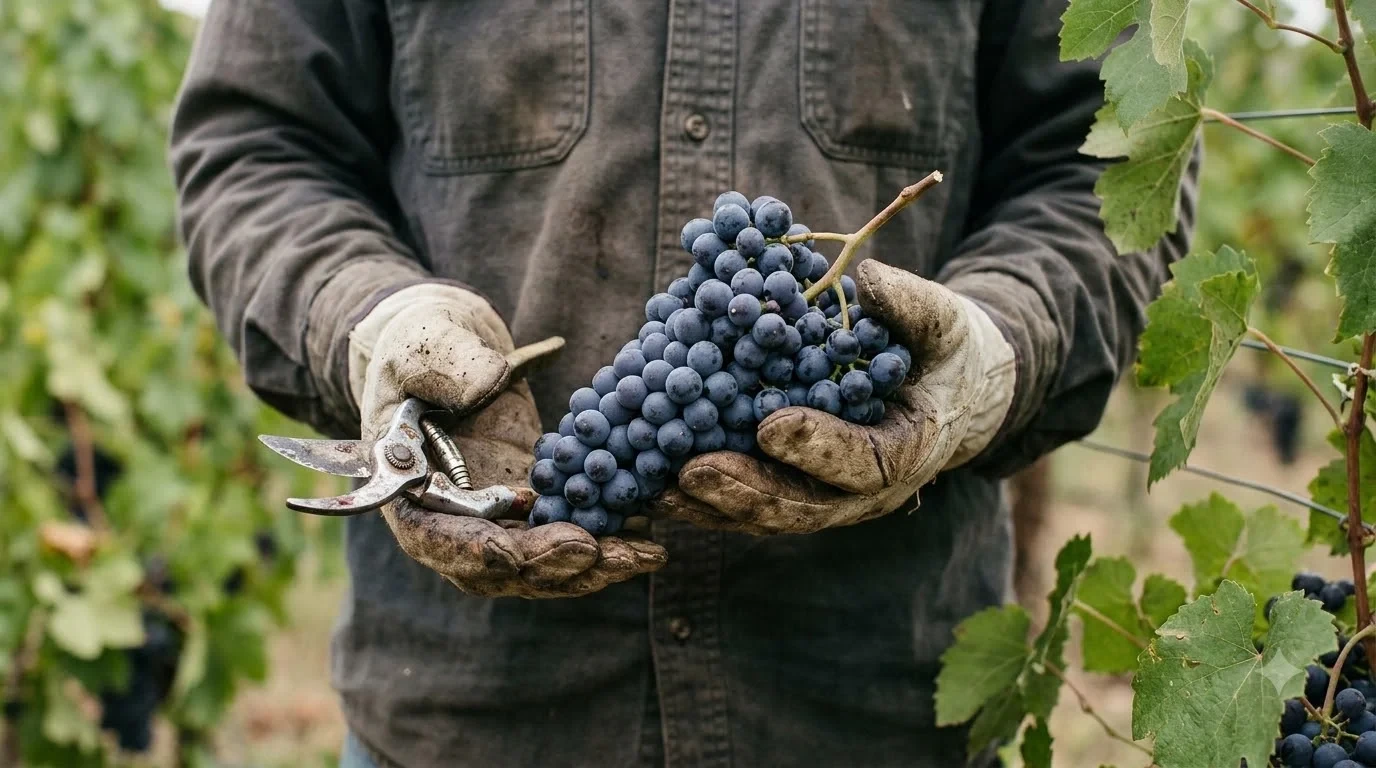
Malbec works with lamb because its dark fruit and full body match the meat’s depth, while its soft tannins avoid a harsh edge. The grape is at its best when the fruit is present enough to meet the lamb’s savory juices.
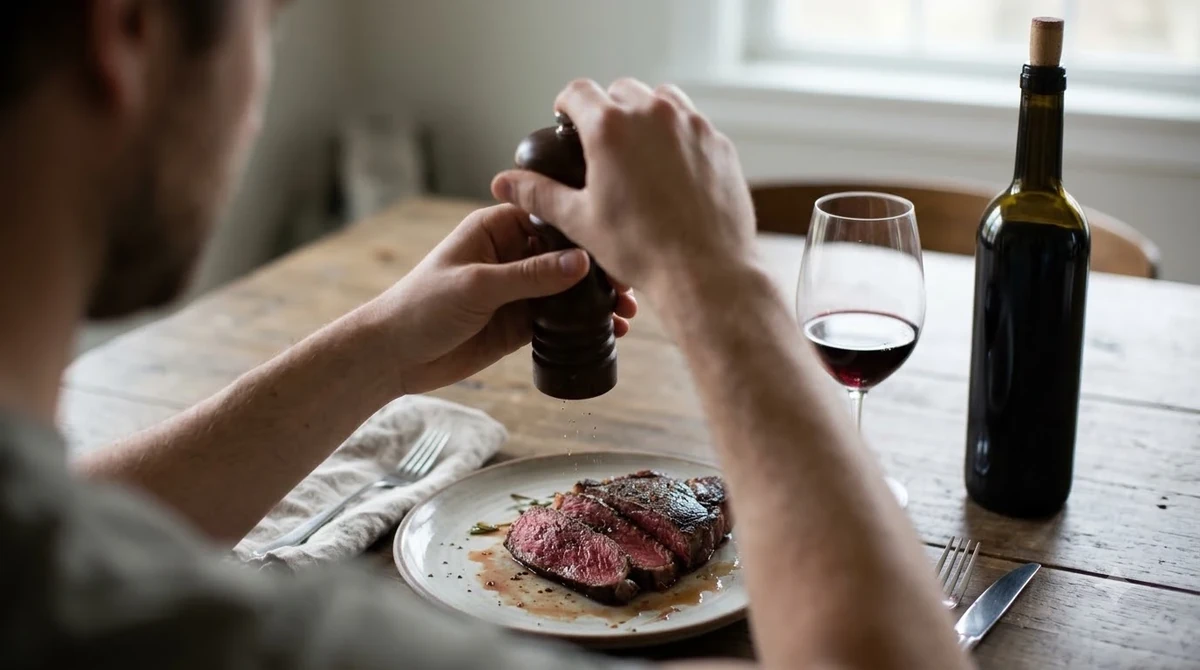
VinePair describes Malbec as fruit-forward and full-bodied with soft tannins, and calls it an easy accompaniment to a rich meal. Plum and blackberry flavors sit comfortably beside roasted or grilled lamb, and the wine tends to feel rounder when it shares a plate with meat rather than drying out the palate. Those qualities explain why Malbec is often recommended as a first red to try with lamb.
Balance is the real question, though. Decanter’s guide to wine with lamb cites master sommelier Kathrine Larsen-Robert, who describes the meat as delicate in texture yet rich and fatty. Her advice is that good acid structure matters and that body should follow the cut, lighter for delicate preparations and fuller for firmer ones. Malbec sits at the fuller end of that range, so the cut you choose matters more with Malbec than it would with a lighter red.
How Tannin and Fat Work Together on the Palate
Fat and tannin interact in a way that helps this pairing. Fat coats the mouth and softens the grip of tannin, so a red with firm structure can taste smoother beside a fatty cut than it does on its own.
Wine Folly makes a similar point in its guide to wine with red meat, explaining that high tannin acts as an astringent palate cleanser for fatty meats. Malbec’s tannins are softer than the high-tannin styles that the guide recommends for the richest cuts, so the wine does not need to scrape the mouth to work. Instead, the fruit and the fat do most of the balancing, and the tannin stays in the background.
A recent study in the Journal of Agricultural and Food Chemistry, reported by Decanter, found that lipids in foods such as meat and cheese interact with tannins and reduce how astringent the wine feels. That helps explain why a fattier preparation such as slow-cooked shoulder can carry a more structured bottle than a lean dish would. It also explains why a Malbec that tastes firm on its own can seem rounder once it is poured with a rich plate.
Choosing the Right Malbec Style for Lamb
The best Malbec for lamb usually comes from Argentina’s Mendoza region, and from the higher vineyards within it. Altitude adds structure and acidity that help a wine keep up with a richly flavored dish.
VinePair reports that Mendoza is home to 85 percent of Argentina’s Malbec plantings, and that more than 75 percent of the world’s Malbec comes from Argentina. The foothill vineyards sit at an average elevation of 2,000 to 3,600 feet, and that cool, dry setting suits the grape. Higher sites bring wider swings between day and night temperatures, which VinePair links to more richness, texture and aroma in the glass.
Altitude itself is the main story. At the extreme high sites, such as the Adrianna Vineyard, the brighter sun makes for thicker grape skins and heightened tannins, which in turn produces wines with more structure, acidity and complexity. For lamb, that is a useful profile: a Malbec from a high site has enough backbone to match a chop or a rack, while a more fruit-led bottle suits braised dishes.
If you are looking at bottles from Cahors, you are buying from the grape’s home. VinePair credits the French region with the origin of Malbec, and Cahors remains a worthwhile reference point. For most dinners, though, a Mendoza Malbec is the practical choice because it is where most of the grape is grown today.
Matching Malbec to Lamb Cuts and Cooking Methods
The cut decides how much body the wine needs, so pick it first and then choose the bottle. Chops and racks are firmer and more intense, roast leg sits in the middle, and slow-cooked shoulder is the softest and most forgiving.
Decanter notes that a rack of lamb is firmer and fuller in flavor because it sits close to the bone, and it recommends a fuller-structured red for it, such as a Pauillac from Bordeaux. For Malbec, that means reaching for a richer, higher-altitude bottle with real structure. Individual chops call for a similar approach. The same guide suggests a juicy wine with strong tannic structure, so a firm Malbec works well with grilled chops and their smoky char.
Slow-cooked shoulder takes a softer route. For that, Decanter’s sommelier advises plenty of acidity to cut through a rich sauce, along with enough fruit sweetness to balance the savory juices. A fruit-forward Malbec with lively acidity covers that brief and suits long, gentle cooking. The table below gives a practical starting point for the most common preparations.
| Lamb preparation | Typical herb or sauce | Malbec style to look for | Serve at | Decant a young bottle |
|---|---|---|---|---|
| Grilled chops | Mint sauce or chimichurri | Structured Malbec with smooth, integrated tannin | 60 to 65 F | 30 to 60 minutes |
| Roast leg, medium | Garlic and rosemary | Balanced Mendoza Malbec | 60 to 65 F | 30 to 60 minutes |
| Rack of lamb | Herb crust | Fuller, high-altitude Malbec | 60 to 65 F | 45 to 60 minutes |
| Braised shoulder | Red wine or tomato sauce | Fruit-forward Malbec with lively acidity | 60 to 65 F | 30 minutes |
Sauces and Herbs That Change the Pick
Sauces and herbs often matter more than the cut. Lamb takes on the flavor of whatever it is cooked or served with, so the sauce should steer the wine choice as much as the meat does.
Wine Folly’s guide to pairing wine with red meat sorts sauces into families. Green sauces such as mint sauce, chimichurri and garlic-rosemary are its example of where Argentinian Malbec shines, because its fruit and smoother, well-integrated tannins carry the herbs without clashing. That makes herb-forward lamb the most natural territory for Malbec, and it is a good rule of thumb when you plan the menu.
Other sauces push you elsewhere. When a dish uses a lot of raw garlic and onion, Wine Folly suggests medium reds with higher acidity, such as Côtes du Rhône or Carménère, to cut through the sharp allium flavors. Brown sauces such as bordelaise, demi-glace and red wine sauce call for earthier, bold reds, and Bordeaux is the obvious reference. Tomato-based sauces need medium-bodied reds with enough acidity to match the fruit, with Sangiovese, Merlot and Cabernet Franc among the guide’s examples.
Herbs can shift the choice as well. Decanter notes that the herbaceous garrigue character in some Syrah or Grenache can add depth to a dish built on thyme, rosemary and sage. If your lamb is heavily herbed, a Malbec with a savory, leafy note will usually feel more natural than one dominated by jammy fruit. For a broader view of how grape styles match dishes, see our Grape x Food guide.
Serving Temperature, Decanting and Pour Size
Serve Malbec at 60 to 65 F, and decant a young bottle for 30 to 60 minutes. The longer end of that window suits firmer cuts, while braises do well with less air.
Serve Malbec at 60 to 65 F. That is the usual range for full-bodied reds, and it keeps the fruit lifted rather than letting alcohol dominate on the palate. Pour about 5 ounces per glass, and remember that a 750 ml bottle yields roughly five glasses.
Decanting helps a young bottle open up. A young full red generally benefits from 30 to 60 minutes of air before dinner. Malbec’s soft tannins mean the lower end is often enough, so a braise can do well with about 30 minutes, while a rack or a firmer high-altitude bottle can take 45 to 60 minutes.
After dinner, recork the bottle and refrigerate it if you want to finish it later. An opened still wine usually stays good for 3 to 5 days. Store unopened bottles on their side in a cool spot near 55 F, which keeps the cork moist and the wine calm.
Tip: Pour a small glass about 30 minutes into the decant and taste it. If the tannins still feel grippy against the lamb, give the bottle more time before pouring for the table.
When Malbec Is Not the Best Choice
Malbec is not the right answer for every lamb dish. Very delicate preparations and lamb served pink call for a lighter or different style, and a bold red can flatten them.
Malbec can overwhelm delicate preparations, so a lightly seasoned, quickly cooked piece of lamb may taste better with a lighter wine. Decanter’s guide also notes that young lamb served pink might take you into Pinot Noir territory, and a fruit-driven Pinot is often a better partner for that kind of cooking. If that describes your dinner, our pinot noir with lamb guide covers those options in more depth.
A rack with a herb crust is another case where the wine choice deserves a second look. Our what wine goes with rack of lamb guide compares the options side by side, including bottles from outside Argentina.
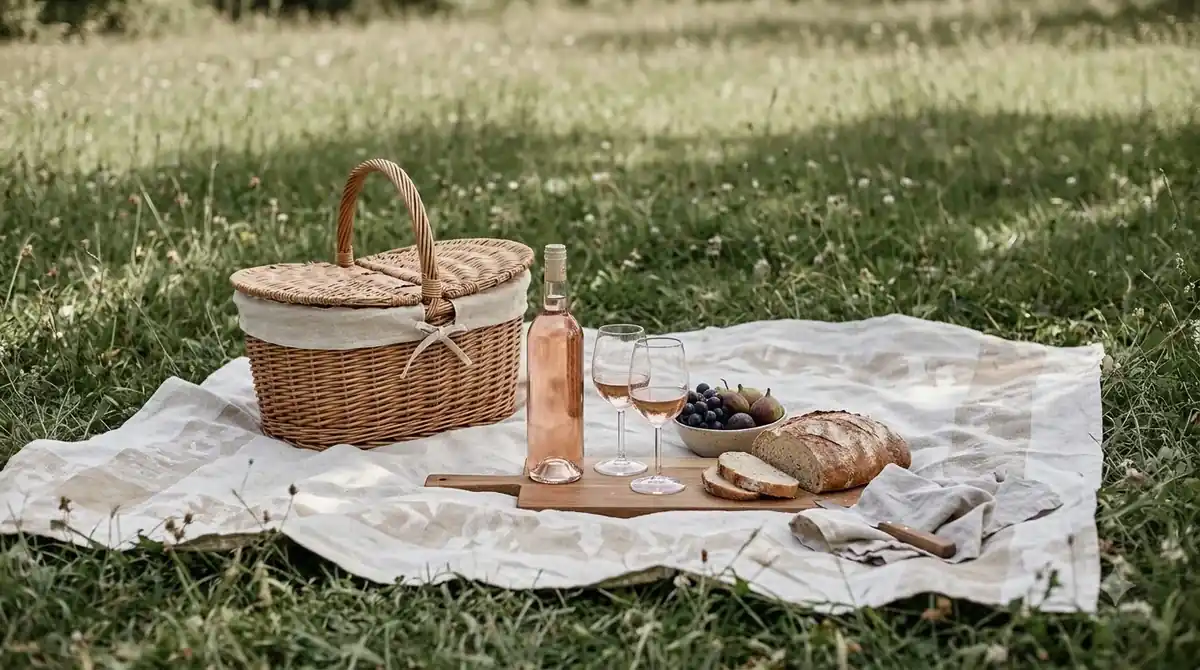
When you want something lighter and warmer for an outdoor meal, Decanter’s experts suggest some unexpected matches. Tavel rosé works with grilled lamb, and Assyrtiko or Greco di Tufo suits lamb marinated in garlic and herbs. Those choices let the meat lead, which can be the better call on a hot evening. Malbec remains the strongest fit for hearty, grilled, herb-forward lamb, where its fruit and tannin do their best work.
Frequently Asked Questions
Here are answers to the questions readers ask most often about this pairing.
Can I drink Malbec with lamb curry?
Wine Folly lists Indian lamb curry among the dishes that suit medium-bodied reds, so a lighter, fruit-driven Malbec is a reasonable middle ground. Decanter pairs rogan josh with a Crianza or Reserva Rioja, which is worth trying when the spices run hot. Keep the tannin moderate, because heat from chilies is amplified by alcohol and tannin.
What sparkling wine suits lamb served pink?
Decanter suggests a vintage rosé Champagne or an English sparkling rosé with rack of lamb served pink. The magazine’s regional editor for France notes that richer styles of pink Champagne can stand up to bigger flavors and richer foods. Bubbles and acidity help clear the palate after a fatty bite.
Does a yogurt sauce change the pairing?
Yes. Wine Folly suggests Grenache or a rosé with a yogurt sauce. A peppercorn sauce works better with peppery Cabernet Sauvignon or Shiraz, so read the sauce before you open the bottle.
Does Syrah work with roast lamb?
Yes. Decanter notes that Syrah or Shiraz is a good option for roast lamb, and that a touch of pepper spice in the glass can complement the texture of the meat. Syrah’s pepper and Malbec’s dark fruit are different routes to the same goal, so either works when the roast is simple.
Is Cabernet Sauvignon a better match than Malbec for roast lamb?
Cabernet Sauvignon is often considered a strong match for roast lamb served medium to well-done, with bright fruit, tannic structure and acidity. Decanter also lists Argentina and Chile among regions to explore for Cabernet blends. Malbec is the softer, rounder alternative, so reach for Cabernet when the roast is cooked through and needs more grip.
Malbec is a dependable partner for lamb because it matches the meat’s richness and offers a range of styles to suit the cut and the sauce. Start with the preparation, choose a Mendoza bottle for grilled or herb-led dishes, and give the wine enough air before serving. That approach will get you a good result more often than hunting for one perfect bottle.
More in Food & Wine Pairing
 Risotto With White Wine Recipe: Make a Creamy Dinner at HomeUpdated Nov 20, 2026
 Wassail With Wine Recipe for a Festive Spiced Holiday DrinkUpdated Nov 20, 2026
 Spritz Veneziano Recipe: Make a Classic Venetian Aperitivo at HomeUpdated Nov 20, 2026
 Summer Wine Punch Recipe for Easy Homemade EntertainingUpdated Nov 20, 2026
 Bishop Recipe: How to Make a Bright, Citrus-Forward Red Wine CocktailUpdated Nov 20, 2026
 Wine Cupcakes Recipe: Bake Rich Chocolate Cupcakes at HomeUpdated Nov 20, 2026