

We may earn a commission when you buy through links on this page, at no extra cost to you. Learn more.
The best wine cooler under 100 is either a single-bottle electric countertop chiller or a double-walled insulated tabletop chiller, depending on whether you want active digital temperature control or zero-cord convenience. If you want to hold a single bottle at an exact serving degree on your kitchen counter, a compact thermoelectric chiller fits the bill. For dinner parties, patios, and outdoor picnics, passive options like vacuum-insulated canisters, freeze-ahead gel sleeves, and thermal marble cylinders keep pre-chilled bottles crisp without taking up outlet space.
Shopping in this entry-level budget tier means shifting expectations from multi-bottle aging cabinets to single-bottle serving gear. Full-size compressor refrigerators and multi-rack wine cellars live in higher price brackets, whereas sub-hundred-dollar coolers focus on bringing an already-chilled bottle to the table or holding one open bottle at its ideal pouring range. Understanding how each cooling style transfers heat—and how long it holds a chill—helps you pick a tool you will actually reach for on a Tuesday night or during a weekend dinner party.
Quick Comparison
Each sub-hundred-dollar wine cooler type balances cooling speed, portability, and temperature precision differently.
| Cooler Type | Cooling Mechanism | Capacity | Temperature Control | Power Needed | Best Use Case |
|---|---|---|---|---|---|
| Single-Bottle Electric Chiller | Thermoelectric (Peltier) | 1 bottle | Digital preset or degree dial | Wall outlet | Countertop holding for open bottles |
| Double-Walled Insulated Chiller | Vacuum-insulated stainless steel | 1 bottle | Passive thermal retention | None | Mess-free indoor dining tables |
| Freezable Gel Chiller Sleeve | Phase-change freezer gel | 1 bottle | Rapid initial chill, gradual warm-up | None (pre-freeze) | Picnics, patios, and rapid cooling |
| Marble or Stone Wine Chiller | High-mass natural stone | 1 bottle | Passive thermal mass | None (optional pre-chill) | Formal tablescapes and minimalist bars |
| Table-Mounted Chiller Bucket | Air-insulated metal with clamp | 1 standard or magnum bottle | Passive (or ice-assisted) | None | Crowded dining tables with tight surface space |
Best for Precise Countertop Temperature Control
Single-bottle electric countertop chillers use solid-state thermoelectric technology to hold one open bottle at a steady, user-selected serving temperature without ice or wet labels.
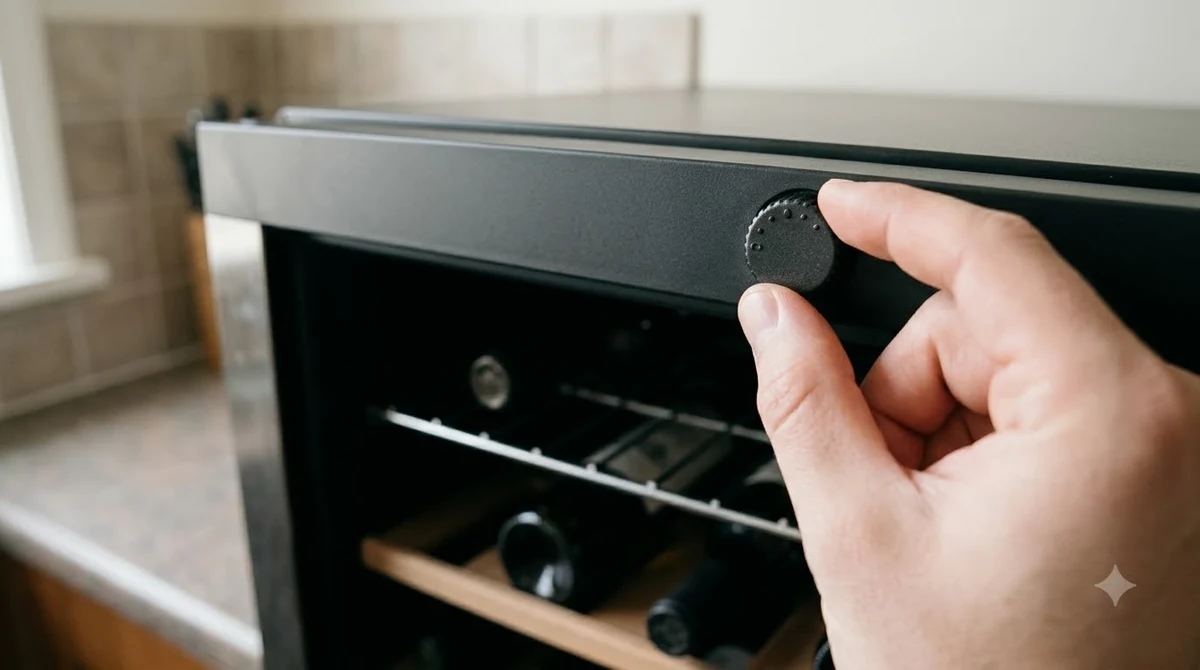
Why it stands out is genuine temperature precision in a tiny footprint. Rather than letting a white wine slowly warm toward room temperature over a three-hour dinner, a thermoelectric unit uses a Peltier module to continuously pull heat away from the bottle. According to Wine Enthusiast’s serving temperature guide, crisp whites shine around 45°F to 50°F, while light-bodied reds like Pinot Noir show best between 54°F and 60°F—ranges that electric countertop chillers let you dial in with push-button ease. Because they contain no refrigerant gas or vibrating compressor, they sit quietly beside a coffee maker or home bar setup.
Keep in mind that thermoelectric modules work relative to the surrounding room temperature and are engineered to maintain a chill rather than rapidly cool a warm bottle from scratch. You will get much better results by starting with a bottle that has already spent an hour in your kitchen refrigerator. Best for wine drinkers who sip one bottle over an entire evening and want exact digital control over whites, rosés, and lightly chilled reds without stepping up to a larger best wine cooler under 300 appliance.
Best for Condensation-Free Dining Tables
Double-walled vacuum-insulated stainless steel chillers trap cold air around a pre-chilled bottle, eliminating puddle rings on wood tables and soggy paper labels.
Why it stands out is effortless, set-and-forget simplicity at the dinner table. Borrowing the same thermal-barrier engineering found in high-end travel tumblers, these rigid canisters feature two walls of stainless steel separated by a vacuum gap that slows heat transfer from warm dining room air. Reviewers at Wine Enthusiast note that iceless double-walled chillers prevent over-chilling delicate rosés and full-bodied whites—a common risk when plunging a bottle into an ice-and-water bath for too long. There is nothing to plug in, nothing to pre-freeze, and zero condensation sweating onto your tablecloth.
Keep in mind that vacuum insulation is strictly a temperature maintainer rather than an active chiller; putting a room-temperature bottle inside will simply keep it at room temperature. Diameter clearance also matters, as narrow-bore canisters fit standard Bordeaux bottles snugly but can be tight for wider Burgundy or Champagne shapes. Best for hosts who pull chilled bottles straight from the kitchen fridge and want a clean, durable vessel that keeps wine crisp through a multi-course meal.
Best for Outdoor Picnics and Fast Chilling
Freezable gel chiller sleeves wrap directly around a bottle using flexible, ice-pack chambers that can drop a room-temperature bottle to serving range in roughly 15 to 20 minutes.
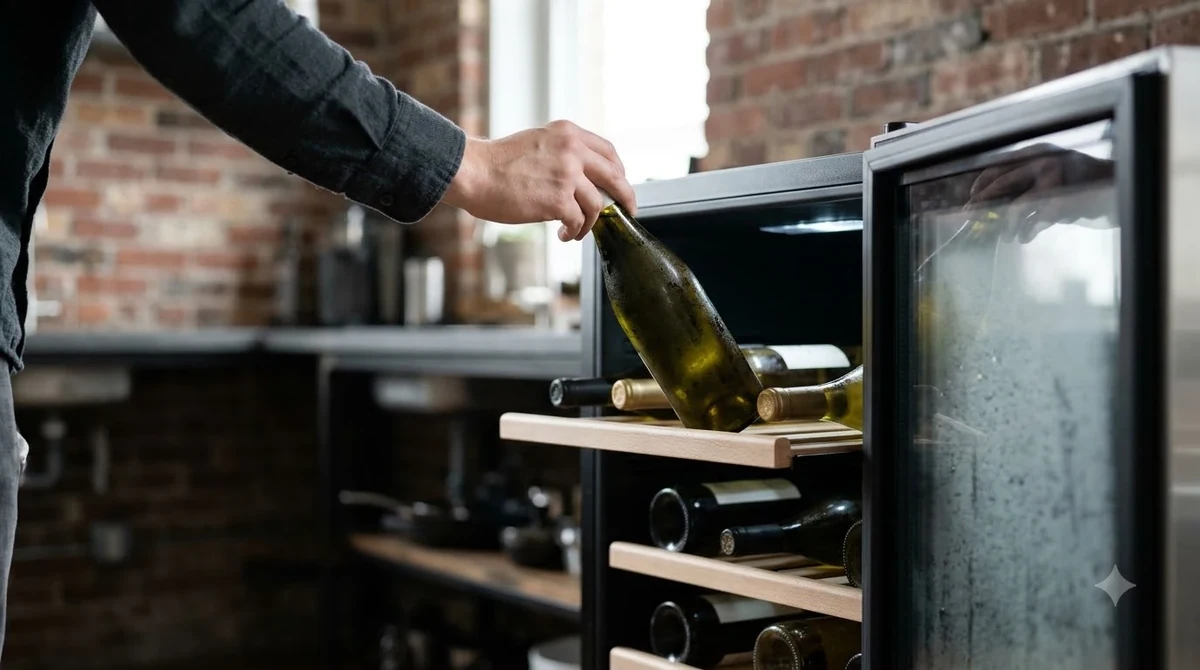
Why it stands out is unmatched portability combined with rapid heat extraction. Unlike rigid buckets or corded countertop units, a nylon-and-gel sleeve folds completely flat inside your freezer drawer until needed, then slides effortlessly into a picnic basket, beach tote, or carry-on bag. Because the frozen gel pockets hug the glass directly, they pull heat out of a warm bottle much faster than cold air alone while keeping the paper label dry and intact for collectors who save labels.
Keep in mind that gel sleeves experience a predictable temperature curve: they chill aggressively during the first 30 minutes and gradually lose their cold charge over two to three hours in warm outdoor weather. Checking the closure style helps too, as elastic-sided sleeves accommodate slightly wider Pinot Noir and sparkling bottles better than fixed-diameter tubes. Best for outdoor concerts, backyard barbecues, and spontaneous weeknight bottles that forgot to make it into the refrigerator earlier in the day.
Best for Minimalist Bar Carts and Formal Tablescapes
Natural marble and soapstone wine chillers rely on dense stone thermal mass to absorb heat slowly while doubling as sculptural tableware on a dining table or bar cart.
Why it stands out is timeless visual appeal paired with zero mechanical parts. Heavy natural stone holds cold temperatures remarkably well once pre-chilled in the refrigerator or freezer for an hour before guests arrive. Even at room temperature, thick marble walls insulate a cold bottle from direct ambient warmth and drafts, slowing the warming curve gently without risking the flavor-muting shock of an ice bath. Because each block of stone carries unique veining, it blends smoothly into formal dining settings where plastic sleeves or power cords would look out of place.
Keep in mind that natural stone is heavy, breakable if dropped on tile, and porous enough to stain if red wine drips down the rim without a quick wipe. Marble also holds onto cold less aggressively than frozen gel packs, making it better suited to indoor dining rooms than sunny patios. Best for entertainers who care as much about table presentation as temperature stability and want an heirloom-style accessory that looks intentional sitting out between uses.
Best for Crowded Tables with Limited Surface Space
Table-mounted wine chiller buckets clamp securely onto the edge of a dining table, suspending a metal chilling cylinder beside your place setting so platters and glassware stay unobstructed.
Why it stands out is smart spatial ergonomics during family-style meals or small-apartment dinners. When serving dishes, bread baskets, and water pitchers already crowd a dining table, a standard wine bucket eats up valuable center real estate. A table-mounted frame uses rubber-padded steel arms to grip the tabletop edge and hold a lightweight aluminum or stainless chiller bucket just off the side, keeping the bottle within arm’s reach for easy pours. Most designs lift right out of the bracket so you can also carry the bucket to a sideboard or kitchen island.
Keep in mind that you should check your tabletop thickness and lip overhang before buying, since thicker farmhouse tables or beveled edges may exceed the clamp’s jaw opening. If you add ice to the bucket for sparkling wine, dropping a folded bar towel inside the bottom absorbs meltwater and keeps the bottle base from dripping when lifted. Best for apartment dwellers and frequent dinner hosts who want tableside bottle service without sacrificing center-table elbow room.
How to Choose
Selecting the right sub-hundred-dollar cooler starts with looking honestly at how you store and open wine at home. As Wine Folly’s storage temperature guide explains, standard kitchen refrigerators hover around 35°F to 38°F with low humidity—great for chilling a bottle before dinner, yet far too cold for serving nuanced reds or storing cork-finished bottles for months. Since coolers in this price tier are built for single-bottle serving rather than multi-month cellaring, match the cooling style to your routine:
- Active vs. Passive Cooling: Choose a thermoelectric countertop chiller if you want exact degree settings for open bottles indoors. Pick a vacuum-insulated canister, marble cylinder, or gel sleeve if you want cordless mobility and zero electricity draw.
- Bottle Shape Compatibility: Standard Bordeaux bottles measure roughly 3 inches across, whereas Burgundy, Rhône, and Champagne bottles have wider bases and sloped shoulders. Look for wide-mouth openings or stretch panels if you drink Pinot Noir, Chardonnay, or sparkling wine regularly.
- Pre-Chilling Habits: Passive insulated chillers preserve an existing temperature rather than creating cold from scratch. If you frequently buy bottles off a warm store shelf and want to pour them right away, prioritize a freezable gel sleeve or an ice-compatible bucket.
- Pacing Your Pours: Knowing how many glasses in a bottle of wine—typically five standard 5-ounce pours—helps you gauge how long a bottle will sit open. If you stretch a single bottle across two or three hours, active thermoelectric holding or thick double-walled insulation keeps the final glass tasting just as crisp as the first.
Tip: When using a passive stainless steel or marble chiller, chill the empty vessel in your refrigerator for 30 minutes alongside your wine bottle—pre-cooling the walls prevents the chiller from absorbing cold out of the glass during the first ten minutes at the table.
Frequently Asked Questions
Can you buy a multi-bottle wine fridge for under 100?
Full-size compressor wine fridges and multi-rack thermoelectric cabinets rarely sit in the sub-hundred-dollar tier unless heavily discounted or sold secondhand. In this budget range, your most reliable options are single-bottle electric countertop chillers and high-performing passive tabletop chillers. If you want dedicated multi-bottle storage with UV-protected glass doors, explore our guide to wine coolers by budget to compare larger freestanding models.
Do single-bottle electric wine chillers work on warm, room-temperature bottles?
Electric countertop chillers use solid-state thermoelectric plates that cool gently rather than rapidly, meaning dropping a 72°F bottle down to 45°F can take well over an hour. They perform best when you pre-chill your bottle in a standard kitchen refrigerator for 20 to 40 minutes first, then transfer it to the countertop chiller to hold your exact serving temperature all evening.
Will an iceless wine chiller fit Champagne and Burgundy bottles?
Not all single-bottle chillers accept wider bottle profiles, so checking internal diameter specifications is essential before ordering. Rigid stainless steel canisters and standard gel sleeves are often tailored to 750 mL Bordeaux bottles, whereas wider-bore buckets, table-mounted chillers, and Champagne-sized sleeves comfortably accommodate heavier sparkling and Burgundy glass.
Should you use a wine chiller for red wine as well as white wine?
Yes, because modern living rooms and kitchens typically sit around 68°F to 72°F, which is warmer than the ideal 55°F to 65°F serving window for most red wines. Serving red wine slightly too warm emphasizes alcohol heat and flattens bright fruit aromas, so holding a bottle in a countertop chiller set to cellar temperature keeps reds balanced and expressive.
Whether you prefer the plug-in precision of a thermoelectric countertop unit or the grab-and-go ease of an insulated tabletop chiller, keeping wine at its proper serving temperature transforms how every bottle tastes in the glass. Start with the style that matches where and how often you pour, and save larger multi-zone investments for when your collection outgrows a single bottle at a time—such as stepping up to a best wine cooler under 1000 built-in cellar.
More in Wine Fridges by Budget
 Best Wine Cooler Under 1000 by Cooling Type and RoomUpdated Nov 18, 2026
 Best Wine Cooler Under 200 for Compact Home Wine StorageUpdated Nov 18, 2026
 Best Wine Fridge Under 500: Top Cooler Types for Every Home SetupUpdated Nov 18, 2026
 Best Wine Cooler Under 300 for Reliable Home StorageUpdated Nov 18, 2026
 Best Wine Fridge Black Friday: How to Choose a Unit That FitsUpdated Nov 18, 2026