


We may earn a commission when you buy through links on this page, at no extra cost to you. Learn more.
The best wine fridge black friday shoppers can buy is one sized to the bottles already on hand, with a temperature range that suits the wines they drink most. Holiday sales often reach wine coolers, but capacity, cooling type, and zone count shape how well a unit performs far more than the discount does. Compare those three points before adding anything to the cart.
Black Friday and Cyber Monday bring a crowded set of appliance listings, and wine fridges appear among them. A lower price only helps if the unit holds the right number of bottles, keeps a steady temperature, and fits the space where it will sit. This guide walks through what to check first, how to read sale listings without getting lost in the numbers, and which sizes suit different households.
Start with the number of bottles you actually store
Capacity is the first filter. Listings usually quote how many standard 750 ml bottles a unit holds, but that figure assumes bottles lying flat in neat rows. Wider Champagne-style bottles, magnums, and cases stacked on the floor of a unit take far more room than the number on the box suggests. Count the bottles you keep at home, add a few for the wines you expect to buy during the holidays, and then shop for a size that leaves some open space.
Smaller units suit a single person or a studio apartment, where a few bottles of table wine and a couple of sparkling bottles are enough. A mini wine fridge can sit on a kitchen counter or under a bar cart without taking over the room. Households that open several bottles a week usually need something larger, and a small wine fridge often hits the middle ground between footprint and capacity.

Cooling type and temperature range matter more than the markdown
Serving temperature and storage temperature are different things, and a good wine fridge has to cover both. Wine Folly’s serving temperature guide gives 62 to 68 degrees Fahrenheit for bold reds, 55 to 60 degrees for lighter reds, 49 to 55 degrees for full-bodied whites and rosé, and 38 to 45 degrees for sparkling wine and light whites. A unit that can hold a steady point inside those ranges is more useful than one with a flashy display and a wide but unreliable dial.
Most compact models use thermoelectric cooling or a compressor. Thermoelectric units are quieter and lighter, but they struggle to cool much below the room temperature around them, which makes them a weaker choice for a hot kitchen or a sunroom. Compressor units hold a lower, steadier temperature across a wider range of room conditions and usually cost more. When a sale listing does not name the cooling type, treat that as a reason to check the product page before you buy.
Look for a clear temperature readout, a tight range setting, and a note on how much the unit fluctuates. Stability matters because repeated warming and cooling is harder on wine than a steady point set a few degrees off.
Single-zone or dual-zone: choosing during a sale
A single-zone unit runs one temperature for every shelf. It works well for a collection that is mostly red or mostly white, because one setting can serve the whole fridge. A dual-zone unit splits the cabinet into two sections with separate controls, which lets reds sit warmer and whites or sparkling bottles sit cooler. The extra zone usually adds cost, so a dual-zone model is only worth a premium if the collection really is mixed.
| Feature | Single-zone | Dual-zone |
|---|---|---|
| Temperature settings | One setting for all bottles | Separate settings for each section |
| Best for | A collection that is mostly red or mostly white | A mixed collection of reds, whites, and sparkling |
| Typical placement | Kitchen counter, bar, or small room | Dining room, living room, or a larger kitchen |
| What to check | Whether the single range covers your main wines | Whether both zones hold their set points |
Tip: If a listing does not state whether the unit has one zone or two, the product page or the manual will usually say so. Confirm before you assume the second section exists.
Wine fridge sale listings: what to verify before you buy
Holiday pages can make many models look alike, so a short checklist helps. Start with the rated capacity and confirm it against the shelf layout in the photos. Next, check the noise level, since a compressor unit in a bedroom or open-plan living area is easy to notice at night. Look at the door too. A tinted or double-paned glass door filters more light than a clear one, and light exposure is one of the factors people commonly cite when storing wine at home.
Shelf material is another detail that gets overlooked. Wooden shelves look warmer but can warp with humidity, while wire shelves are easier to clean and let bottles sit with air circulating around them. Check the warranty length and the return window as well, because sale purchases sometimes fall under different return terms than full-price orders.
- Confirm the bottle capacity and the shelf layout shown in the photos.
- Check whether the unit is single-zone or dual-zone, and what temperature range it covers.
- Find the cooling type: thermoelectric or compressor.
- Read the noise rating or look for user comments about sound.
- Check the door glass, the shelf material, and any lock or child-safety feature.
- Note the warranty length and the return window before checkout.
Wine cooler deals that still fit your space
A reduced price can tempt buyers toward a larger unit than the room allows. Measure the opening and the depth before comparing models, and remember that freestanding units need clearance at the back and sides for airflow. A built-in unit needs a cabinet cut-out that matches its dimensions, so a model that looks right in a listing can still fail to fit once it arrives.
Budget-minded shoppers can often find a satisfactory unit without paying for features they will not use. A basic single-zone model with a reliable temperature readout covers most home collections. Shoppers who want that kind of simpler option can browse the budget-friendly wine fridge options on this site before comparing sale prices.
Cyber Monday wine fridge timing: plan before the sale starts
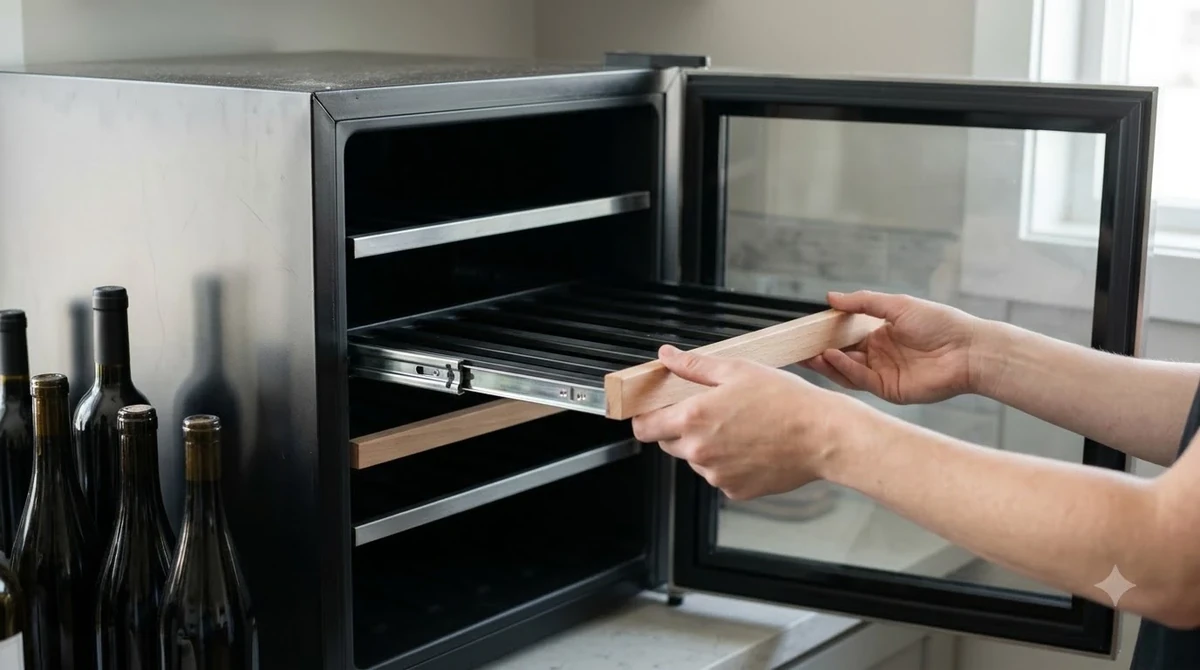
Planning ahead keeps a holiday purchase from turning into an impulse buy. Pick two or three models that match your bottle count and cooling needs, save their specifications in one place, and then watch for the sale that applies to the one you prefer. Comparing specifications side by side is easier when they are already written down, and it helps you avoid choosing on a headline discount alone.
Capacity planning also helps with gifts and entertaining. A unit with room for about two dozen bottles can hold a week of dinner wine and a few special bottles. If a single bottle pours roughly five glasses, that unit covers far more servings than most households expect, which is why a modest size often serves better than a larger one that stays half empty. The math on pours is covered in more detail in this guide to how many glasses in a bottle of wine.
Frequently Asked Questions
Is a wine fridge worth buying only during Black Friday?
A holiday sale can lower the price of a good unit, but the choice should rest on capacity, cooling type, and temperature control. A cheap unit that cannot hold a steady temperature will cost more in lost or poorly stored wine over time.
How many bottles should a beginner wine fridge hold?
Most beginners do well with a unit that holds 12 to 24 standard bottles. That range covers a regular supply of table wine and a few special bottles without requiring a large footprint.
What temperature should a wine fridge keep for red and white wine?
Wine Folly’s serving guide gives 62 to 68 degrees Fahrenheit for bold reds and 49 to 55 degrees for full-bodied whites. Lighter reds sit a little cooler, around 55 to 60 degrees. A dual-zone unit lets each section match its wines.
Do wine fridges need ventilation space?
Freestanding units usually need clearance at the back and sides so heat can escape. Check the manufacturer’s installation guide for the exact distance before placing the unit in a cabinet or tight corner.
A good wine fridge purchase comes down to fit, stability, and a clear plan. Compare the bottle count, the zone setup, and the cooling type before you check out, and use the sale window to buy a unit you will still want when the holiday prices are gone. For a quick comparison of sizes, the small wine fridge guide shows which footprints suit different kitchens.
More in Wine Fridges by Budget
 Best Wine Cooler Under 1000 by Cooling Type and RoomUpdated Nov 18, 2026
 Best Wine Cooler Under 100 for Chilled PoursUpdated Nov 18, 2026
 Best Wine Cooler Under 200 for Compact Home Wine StorageUpdated Nov 18, 2026
 Best Wine Fridge Under 500: Top Cooler Types for Every Home SetupUpdated Nov 18, 2026
 Best Wine Cooler Under 300 for Reliable Home StorageUpdated Nov 18, 2026