

We may earn a commission when you buy through links on this page, at no extra cost to you. Learn more.
Lisbon wine country is Portugal’s diverse Atlantic wine region north of the Tagus River, known for nine appellations, crisp Arinto whites, distinctive Colares reds, and rare fortified wines. Its vineyards stretch from the outskirts of the capital toward the central and northern Portuguese coast. Atlantic breezes, limestone soils, sandy vineyards, and traditional Portuguese grapes create a wide range of wine styles. Visitors can explore historic wine villages, meet producers, and discover vineyards within relatively easy reach of Lisbon.
Lisbon is often associated with historic neighborhoods, coastal scenery, and Portuguese cuisine, but its surrounding wine region deserves equal attention. The broader Lisboa wine region combines accessible regional wines with small, distinctive appellations that have preserved unusual grape-growing traditions. Understanding its geography and local varieties makes it easier to choose bottles, plan winery visits, and appreciate the differences between its coastal and inland wines.
Where Lisbon Wine Country Is Located and What Shapes Its Wines
Lisbon wine country occupies the Atlantic-facing territory north of the Tagus estuary, extending through rolling hills, agricultural plains, and coastal communities. Its location creates a range of growing conditions, from cool maritime vineyards to warmer inland sites.
The region is one of Portugal’s major wine-producing areas. According to the Portuguese Institute of Vine and Wine, its vineyards occupy a landscape influenced by the Atlantic Ocean, the surrounding mountain systems, and geological formations that vary between clay-limestone and sandy-clay soils. These differences matter because grape varieties respond differently to moisture, temperature, drainage, and exposure. The Wines of Portugal overview of Lisboa also explains how coastal and inland vineyard locations contribute to different wine profiles.
Coastal vineyards experience stronger maritime conditions. Regular ocean influence helps moderate temperatures and can preserve acidity during grape ripening. Wines from these locations often have relatively modest alcohol levels, fresh fruit character, and a lively finish. Inland vineyards, protected to varying degrees by hills and mountain systems, experience more transitional Mediterranean conditions. Their wines can show riper fruit, fuller body, and greater concentration.
The Portuguese Institute of Vine and Wine reports annual rainfall of approximately 600–700 millimeters and describes the regional climate as temperate, without especially large temperature fluctuations. These conditions support a range of grape varieties, although individual vineyard sites still differ considerably. The Serra de Montejunto, for example, contributes to the landscape and helps distinguish inland growing areas from exposed coastal locations.
Lisbon’s wine-growing history also extends well beyond modern wine tourism. Viticulture expanded during the 12th century, with religious communities playing an important role in establishing and developing vineyards. The Cistercian monks associated with the Monastery of Alcobaça were particularly influential in medieval wine production.
The broader region was historically associated with the name Estremadura. Its current Lisboa identity encompasses both widely distributed regional wines and tightly defined appellations with their own production requirements. For American wine drinkers, this distinction is useful: a bottle labeled Lisboa may offer a broad regional expression, while a bottle carrying a specific appellation points toward a more localized identity.
For a wider overview of European and international wine-growing areas, the site’s Wine Regions resource provides a useful starting point for comparing geographical designations and wine styles.
The Nine Appellations and Their Distinctive Personalities
The Lisboa wine region contains nine denominations of origin, grouped into southern, central, and northern clusters. Each area contributes different wines, grapes, and landscapes, making appellation names a practical guide when comparing bottles.
The southern group includes Bucelas, Colares, and Carcavelos. These appellations are particularly interesting because of their proximity to Lisbon and their distinctive wine traditions. Bucelas is best known for Arinto-based white wines, Colares for its unusual sandy vineyards and Ramisco reds, and Carcavelos for rare fortified wines.
The central group includes Alenquer, Arruda, Lourinhã, Óbidos, and Torres Vedras. Alenquer is known for both red and white wines, while Óbidos produces fresh whites and sparkling wines. Arruda and Torres Vedras contribute to the region’s broader range of approachable regional wines. Lourinhã is a special case: its protected designation is dedicated to quality wine spirits rather than ordinary table wine.
Encostas d’Aire forms the northern group. Its vineyards are farther from the capital and belong to a broader landscape of wine production that connects Lisboa with other northern Portuguese wine-growing areas.
| Appellation | Geographical group | Notable association |
|---|---|---|
| Bucelas | South | Arinto white wines |
| Colares | South | Ramisco and sandy vineyards |
| Carcavelos | South | Rare fortified wines |
| Alenquer | Central | Structured reds and aromatic whites |
| Arruda | Central | Regional red and white wines |
| Lourinhã | Central | Protected wine spirits |
| Óbidos | Central | Fresh whites and sparkling wines |
| Torres Vedras | Central | Regional wines and coastal influences |
| Encostas d’Aire | North | Northern wine-growing traditions |
These nine designations are not interchangeable. A Bucelas white is a more specific expression of place and grape than a general Lisboa white, while Colares represents a particularly distinctive combination of coastal geography, traditional viticulture, and local varieties. Understanding the appellation system helps wine drinkers identify what makes a bottle interesting rather than treating all Portuguese wines from the capital’s surrounding region as one style.
The distinction also matters for travelers. Exploring the southern trio makes sense for a shorter excursion from Lisbon, while a longer trip into the central or northern areas offers a broader perspective on the region’s agricultural and cultural diversity.
Arinto, Ramisco, and the Grapes That Define the Region
Lisbon wine country grows a combination of traditional Portuguese varieties and international grapes. Arinto is the standout white variety, while Ramisco is the signature grape associated with the unusual red wines of Colares.
Arinto is particularly important in Bucelas. It produces white wines with naturally pronounced acidity, fresh fruit character, and the structure to develop with bottle age. Depending on the producer and winemaking approach, its flavors can include citrus, green apple, and mineral impressions. Its acidity also makes it useful in blends, where it can provide freshness and balance.
Fernão Pires is another important Portuguese white grape. It is generally more aromatic than Arinto and can contribute floral, citrus, and ripe-fruit notes. Malvasia, Seara-Nova, and Vital add further diversity to the regional white-wine portfolio. Chardonnay also appears, particularly in wines that combine local grapes with familiar international varieties.
On the red side, Castelão, Aragonez, Tinta Miúda, Touriga Nacional, Touriga Franca, Trincadeira, and Alicante Bouschet are important varieties. Syrah and Cabernet Sauvignon provide additional options for producers looking for international grape profiles. These varieties can be used individually or in blends, creating wines with different levels of fruit intensity, structure, and tannin.
Why Ramisco Is So Special
Ramisco is the grape that gives Colares its most recognizable identity. Traditionally planted in sandy coastal soils, it is associated with wines that can combine firm tannin, high acidity, and savory complexity. The region’s sandy vineyards are particularly unusual because the traditional vines can remain ungrafted.
Colares also has two distinctive soil categories. Chão de areia refers to the sandy coastal formations, while chão rijo describes harder limestone and marl soils. The contrast helps explain why Colares wines should not be understood simply as products of one uniform vineyard environment.
Other Portuguese red varieties offer different experiences. Castelão can provide red-fruit flavors and moderate structure, while Touriga Nacional often contributes more concentrated fruit, floral character, and firm tannin. Aragonez, known by the Tempranillo name in Spain, can contribute ripe red fruit and spice. The result is a region with plenty of options for drinkers who enjoy both traditional Portuguese grapes and more familiar international styles.
When shopping, look for the grape variety and appellation together. A bottle labeled Bucelas and Arinto gives a clearer indication of its likely style than a broad regional label alone. A Colares bottle made with Ramisco, meanwhile, offers an opportunity to explore one of Portugal’s most distinctive traditional red wines.
White, Red, Rosé, Sparkling, and Fortified Wine Styles
Lisbon wine country produces much more than crisp white wine. Its range includes fresh coastal reds, fuller inland blends, rosé, sparkling wine, lightly alcoholic Vinho Leve, and distinctive fortified specialties.
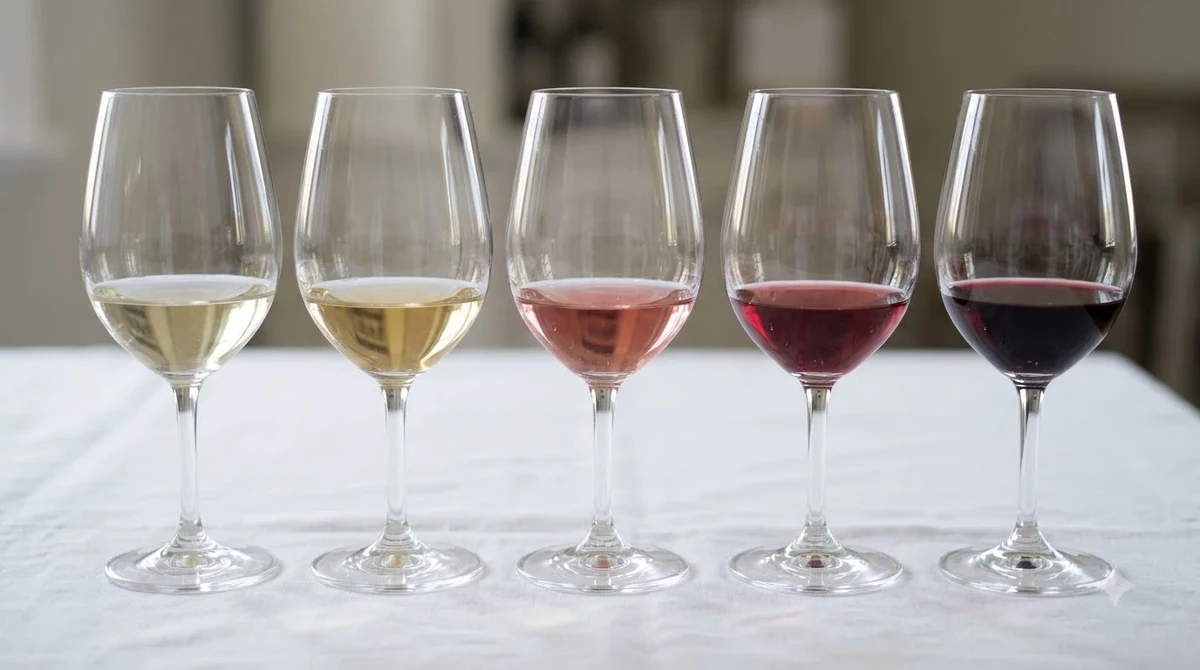
White wines are among the region’s most recognizable offerings. Arinto-based Bucelas wines are known for their acidity and aging potential, while whites from other parts of Lisboa can feature citrus, orchard fruit, tropical fruit, and floral aromas. The exact character depends on the grapes, vineyard location, and winemaking choices.
Red wines range from relatively light and fruity styles to more structured blends. Coastal conditions can preserve freshness, while inland vineyards may produce wines with riper fruit and greater weight. Alenquer is particularly interesting for its red wines, which can develop complexity and more pronounced structure. Colares is a separate experience, with Ramisco wines combining distinctive acidity and tannin.
Rosé provides another accessible option. Regional examples often emphasize red berries, freshness, and moderate structure. They work particularly well with warm-weather meals and seafood dishes that benefit from acidity without the weight of a full-bodied red.
Sparkling wines from the Lisboa indication and the Bucelas and Óbidos appellations offer additional variety. Their fresh character and persistent bubbles make them useful as aperitifs or companions to fried seafood and salty snacks. Traditional Portuguese grape varieties can provide a different flavor profile from the more familiar sparkling wines made elsewhere in Europe.
Understanding Vinho Leve
One of the region’s most distinctive categories is Vinho Leve. The Portuguese term refers to a light wine style, typically containing approximately 9–10% alcohol by volume. It can be made in different colors and is associated with an easy-drinking profile rather than the concentration of a powerful red or full-bodied white.
Its relatively modest alcohol content makes it a natural choice for casual meals and warm afternoons. The style also reflects the influence of coastal growing conditions, where cooler temperatures can help grapes retain freshness. Vinho Leve should not automatically be confused with sweet wine; alcohol level and sweetness are separate characteristics.
Fortified Wines and Regional Rarities
Carcavelos is especially important for wine enthusiasts interested in historical fortified styles. Its wines can show flavors associated with dried fruit, honey, nuts, and spices, depending on the producer and aging. Their sweetness and richer texture make them suitable for serving as aperitifs or alongside desserts and mature cheeses.
Lourinhã deserves a separate mention because its protected designation focuses on wine spirits. It contributes to the broader heritage of the region’s wine industry but is not simply another table-wine appellation. Together, these specialties demonstrate why Lisboa should be explored as a collection of distinct wine traditions rather than one uniform category.
How to Pair Lisbon Wines With Portuguese Food
The best food pairings for Lisbon wines depend on acidity, body, tannin, and sweetness. Fresh Arinto whites are natural partners for seafood, while structured reds suit grilled meats and rich dishes.
Portugal’s Atlantic coastline provides an obvious starting point. Grilled sardines, clams, shrimp, and simply prepared white fish work particularly well with high-acid whites from Bucelas. Arinto’s freshness can cut through olive oil and bring balance to seafood seasoned with lemon, garlic, or herbs.
Fried seafood is another good match. Crisp white wines and sparkling wines can refresh the palate between bites of battered fish or fried shrimp. Their acidity and bubbles provide contrast to the richness of the cooking oil, while their lighter body avoids overwhelming delicate seafood flavors.
For richer dishes, consider a medium-bodied red from Alenquer or another central appellation. Portuguese grilled pork, roast chicken, sausages, and herb-seasoned meat dishes can work well with reds based on Castelão, Aragonez, or Touriga Nacional. Wines with more tannin are particularly effective alongside protein-rich foods and preparations with some fat.
Colares reds are worth considering with slow-cooked meat, roasted game, and dishes featuring earthy herbs or mushrooms. Their combination of acidity and tannin can complement richer preparations, although their unusual structure may make them less immediately familiar to drinkers accustomed to soft, fruit-forward reds.
Pairing by Wine Style
- Bucelas Arinto: Pair with grilled sea bass, oysters, clams, and lemon-seasoned seafood.
- Fernão Pires blends: Serve with roast chicken, herb salads, and moderately spiced seafood dishes.
- Castelão reds: Match with grilled pork, tomato-based dishes, and traditional Portuguese sausages.
- Touriga Nacional blends: Pair with roast lamb, grilled beef, and aged hard cheeses.
- Colares Ramisco: Try with slow-roasted meats, mushrooms, and savory dishes with earthy flavors.
- Carcavelos fortified wine: Serve with almond pastries, dried fruit, blue cheese, or caramel-based desserts.
- Lisboa sparkling wine: Pair with fried seafood, salted almonds, and savory appetizers.
Sweetness deserves particular attention when serving Carcavelos with dessert. A wine should be at least as sweet as the dessert to avoid tasting thin or overly acidic. For example, a sweet fortified wine can complement almond pastries more successfully than a dry white.
Tip: Match the wine’s acidity to the food’s acidity. A lemon-heavy seafood dish generally benefits from a wine with equal or higher acidity, such as Arinto. Salt and fat can soften tannin in red wines, while very spicy dishes can make alcohol and tannin seem more pronounced.
One important exception involves oily fish and tannic reds. Their combination can create an unpleasant metallic impression, so choose a fresh white or rosé for sardines and other oily fish instead. These straightforward pairing principles make it easier to enjoy regional wines with both traditional Portuguese recipes and everyday American meals.
Wine Tourism, Historic Villages, and Places to Visit
Lisbon wine country is particularly appealing for visitors because several important wine destinations are relatively close to the capital. Bucelas, Colares, and Carcavelos provide a convenient introduction, while Alenquer and Óbidos offer additional opportunities to explore vineyards and historic towns.
The southern wine route is a natural starting point for a short visit. Bucelas is known for its Arinto wines and its distinctive inland growing environment. Colares combines coastal scenery, sandy vineyards, and traditional wine production. Carcavelos offers a different experience through its rare fortified wines and connection with the Oeiras area.
Colares is particularly interesting for travelers who want to see how geography affects viticulture. Its sandy vineyards near the Atlantic are unlike the more conventional vineyard landscapes found in many other European wine regions. The surrounding Sintra area also provides architectural and natural attractions, making it possible to combine wine experiences with sightseeing.
The Bucelas, Carcavelos, and Colares wine route highlights Sintra, Cabo da Roca, and the coastal area between Lisbon and Azenhas do Mar as important visitor destinations. A day exploring this area can include vineyard visits, cellar experiences, regional food, and scenic stops along the Atlantic coast.
Alenquer offers a different atmosphere. Located inland near the Montejunto Hills, it is associated with a long-standing winemaking tradition and a mixture of red and white wines. Its rural landscape provides a useful contrast with the more exposed coastal vineyards.
Óbidos is another rewarding destination. Its historic walled town provides a memorable setting for a wine-focused excursion, and the surrounding area contributes fresh white and sparkling wines to the regional portfolio. The town also makes it easy to combine food, architecture, and wine tourism in one visit.
Planning a Wine Visit
The official Lisboa wine tourism organization lists tastings, harvest activities, and stays among the vineyards, with some experiences located less than an hour from Lisbon. However, actual travel time depends on the destination, transport, and traffic.
It is sensible to arrange winery visits directly with producers. Smaller estates may operate by appointment, and tasting schedules can change during harvest. A confirmed booking also makes it easier to ask about specific grapes, vineyard practices, and wine styles before arriving.
Visitors with limited time can focus on one geographical cluster rather than trying to cover all nine appellations. A southern excursion centered on Bucelas, Colares, and Carcavelos offers a strong introduction to the region’s unusual wines. Travelers with more time can add Alenquer or Óbidos to explore the central wine-growing areas.
For American readers interested in comparing Portuguese wine tourism with domestic destinations, Yadkin Valley wine country offers another example of how a regional wine identity develops through local grapes, producers, and visitor experiences. The Hill Country vineyards provide a further comparison, particularly for travelers interested in combining wine tasting with distinctive regional landscapes and food.
Choosing, Serving, and Storing Lisbon Wines
Choosing a Lisboa wine becomes easier when the appellation, grape variety, and intended occasion are considered together. For a fresh seafood dinner, start with Bucelas Arinto; for a more unusual red, seek out Colares Ramisco; and for a richer after-dinner experience, consider Carcavelos fortified wine.
A general Lisboa label can be a good introduction to the region. These wines may combine several varieties and represent a broader interpretation of the area’s climate and winemaking traditions. More specific appellation labels are useful when the goal is to understand an individual place or grape variety.
Serving temperature can make a meaningful difference. Fresh whites and rosés are best served cool, while more structured reds benefit from slightly warmer temperatures. Avoid serving every wine straight from the refrigerator or leaving reds in a warm room for too long.
| Wine style | Recommended serving temperature | Serving suggestion |
|---|---|---|
| Light white | 45–50°F | Arinto and fresh regional whites |
| Full-bodied white | 50–55°F | Richer white blends |
| Rosé | 45–50°F | Fresh regional rosé |
| Light red | 55–60°F | Fruit-forward regional reds |
| Full-bodied red | 60–65°F | Structured Alenquer blends |
| Sweet fortified white | 43–50°F | Carcavelos-style wines |
| Sparkling | 40–50°F | Regional sparkling wines |
A standard 750-milliliter bottle provides approximately five 5-ounce glasses. That is a practical quantity for a small dinner gathering or a tasting flight involving several regional styles. When comparing multiple bottles, pour modest servings so that differences in acidity, body, fruit, and finish remain easy to identify.
Some young, full-bodied red wines may benefit from 30–60 minutes of decanting before serving. This can help soften their initial presentation and release aromas. Lighter reds and fresh whites generally do not require the same treatment.
Storage is equally important. Keep unopened bottles in a cool, dark location near 55°F, with cork-finished bottles stored on their sides. After opening, refrigerate still wines and aim to finish them within approximately three to five days. Sparkling wines generally retain their best character for around one to three days with an appropriate sparkling-wine stopper, while fortified wines can last several weeks after opening, depending on their style and storage conditions.
For drinkers who already enjoy Portuguese wines, Lisboa offers an opportunity to move beyond familiar bottles from the Douro and Alentejo. Its range of grape varieties and appellations makes it possible to build a varied collection, from everyday whites to age-worthy reds and traditional fortified specialties.
Frequently Asked Questions
Is Lisbon wine country the same as the Setúbal wine region?
No. Lisboa and the Setúbal Peninsula are separate Portuguese wine regions with different geographical indications and protected designations. Setúbal is particularly famous for Moscatel de Setúbal, a sweet fortified wine made primarily from Muscat varieties, while Lisboa is associated with Bucelas Arinto, Colares Ramisco, and Carcavelos fortified wines.
What is Lisbon Hock?
Lisbon Hock is a historical English name for wine from Bucelas, particularly its Arinto-based white wines. The name reflects the wine’s historical popularity in England, where it became associated with Portuguese trade and the period of the French invasions of Portugal. It is not a separate modern appellation.
Are Colares wines made from ungrafted vines?
Traditional Colares vineyards include ungrafted vines planted in sandy coastal soils. This is an unusual feature in European viticulture because phylloxera, a destructive vine pest, generally cannot survive in the same way in loose sandy ground. The region’s traditional planting methods are therefore an important part of its historical identity.
What is the difference between Lisboa IGP and a Lisboa DOP wine?
IGP Lisboa is a broad geographical indication covering wines from the larger region, while DOP designations identify more specifically defined production areas with their own rules. DOP wines must follow the relevant appellation requirements, including permitted grape varieties and production standards. The designation therefore provides a more precise indication of geographical origin.
Is Lourinhã a traditional table-wine appellation?
No. Lourinhã is unusual because its protected designation is dedicated to quality wine spirits. It is recognized for the production and maturation of aguardente vínica, a grape-based spirit distilled from wine. This makes it distinct from the other Lisboa appellations that focus on conventional wine styles.
Lisbon wine country rewards exploration because its nine appellations offer far more diversity than the capital’s name might suggest. From fresh Bucelas Arinto and unusual Colares reds to Carcavelos fortified wines, the region provides a compelling introduction to Portugal’s Atlantic wine traditions. Whether choosing a bottle for dinner or planning a vineyard visit, start with the appellation and grape variety to discover the character of each place.
More in Wine Regions
 Willcox Wine Trail: Discover Arizona’s High-Elevation Wine CountryUpdated Nov 20, 2026
 Yakima Valley Wine Region: Find the Best Styles to TryUpdated Nov 20, 2026
 Vosne Romanee Wine Tasting: Identify Aromas and Choose Better PairingsUpdated Nov 20, 2026
 Yakima Valley Wine Festival: Find the Best Seasonal Wine EventsUpdated Nov 20, 2026
 Wales Vineyards: Discover Cool-Climate Wines and Where to VisitUpdated Nov 20, 2026
 Yountville Wine Festival: Discover Napa Wines and Local FoodUpdated Nov 20, 2026