

We may earn a commission when you buy through links on this page, at no extra cost to you. Learn more.
Leonetti wine comes from Leonetti Cellar, a family-owned winery in Walla Walla, Washington, founded in 1977 as the first winery in the Walla Walla Valley. The estate is known for red wines made from estate-grown fruit and released in small allocations to mailing list members. This guide covers the winery’s history, its lineup, the vineyards it names, how the allocation system works, and how to serve and pair its reds.
Leonetti is one of the names people search for when they want a serious Washington red, and the questions tend to repeat: who makes it, what is in the bottle, and whether the hunt for it is worth the effort. Leonetti Cellar has been part of Washington wine since the late 1970s, and its reputation rests on estate fruit and limited releases rather than on volume. The details below come from the winery’s own website and from general context about the region.
A Brief History of Leonetti Cellar
Leonetti Cellar was founded in 1977 as the Walla Walla Valley’s first winery, according to the winery’s website. The site describes it as a family-owned pioneer that helped shape Washington’s wine industry, and it calls the family fourth-generation stewards of the land. That story places the winery at the start of the modern Walla Walla wine scene, which grew over the following decades into one of the best-known appellations in the state.
The winery’s address is in Walla Walla, and the site gives directions through an entrance road and a mailing address rather than through a long estate history. Most of the story is told through the way the family talks about its land: estate-grown fruit, a long-term commitment to one region, and a steady focus on a small number of wines rather than a broad catalog.
Readers who want the winery’s own description of its approach can start with the Leonetti Cellar website, which lays out the philosophy and current release information in the winery’s own words.
The Wines in the Leonetti Lineup
The Leonetti name is most often linked with red wine. The winery’s navigation lists Cabernet Sauvignon, Merlot, Sangiovese, Reserve, Aglianico, and a Single Vineyard Series. The site does not call any one bottle a flagship, so it makes more sense to see the Cabernet Sauvignon and the Reserve as the core of the house rather than its only expression.
Sangiovese and Aglianico stand out because they are Italian varieties in a Washington portfolio. Growers in the Pacific Northwest have explored these grapes to add acidity and savory structure beside the more familiar Bordeaux varieties. Leonetti’s presence in that group is part of why it is often discussed alongside other Walla Walla producers who work with less common grapes.
The Single Vineyard Series lets the winery show individual sites rather than a single house blend. That approach makes the lineup easier to follow if you already know the difference between a vineyard-designated wine and a blended reserve. A vineyard-designated bottle tells you where the fruit came from, while a reserve tells you the winery selected its best barrels for a special release.
| Element | What the winery site says |
|---|---|
| Founded | 1977, first winery in the Walla Walla Valley |
| Ownership | Family-owned, described as fourth-generation stewards |
| Main varieties listed | Cabernet Sauvignon, Merlot, Sangiovese, Aglianico |
| Other releases | Reserve and Single Vineyard Series |
| Sales model | Limited allocations through a mailing list and waiting list |
Vineyard Sources and Winemaking Approach
The winery’s site lists five vineyards: Mill Creek Upland, Loess, Leonetti Old Block, Holy Roller, and Serra Pedace. Naming vineyards this way matters because it ties each bottle to a particular piece of ground rather than to a general appellation. For a buyer, the practical point is that the same grape can taste different depending on the site it came from, and the lineup is built around that idea.
The site describes its wines as estate-grown and as reflecting the soul of the land. It also talks about passion, perseverance, and an uncompromising pursuit of excellence. Those phrases are the winery’s own language, but the underlying message is clear: Leonetti is focused on controlling fruit quality from its own sources rather than buying grapes on the open market.
Walla Walla is generally described as a region with warm days and cool nights, which helps grapes keep their acidity while they ripen. Vintages differ from year to year, and the winery’s page does not publish detailed vintage notes, so buyers who care about a specific year should look at that release’s details before committing to it.
How Limited Allocations Work
Leonetti wines are released in limited allocations to members of the mailing list, and the website invites visitors to join a waiting list. This model is common among small, high-demand producers. It means you cannot count on a store shelf or a retail site always having a given bottle, and availability can change from one release to the next.
If you are new to allocation wines, the first step is to check whether the winery is accepting new members and how often it releases wine. Some buyers keep a bottle on a wish list for months. Others work with a local retailer who has a relationship with the producer. Either way, expect a slower path than you would have with a mass-market label.
The model also shapes how you store and serve the wine. Structured reds from a producer like this are often meant for cellaring, so a bottle bought on release may benefit from a few years before opening. If you are building a broader collection and want to compare how producers position their lines, the wine brands guide is a useful place to start.
How to Serve and Pair Leonetti Reds
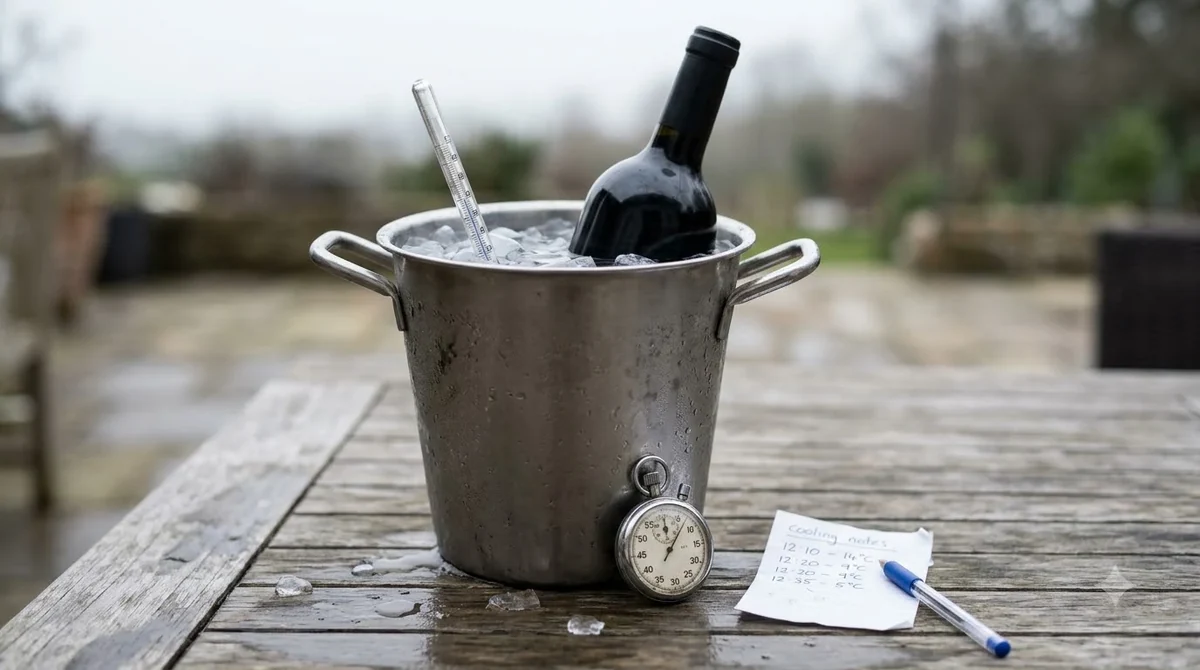
Red wine from Washington is usually served a little below room temperature, in the mid-60s Fahrenheit. In a warm house, a short time in the refrigerator before pouring helps a bold red show its fruit rather than its alcohol. A large Bordeaux or universal glass gives the wine room to open.
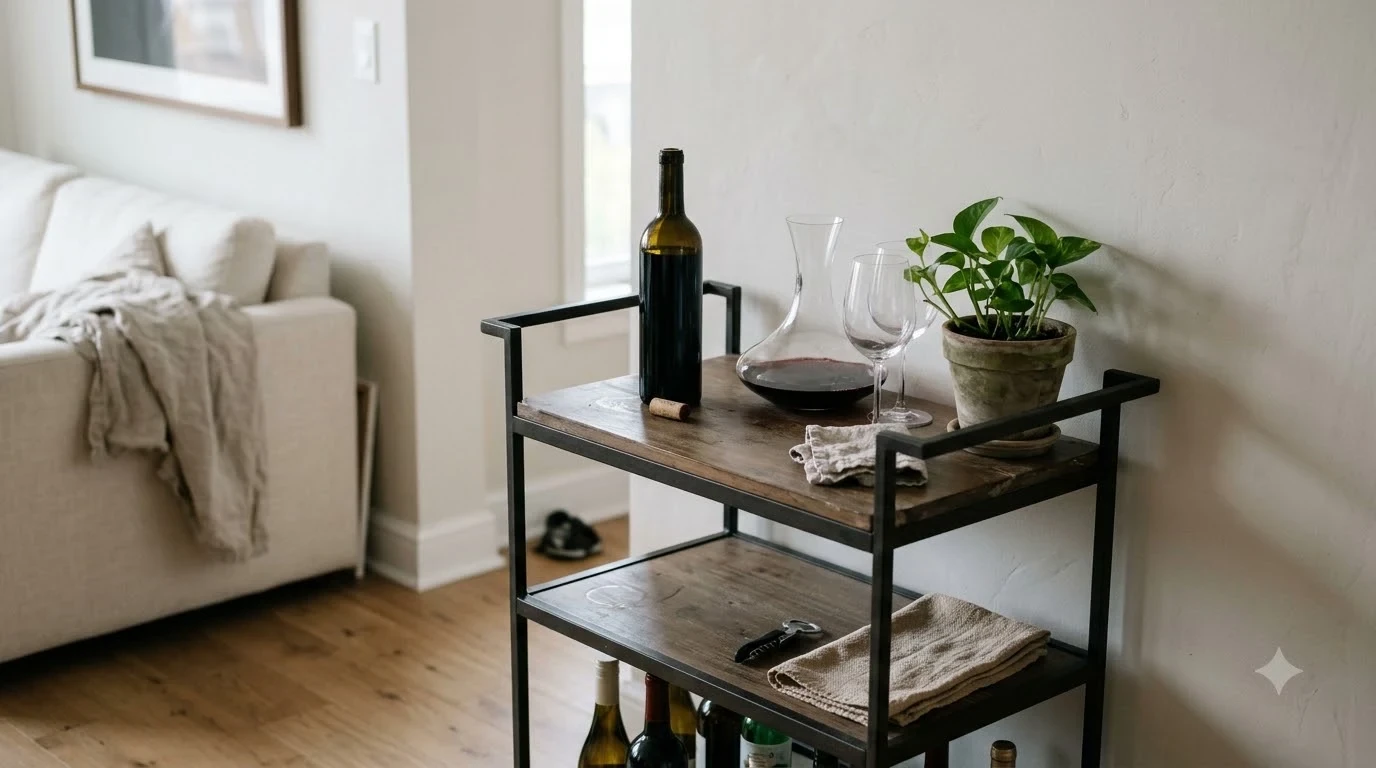
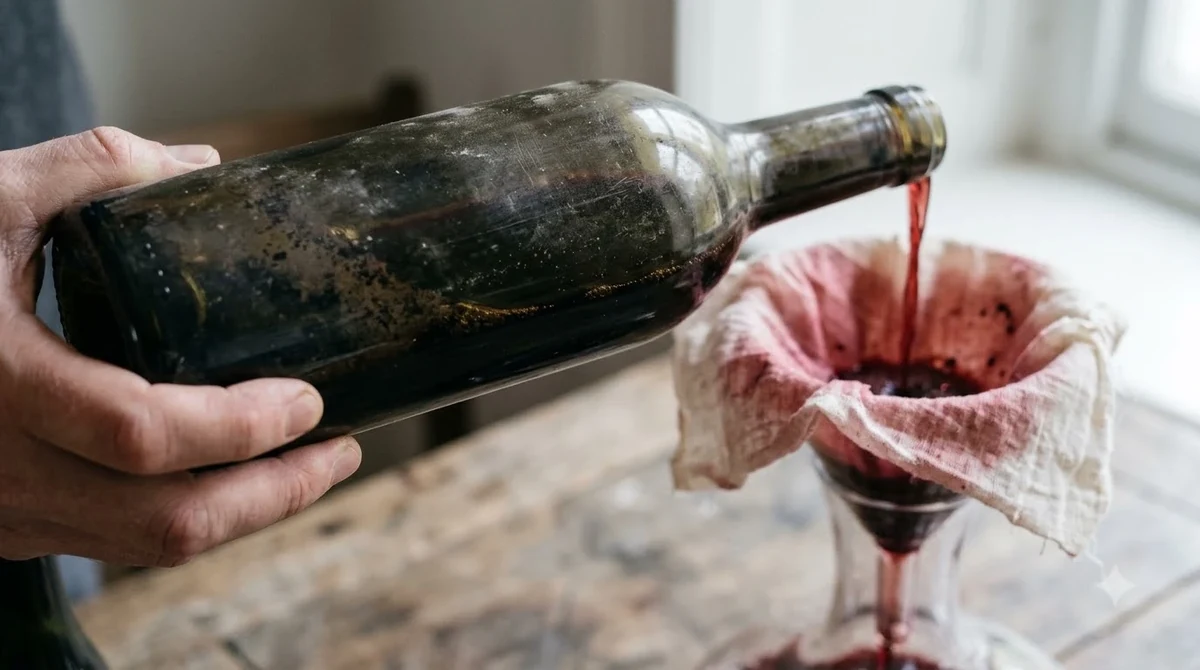
Decanting suits young, structured reds. Pouring the wine into a decanter for thirty minutes to an hour can soften tannins and bring out aromas. Older bottles with sediment should be decanted slowly and poured with care so the sediment stays behind.
For food, Cabernet and Merlot-based reds pair well with grilled beef, lamb, mushroom dishes, and aged hard cheeses. Sangiovese works with tomato-based pasta, roasted chicken, and herb-forward dishes. Aglianico has enough structure for rich stews and braises. Pairing is a matter of matching weight and texture rather than following a strict rule, so start with the body of the wine and the richness of the dish.
Enjoy any wine in moderation, and plan your evening so that you are not driving after a second or third glass.
Frequently Asked Questions
Where is Leonetti wine made?
Leonetti Cellar is based in Walla Walla, Washington, in the Walla Walla Valley. The winery’s website lists a Walla Walla address and describes its wines as estate-grown.
What grapes does Leonetti make?
The winery’s navigation lists Cabernet Sauvignon, Merlot, Sangiovese, and Aglianico, along with Reserve and Single Vineyard Series releases. The site does not give a full breakdown of blends by vintage, so check the label or the release notes for a specific bottle.
Can you buy Leonetti wine in stores?
Leonetti releases are limited and sold through allocations, with access tied to its mailing list and waiting list. Availability in retail stores can vary, so a local shop that works with the producer or a direct request may be the most reliable route.
How should you serve a Leonetti red?
Serve reds slightly below room temperature in a large glass. Decant young, structured bottles for thirty minutes to an hour. Older bottles should be decanted carefully to leave sediment behind.
Leonetti is a good example of a producer whose reputation comes from a steady, small-scale approach. If you are curious about the winery, start with its own site for the current lineup and release details, then compare the Reserve and Single Vineyard Series to see how the house style changes from one site to another. For more context on how producers present their wines, browse the Pedernales wine guide and other producer profiles in the same category.
More in Wine Brands
 Underwood Wine Price: Compare Bottles, Cans, and Pack SizesUpdated Nov 21, 2026
 Zenato Wine Price: Compare Styles and Choose the Right BottleUpdated Nov 21, 2026
 Zuccardi Wine Price: Compare Bottles and Find the Right RangeUpdated Nov 21, 2026
 Yellow Tail Moscato Review: Taste, Sweetness and Serving TipsUpdated Nov 21, 2026
 Wolf Blass Yellow Label Review: Choose Your Best StyleUpdated Nov 21, 2026
 Wolffer Estate Rose Review: Choose the Right Bottle for Your TableUpdated Nov 21, 2026