

We may earn a commission when you buy through links on this page, at no extra cost to you. Learn more.
Walla Walla wine comes from a small valley in southeastern Washington that was approved as an American Viticultural Area in 1984, and its reds, led by Cabernet Sauvignon and Merlot, are the best-known wines of the region. The valley sits inside the much larger Columbia Valley appellation, and it is shaped by a rain shadow from the nearby Blue Mountains. If you are looking for a Washington red with a distinct sense of place, Walla Walla is one of the first names to know.
This guide covers what Walla Walla wine is, how the valley’s geography shapes its style, which grapes are planted most, and how to choose, serve, and enjoy these wines at home. It also explains how the region differs from other Washington areas, so you can decide which bottle fits your next dinner.
What Makes Walla Walla Wine a Distinct Region
Walla Walla is a wine region defined by a valley rather than a single town. The American Viticultural Area was approved on February 6, 1984, and it was amended in 2001. According to the Walla Walla Valley AVA entry, it was the nation’s 59th appellation at approval.
The valley lies entirely within the larger Columbia Valley AVA. That larger area covers much of eastern Washington, so a bottle labeled Walla Walla carries a narrower and more specific origin than a bottle labeled only Washington. Many buyers look for the Walla Walla name for that reason, since it signals fruit from a defined piece of ground.
Geography, Soils, and Climate
The valley drops from about 1,500 feet at the mountain slopes to about 500 feet where the Walla Walla River cuts through a ridge near Divide, Oregon. That slope creates different growing conditions from one part of the valley to another, and it gives growers a range of sites to choose from.
The Blue Mountains to the east and southeast receive considerably more rain than the valley floor. That rain shadow keeps the vineyards drier than the hills around them, which helps growers manage vine vigor and disease pressure. The soils are largely wind-deposited loess, which drains well. Good drainage matters in a region where growers want vines to struggle a little, since that stress concentrates flavor in the fruit.
The name comes from the Walla Walla River, which flows through the valley. The name was in use from the 1850s, before Oregon and Washington became states, so the area has a long documented history of settlement and agriculture before modern wine production began.
Key Grapes and Wine Styles
Walla Walla is best known for red wine. As of 2007, Cabernet Sauvignon was the leading variety, covering about 41 percent of the planted area. Merlot followed at about 26 percent, then Syrah at about 16 percent, Cabernet Franc at about 4 percent, and Sangiovese at about 2 percent. The mix has shifted over the years, but the emphasis on red wine has stayed strong.
The valley’s Cabernet Franc is a smaller piece of the picture, but it adds a lift of herbal and red-fruit character that can make a blend feel brighter. Growers often use it in blends with Cabernet Sauvignon and Merlot, which is a common pattern in Bordeaux-style winemaking.
Those figures explain the common styles you will see on a shelf. Cabernet-based wines tend to offer dark fruit, structured tannins, and a firm finish. Merlot can be softer and rounder. Syrah often brings darker fruit and savory notes. Sangiovese is a smaller but distinctive part of the picture, and it is often seen in Italian-style blends.
| Variety | Share of planted area (2007) | Typical character |
|---|---|---|
| Cabernet Sauvignon | About 41% | Dark fruit, firm tannins, long finish |
| Merlot | About 26% | Plum and red fruit, softer texture |
| Syrah | About 16% | Dark berry, pepper, savory notes |
| Cabernet Franc | About 4% | Herbal and red-fruit notes, lighter structure |
| Sangiovese | About 2% | Bright acidity, cherry and herb character |
Tip: Because Walla Walla reds are often powerful, decant younger bottles for about an hour before serving so the aromas can open up.
How to Serve and Pair Walla Walla Wine
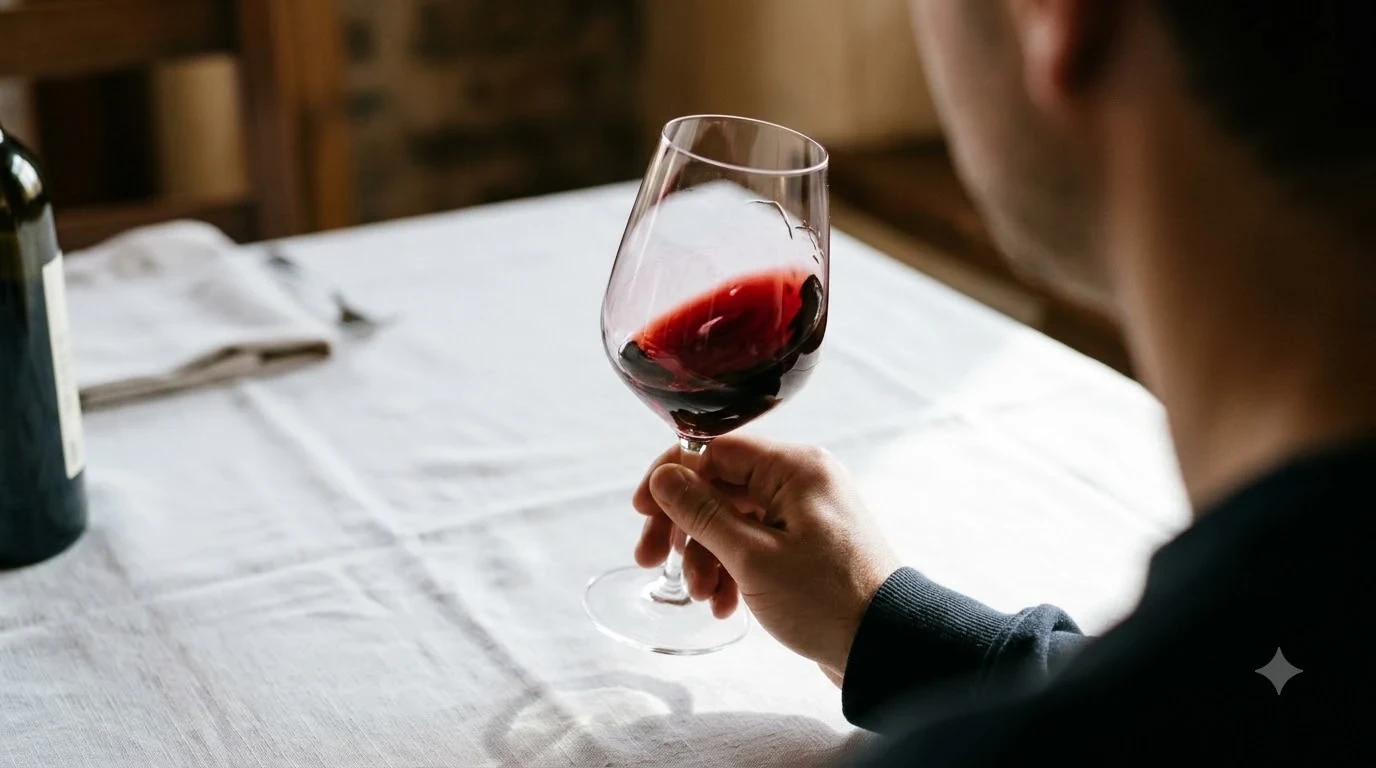
Serve red wines from the valley slightly below room temperature rather than warm. A short time in a cool room or a few minutes in the refrigerator is usually enough. Use a large glass with room to swirl, since the bolder styles need air to show their full range.
Glassware matters more than many people expect. A wide bowl concentrates aromas near the rim, so you can smell the fruit and oak before you taste. Pour a modest amount, about a third of the glass, so there is room to swirl without spilling.
Pairing works best when the food has enough weight to meet the wine. Grilled beef, lamb, and hearty stews suit the Cabernet and Syrah styles. Roast chicken, mushrooms, and tomato-based dishes can work well with Sangiovese and lighter Merlot. Hard cheeses such as aged cheddar or Parmesan also make an easy match for the firmer reds.
Tip: If you are unsure what to order at a restaurant, ask for a Merlot-based blend first. Its softer texture is often an easier entry point than a big Cabernet.
How to Choose a Bottle of Walla Walla Wine
Start with the style you want, then check the label for the appellation. A bottle that names the Walla Walla Valley on its label must meet federal rules requiring that most of its grapes come from the valley, which is a useful signal of origin. Wines labeled simply as Washington may use fruit from a much wider area, and both can be good value in their own way.
Where you buy also shapes what you find. Larger retailers usually carry the best-known labels in a range of prices, while smaller producers often sell most of their bottles directly through their own tasting rooms or mailing lists. If you visit the valley, the tasting room is often the only place to find a limited release, so it is worth asking staff what they would recommend taking home.
Consider vintage and age too. Younger reds usually show more fruit and firmer tannins, while bottles with a few years of cellaring can taste softer and more integrated. If you are buying for immediate drinking, check whether the producer recommends a specific window.
Frequently Asked Questions
What is Walla Walla wine known for?
Walla Walla is best known for red wine, especially Cabernet Sauvignon and Merlot. Syrah and Cabernet Franc are also planted, along with smaller amounts of Sangiovese.
When did the Walla Walla Valley become a wine region?
The Walla Walla Valley American Viticultural Area was approved on February 6, 1984, and it was amended in 2001. It lies within the larger Columbia Valley AVA.
How is Walla Walla different from other Washington wine areas?
Walla Walla is a defined valley with its own appellation, while the Columbia Valley covers a much larger area of eastern Washington. The valley’s rain shadow, loess soils, and slope from mountains to river give its wines a recognizable local character.
What should I serve with Walla Walla red wine?
Grilled meats, hearty stews, and aged cheeses suit the bolder reds. Lighter Merlot and Sangiovese can work with roast chicken, mushrooms, and tomato-based dishes. Serve reds slightly below room temperature for the best balance.
Walla Walla wine rewards anyone who wants a red with clear origin and a strong sense of place. To compare it with other regions, start with the Wine Regions guide, and for nearby options in the western United States, the Arizona wine and Calistoga vineyards pages offer useful contrasts in climate and style.
More in Wine Regions
 Willcox Wine Trail: Discover Arizona’s High-Elevation Wine CountryUpdated Nov 20, 2026
 Yakima Valley Wine Region: Find the Best Styles to TryUpdated Nov 20, 2026
 Vosne Romanee Wine Tasting: Identify Aromas and Choose Better PairingsUpdated Nov 20, 2026
 Yakima Valley Wine Festival: Find the Best Seasonal Wine EventsUpdated Nov 20, 2026
 Wales Vineyards: Discover Cool-Climate Wines and Where to VisitUpdated Nov 20, 2026
 Yountville Wine Festival: Discover Napa Wines and Local FoodUpdated Nov 20, 2026