

We may earn a commission when you buy through links on this page, at no extra cost to you. Learn more.
Lake Erie wine tasting offers visitors a chance to explore distinctive regional wines, from crisp Riesling and dry Cabernet Franc to fruity Concord, Niagara, and locally produced dessert wines. The Lake Erie wine region stretches across Ohio, Pennsylvania, and New York, with a particularly accessible 50-mile winery trail running between Silver Creek, New York, and Harborcreek, Pennsylvania. Its lake-moderated climate, glacial soils, and diverse grape varieties create a tasting experience that combines traditional American grape wines with cool-climate European varieties and French-American hybrids.
Lake Erie wine country deserves attention from travelers who enjoy discovering wine regions beyond the most familiar destinations. Its wineries offer an unusually broad selection of styles, and visitors can explore vineyard landscapes, historic grape-growing communities, independent tasting rooms, and scenic lakeshore attractions during the same trip. Whether you prefer bone-dry whites, approachable reds, aromatic sweet wines, or something unusual, understanding the region’s geography and grapes will help you make better tasting choices.
Understanding the Lake Erie Wine Region and Its Geography
Lake Erie wine country is a large, geographically diverse growing region shaped by the lake, glacial deposits, and the surrounding landscape. Understanding the difference between the Lake Erie AVA and the Lake Erie Wine Country trail helps visitors plan a more realistic itinerary and choose the communities they want to explore.
The Lake Erie American Viticultural Area was established in 1983 and extends across three states: Ohio, Pennsylvania, and New York. Its approximately 2.2 million acres make it one of the largest AVAs east of the Rocky Mountains. However, the area visitors commonly associate with Lake Erie Wine Country is a more concentrated stretch of shoreline, approximately 50 miles long, extending from Silver Creek, New York, to Harborcreek, Pennsylvania.
This distinction matters because the AVA describes a broad grape-growing appellation, whereas the regional wine trail provides a more manageable destination for tasting-room visits. Visitors interested in Pennsylvania wineries can concentrate around North East and Harborcreek. Those traveling through western New York can explore Westfield, Silver Creek, and neighboring Chautauqua County communities.
The landscape also explains much of the region’s agricultural identity. Glaciers deposited a mixture of sand, gravel, clay, and other materials along the southern shoreline. According to the New York Wine & Grape Foundation, favorable gravelly loam soils can be found approximately 500 to 800 feet above sea level in parts of the Chautauqua Grape Belt. These well-drained soils provide a different growing environment from heavier clay deposits closer to the shoreline.
Lake Erie itself influences vineyard temperatures throughout the growing season. Cold spring water can delay bud break, reducing exposure to damaging late frosts. During autumn, the lake releases stored warmth, helping vineyards maintain favorable conditions for longer ripening. This seasonal pattern is particularly important for grapes that need additional time to mature in cooler climates.
The New York Wine & Grape Foundation describes a typical growing season of approximately 200 days and annual growing degree days averaging around 3,000. These figures help explain why the region can support varieties such as Riesling, Chardonnay, and Cabernet Franc despite its northern location. Visitors comparing different destinations can also explore Niagara on the Lake wine tasting to understand another important Great Lakes-influenced wine destination.
Grapes and Wine Styles to Look for During a Visit
Lake Erie wineries produce much more than one recognizable regional wine style. Visitors can encounter native American grapes, French-American hybrids, and European wine grapes, with selections ranging from very dry to distinctly sweet.
Concord is perhaps the most recognizable grape associated with the region. Its characteristic aromatic profile is often described as intensely fruity, with familiar grape, berry, and candy-like notes. Although Concord is widely associated with juice and jelly production, it is also fermented into wine. These bottles are often sweet or semi-sweet, making them interesting choices for visitors who enjoy expressive fruit flavors rather than restrained European-style profiles.
Niagara is another important American grape. It generally produces aromatic white wines with pronounced fresh grape character. Depending on the producer and winemaking approach, Niagara can be made dry, semi-sweet, or sweet. Catawba and Elvira add further diversity, contributing to the region’s tradition of fruity rosé and white wines.
French-American hybrids are particularly important for understanding Lake Erie’s cool-climate identity. These varieties were developed through grape breeding to combine characteristics of European wine grapes with qualities found in American species. They can perform well in growing conditions where some European varieties face greater challenges.
Look for these varieties during a tasting:
- Seyval Blanc: A crisp white hybrid that can offer citrus, green apple, and refreshing acidity.
- Vidal Blanc: A versatile white grape used for dry, aromatic, and sweet wine styles.
- Cayuga White: An approachable white variety that can show apple, citrus, and floral characteristics.
- Vignoles: An aromatic variety that can produce both dry and richly sweet wines.
- Traminette: A fragrant white hybrid that can display floral and spice notes.
- Baco Noir: A red hybrid that often shows dark fruit, earthy character, and moderate structure.
- Chambourcin: A versatile red grape used for dry reds and rosé.
- Léon Millot: A red hybrid that can contribute berry fruit and approachable tannins.
European varieties provide another reason to explore the region. Chardonnay, Riesling, Pinot Gris, and Cabernet Franc are established parts of the Lake Erie wine landscape. Riesling is particularly important because the region’s cool conditions help preserve natural acidity. Chardonnay offers a different expression, ranging from fresh and unoaked styles to fuller wines with greater texture.
Cabernet Franc is an especially useful red wine to request. It can produce a dry, structured wine with red fruit, herbal notes, and earthy complexity. The Pennsylvania Wine Association has highlighted this grape alongside Riesling as an important example of the region’s potential.
| Grape | Typical wine style | What to look for |
|---|---|---|
| Concord | Sweet or semi-sweet red | Intense grape and berry aromas |
| Niagara | Dry to sweet white | Fresh grape and floral notes |
| Riesling | Dry to sweet white | High acidity, citrus, and stone fruit |
| Chardonnay | Dry white | Apple, citrus, and possible creamy texture |
| Cabernet Franc | Dry red | Red fruit, herbs, and moderate tannin |
| Baco Noir | Dry red | Dark berries and earthy notes |
| Vidal Blanc | Dry to sweet white | Fresh fruit and balanced acidity |
| Chambourcin | Red or rosé | Red berries and approachable structure |
For a more detailed introduction to regional wine terminology, grape families, and appellations, browse the site’s Wine Regions resources before planning your trip.
Planning a Lake Erie Wine Tasting Route
The most practical approach is to organize your visit around a small geographical area rather than trying to cover every winery in the broader Lake Erie AVA. The established Lake Erie Wine Country trail runs approximately 50 miles, making it possible to explore several communities without spending the entire day driving.
For a Pennsylvania-focused itinerary, consider starting around North East, east of Erie. This community is particularly convenient for visitors interested in vineyard landscapes and independent wine producers. Yori Wine Cellars is one recognizable name in the area, and its wines provide an opportunity to explore the region’s dry Riesling and Cabernet Franc styles.
Continue toward Harborcreek if you want to explore additional Pennsylvania tasting rooms. The surrounding area combines agricultural landscapes with convenient access to Erie and Presque Isle. This makes it practical to combine wine tasting with a lakeshore visit or an overnight stay in the city.
For a New York itinerary, Westfield is an important starting point. The community sits within the historic Chautauqua grape-growing area and provides access to wineries, agricultural attractions, and the wider Lake Erie Wine Country trail. Silver Creek offers another useful destination farther east.
Rather than selecting wineries solely by distance, compare their wine selections before leaving. Some tasting rooms may emphasize dry European varieties, while others have larger selections of Concord, Niagara, hybrids, or dessert wines. A route that includes different production styles will provide a more informative introduction than visiting several wineries offering nearly identical selections.
How many wineries should you visit?
For most visitors, two or three tasting rooms make a comfortable full-day itinerary. Three stops allow enough time to compare wine styles, speak with staff, enjoy the surroundings, and take breaks between visits. Trying to fit six or seven wineries into one afternoon can turn a relaxed wine-country excursion into a rushed schedule.
A useful planning framework is to allow approximately 60 to 90 minutes per winery, with additional time for lunch and transportation. This is a suggested itinerary allowance rather than a universal tasting-room appointment length. Individual wineries may have different tasting formats, opening schedules, and reservation requirements.
Groups of six or more should pay particular attention to booking policies. The Lake Erie wine trail includes independent producers with different facilities and visitor arrangements. Contact each winery before traveling, especially during weekends, holiday periods, and harvest-related events.
Tip: Choose one or two grape varieties you want to compare across different wineries. Tasting Riesling or Cabernet Franc at multiple producers can reveal differences in sweetness, acidity, fruit character, and winemaking style more clearly than sampling unrelated wines at every stop.
How to Taste and Compare Lake Erie Wines
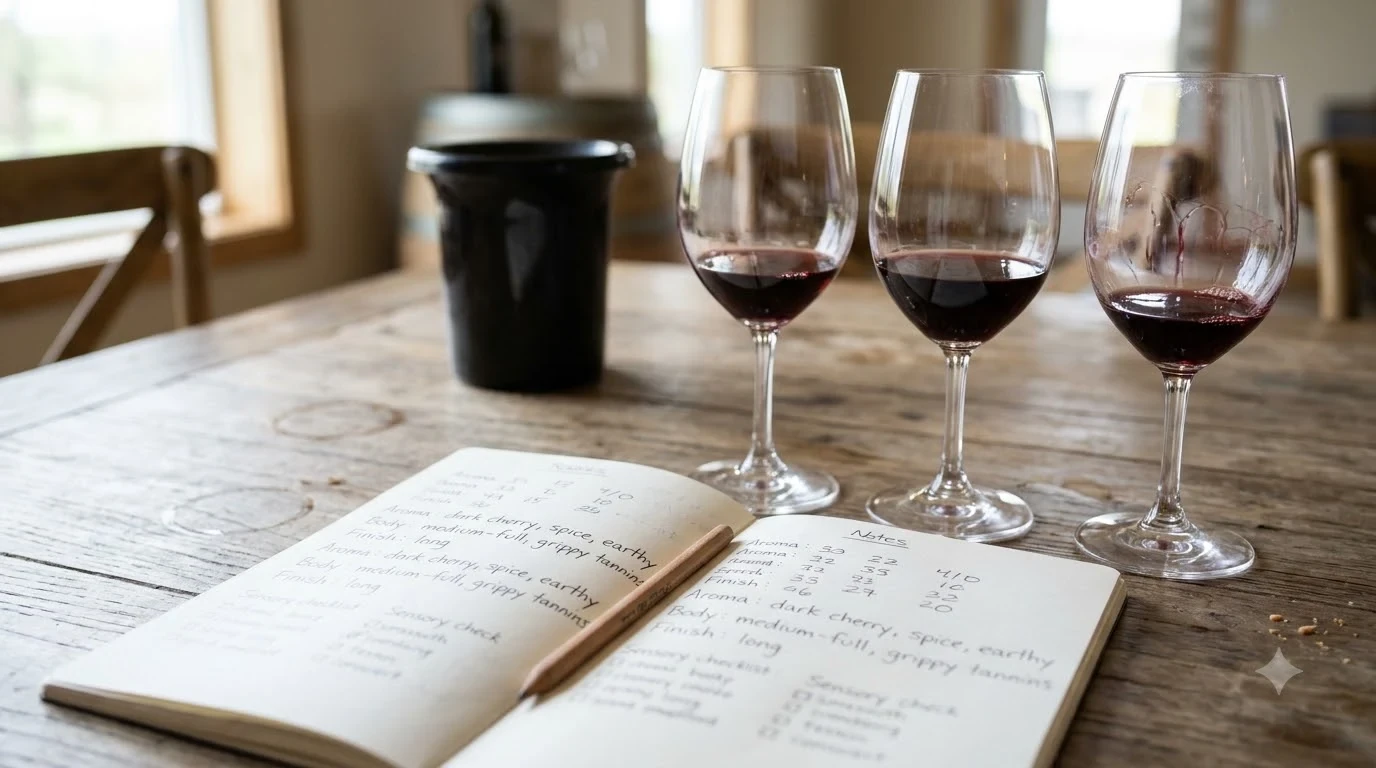
A thoughtful tasting sequence helps reveal the differences between Lake Erie’s many grape varieties and sweetness levels. Start with lighter, drier wines before moving toward richer reds and sweeter selections, paying attention to acidity, aroma, body, and finish.
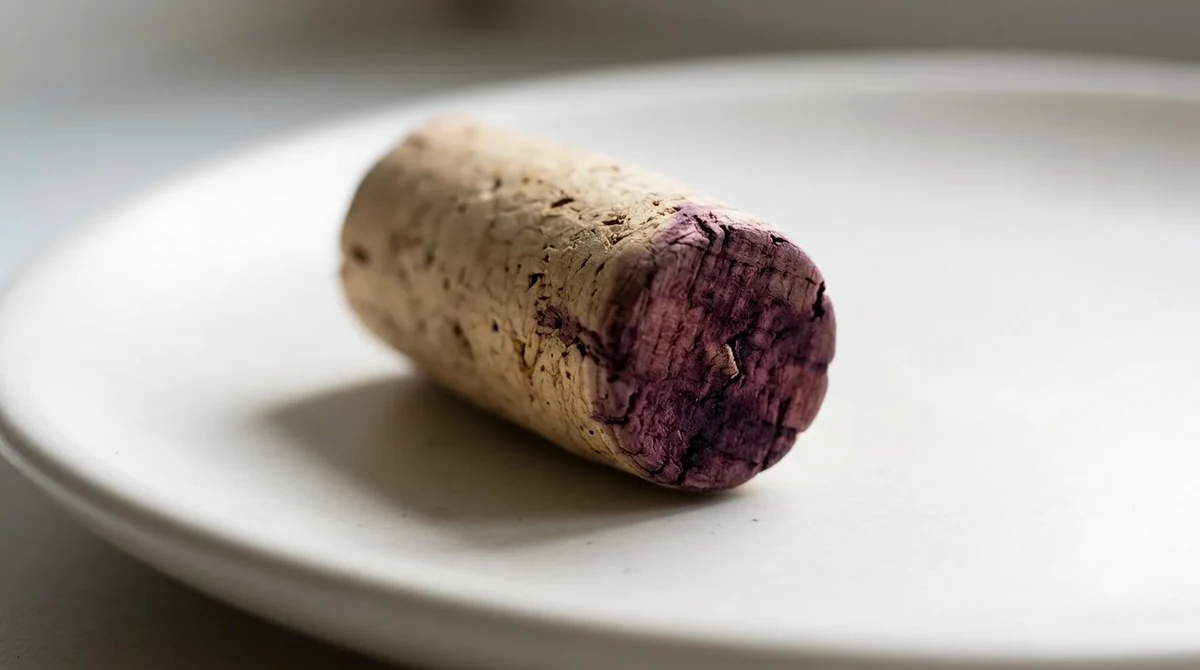
Begin with dry white wines such as Riesling, Chardonnay, or Seyval Blanc. Riesling is particularly useful because its high acidity can remain refreshing even when the wine contains some residual sugar. Compare a dry Riesling with a semi-sweet version if both are available. The difference demonstrates how sweetness changes the overall impression without necessarily eliminating freshness.
Next, try aromatic whites such as Niagara, Traminette, or Vignoles. These grapes can display more pronounced floral and fruity aromas than some traditional European varieties. Pay attention to whether the wine smells like fresh citrus, orchard fruit, flowers, or ripe grapes. Also notice how the finish changes between dry and sweet examples.
Move to rosé before tasting heavier red wines. Lake Erie producers make rosé from several grapes, including Chambourcin. These wines can offer red berry flavors with refreshing acidity and a lighter structure. They are especially useful for visitors who want something more substantial than a light white but less tannic than a full-bodied red.
For reds, compare Baco Noir, Chambourcin, Pinot Noir, and Cabernet Franc when available. Baco Noir often offers dark fruit and earthy characteristics, while Cabernet Franc can show red fruit and herbal complexity. Pinot Noir generally has lower to medium tannin and relatively high acidity, producing a lighter impression than Cabernet Franc or many Cabernet Sauvignon wines.
Do not assume that every red wine from a cool climate will taste light. Producers can use different fermentation methods, extraction techniques, and oak treatments to influence body and texture. Ask whether a wine was aged in stainless steel, neutral oak, or newer oak if you want to understand why two wines made from similar grapes taste different.
Recognizing sweetness and acidity
Sweetness and acidity are two of the most useful characteristics to compare during a Lake Erie tasting. A sweet wine can still taste refreshing when its acidity is sufficiently high. Riesling and Vignoles are particularly useful varieties for exploring this relationship.
When tasting, distinguish fruit aromas from actual sweetness. A wine that smells strongly of ripe peaches or grapes is not necessarily sweet. Take a small sip and observe whether the wine finishes crisp and dry or leaves a noticeable impression of residual sugar.
Ask the tasting-room staff about the wine’s residual sugar level if the information is available. Even a small difference can change how a bottle works with food. This is particularly relevant when comparing Concord and Niagara wines with dry Riesling or Chardonnay.
Serving temperature also affects the experience. Sparkling wines are best served around 40 to 50 degrees Fahrenheit, while light whites and rosé generally show well around 45 to 50 degrees. Fuller whites work around 50 to 55 degrees, and light reds can be served around 55 to 60 degrees. Sweet whites are generally most enjoyable around 43 to 50 degrees.
Food Pairings for Lake Erie Wines
Lake Erie wines are well suited to a variety of foods because the region produces everything from crisp white wines to fruit-forward reds and sweet dessert styles. Matching the wine’s acidity, tannin, body, and sweetness with the dish is more useful than choosing a bottle based on grape name alone.
Riesling is a particularly versatile choice for regional dining. Dry Riesling works well with freshwater fish, roasted chicken, shellfish, and dishes with citrus-based sauces. Its natural acidity helps balance richer ingredients and provides a refreshing contrast to fatty foods. Semi-sweet Riesling can work especially well with spicy Asian-inspired dishes because a little sweetness can soften the impression of heat.
Chardonnay offers another option for seafood and poultry. A lighter, unoaked Chardonnay pairs naturally with grilled white fish, chicken salads, and simple vegetable dishes. A fuller version can handle roasted chicken, creamy pasta, and dishes with butter-based sauces.
Cabernet Franc and Baco Noir are better choices for richer meals. Try Cabernet Franc with grilled pork, roast beef, mushroom dishes, or herb-seasoned lamb. Its moderate-to-firmer tannin structure and herbal notes can complement savory flavors without overwhelming the food.
Baco Noir works with barbecue, roasted vegetables, sausages, and dishes featuring mushrooms or caramelized onions. The dark-fruit profile makes it a useful partner for moderately rich foods. However, avoid pairing tannic red wines with delicate oily fish, which can create an unpleasant combination.
Concord and Niagara wines are particularly interesting with foods that accommodate their sweetness. Concord can accompany fruit-based desserts, berry pies, and certain barbecue dishes. Niagara can work with mildly spicy foods, fruit desserts, or cheeses with enough salt to balance its sweetness.
For dessert pairings, remember that the wine should be at least as sweet as the food. A lightly sweet white wine may taste thin or sour alongside a very sweet cake. A richer dessert wine or ice wine can provide a better match for fruit tarts, creamy desserts, and blue cheese.
Cheese is another useful tasting companion. Fresh goat cheese works with crisp whites, while aged cheddar can complement structured reds. Salty cheeses can soften the impression of tannin, making some red wines seem smoother. Brie and other creamy cheeses are also natural partners for fruit-forward white wines.
Visitors who want to explore another New York destination with a strong cool-climate wine identity can compare their experience with Seneca Lake wine tasting. Its Riesling-focused wine culture provides a useful point of comparison for understanding acidity, sweetness, and regional expression.
Best Seasons, Winery Etiquette, and Practical Visiting Tips
Lake Erie wine country offers different experiences throughout the year, with late summer and autumn particularly appealing for vineyard scenery and grape-related activities. However, visitors can enjoy tasting rooms in other seasons too, provided they plan around individual winery schedules and weather conditions.
Late summer is a good time for exploring the vineyards when foliage is abundant and outdoor tasting areas may be available. The period from late August into October can be particularly attractive because the growing season approaches harvest and the surrounding countryside develops autumn colors.
Fall also provides an opportunity to learn about harvest operations. Some wineries organize seasonal celebrations, vineyard walks, and special tasting events. These activities vary by producer, so checking event calendars before traveling is useful.
Winter offers a quieter experience. Fewer visitors may mean more relaxed conversations with tasting-room staff, although outdoor vineyard activities are limited by weather. Spring provides fresh scenery and opportunities to observe the growing season beginning again, but changing temperatures can make outdoor plans less predictable.
Before departure, check the wineries’ current opening hours and reservation requirements. A regional trail may operate throughout the year, but not every individual tasting room necessarily maintains identical hours. Some producers offer walk-in tastings, while others may require appointments for tours, larger groups, or special experiences.
Understanding tasting-room etiquette
Arrive on time for scheduled tastings and let staff know about your wine preferences. If you enjoy dry whites but dislike sweet reds, mentioning that preference helps the tasting-room team recommend appropriate bottles.
Ask questions about the grapes, vineyard locations, fermentation methods, and sweetness levels. Lake Erie has an unusually diverse grape-growing tradition, so tasting-room conversations can help explain why two nearby wineries produce noticeably different wines.
It is also reasonable to request a small taste of a wine before deciding whether to buy a bottle. Use tasting pours to compare characteristics rather than treating each stop as an opportunity to consume large quantities. A standard wine serving is approximately 5 ounces, and a 750-milliliter bottle contains roughly five such servings.
Plan transportation before beginning the trip. The wine trail connects communities across two states, and driving between tasting rooms is part of the experience. Designate a sober driver or arrange transportation through an appropriate local service. Do not assume that a short distance between wineries makes it safe to drive after drinking.
Finally, consider purchasing a bottle from a producer whose style genuinely appeals to you. A dry Riesling, a distinctive hybrid red, or an aromatic Niagara wine can provide a memorable reminder of the region. If you enjoy a particular style, ask whether the winery offers additional vintages or similar wines worth exploring.
For additional regional background, the New York Wine & Grape Foundation’s Lake Erie AVA overview provides further information about the area’s geography, vineyards, and growing conditions.
Frequently Asked Questions
Is Lake Erie an official American Viticultural Area?
Yes. The Lake Erie AVA was officially established on October 21, 1983. It also contains smaller appellations, including the Grand River Valley AVA and Isle St. George AVA, which represent additional geographically defined growing areas.
Are Lake Erie wines made exclusively from locally grown grapes?
Not necessarily. An AVA designation identifies a recognized grape-growing region, but it does not automatically mean that every wine sold by a winery uses exclusively local grapes. Federal appellation labeling rules generally require at least 85% of the grapes used in an AVA-designated wine to come from that appellation.
What is the Chautauqua Grape Belt?
The Chautauqua Grape Belt is a historic grape-growing area in western New York associated with Lake Erie viticulture. Its vineyards benefit from glacially formed soils and the lake’s moderating influence, and the area has a particularly strong historical connection to Concord grape cultivation.
Can visitors find sparkling wine in Lake Erie wine country?
Yes. Sparkling wine is among the categories offered by wineries in the regional tasting network. Producers can use different grape varieties and production approaches, so visitors interested in traditional-method sparkling wine should ask whether the wine underwent its second fermentation in the bottle.
Does Lake Erie produce ice wine?
Yes. Ice wine is part of the broader regional wine offering, although availability depends on suitable winter conditions and individual producers’ production decisions. Genuine ice wine is made from grapes that freeze naturally on the vine before harvesting and pressing, concentrating their sugars and acidity.
Lake Erie wine tasting is an excellent way to discover a region with a distinctive combination of American grape traditions, cool-climate European varieties, and innovative hybrid wines. Start with Riesling, Cabernet Franc, and a locally produced sweet wine, then explore additional varieties according to your preferences. With a thoughtfully planned route and enough time to enjoy each tasting room, the Lake Erie shoreline offers a rewarding wine-country experience for both newcomers and experienced wine enthusiasts.
More in Wine Regions
 Willcox Wine Trail: Discover Arizona’s High-Elevation Wine CountryUpdated Nov 20, 2026
 Yakima Valley Wine Region: Find the Best Styles to TryUpdated Nov 20, 2026
 Vosne Romanee Wine Tasting: Identify Aromas and Choose Better PairingsUpdated Nov 20, 2026
 Yakima Valley Wine Festival: Find the Best Seasonal Wine EventsUpdated Nov 20, 2026
 Wales Vineyards: Discover Cool-Climate Wines and Where to VisitUpdated Nov 20, 2026
 Yountville Wine Festival: Discover Napa Wines and Local FoodUpdated Nov 20, 2026