

We may earn a commission when you buy through links on this page, at no extra cost to you. Learn more.
The lake erie wine trail is a roughly 50-mile tasting route stretching along the southern shore of Lake Erie between Harborcreek, Pennsylvania, and Silver Creek, New York. Operated by the Lake Erie Wine Country association, the trail links roughly 20 independent commercial and estate wineries across the largest contiguous grape-growing region east of the Rocky Mountains. Visitors can sample everything from native Concord and Niagara bottlings to cool-climate European vinifera wines like Riesling, Chardonnay, and Cabernet Franc.
Running parallel to the shoreline through Chautauqua County in western New York and Erie County in northwestern Pennsylvania, the route follows historic U.S. Route 20 and scenic rural roads lined with thousands of acres of vines. While the surrounding belt gained fame more than a century ago for juice and jelly production, modern estate winemakers have transformed the corridor into a diverse, approachable destination for weekend wine travelers.
Overview of the Lake Erie Wine Trail
The trail sits inside the broader Lake Erie American Viticultural Area, an expansive cross-border appellation established in October 1983 that spans more than two million total acres across New York, Pennsylvania, and Ohio. Within that larger zone, the organized wine trail focuses on a compact 50- to 53-mile stretch along the southeastern lakeshore.
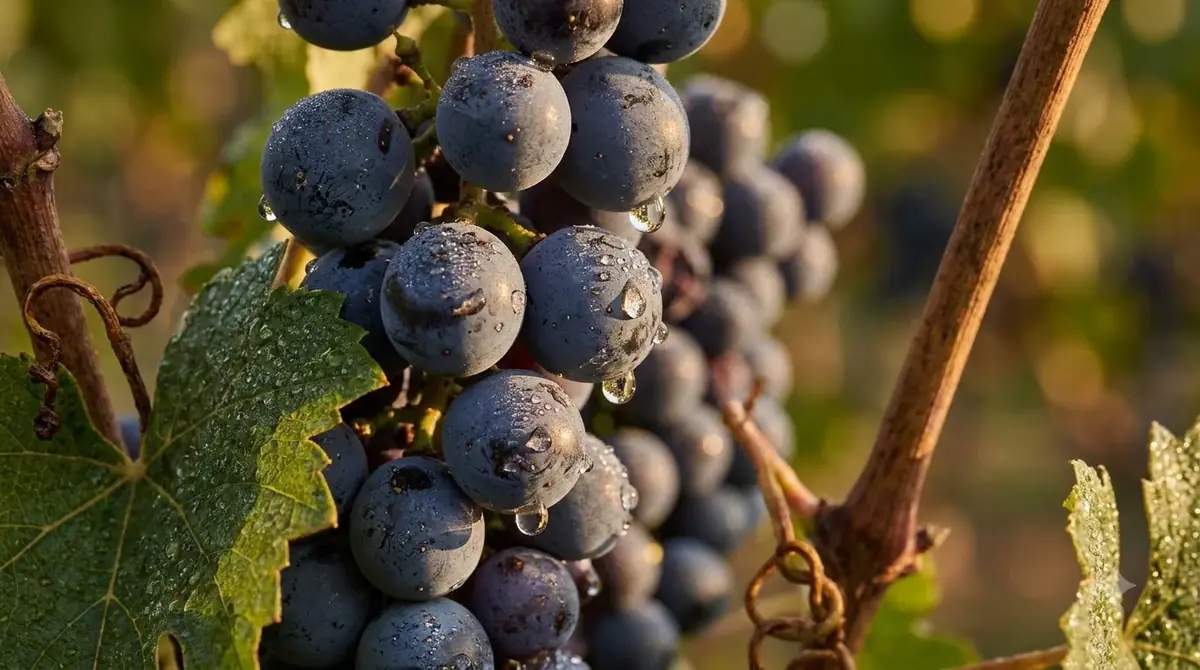
Viticulture here dates back to 1818, when the earliest vines were planted near the lake, followed by the region’s first commercial wine house in 1859. Glaciers carved out the Great Lakes basin millennia ago and left behind well-drained ridges of gravel and fertile loam along the shore. Combined with cooling breezes off the water, these soils supported booming nineteenth-century plantings of native American varieties such as Concord, Catawba, and Delaware.
Although Prohibition shuttered local wineries in 1920 and shifted agricultural focus toward unfermented grape juice, legislative reforms revived small-scale winemaking decades later. The Pennsylvania Limited Winery Act of 1968 and the New York Farm Winery Act of 1976 enabled family grape growers to open estate tasting rooms. Today, the corridor bridges old-world winemaking techniques with deep agricultural roots, making it a compelling stop when exploring Wine Regions across North America.
Climate and Sub-Regions Along the Trail
Lake Erie acts as a massive thermal regulator that moderates seasonal temperatures and extends the local growing season to roughly 200 frost-free days. This lake-effect microclimate delays spring budbreak until frost risks subside and holds onto summer warmth well into autumn.
Geography divides the route naturally into two neighboring state corridors separated by the New York and Pennsylvania border near Ripley and North East. Immediately south of the vineyards, the Lake Erie Escarpment rises sharply, trapping temperate air along a narrow coastal strip. Because Lake Erie is the shallowest of the Great Lakes, it warms quickly during summer months, supplying steady heat units that help fruit ripen evenly without losing crisp natural acidity.
On the Pennsylvania side, wineries cluster around Harborcreek and the town of North East, located about 15 to 25 minutes east of downtown Erie. Crossing east into New York, the trail winds through Ripley, Westfield, Portland, Sheridan, Forestville, and Silver Creek. While both sections share similar glacial gravel ridges, individual vineyard sites vary in elevation and proximity to the water, creating subtle differences in ripeness and aromatic intensity from town to town.
| Trail Corridor | Key Towns | Notable Vineyard Traits | Signature Wine Styles |
|---|---|---|---|
| Pennsylvania West | Harborcreek, North East | Close proximity to lake breezes, gravel ridges, long established family farms | Sparkling Chardonnay, Riesling, native blends, fruit wines |
| New York Central | Ripley, Westfield, Portland | Protected by the Lake Erie Escarpment, historic estate acreage | Dry and semi-dry Riesling, Pinot Noir, Chambourcin, ice wine |
| New York East | Sheridan, Forestville, Silver Creek | Rolling hills rising from the shore, mix of native and hybrid plantings | Sweet Concord reds, Niagara whites, Vidal Blanc, wine slushies |
Key Grapes and Wine Styles
Reviewers at Wine Enthusiast highlight the striking diversity of grape varieties cultivated across the Lake Erie AVA, spanning native American species, French-American hybrids, and classic European Vitis vinifera. Rather than specializing in a single flagship bottle, tasting rooms along the route pour an unusually wide spectrum of dry, semi-dry, sweet, sparkling, and dessert styles.
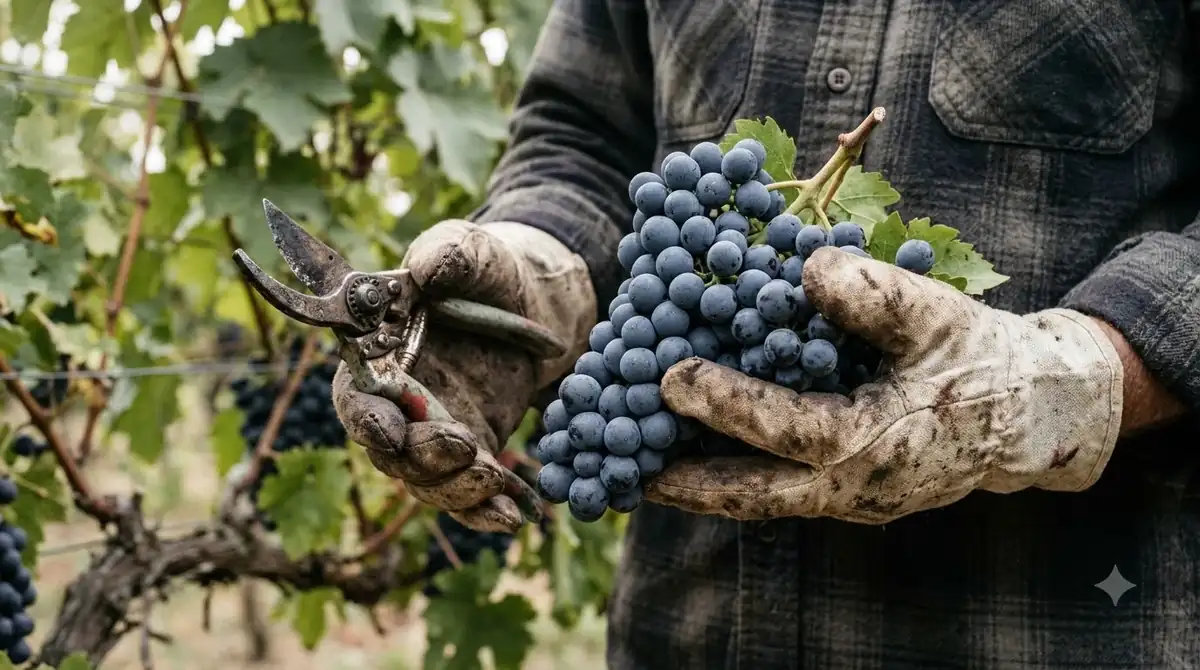
Native Vitis labrusca varieties remain the agricultural backbone of the belt. Concord accounts for the vast majority of planted vineyard acreage, delivering unmistakable aromas of fresh grape jam and vibrant sweetness in traditional regional bottlings. White native grapes like Niagara and spicy pink Catawba also appear frequently on tasting menus, offering juicy, aromatic profiles designed for casual sipping.
Alongside heritage varieties, cold-hardy French-American hybrids thrive in the region’s snowy winters. White hybrids such as Vidal Blanc, Seyval Blanc, Cayuga White, and Traminette produce crisp, floral, and stone-fruit-driven wines, while red hybrids including Chambourcin, Baco Noir, and Marechal Foch yield medium-bodied reds with bright acidity and gentle tannins. Since the first commercial vinifera Chardonnay vines were planted in 1972, European grapes have steadily gained acreage. Cool-climate Riesling, Chardonnay, Pinot Noir, and Cabernet Franc now anchor dry wine programs, and freezing winter temperatures allow several estates to craft concentrated late-harvest and ice wines.
Notable Wineries Along the Route
According to Lake Erie Wine Country, more than 20 independent commercial and estate wineries operate along the 50-mile corridor, ranging from multi-generation Century Farms to modern combination craft beverage facilities. Each stop reflects the personality of its winemakers and the specific vineyard blocks surrounding the tasting room.
In Westfield, New York, Johnson Estate Winery holds the distinction of being New York State’s oldest estate winery, established in 1961 on a family farm with over 100 acres of vineyards producing dry Riesling, Pinot Noir, Chambourcin, and ice wine. Just down the road, Mazza Chautauqua Cellars operates alongside Five & 20 Spirits & Brewing, forming New York’s first combined winery, distillery, and craft brewery. Farther east in Portland, 21 Brix Winery greets guests with a playful atmosphere and pours both dry vinifera varietals and locally sourced fruit wines, while Merritt Estate Winery in Forestville dates back to the 1976 Farm Winery Act and is well known for its warm hospitality and frozen wine slushies.
Across the state line in North East, Pennsylvania, Mazza Vineyards serves as the Mazza family’s flagship Mediterranean-style estate founded in 1972, specializing in sparkling wines, Riesling, and hybrid blends. Nearby South Shore Wine Company welcomes visitors into a historic 1860s-style stone cavern tasting room, while Arrowhead Wine Cellars, Courtyard Winery, Arundel Cellars & Brewing Company, and Burch Farms Country Market & Winery showcase everything from small-lot dry reds to seasonal fruit bottlings.
Practical Tips for Visiting the Trail
Most wineries along the Lake Erie Wine Trail stay open year-round, seven days a week, making the region accessible during summer beach weather, autumn harvest, and quiet winter weekends. Planning an itinerary around geographic clusters helps minimize driving time between tastings.
Because the route stretches roughly 50 miles from end to end, trying to visit every tasting room in a single afternoon is unrealistic. Selecting four to six wineries within either the Pennsylvania corridor or one section of Chautauqua County allows time to chat with tasting room staff, walk among the vines, and enjoy a relaxed lunch. Many estates offer picnic grounds, light snacks, or full-service winery restaurants, while nearby towns like Westfield and North East provide local cafes and waterfront dining.
Travelers who enjoy structured weekend itineraries can time their visit around the association’s signature seasonal celebrations, such as the annual Harvest Wine Celebration held across two weekends in November, which pairs small plates with curated wine flights. Groups of eight or more should call ahead for reservations, as several family-run tasting rooms require advance notice for large parties or bus tours. If you enjoy exploring Great Lakes viticulture, you can compare this shoreline route with the michigan wine trail or plan an East Coast road trip along the connecticut wine trail.
Tip: Start your route in Westfield, New York, and stop at the Grape Discovery Center on West Main Road to pick up current trail maps, view exhibits on the Concord Grape Belt, and sample regional wines before visiting nearby estates.
How to Buy Lake Erie Wines
Purchasing bottles directly from tasting room cellars remains the most reliable way to experience the full range of Lake Erie winemaking, since many small-lot hybrids, sparkling cuvées, and ice wines are produced in limited quantities. Most member wineries maintain active wine clubs and offer seasonal shipping to eligible states.
Within western New York and northwestern Pennsylvania, select regional liquor stores, specialty wine shops, and farm markets carry popular labels from established producers like Johnson Estate, Mazza Vineyards, and Merritt Estate. When shopping outside the immediate lakeshore area, look for the Lake Erie AVA designation on the front label, which guarantees that the grapes were grown within the moderated Great Lakes climate zone.
Before buying, check the back label for residual sugar indicators or style notes. Because winemakers here bottle dry, semi-dry, and sweet versions of the exact same grape variety—especially Riesling, Chardonnay, and Catawba—reading the sweetness scale ensures you bring home a bottle suited to your palate.
Frequently Asked Questions
How long is the Lake Erie Wine Trail?
The Lake Erie Wine Trail spans approximately 50 to 53 miles along the southern shoreline of Lake Erie. It runs from Harborcreek, Pennsylvania, in the west to Silver Creek, New York, in the east, following U.S. Route 20 and nearby scenic country roads.
How many wineries are on the Lake Erie Wine Trail?
The trail comprises roughly 20 independent commercial and estate wineries across Chautauqua County in New York and Erie County in Pennsylvania. Membership shifts occasionally as new craft producers open or family estates transition, so checking the official trail map before departing is always smart.
What types of wine is Lake Erie Wine Country known for?
Lake Erie Wine Country is best known for its wide variety of styles, ranging from sweet native Concord and Niagara wines to crisp, cool-climate Riesling, Chardonnay, Pinot Noir, and sparkling wines. Local producers also craft acclaimed French-American hybrids like Chambourcin and Vidal Blanc alongside winter ice wines.
Are the wineries on the Lake Erie Wine Trail open year-round?
Yes, most member wineries operate year-round, seven days a week, though individual tasting rooms may adjust their daily hours during winter months. Autumn harvest season and summer weekends draw the largest crowds, while late winter and spring offer quieter tasting bars and intimate conversations with staff.
Whether you are drawn to historic nineteenth-century stone cellars, refreshing lakeside whites, or traditional Concord blends, the lake erie wine trail delivers an unpretentious look at one of America’s oldest grape-growing corridors. Mapping out a few neighboring stops along the shore lets you taste how Lake Erie’s breezes shape every glass.
More in Wine Regions
 Willcox Wine Trail: Discover Arizona’s High-Elevation Wine CountryUpdated Nov 20, 2026
 Yakima Valley Wine Region: Find the Best Styles to TryUpdated Nov 20, 2026
 Vosne Romanee Wine Tasting: Identify Aromas and Choose Better PairingsUpdated Nov 20, 2026
 Yakima Valley Wine Festival: Find the Best Seasonal Wine EventsUpdated Nov 20, 2026
 Wales Vineyards: Discover Cool-Climate Wines and Where to VisitUpdated Nov 20, 2026
 Yountville Wine Festival: Discover Napa Wines and Local FoodUpdated Nov 20, 2026